
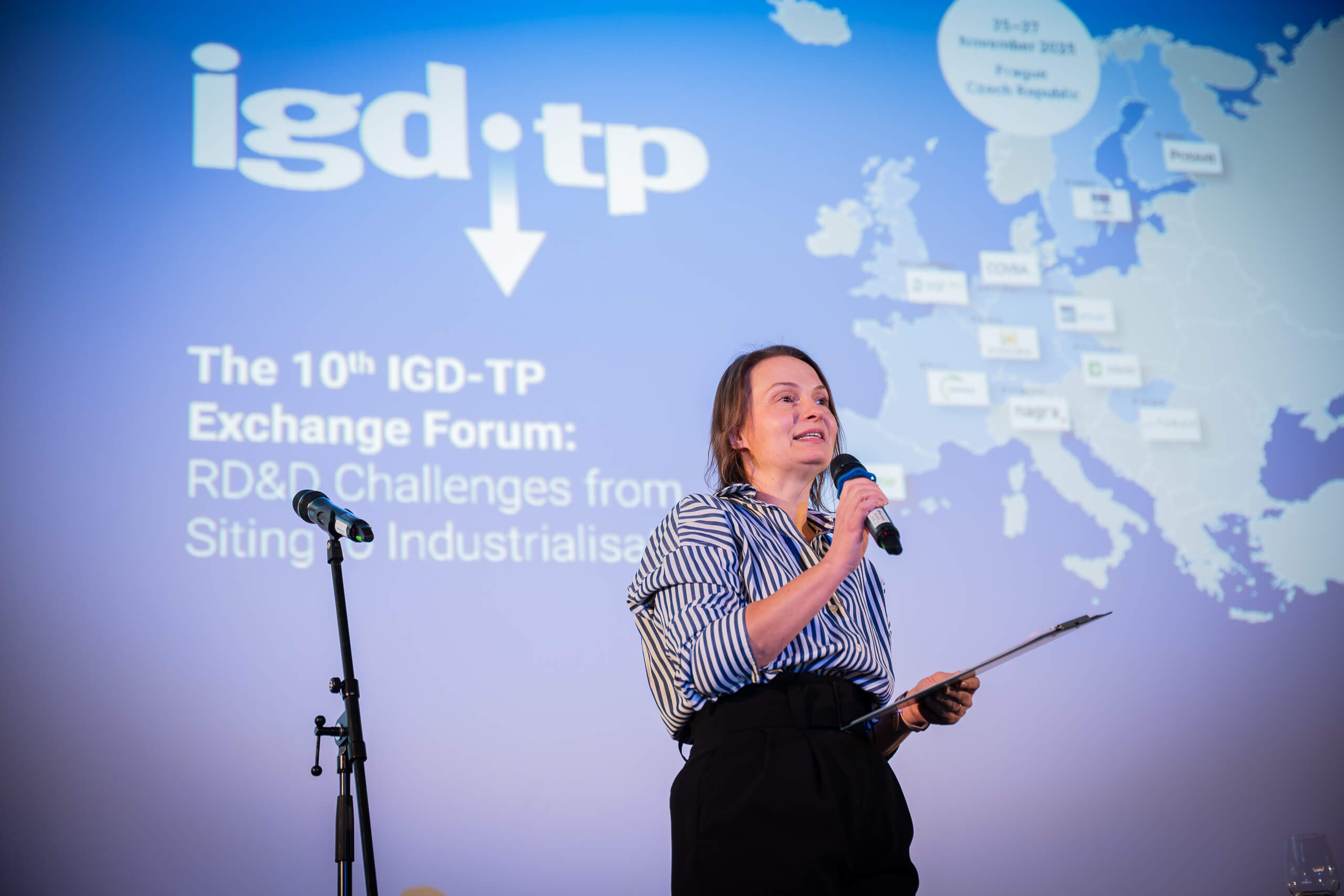
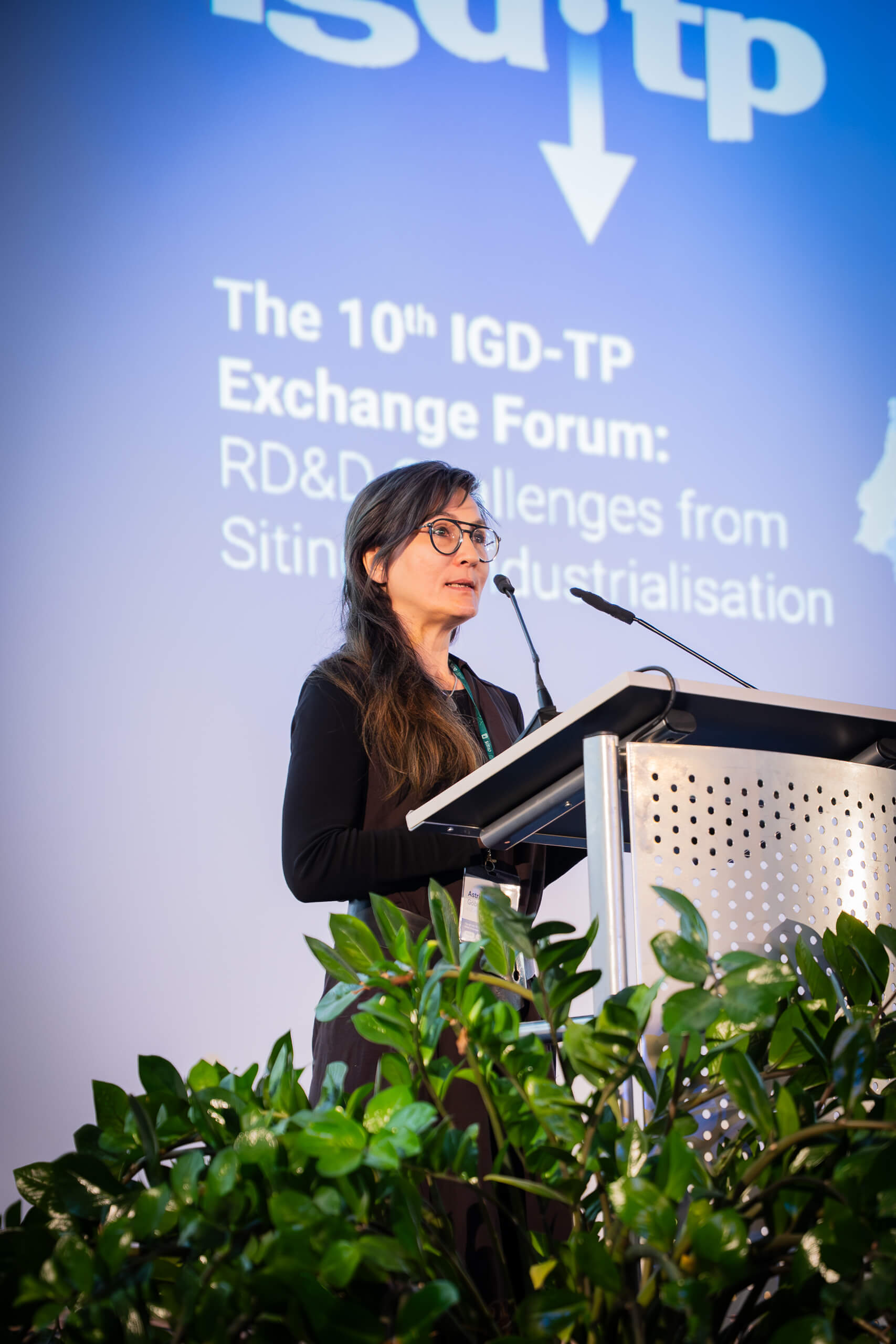
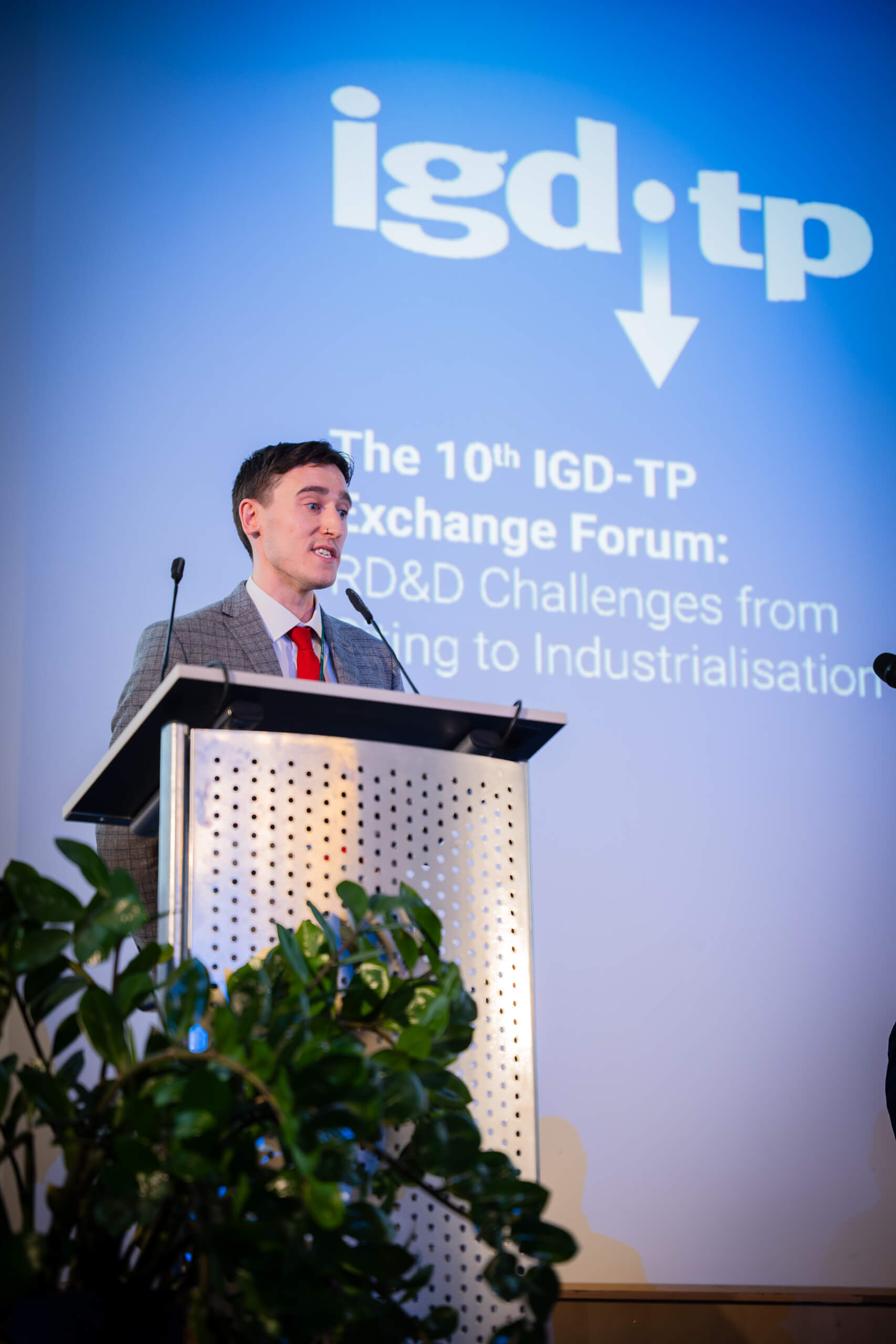
The 10th IGD-TP Exchange Forum: R&D challenges from siting to industrialisation

25th November 2025 to 27th November 2025
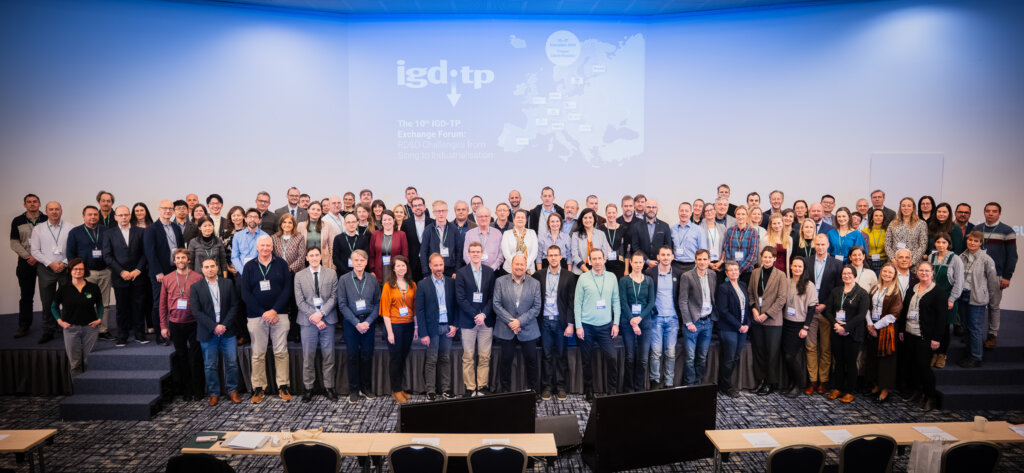
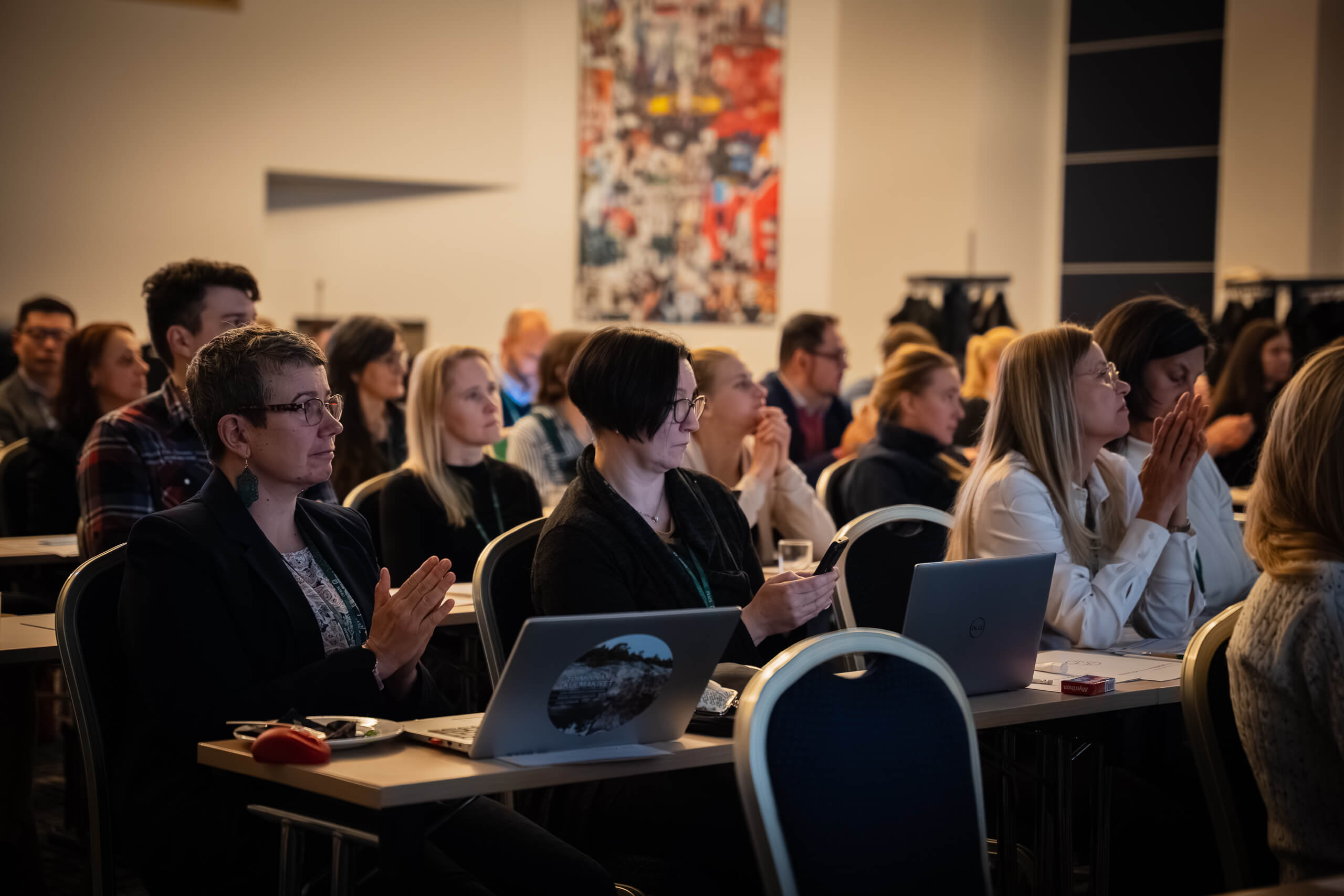
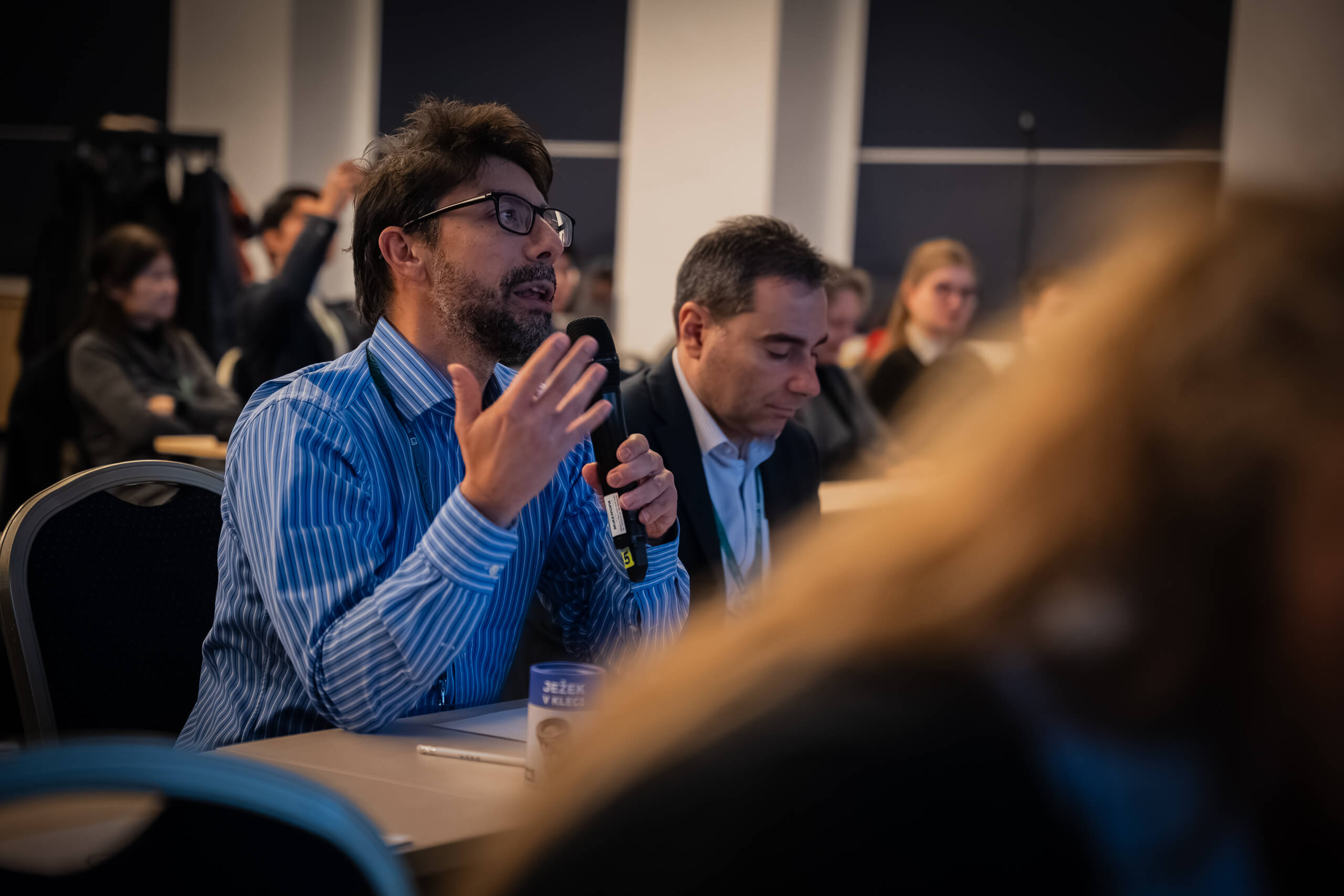
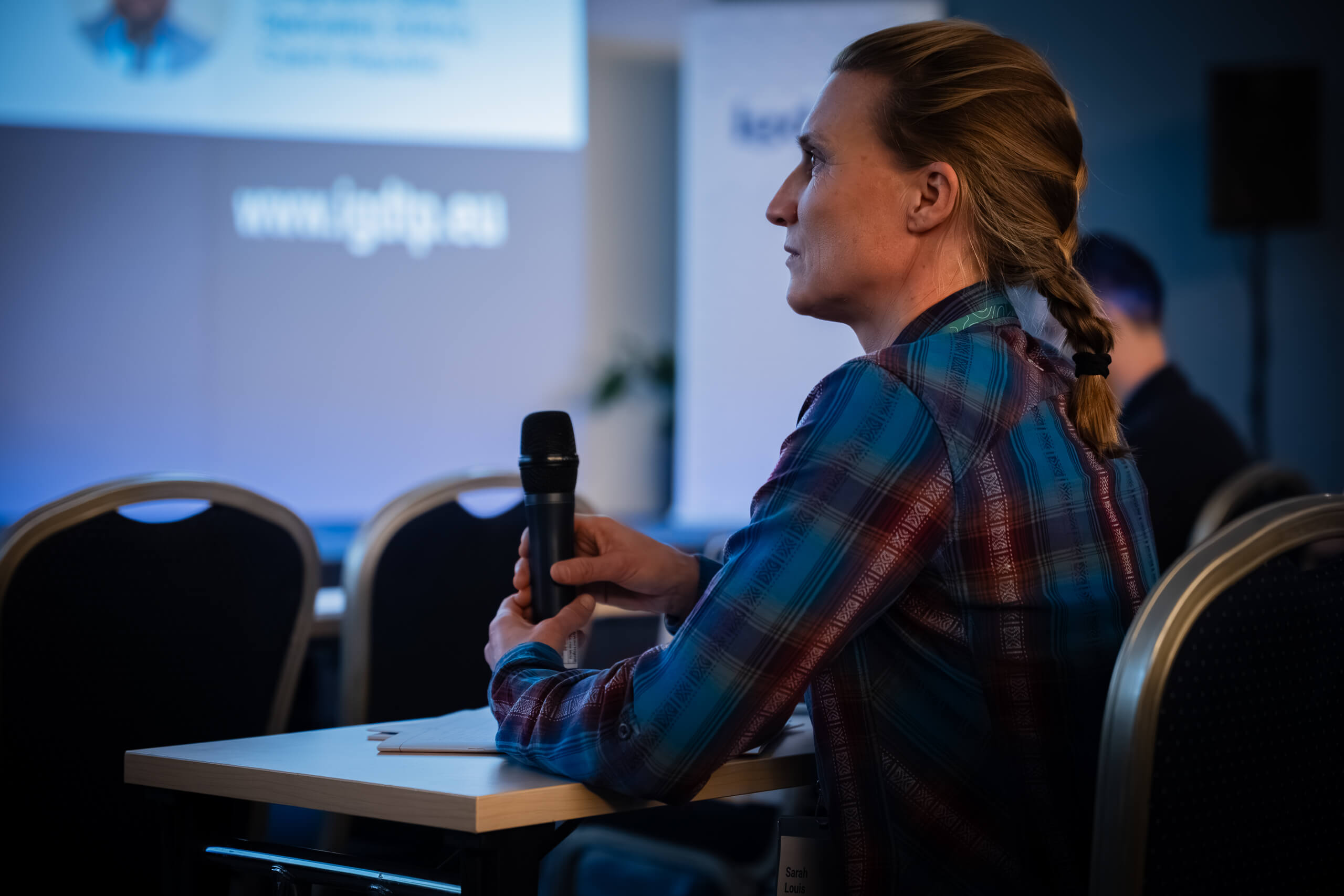
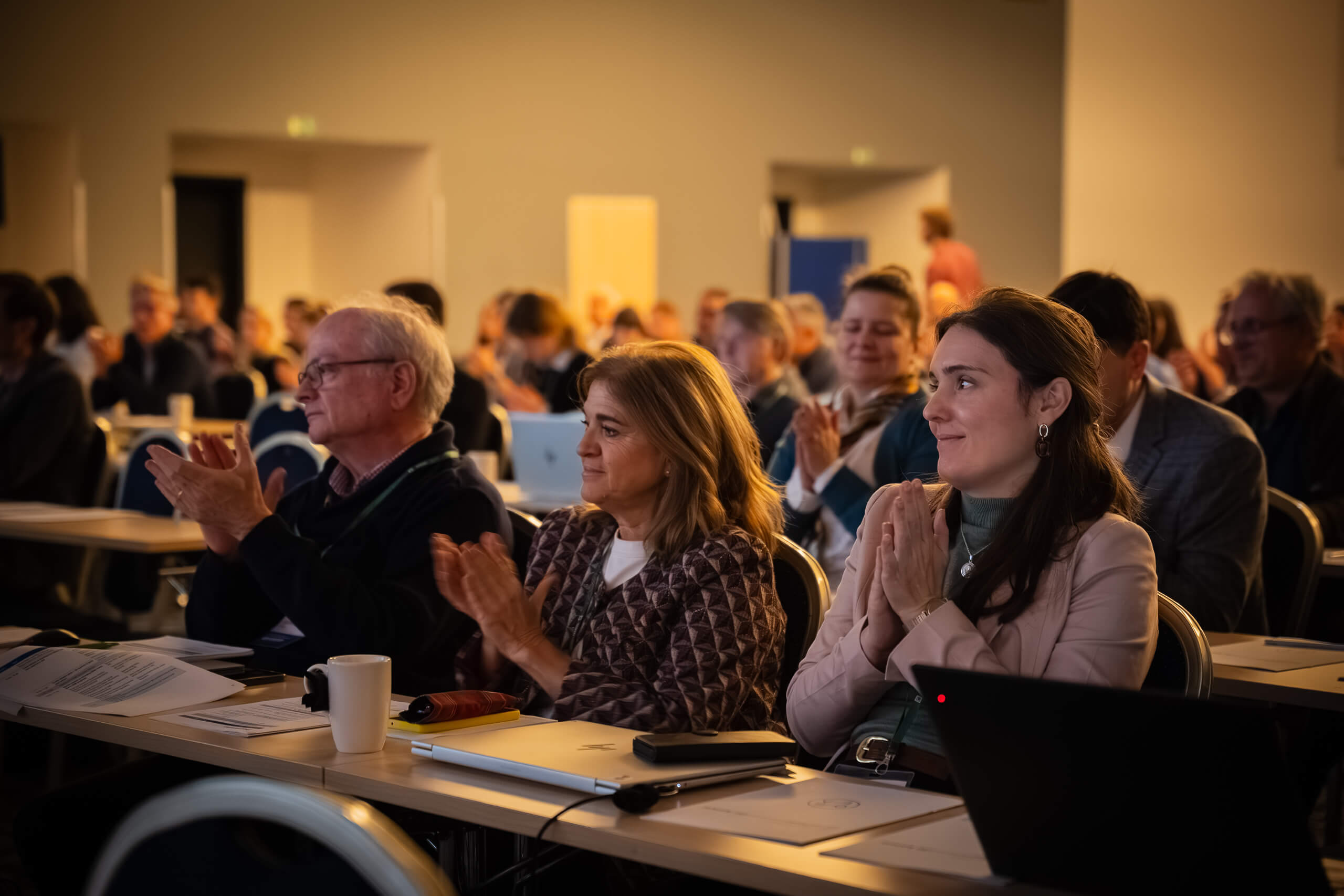
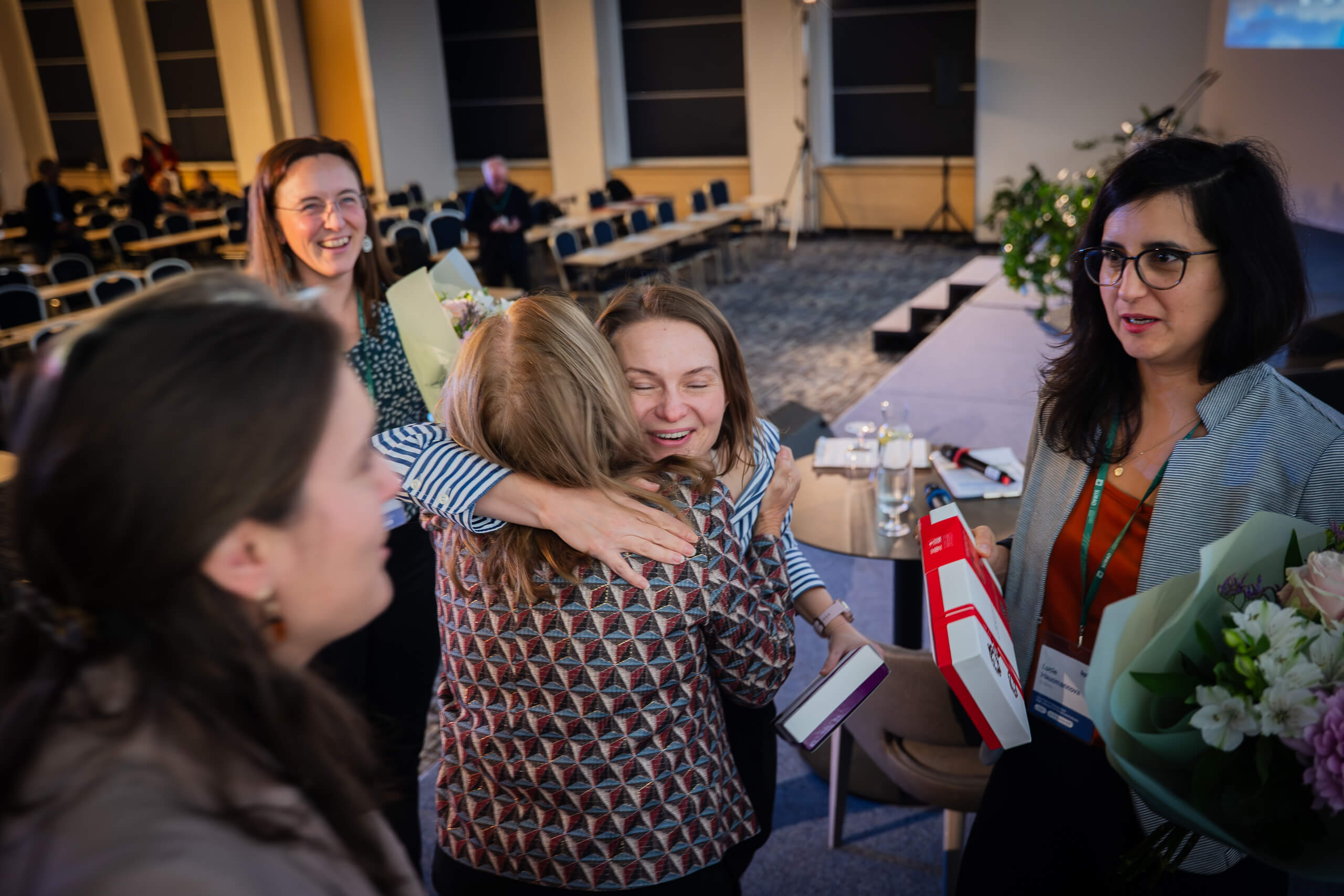
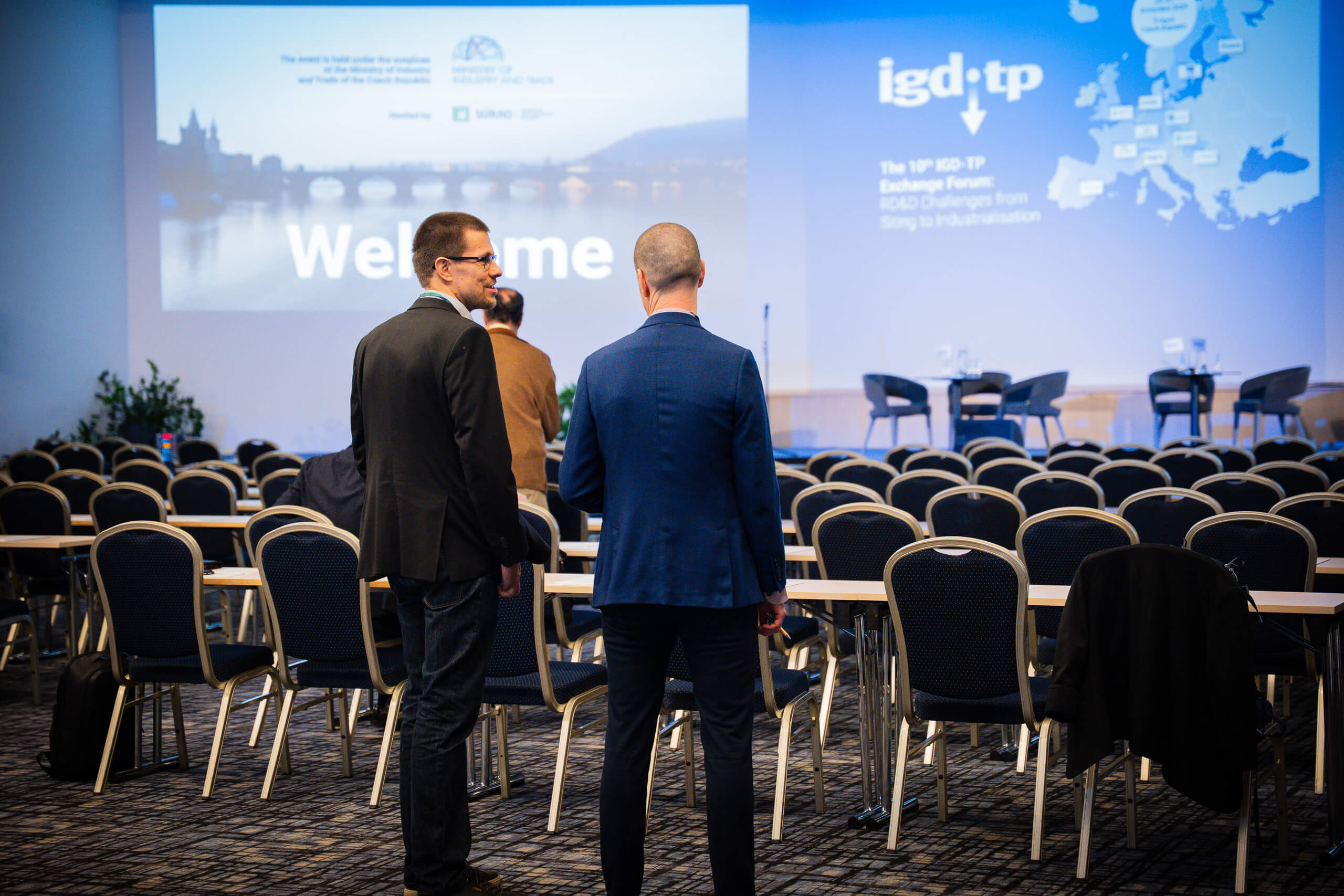
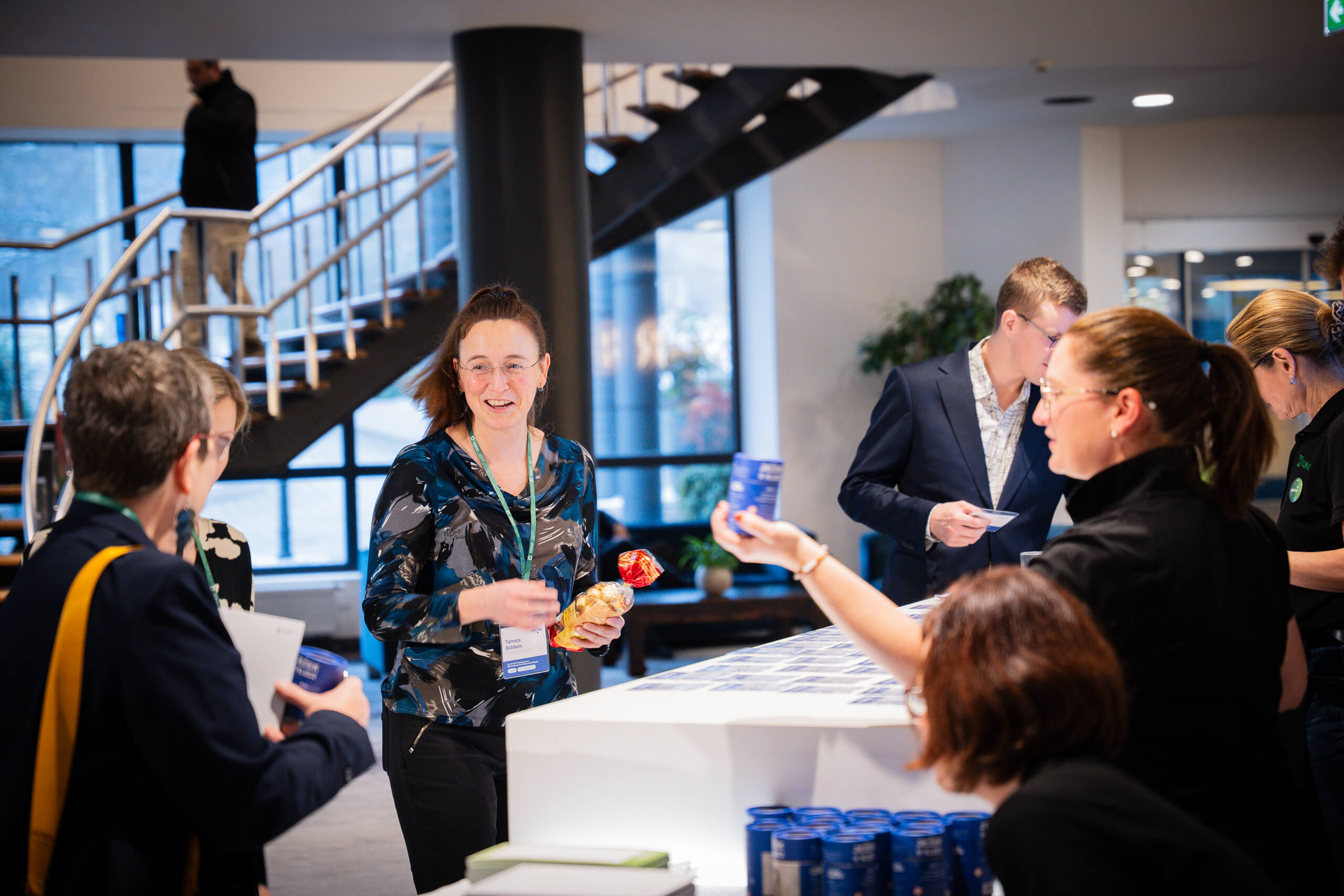
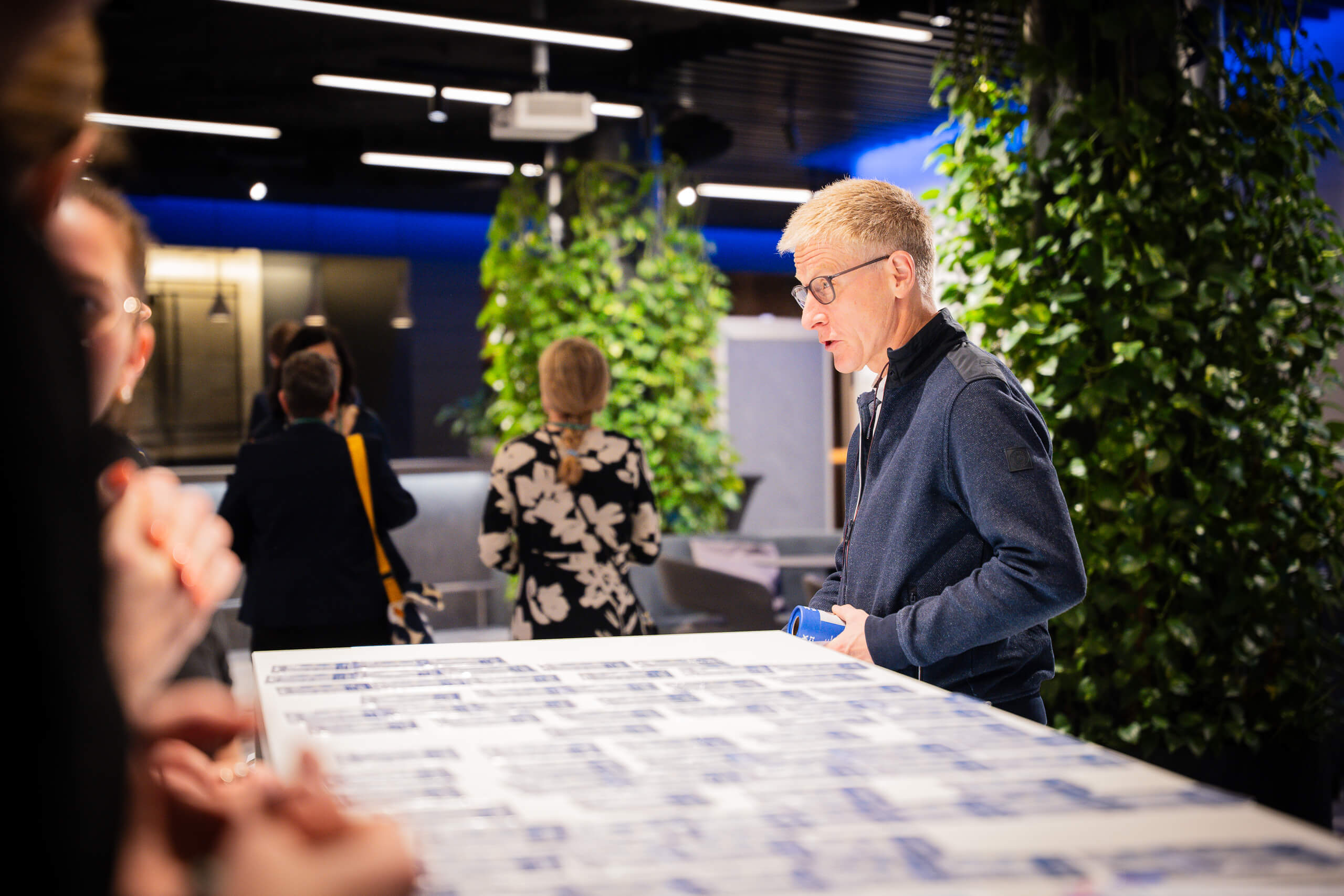
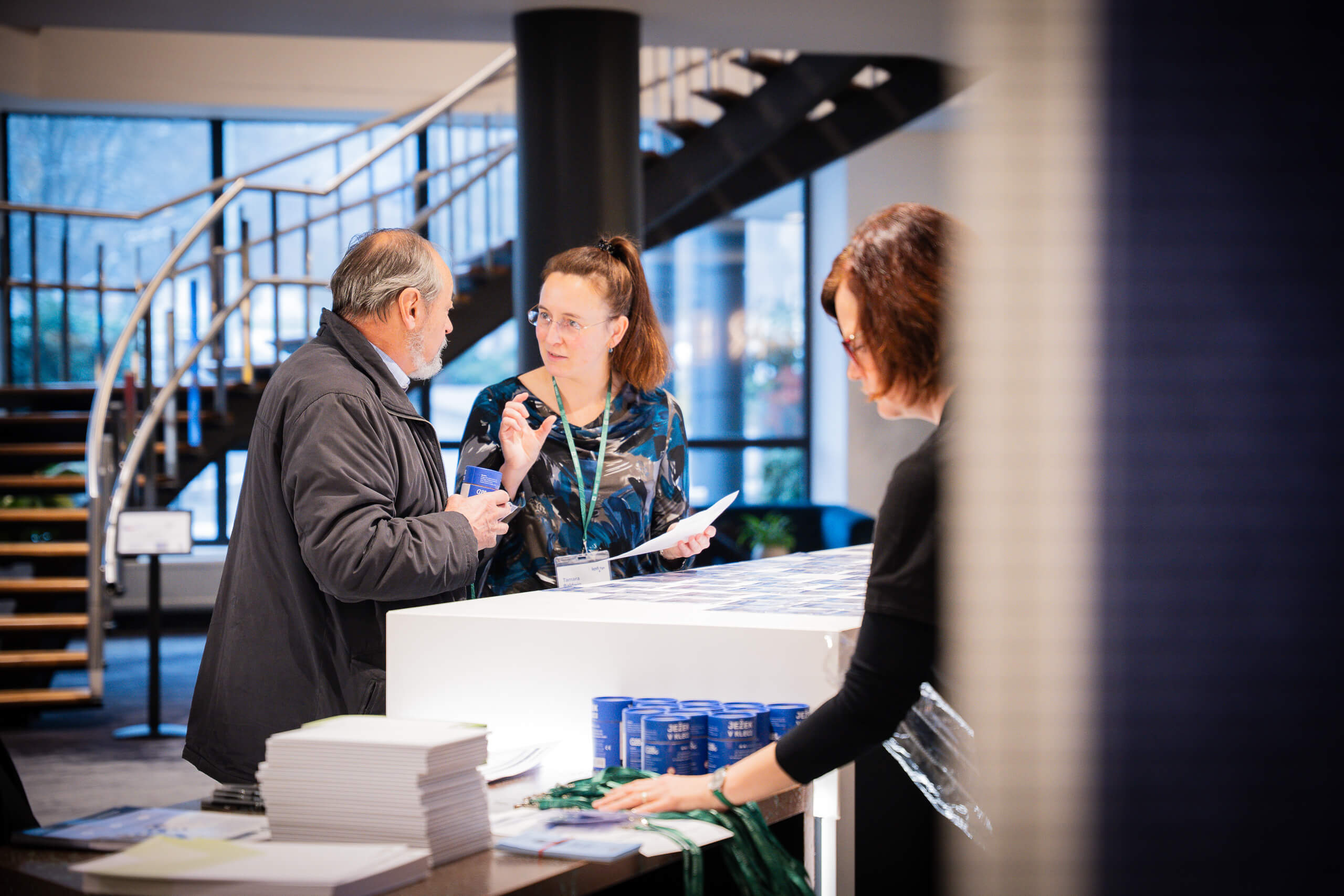
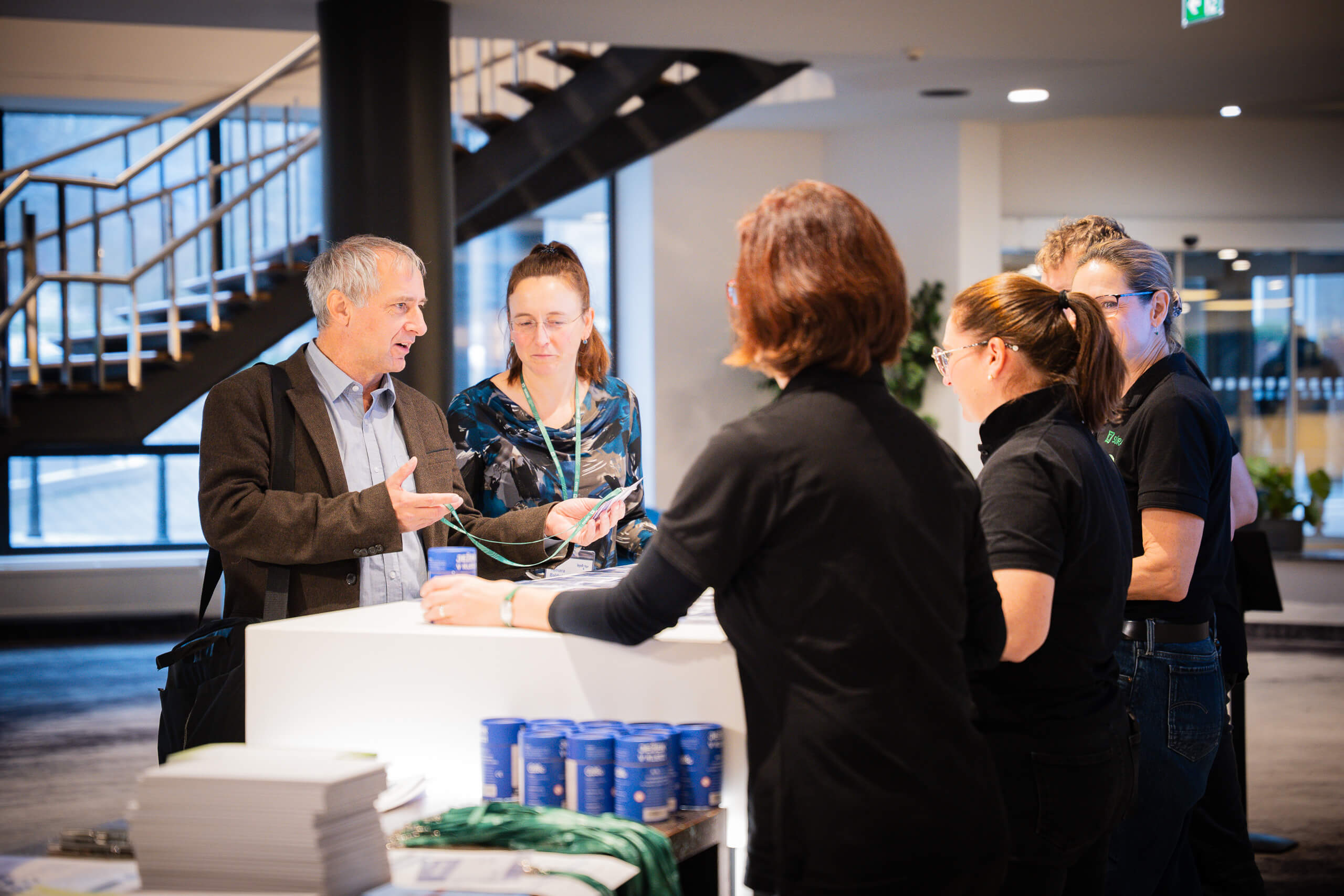
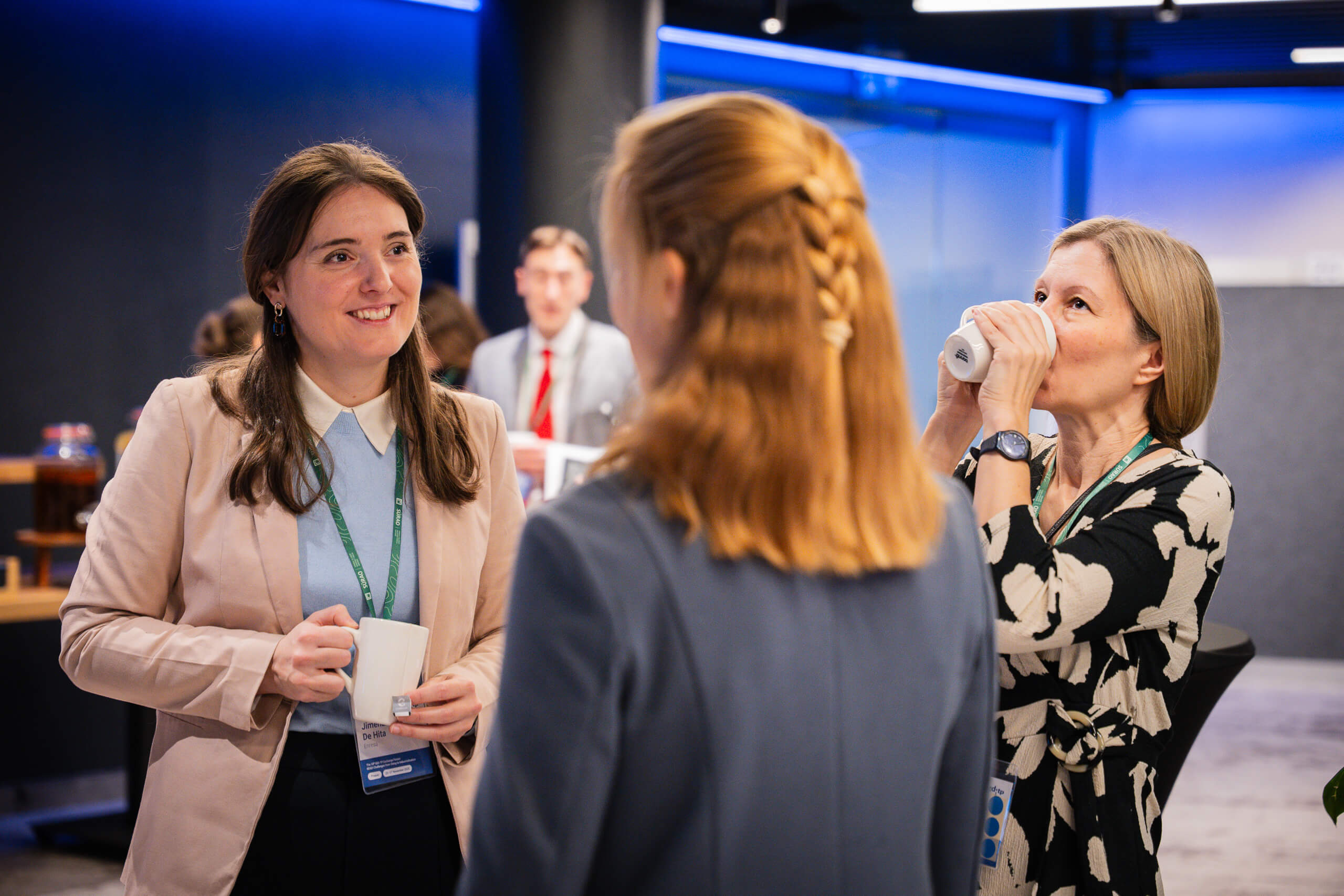
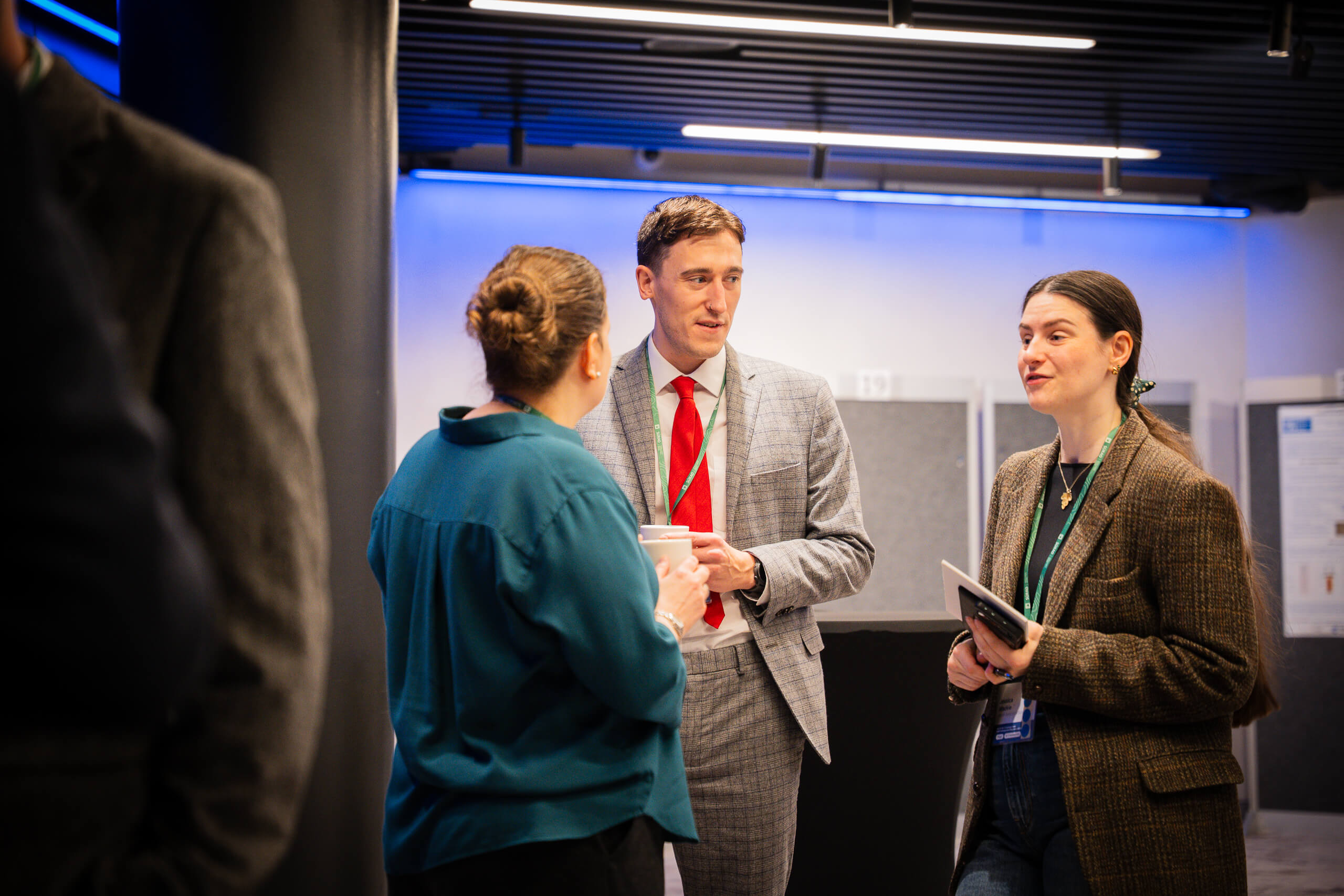
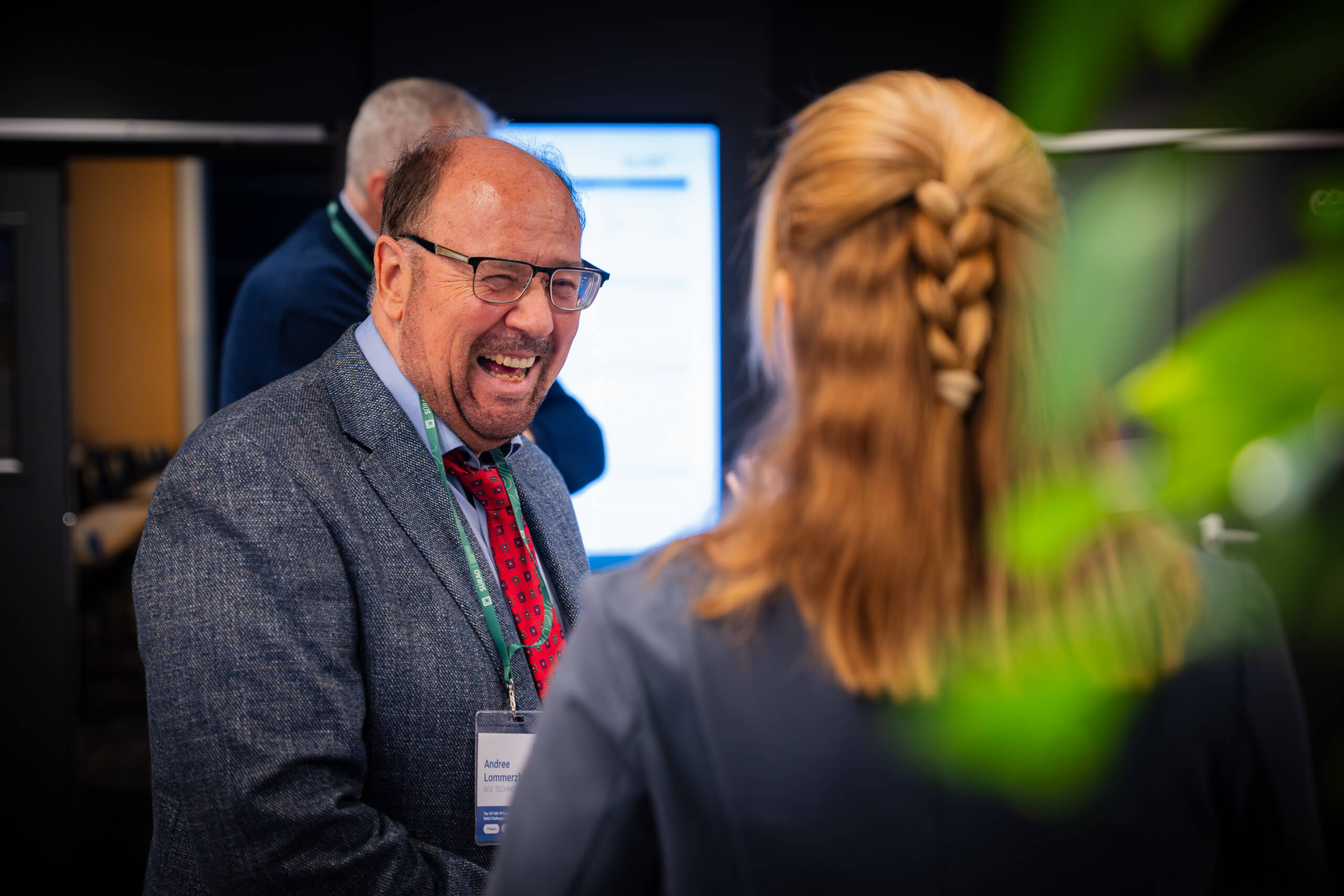
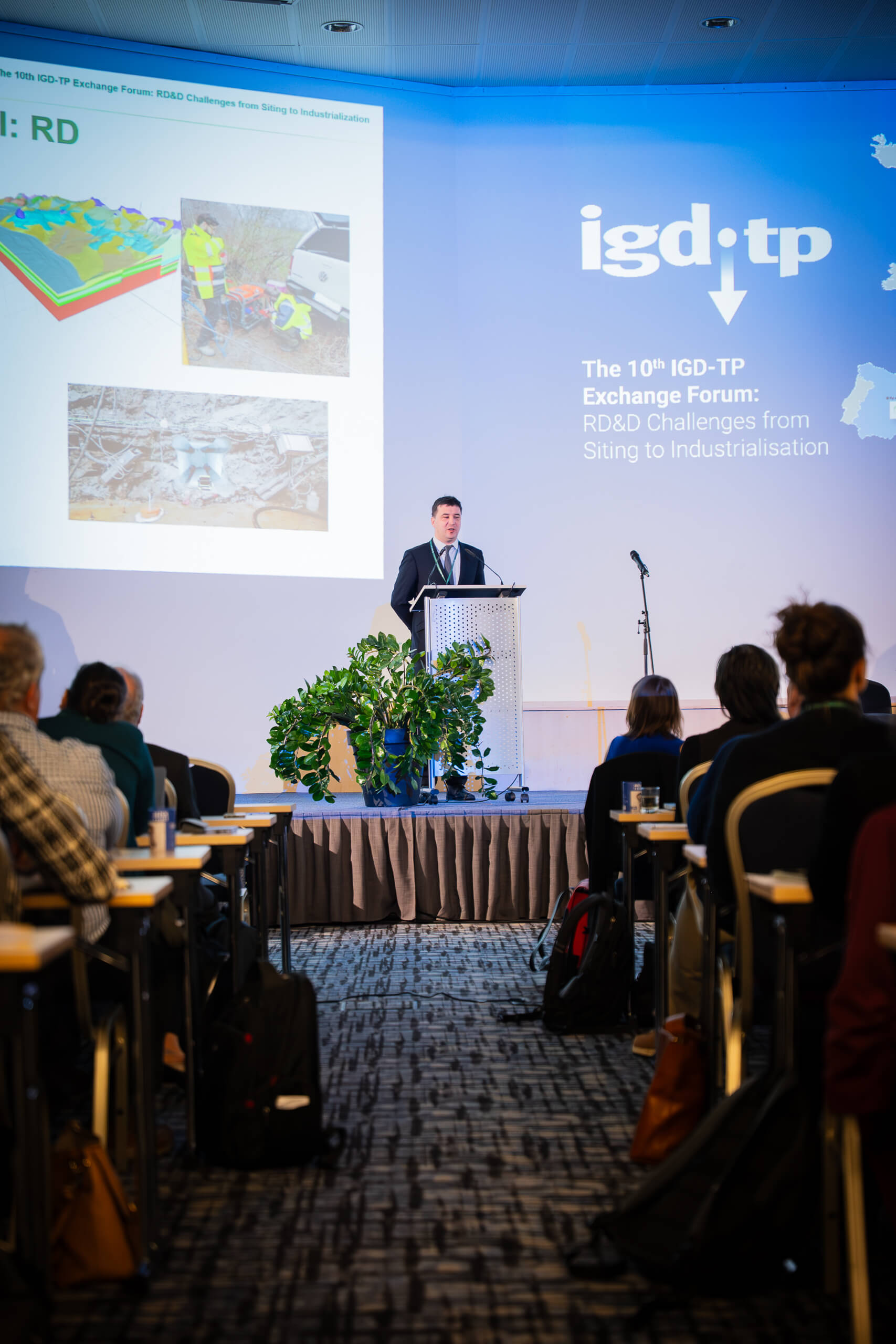
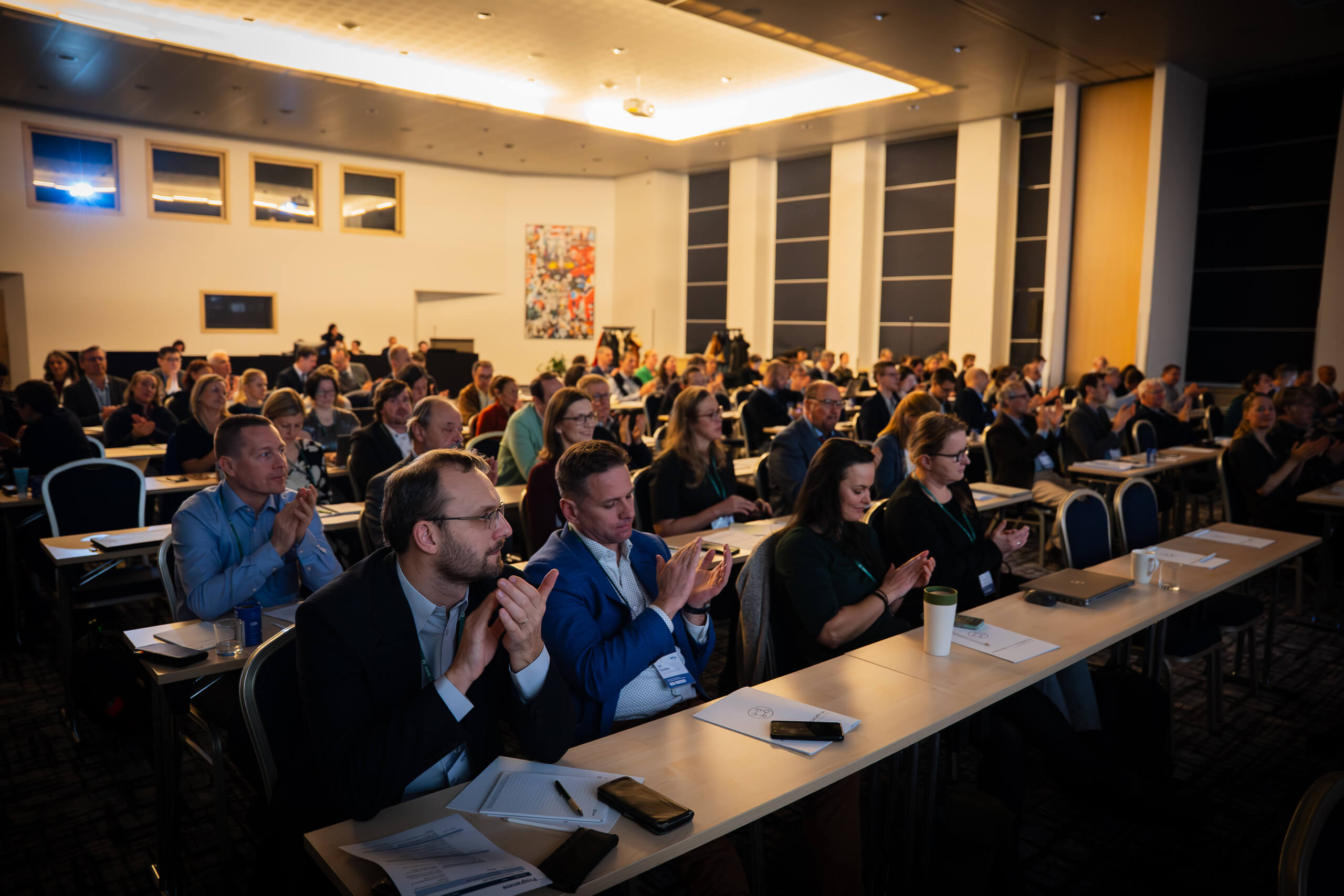
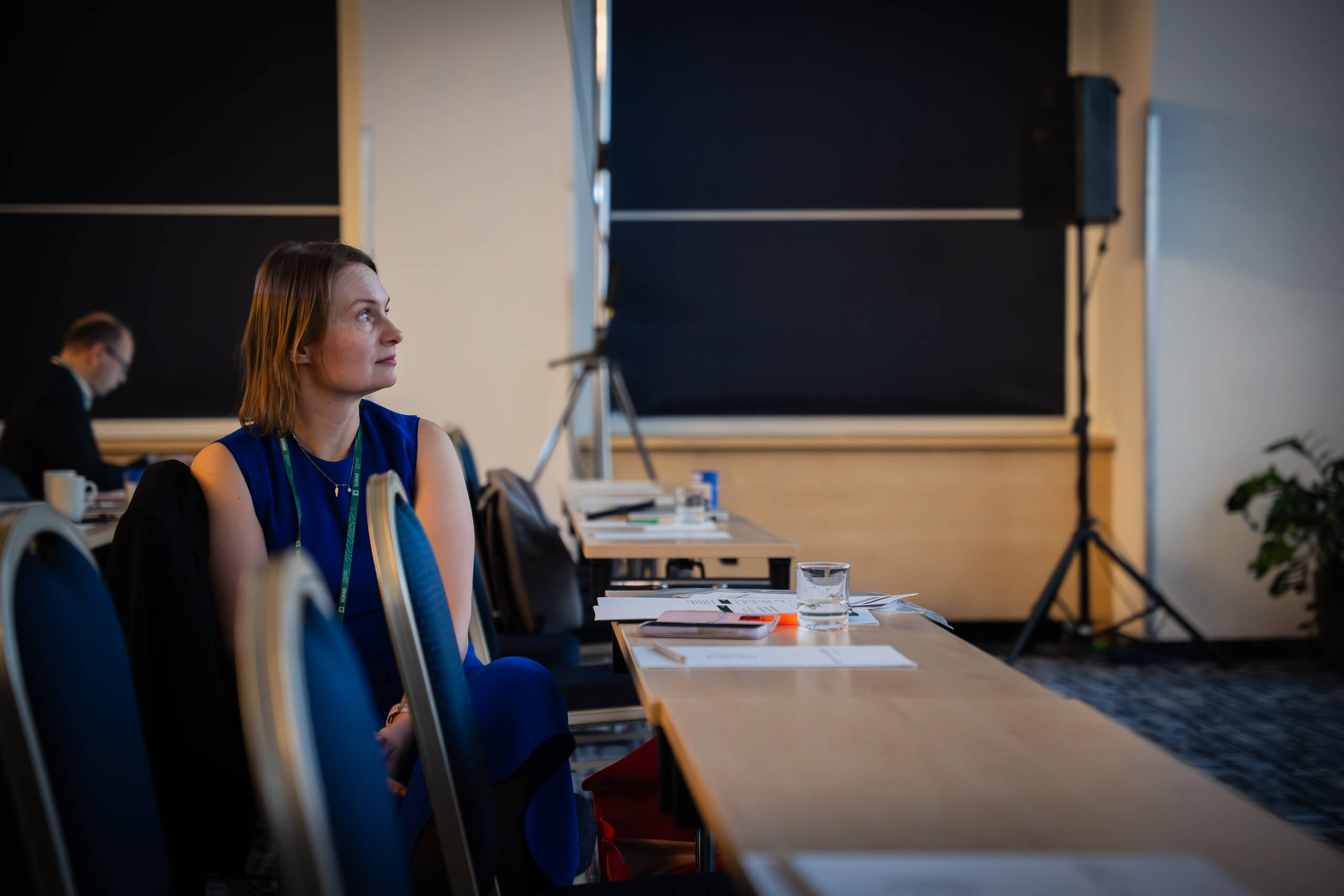
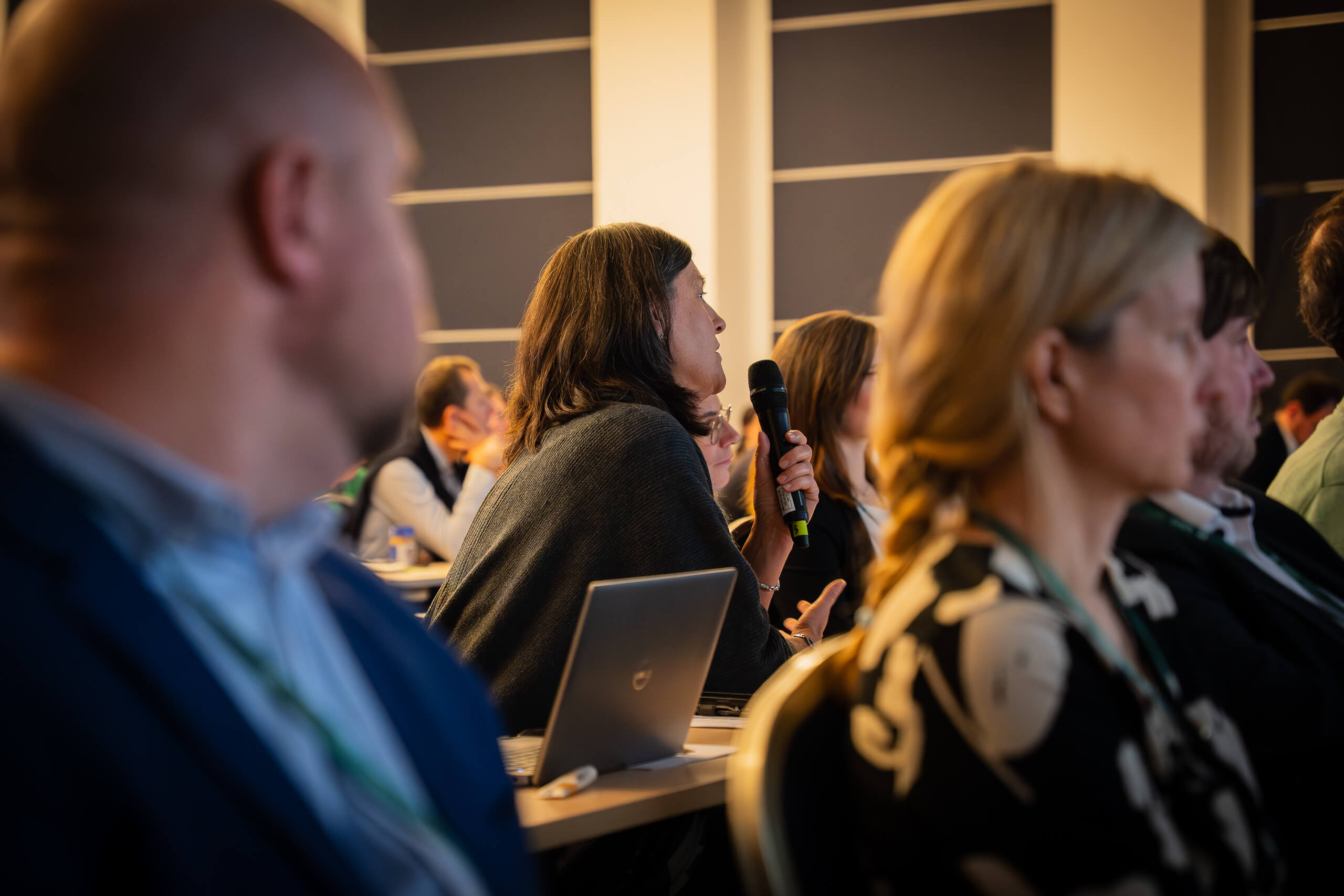
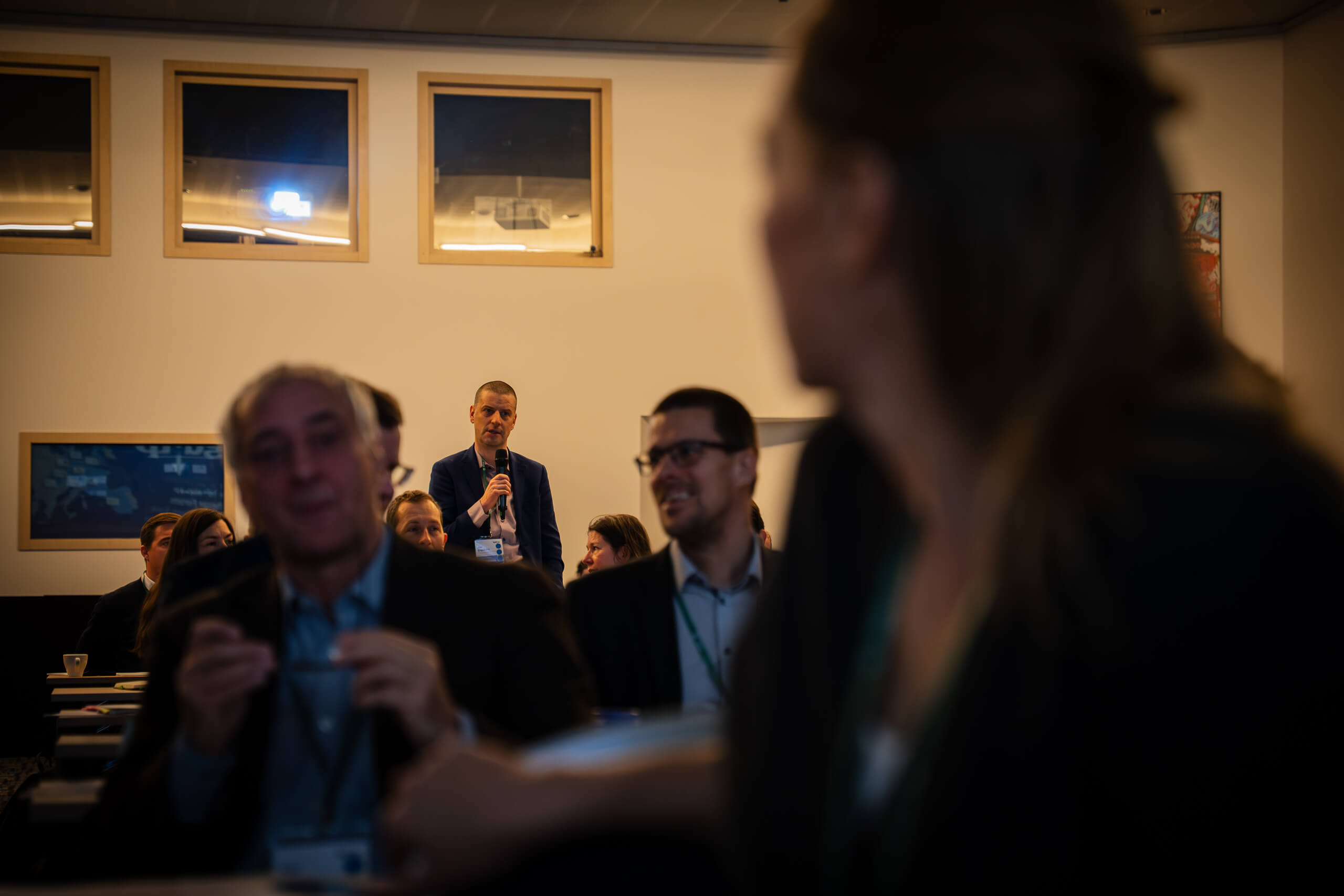
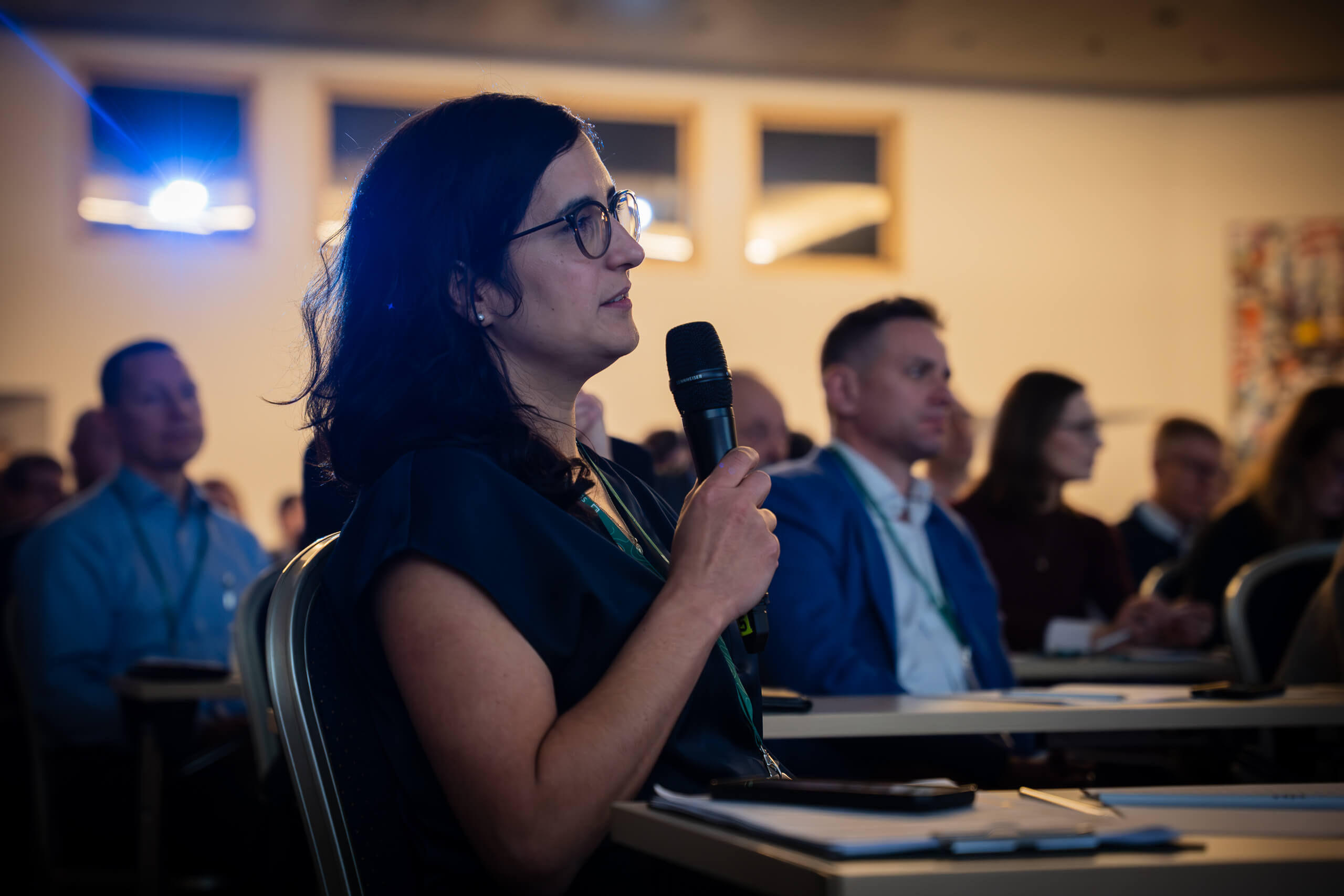
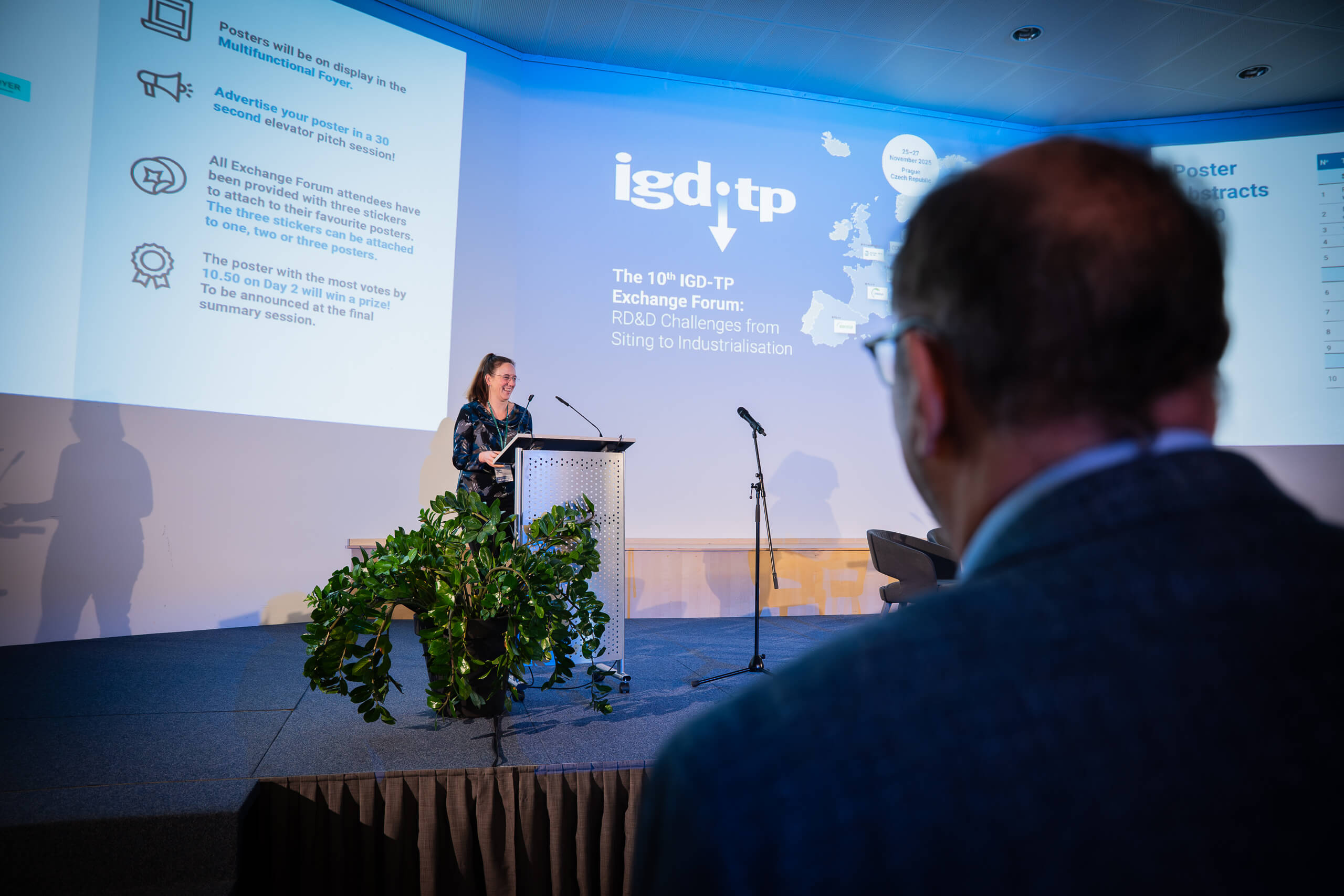
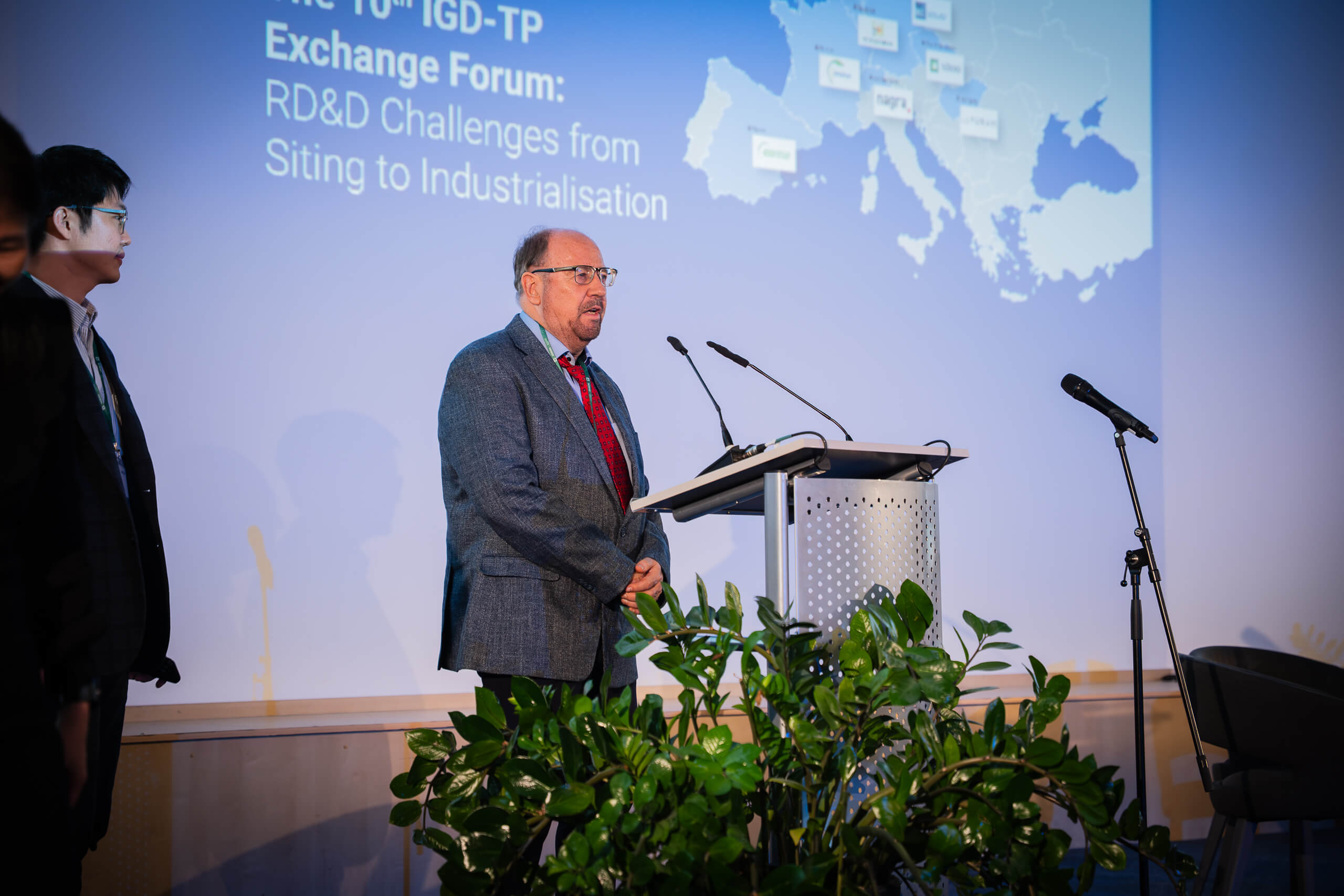
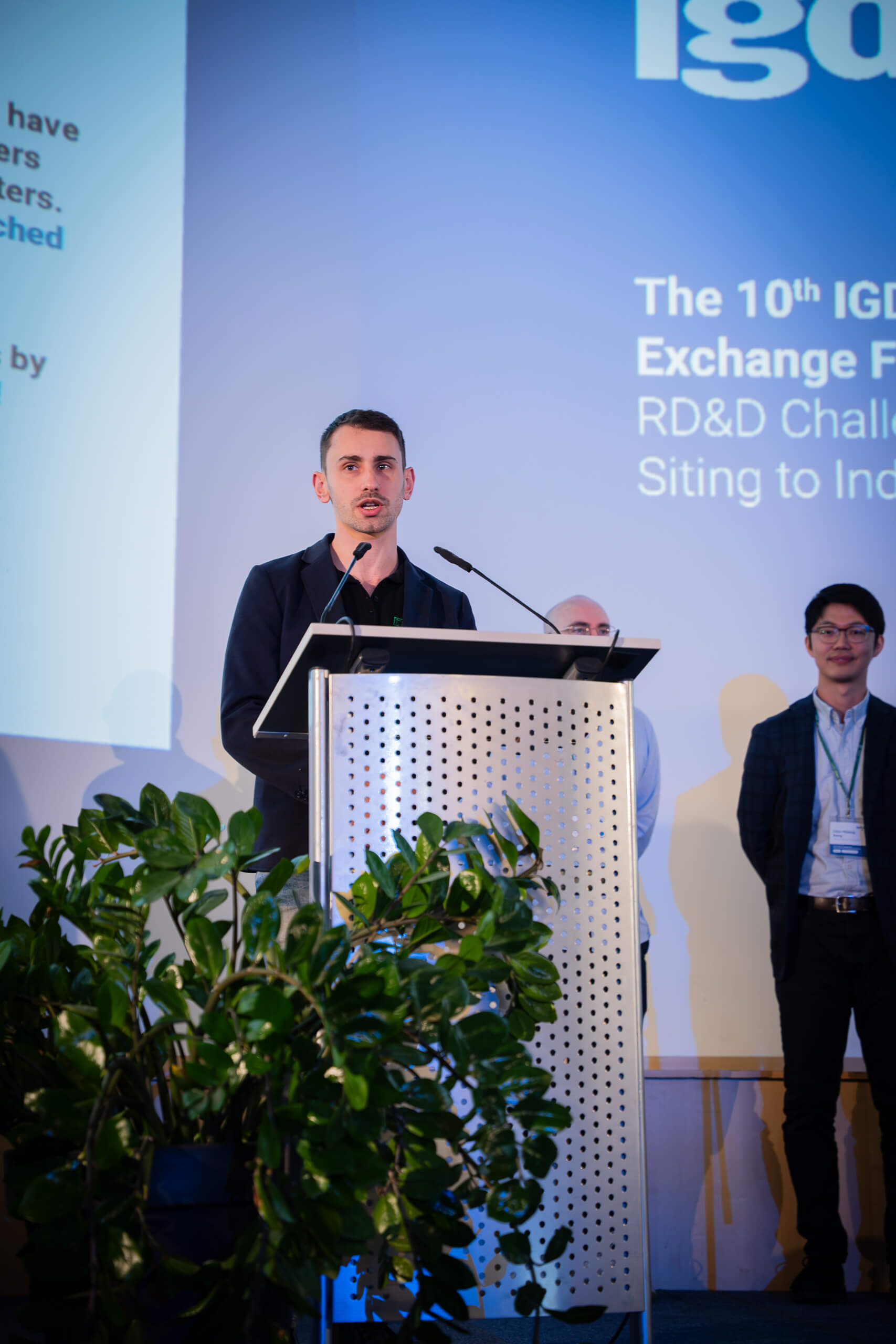
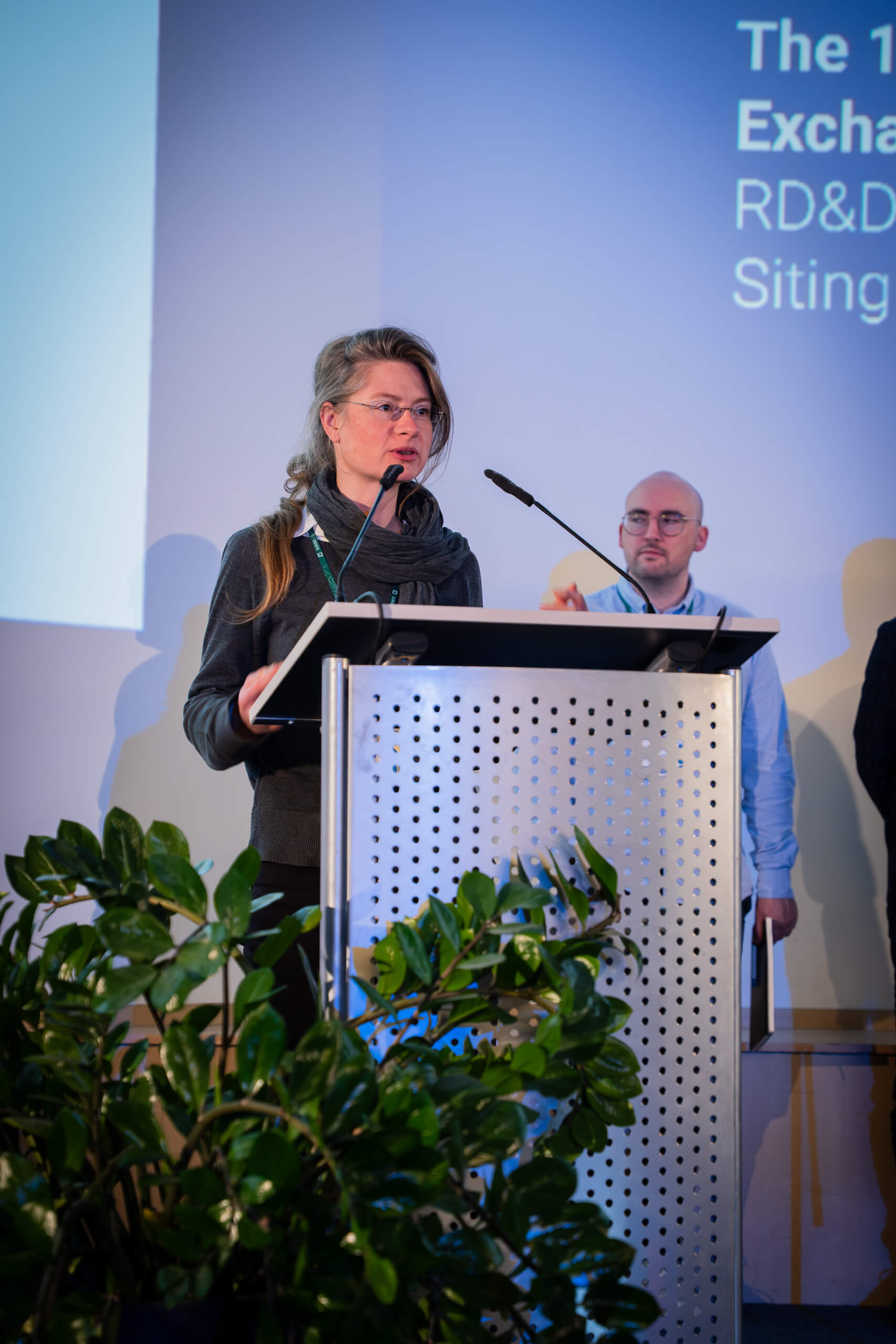
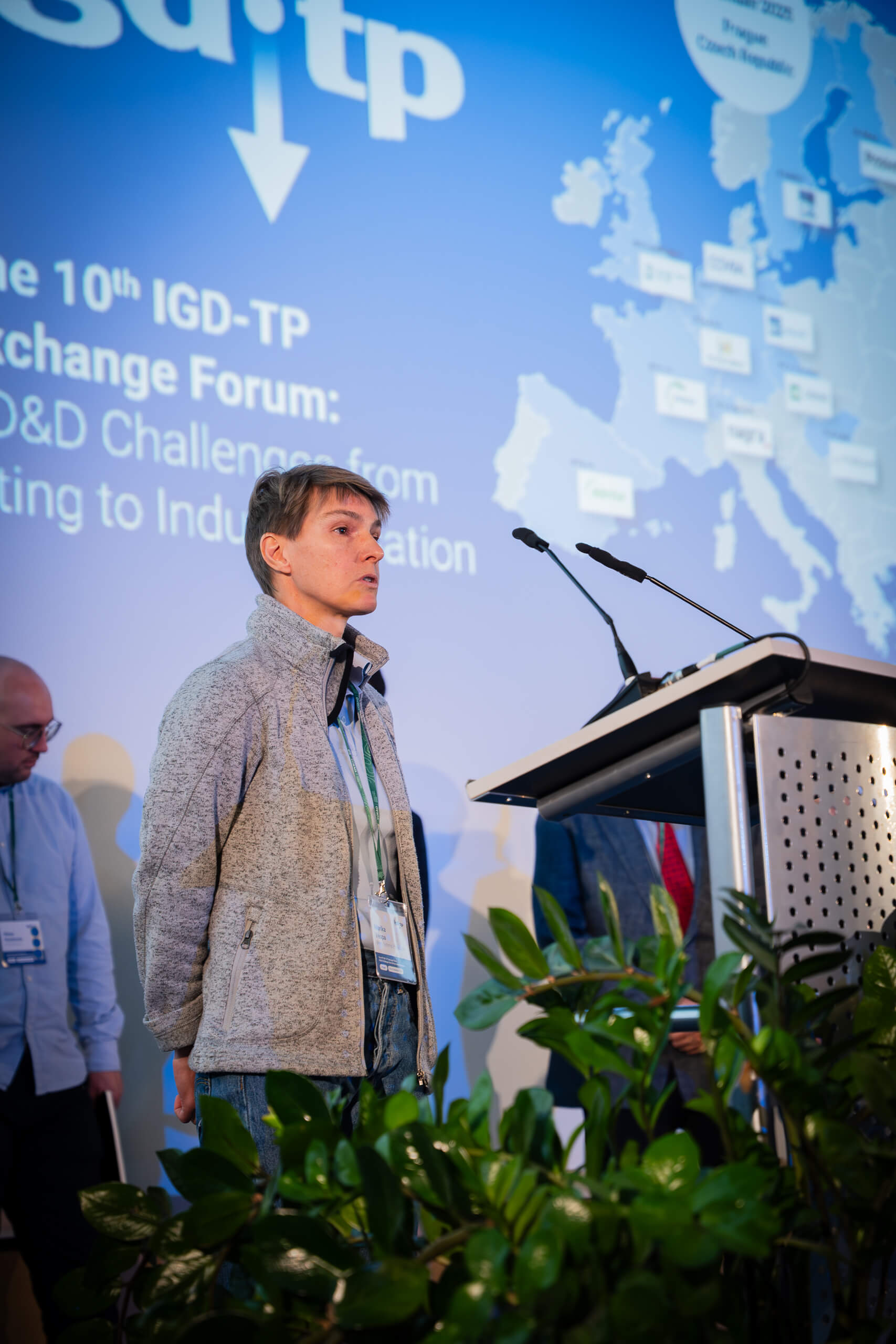
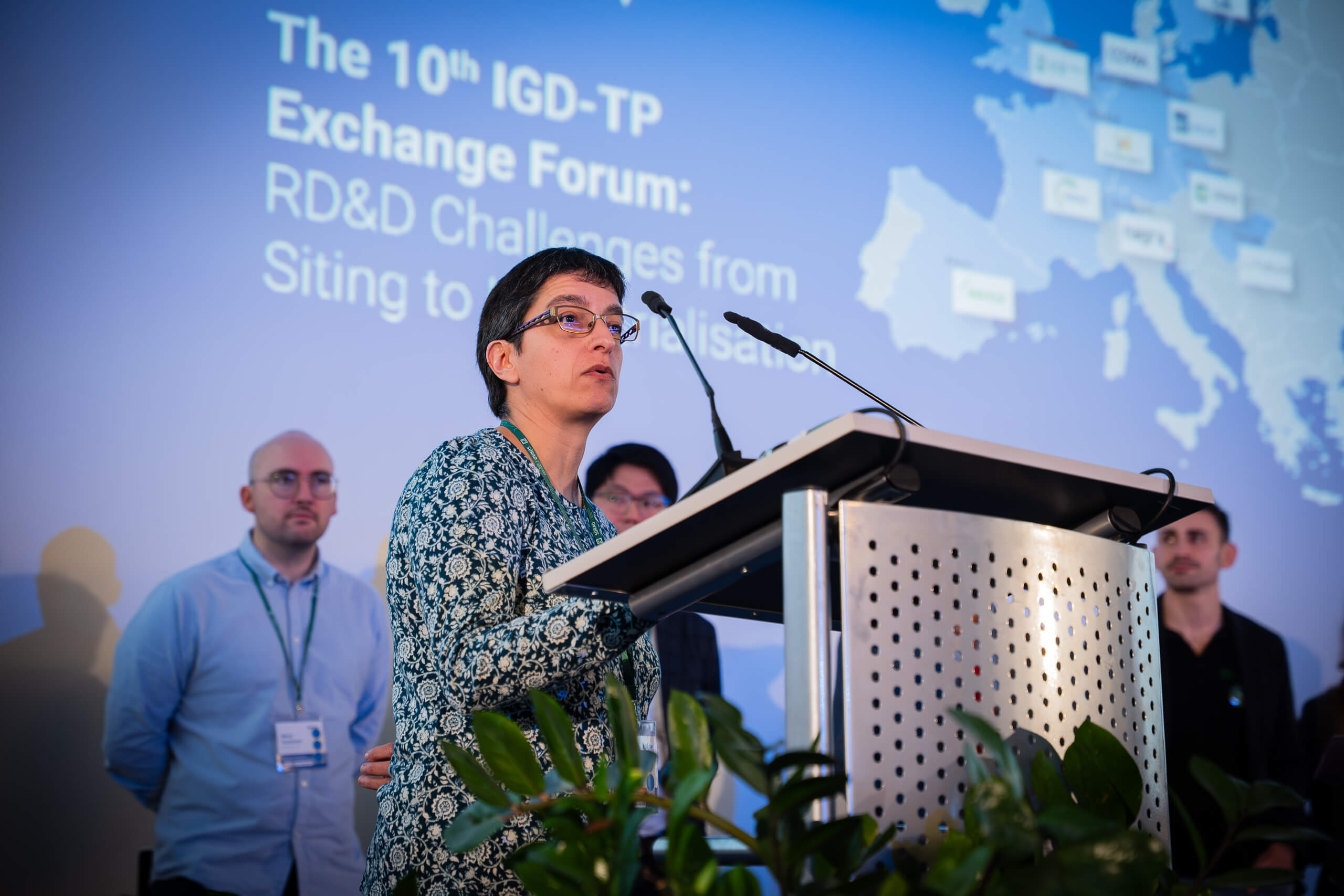
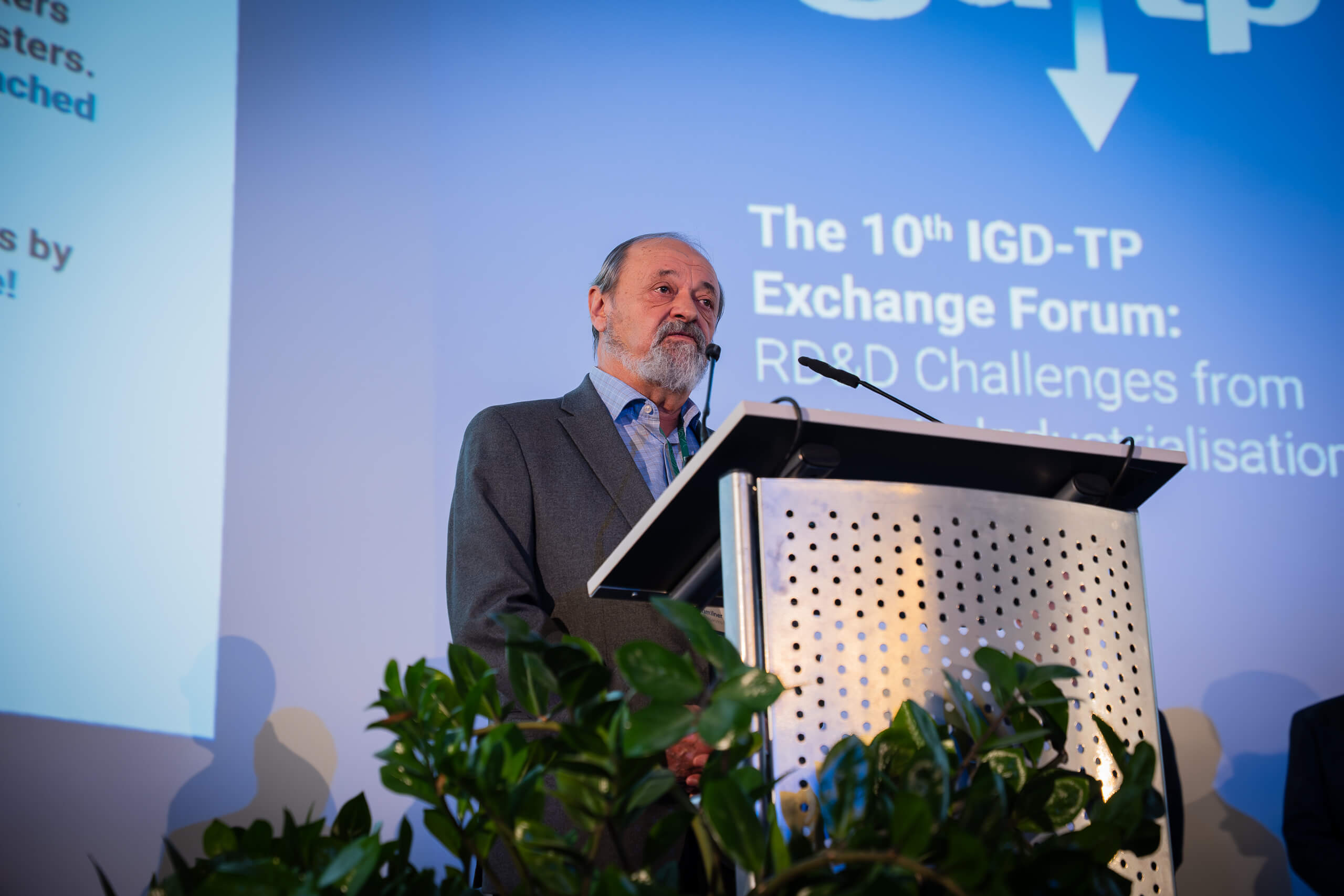
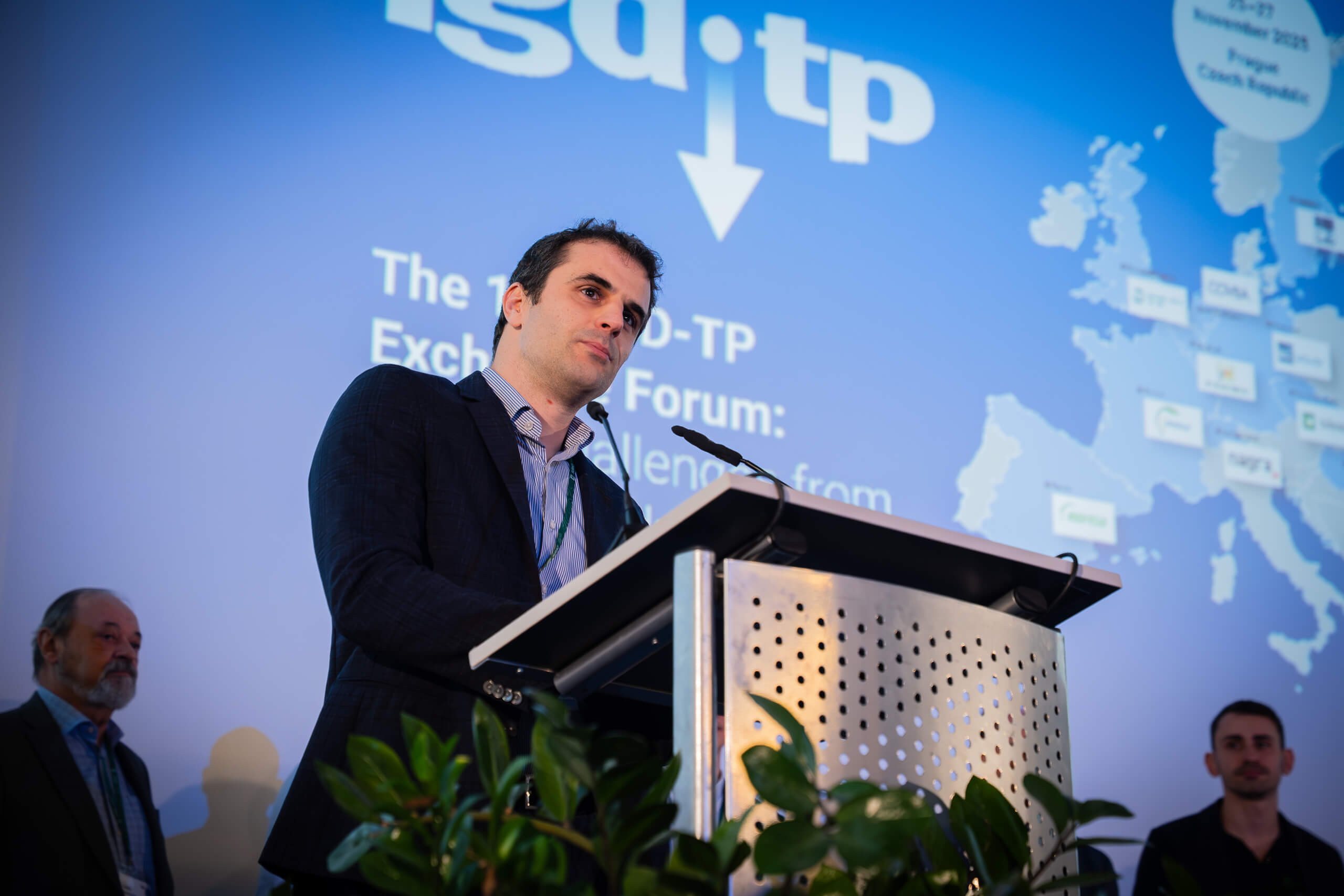
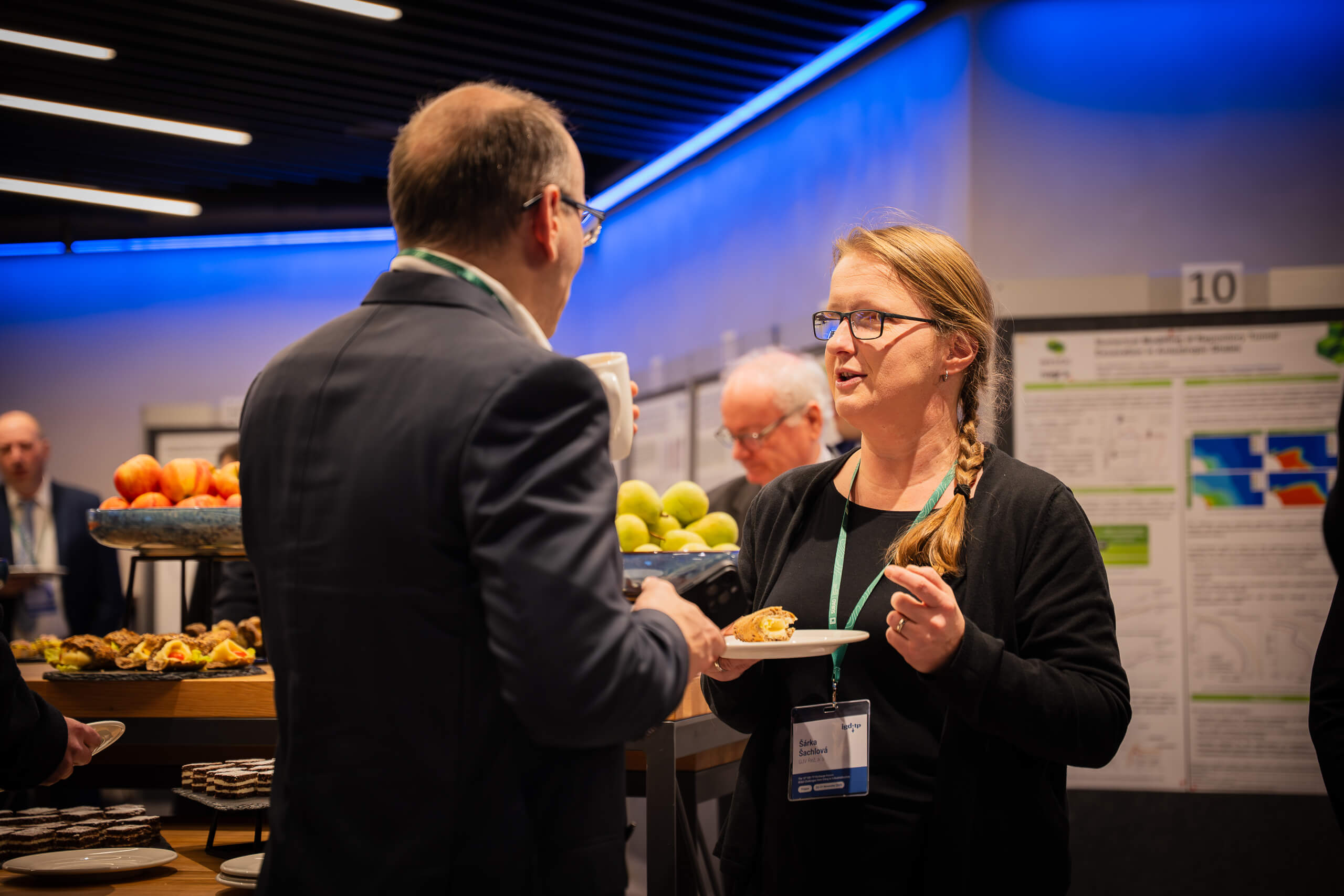
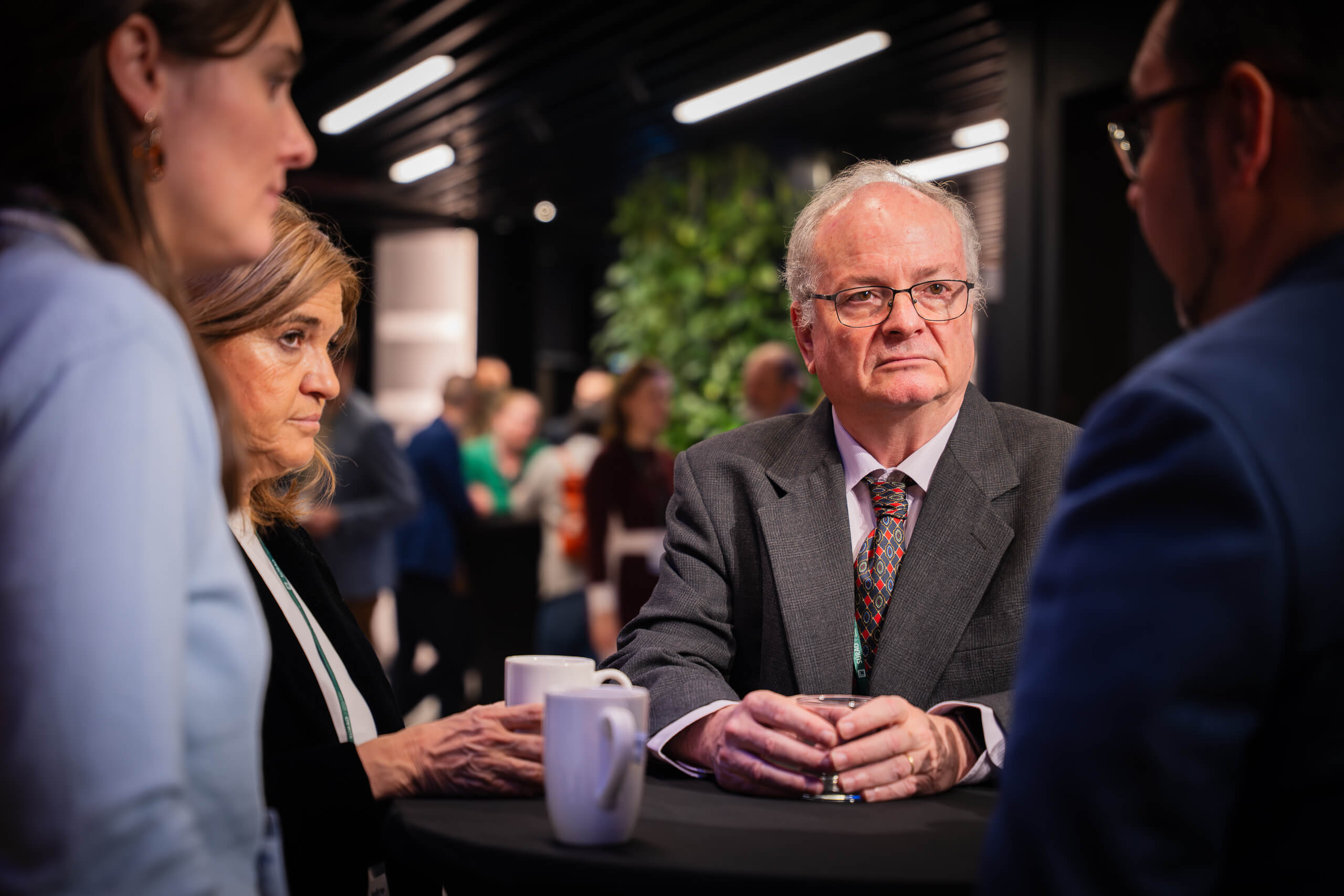
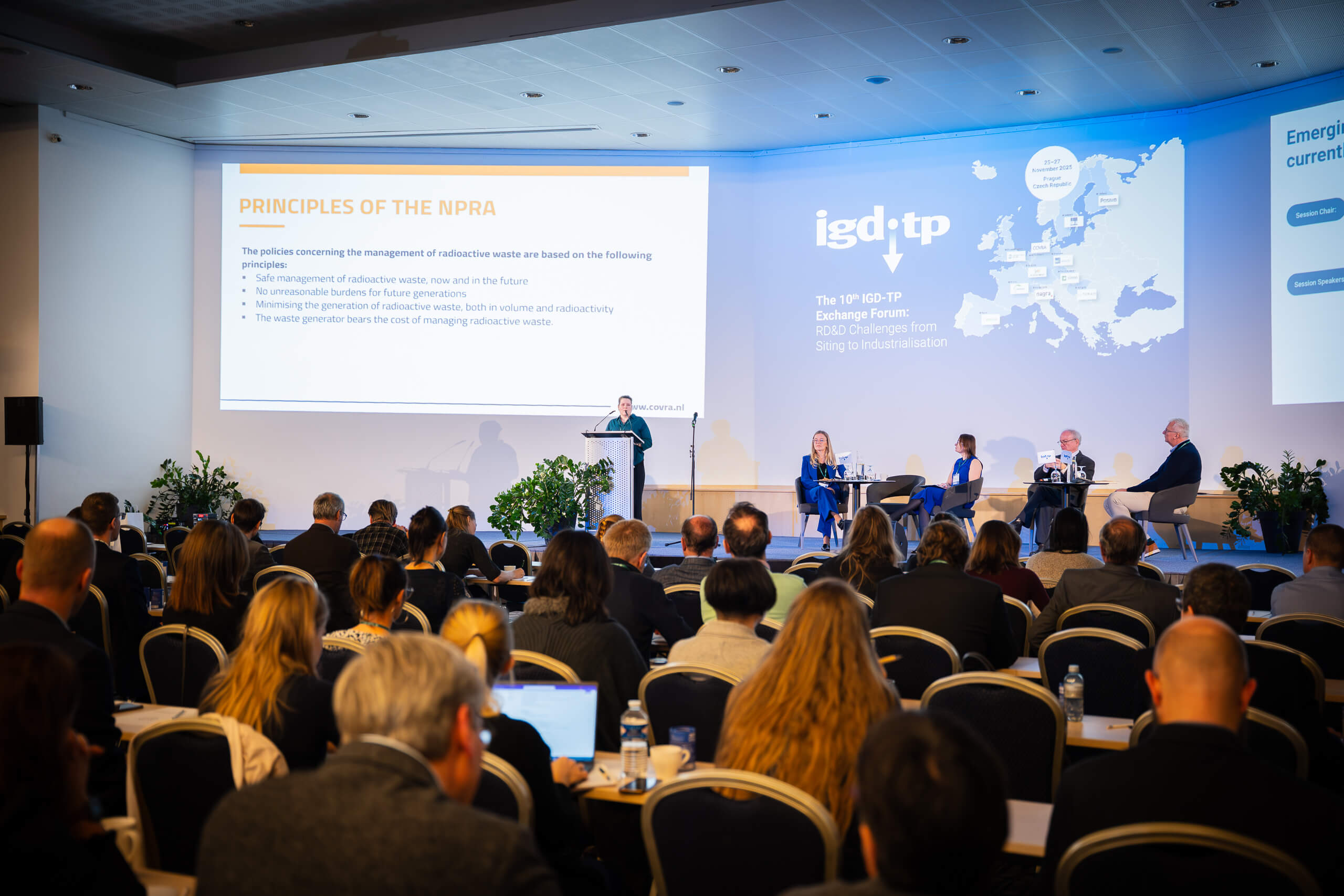
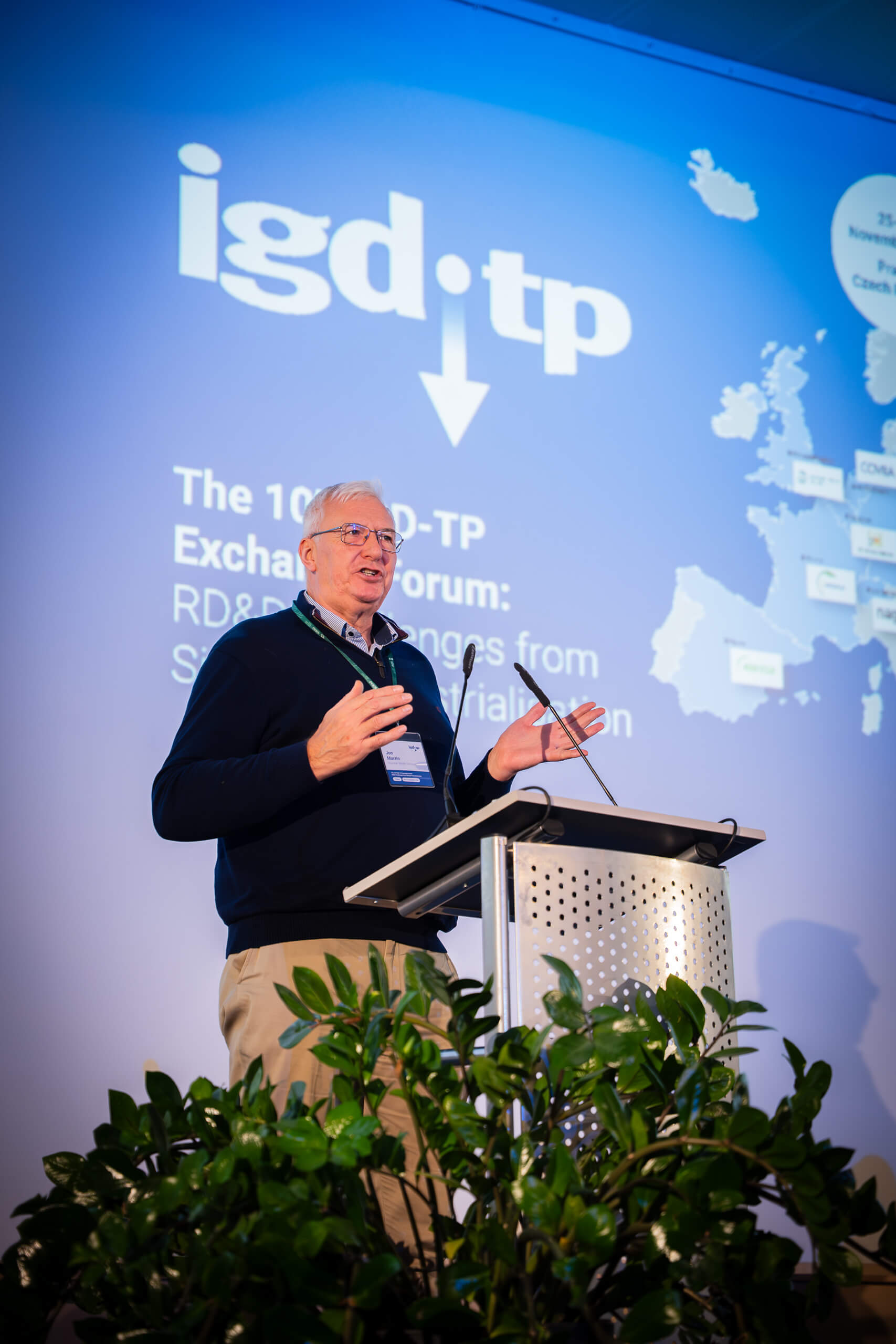
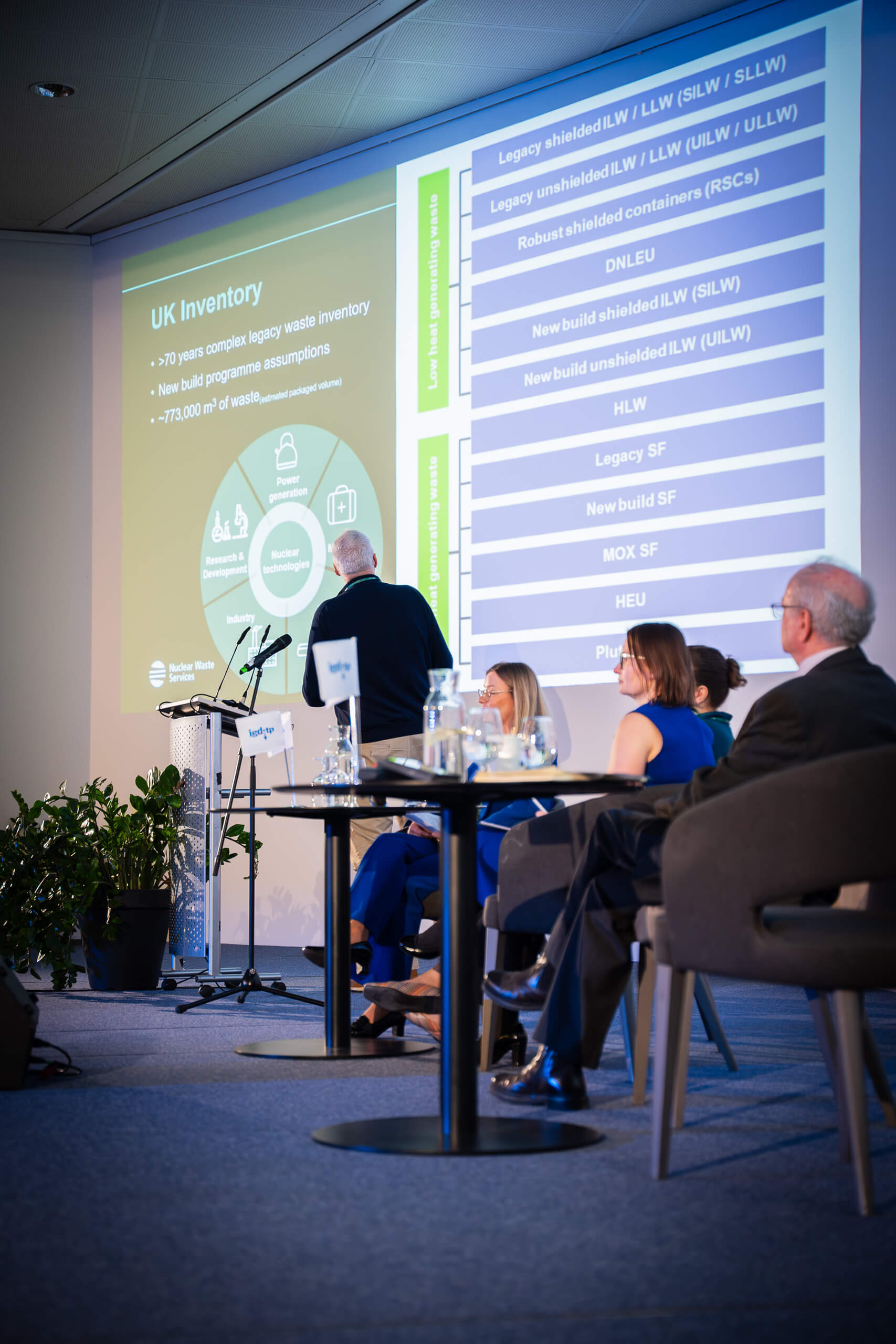
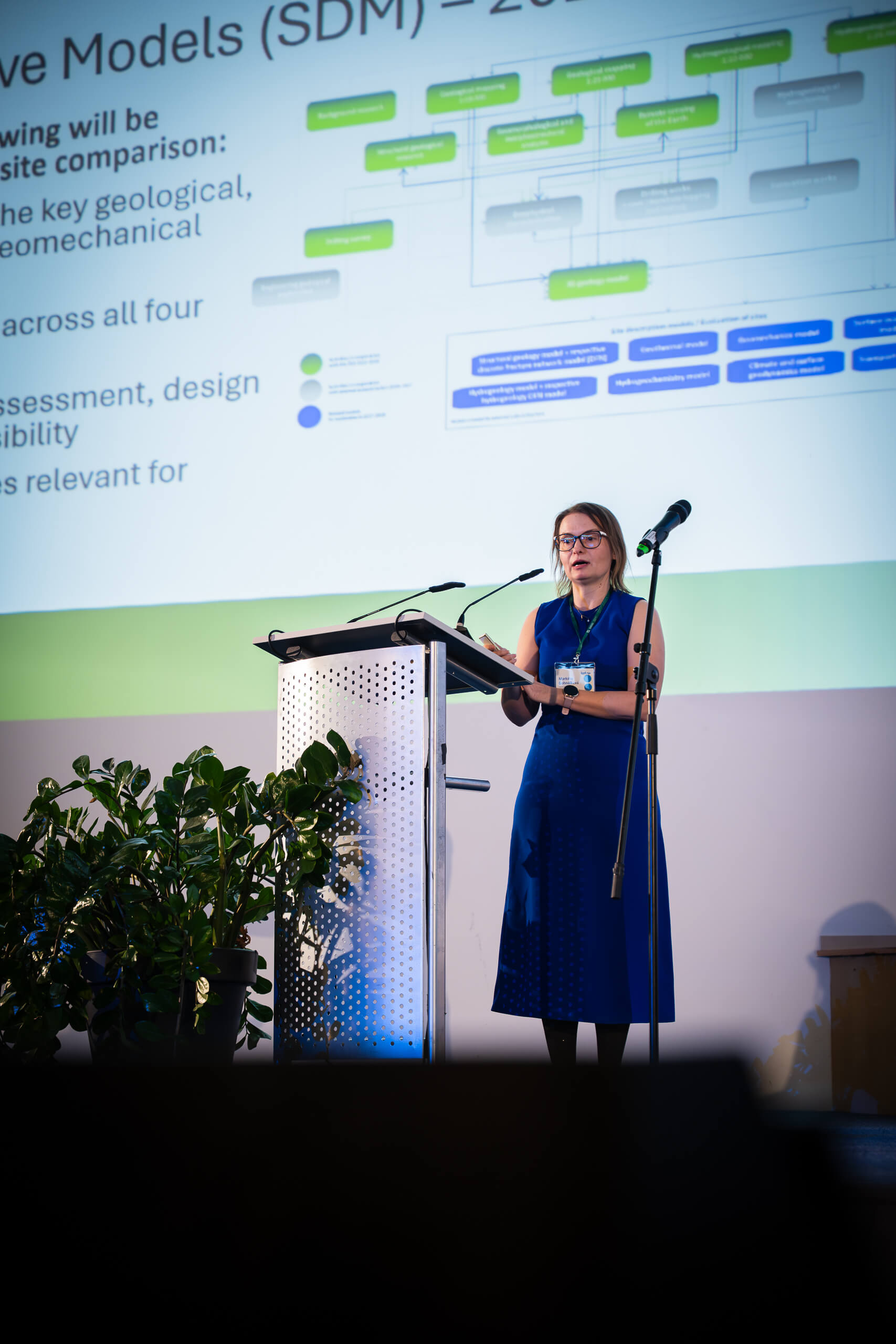
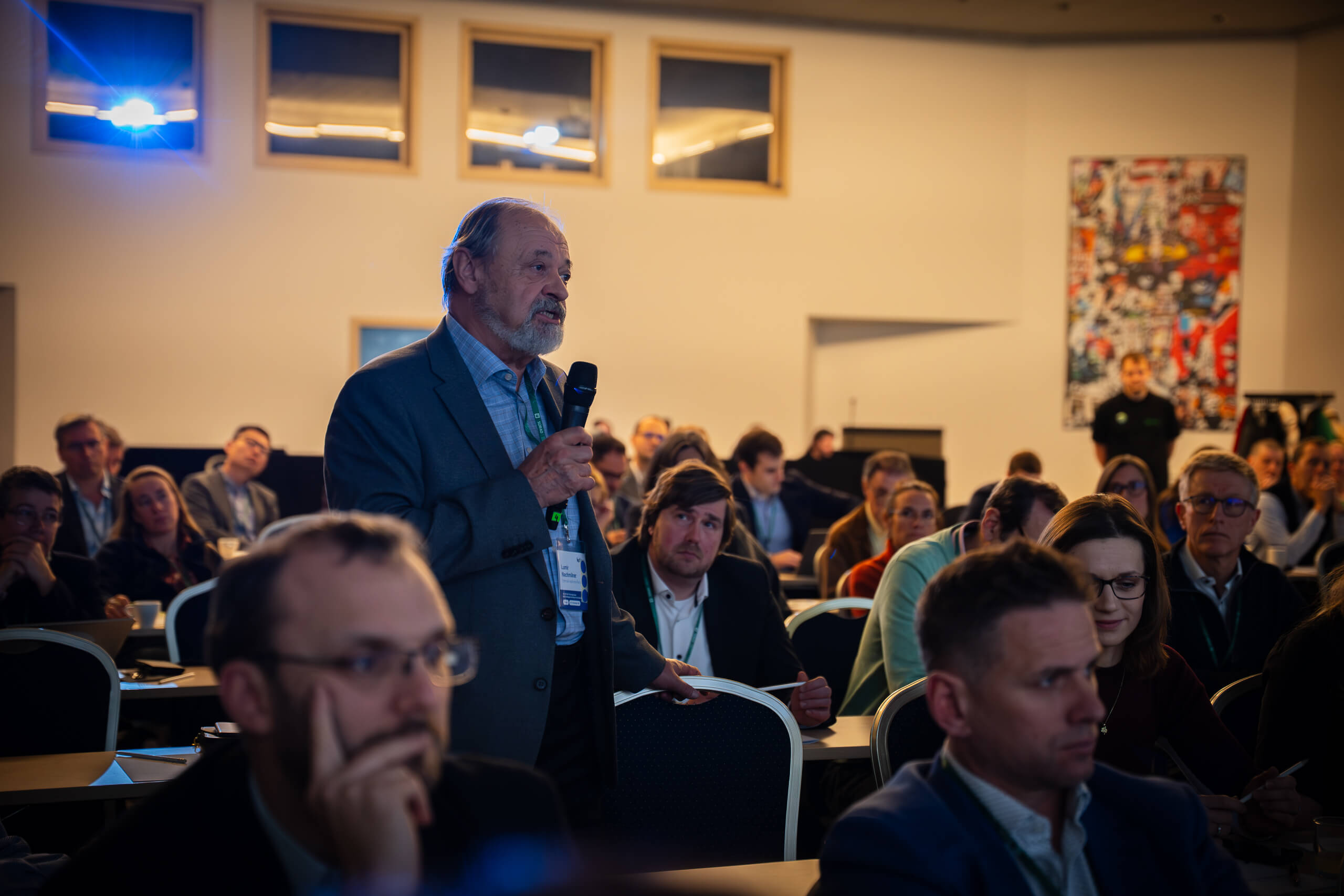
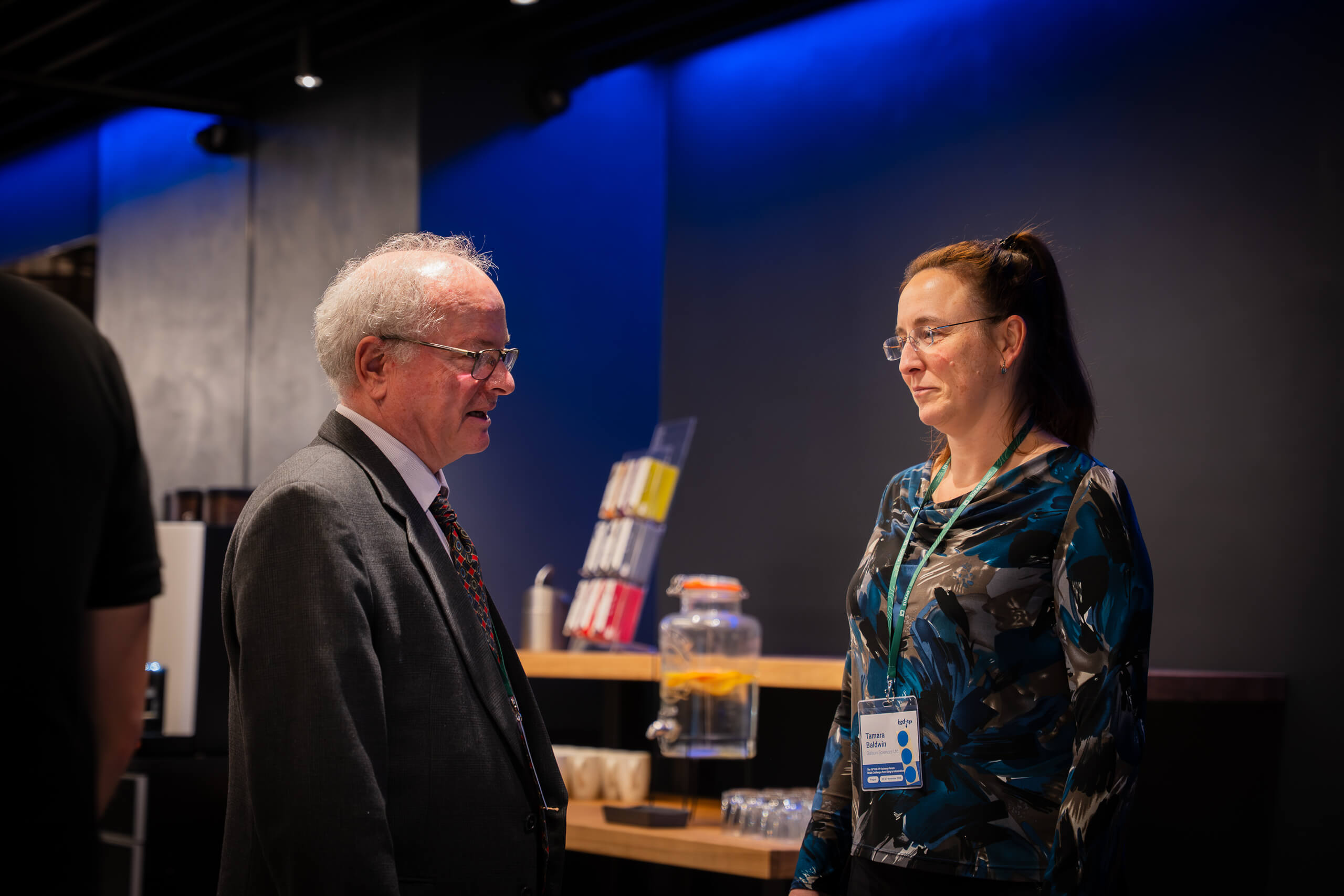
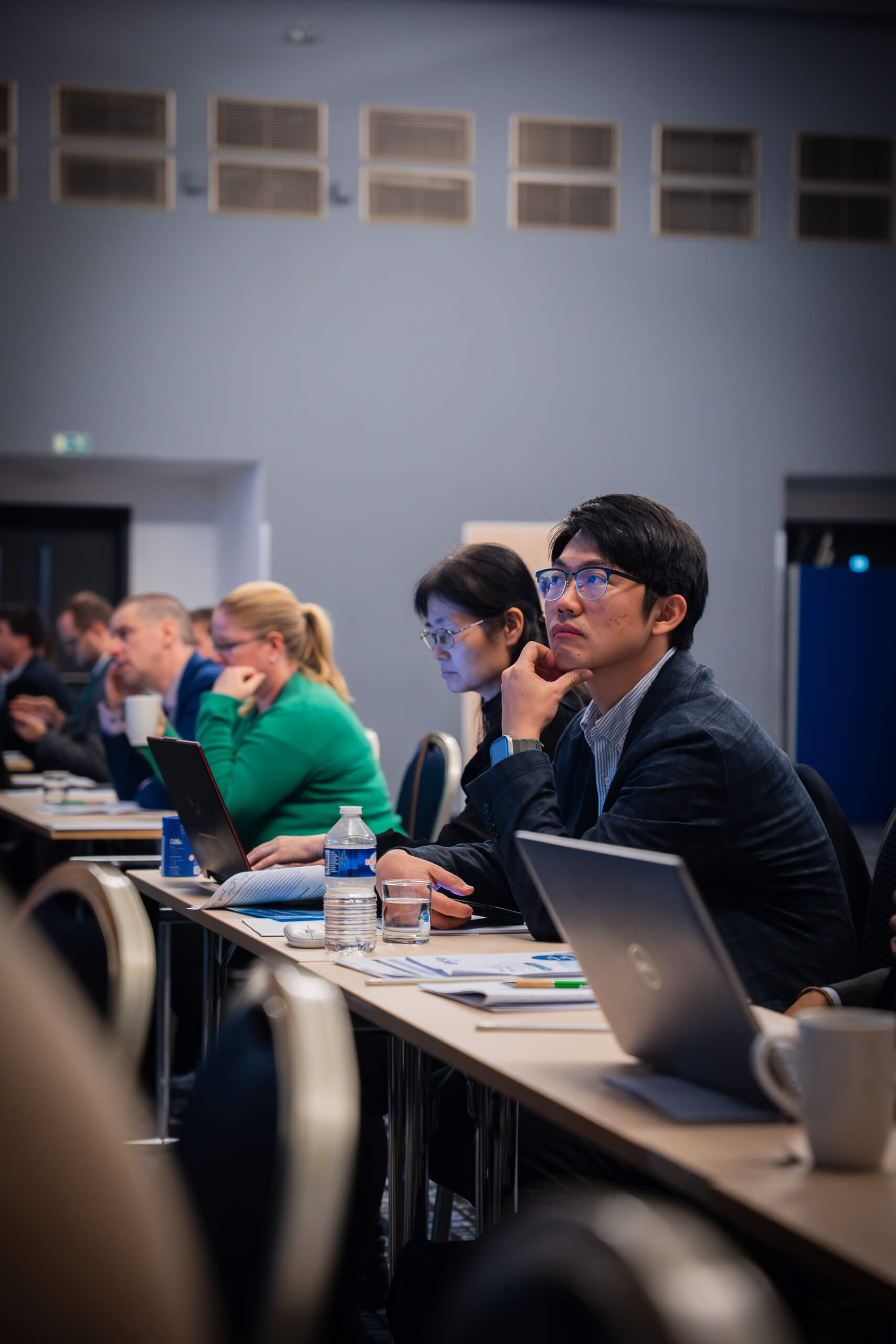
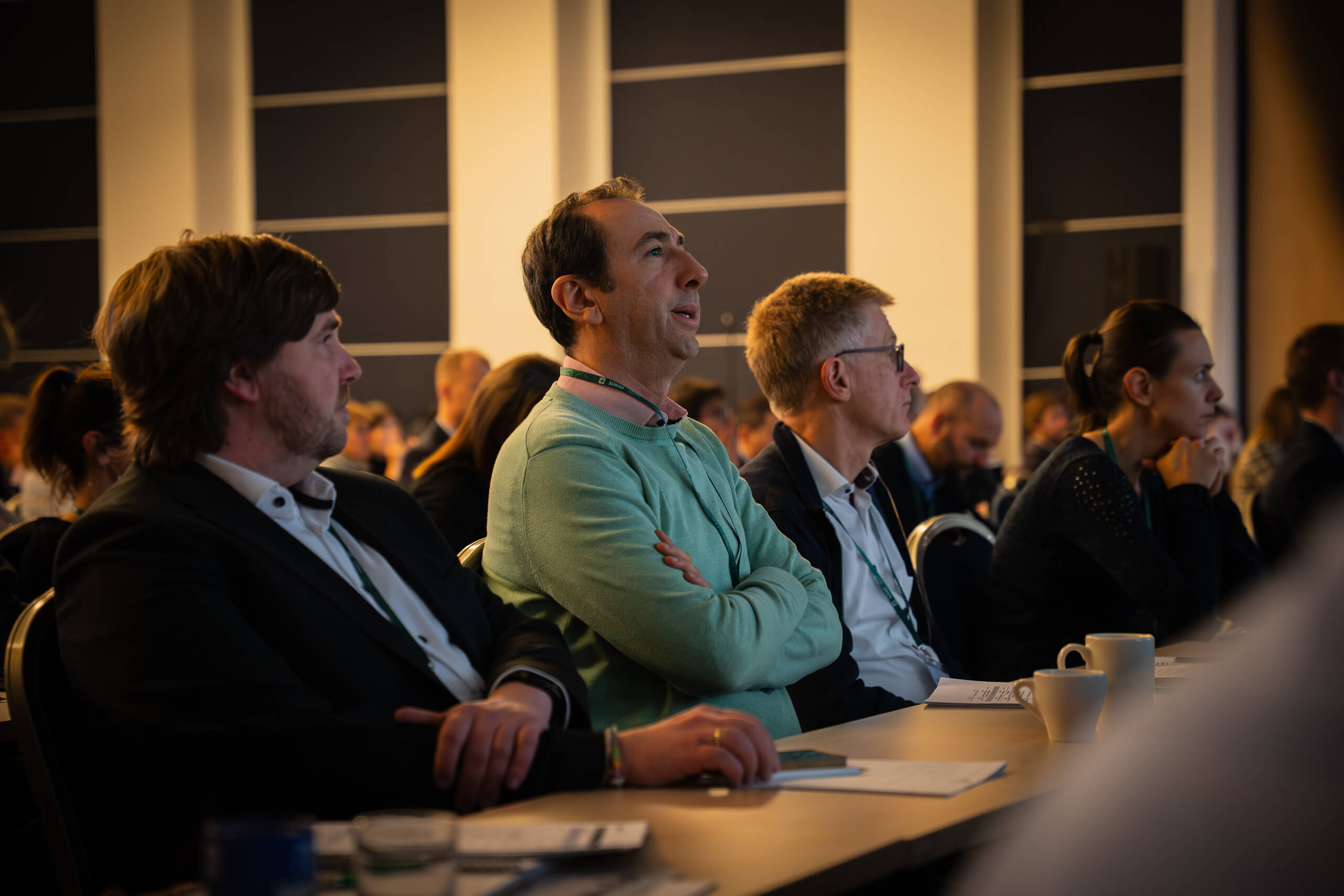
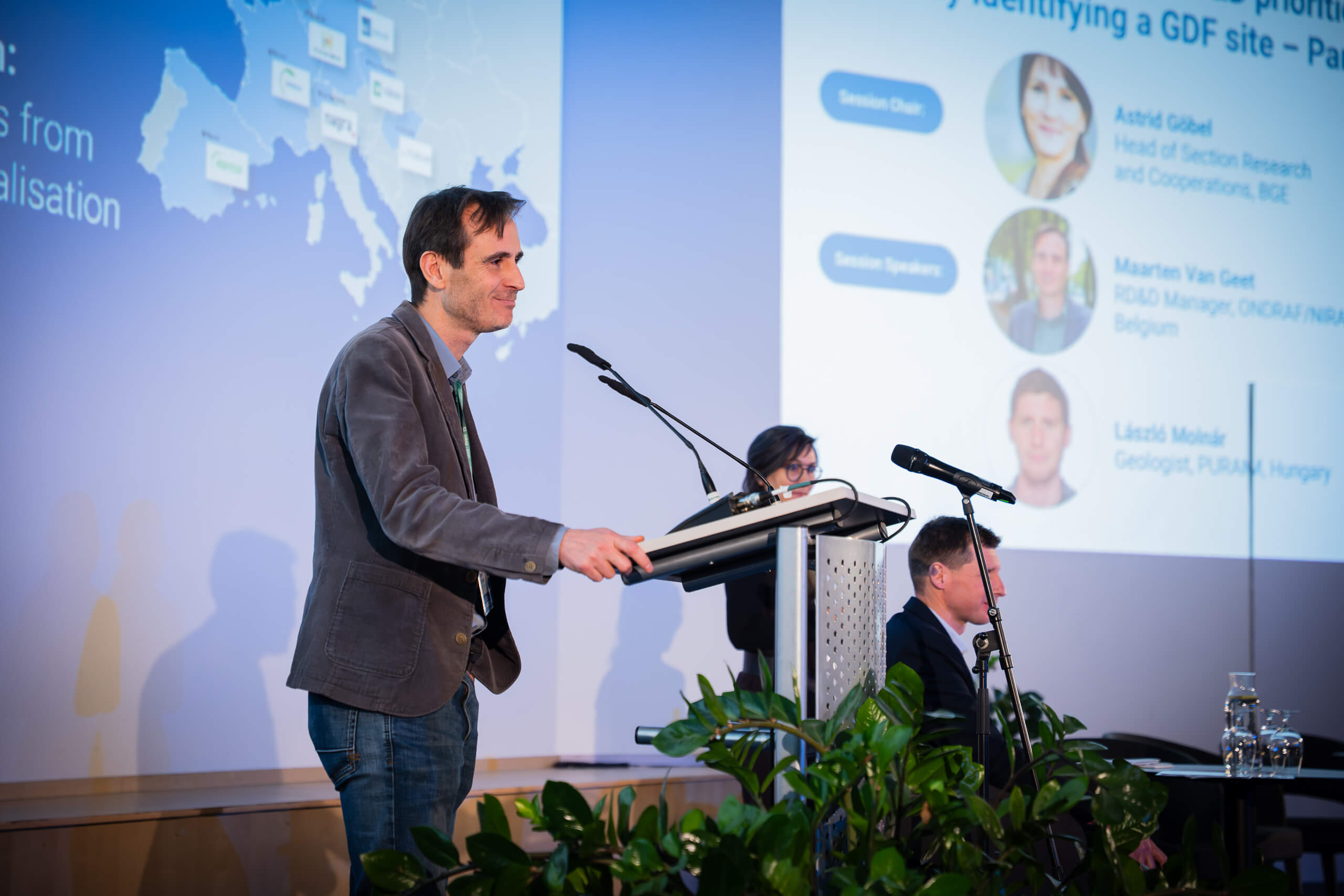
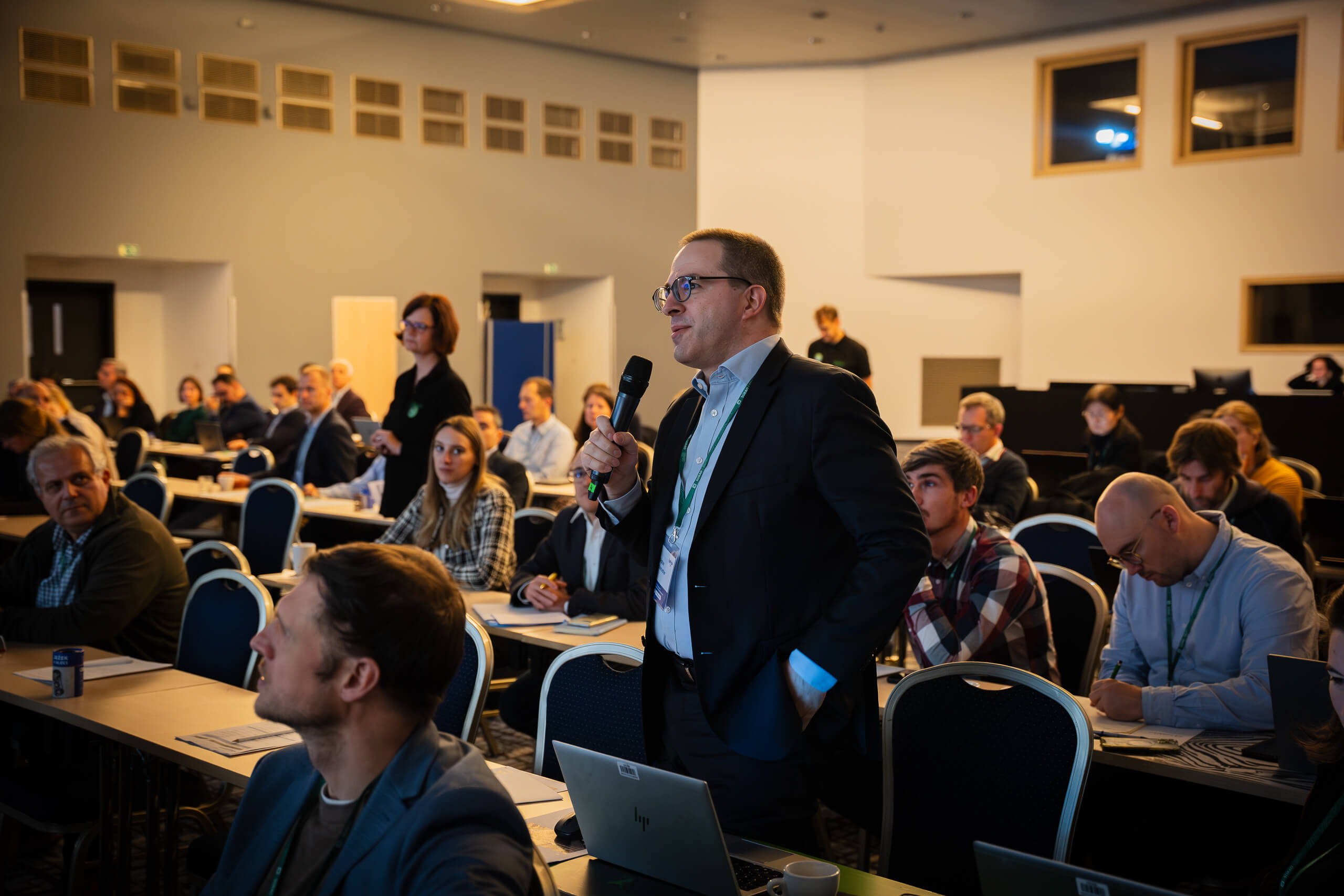
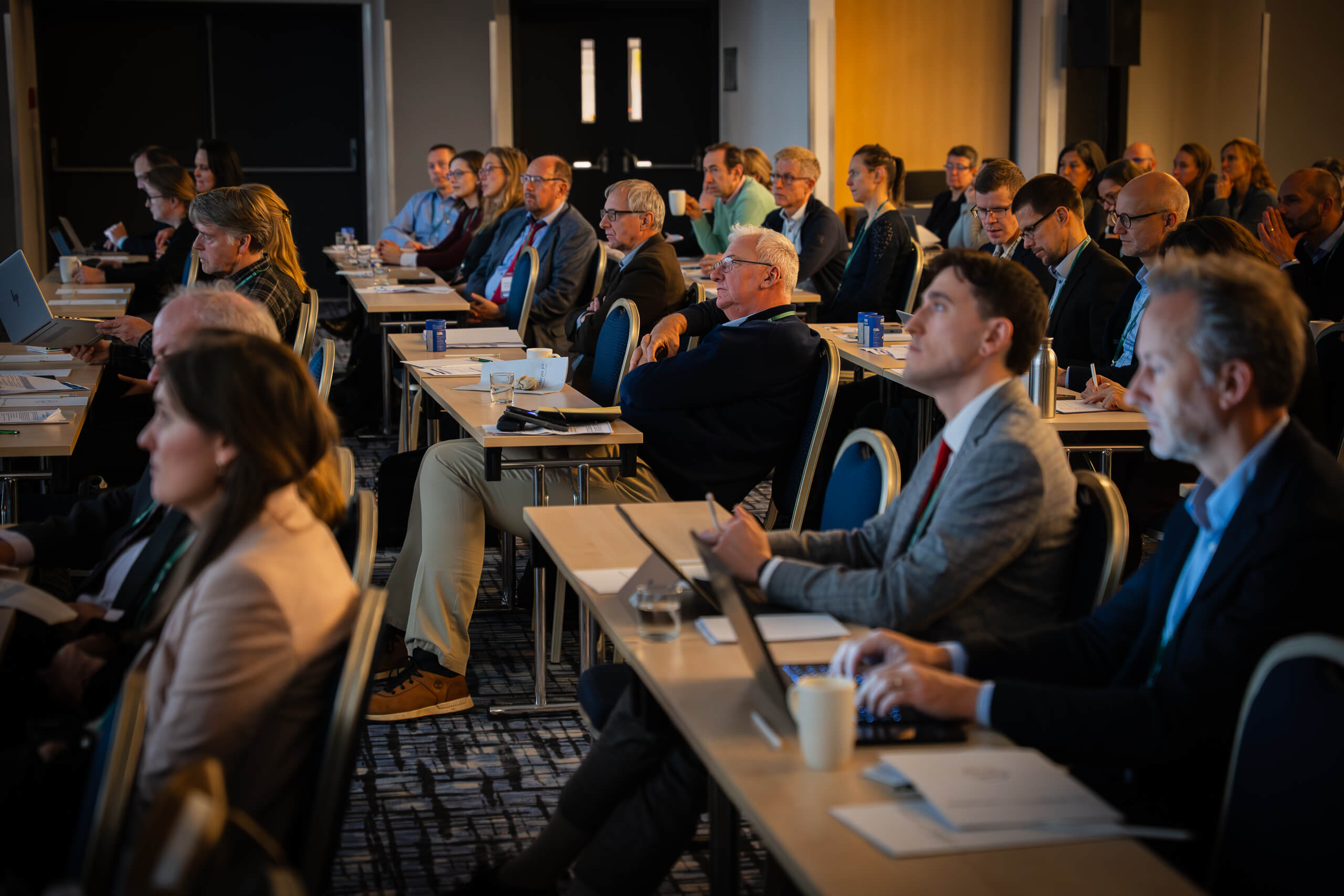
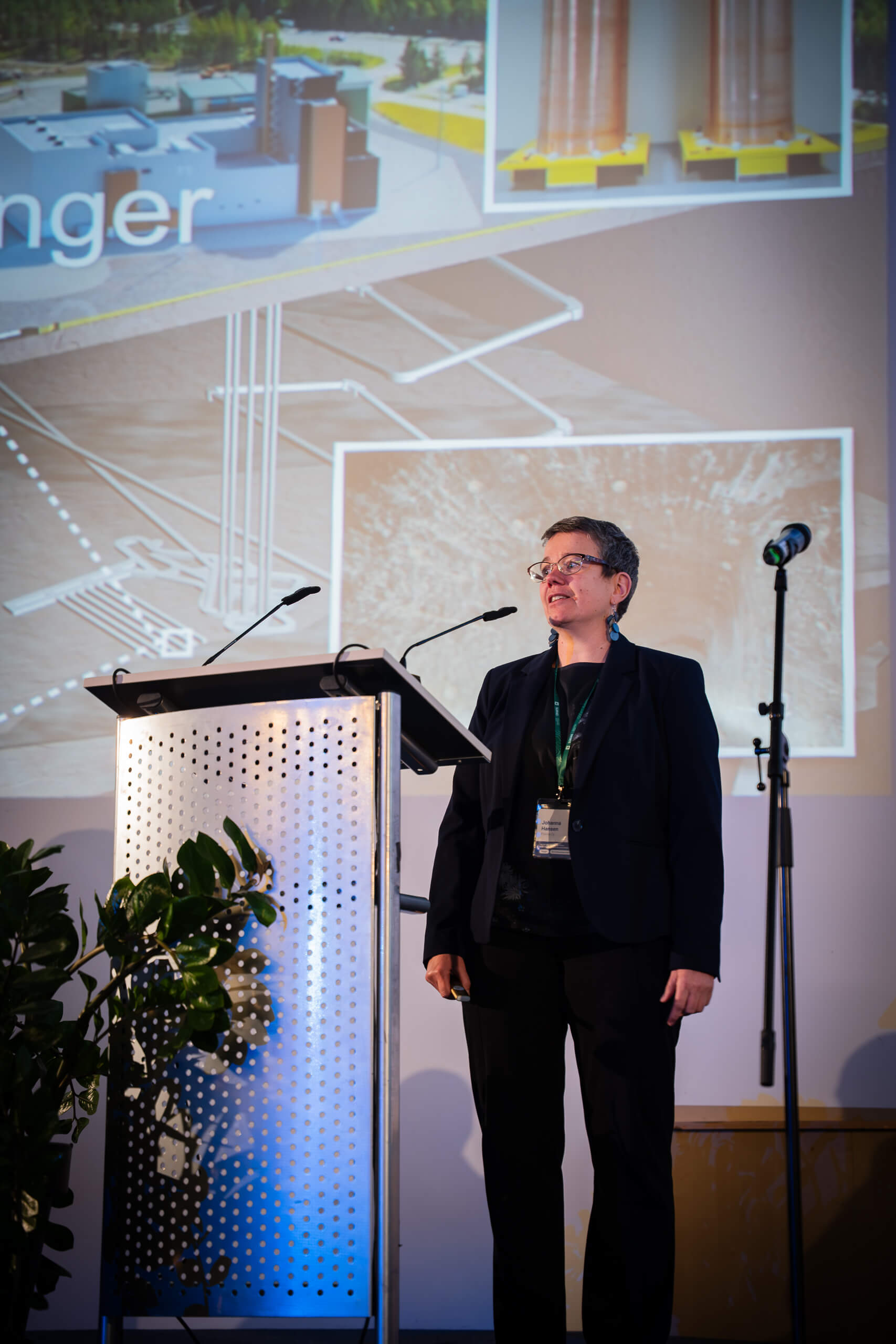
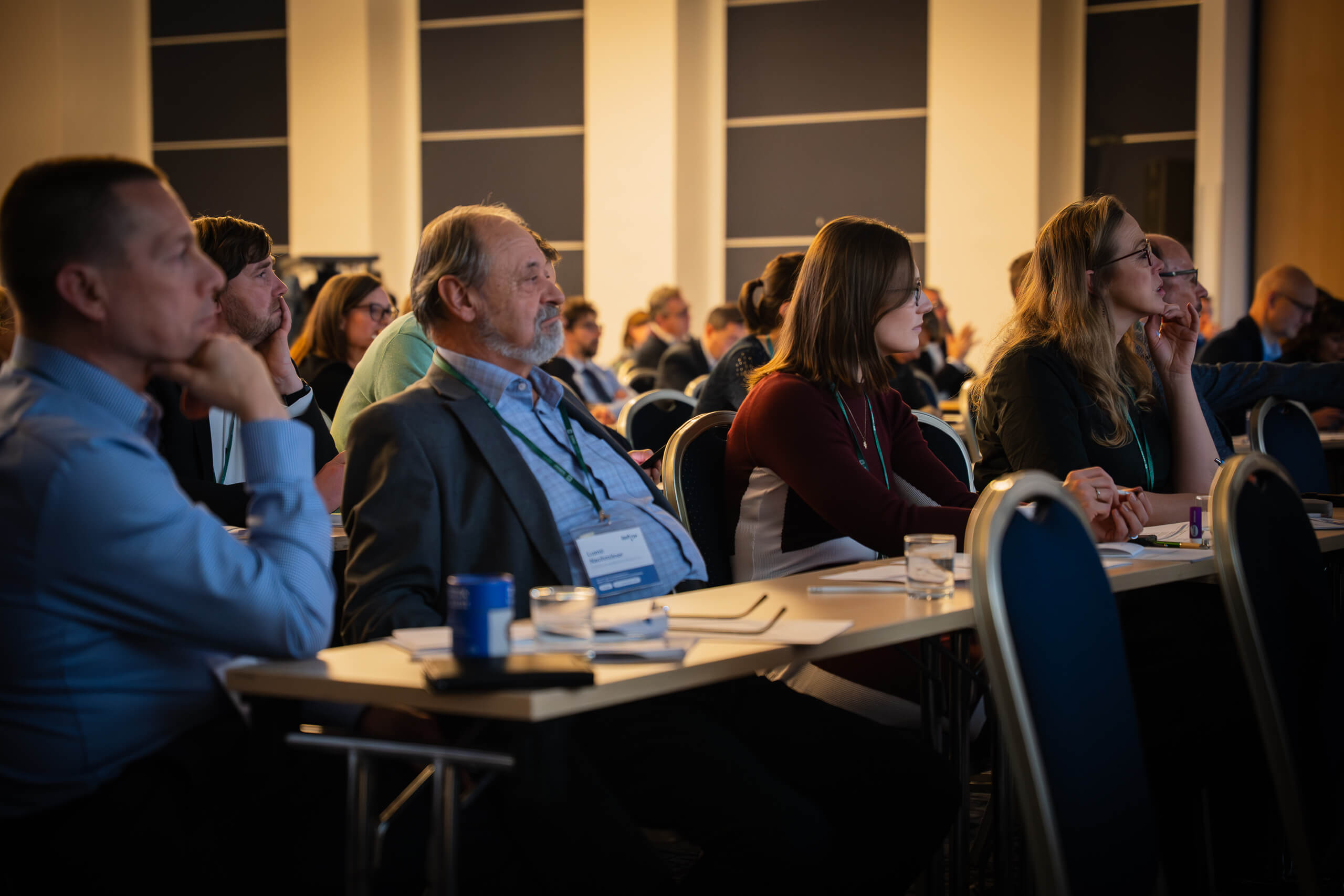
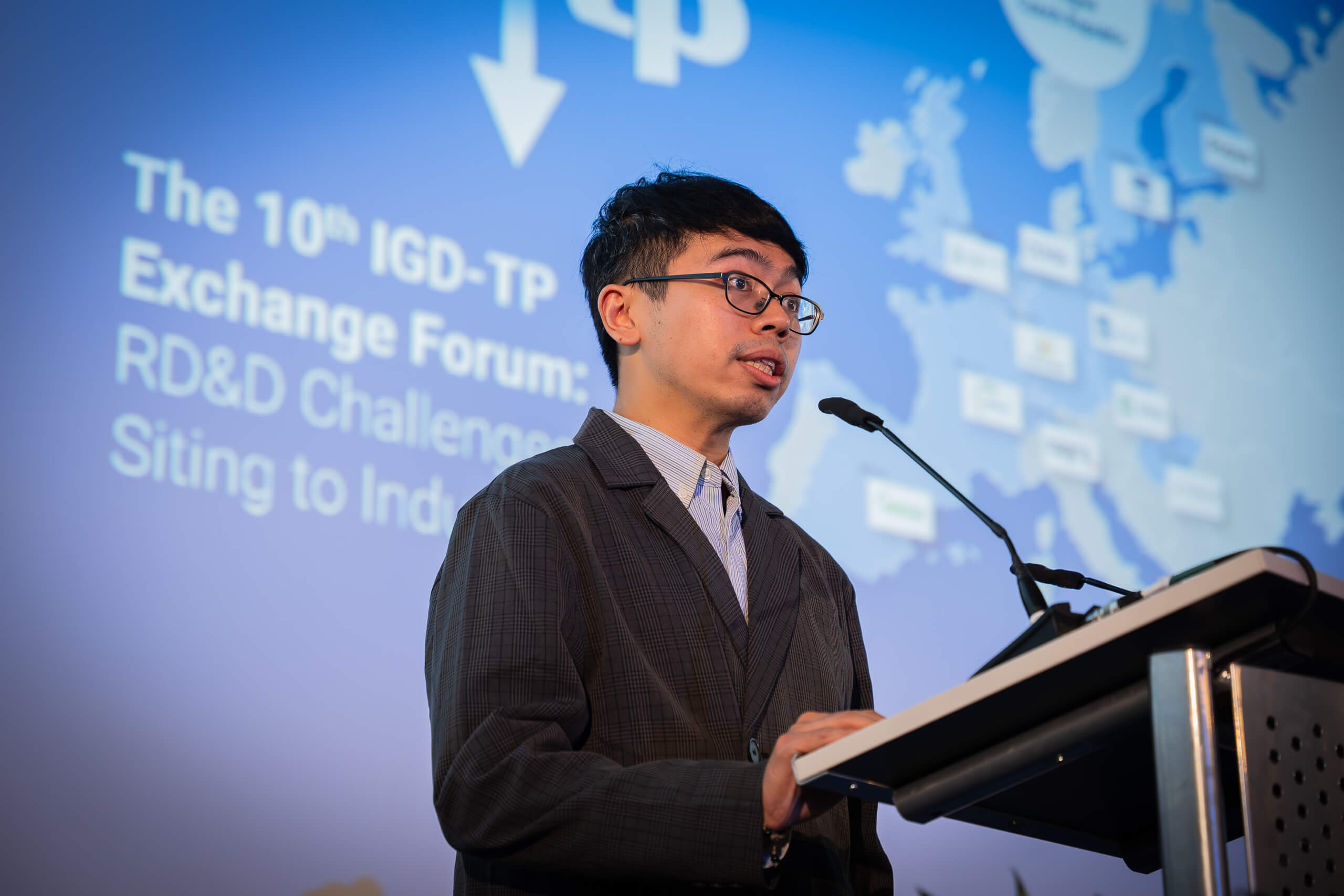
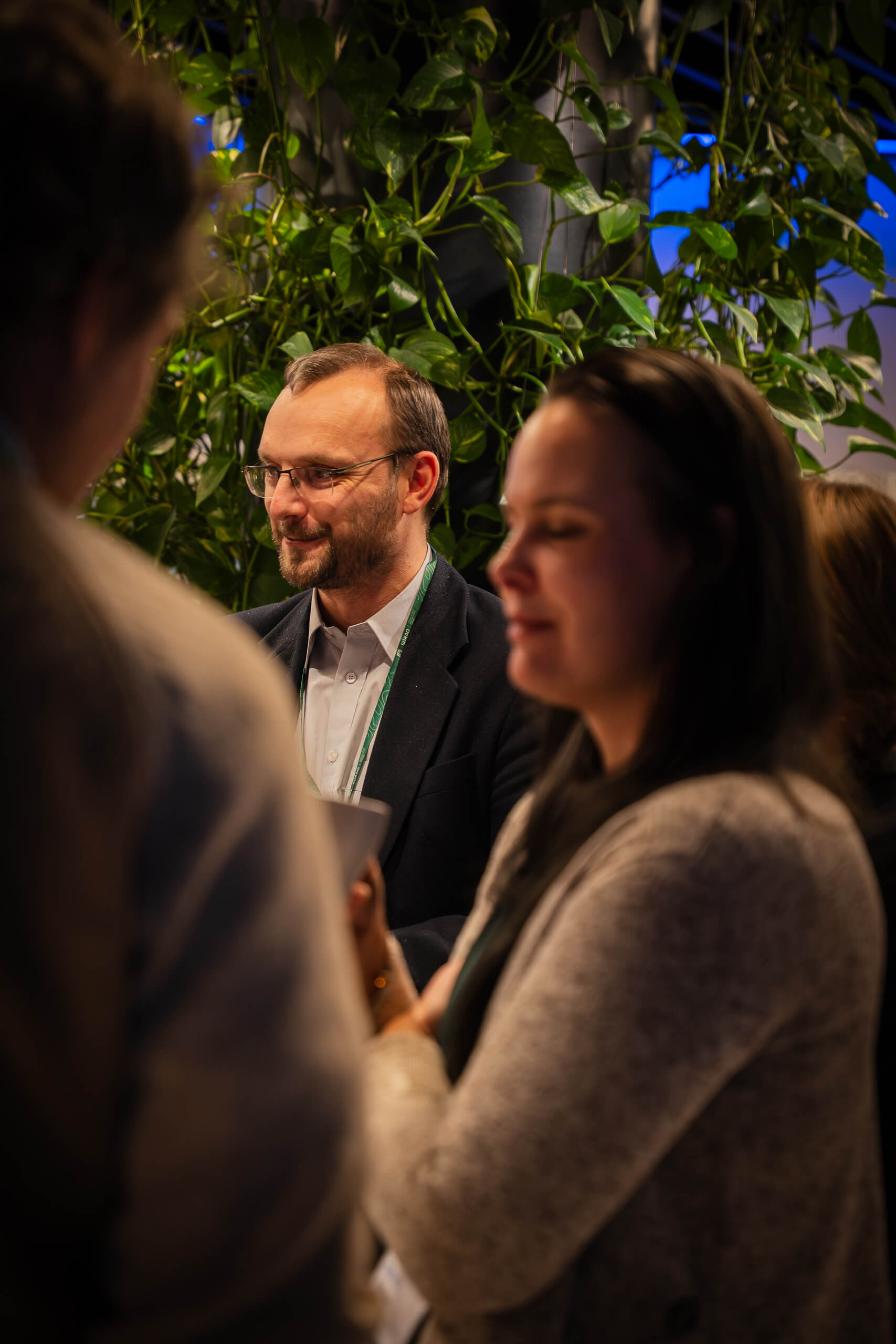
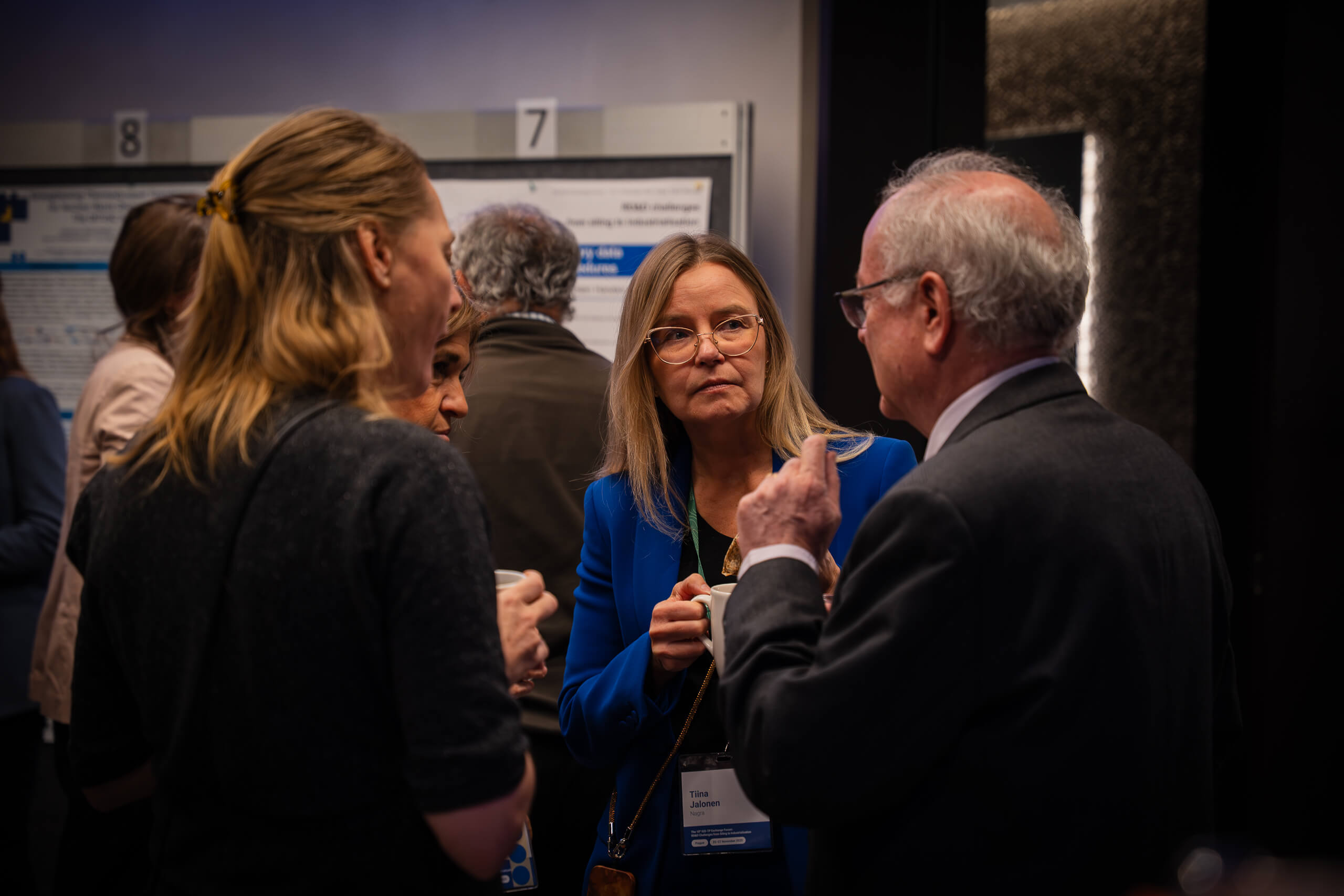
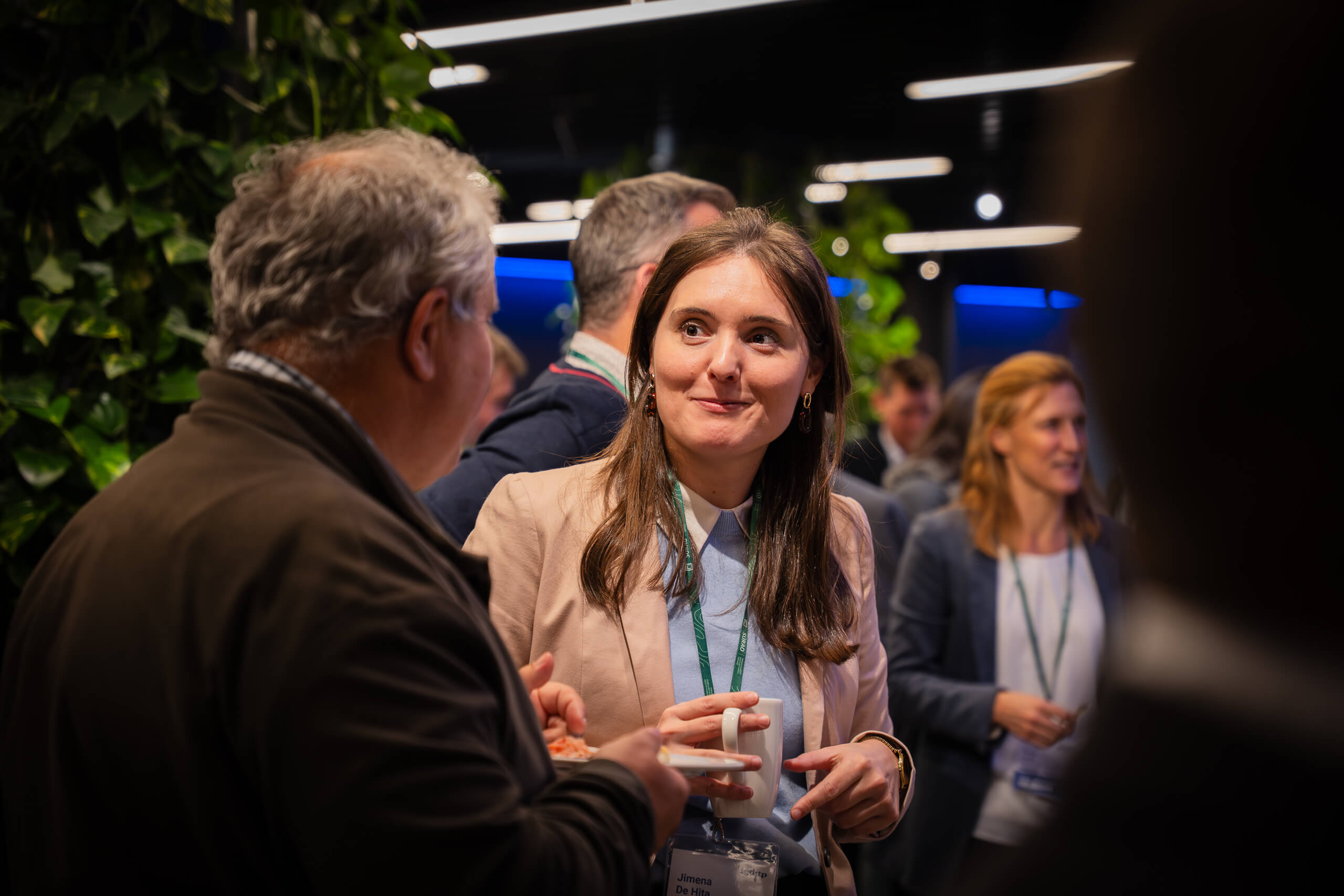
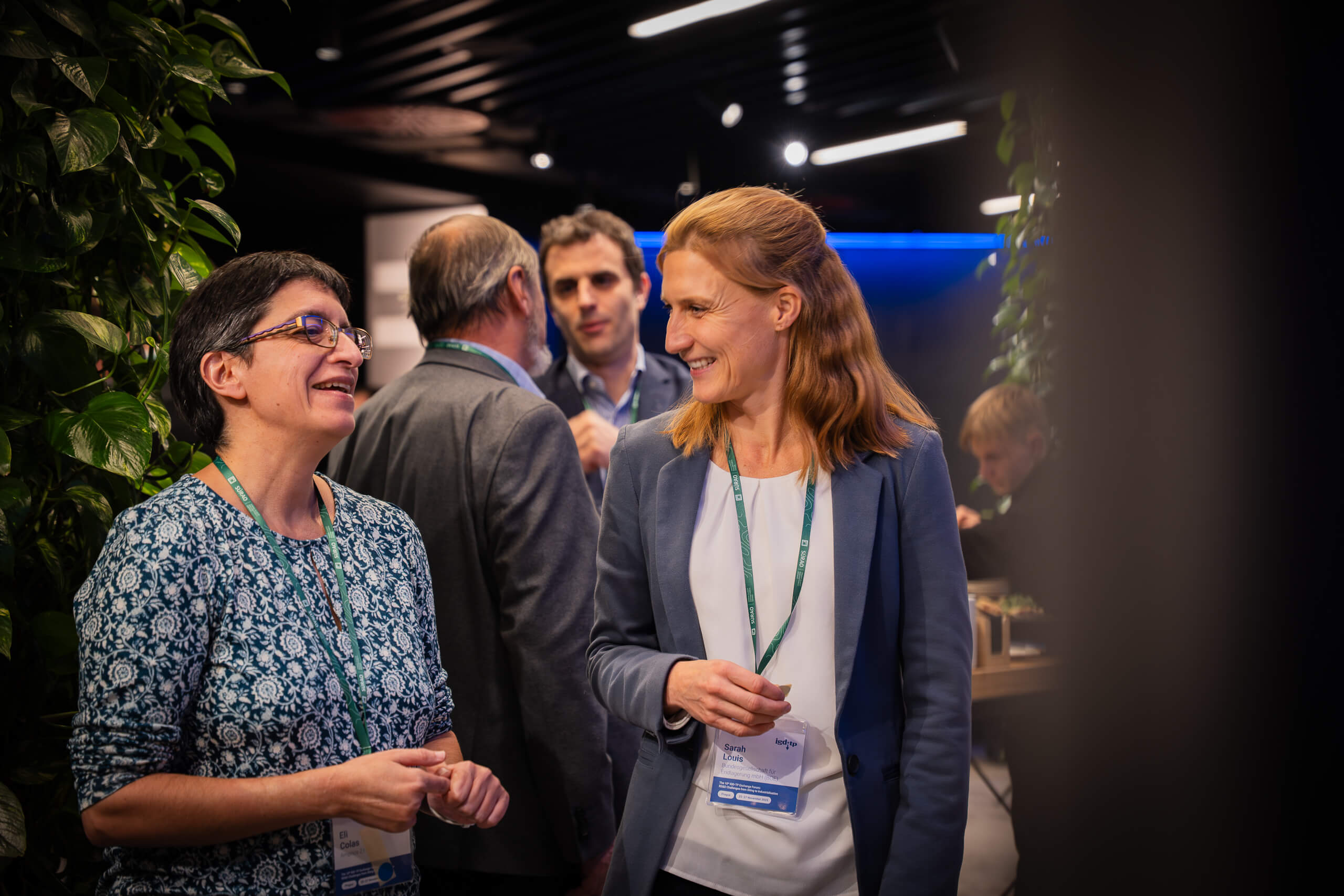
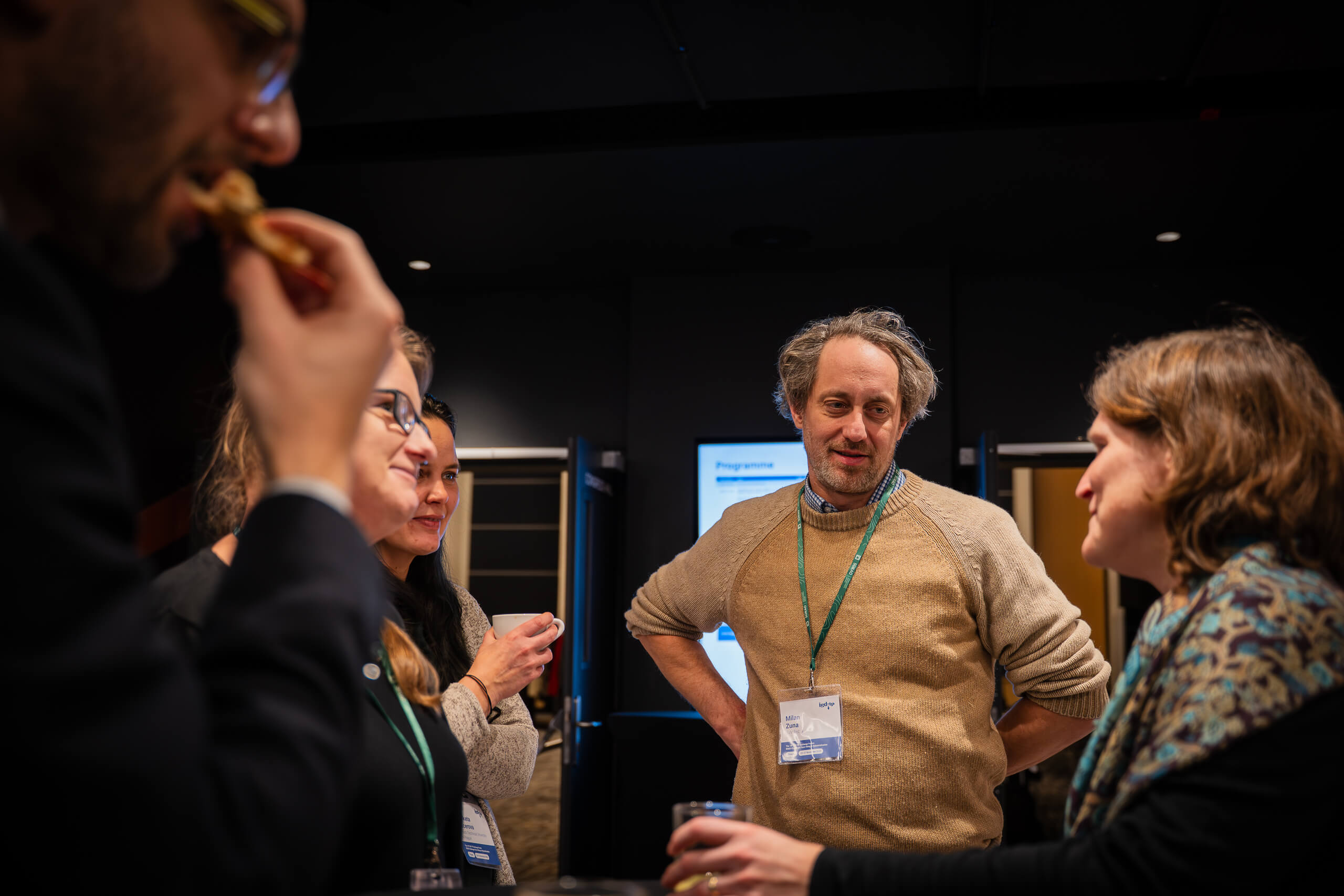
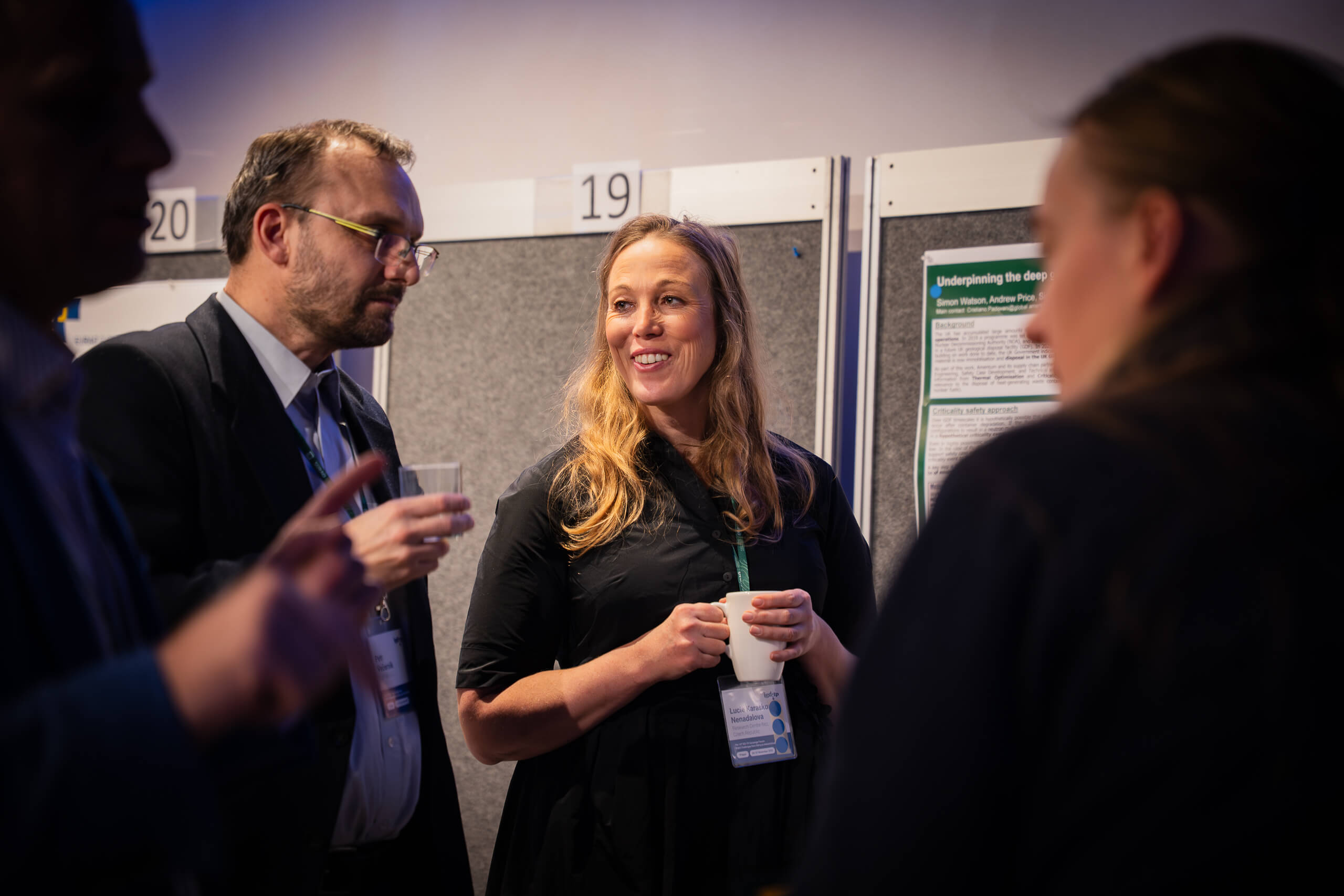
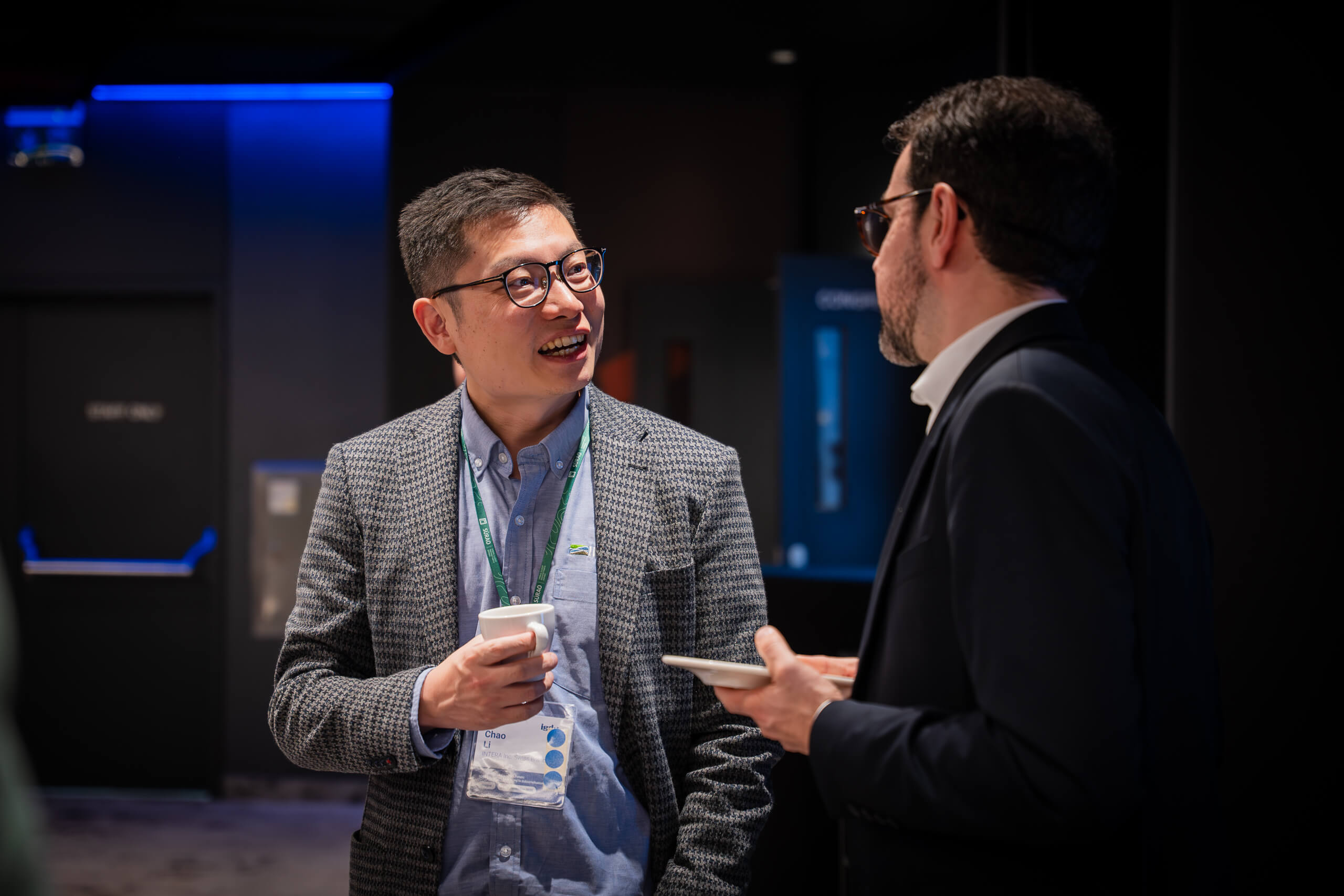
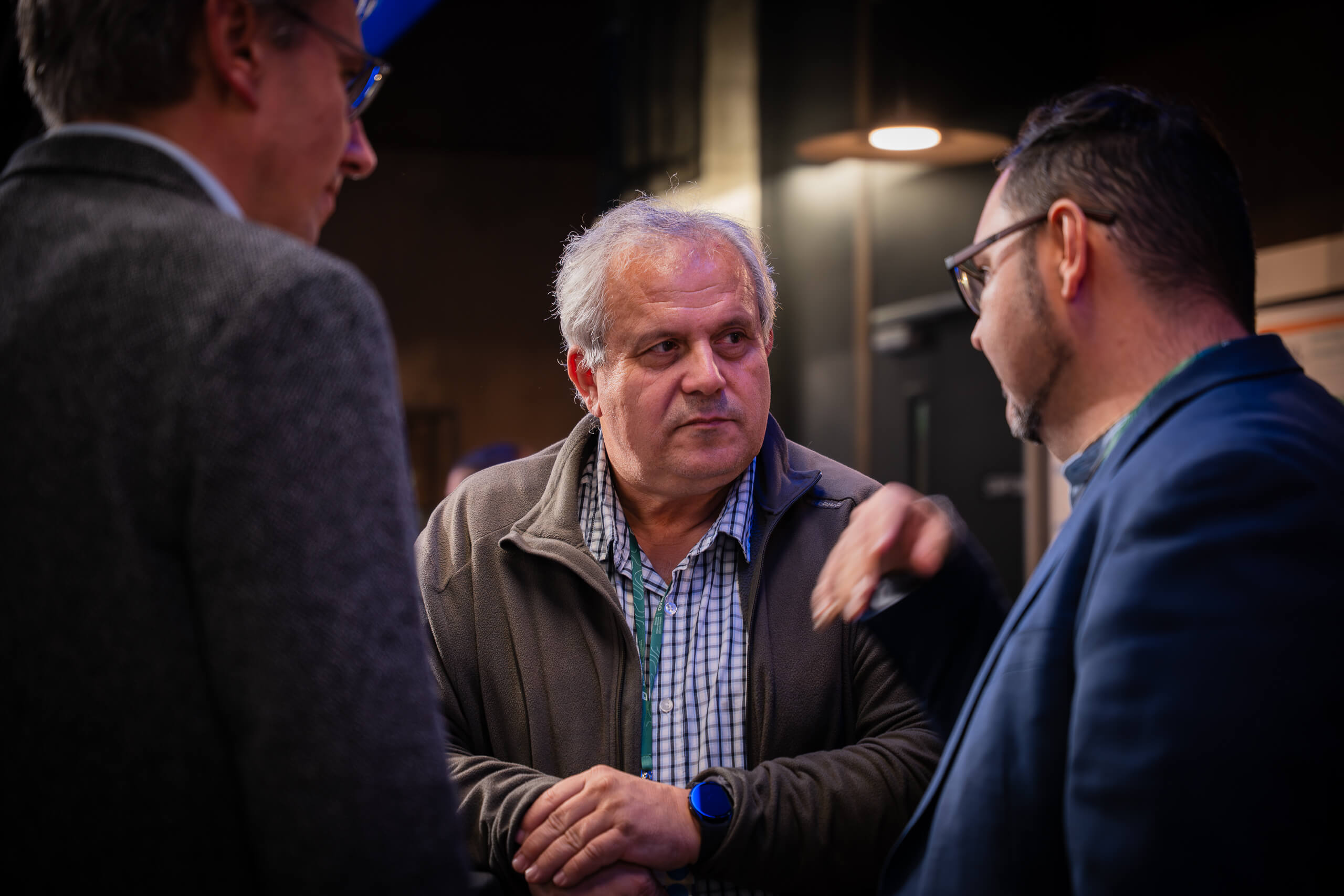
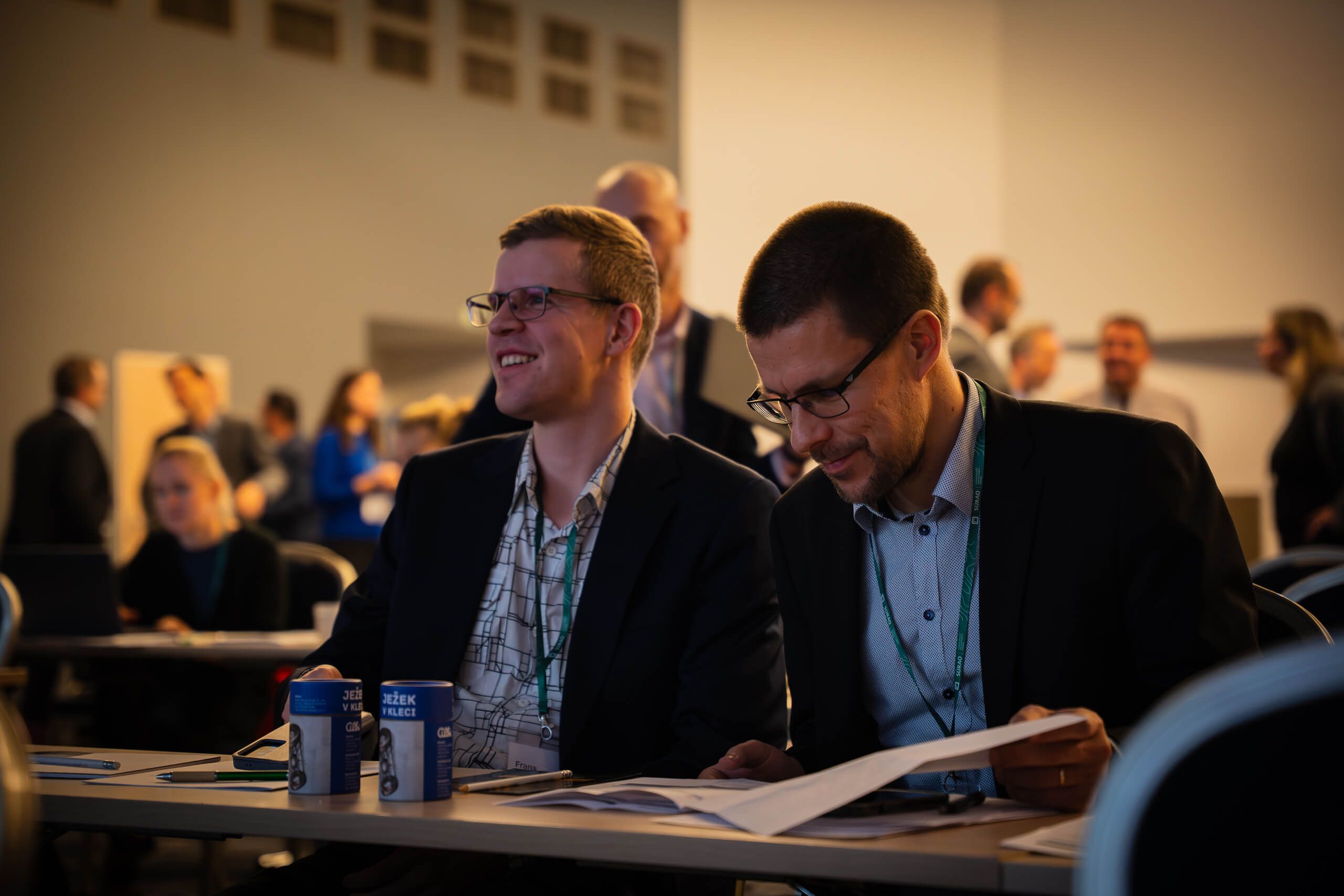
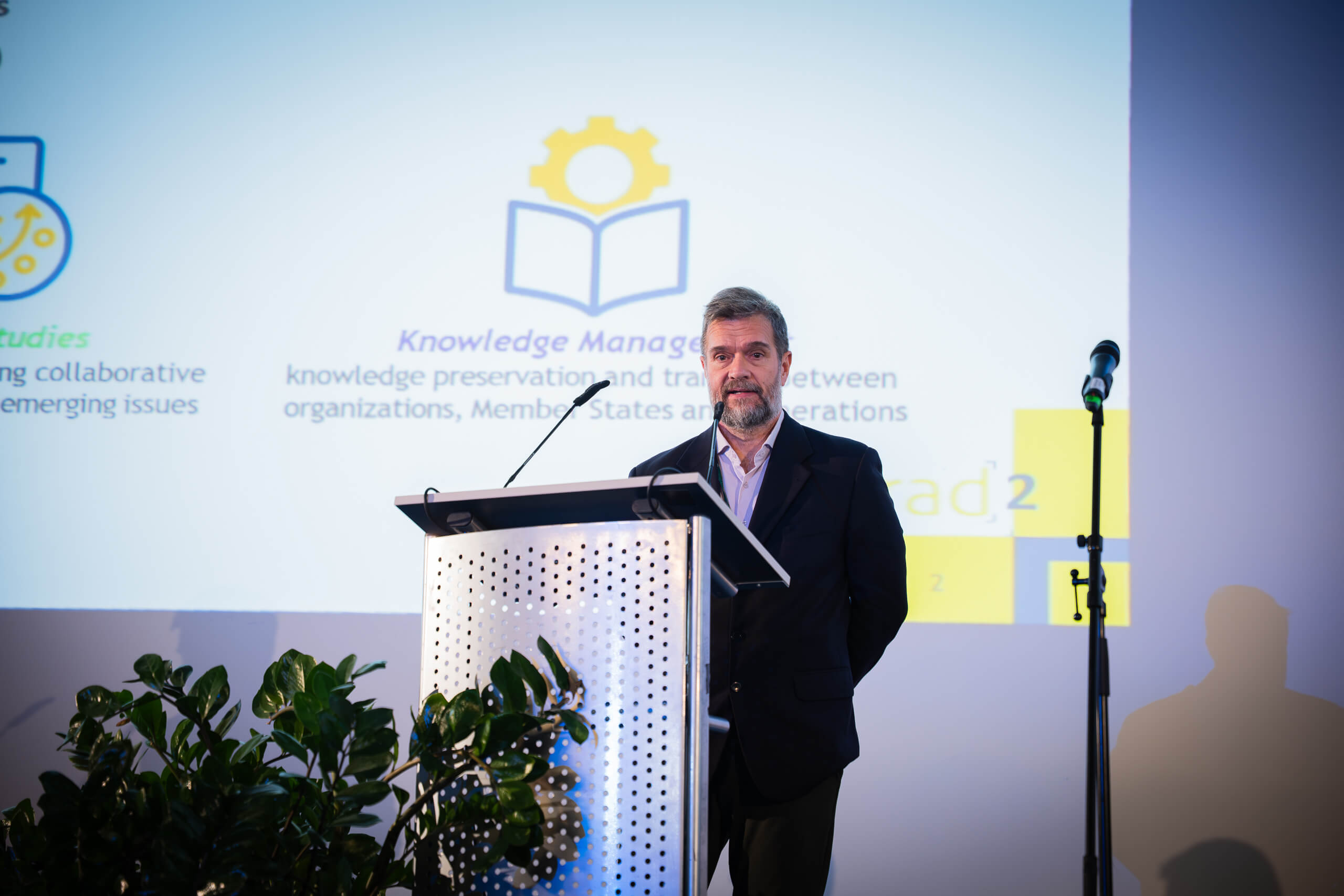
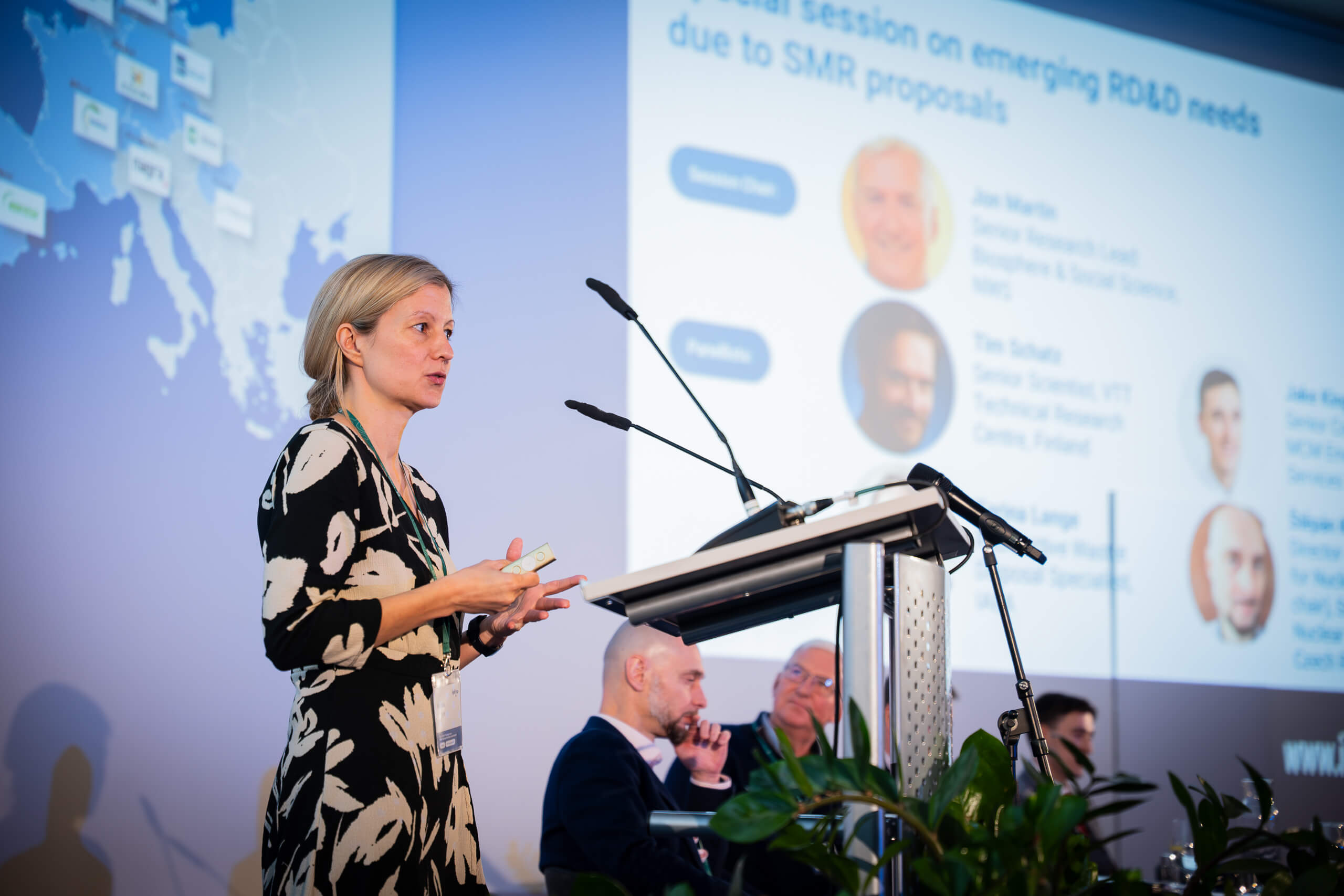
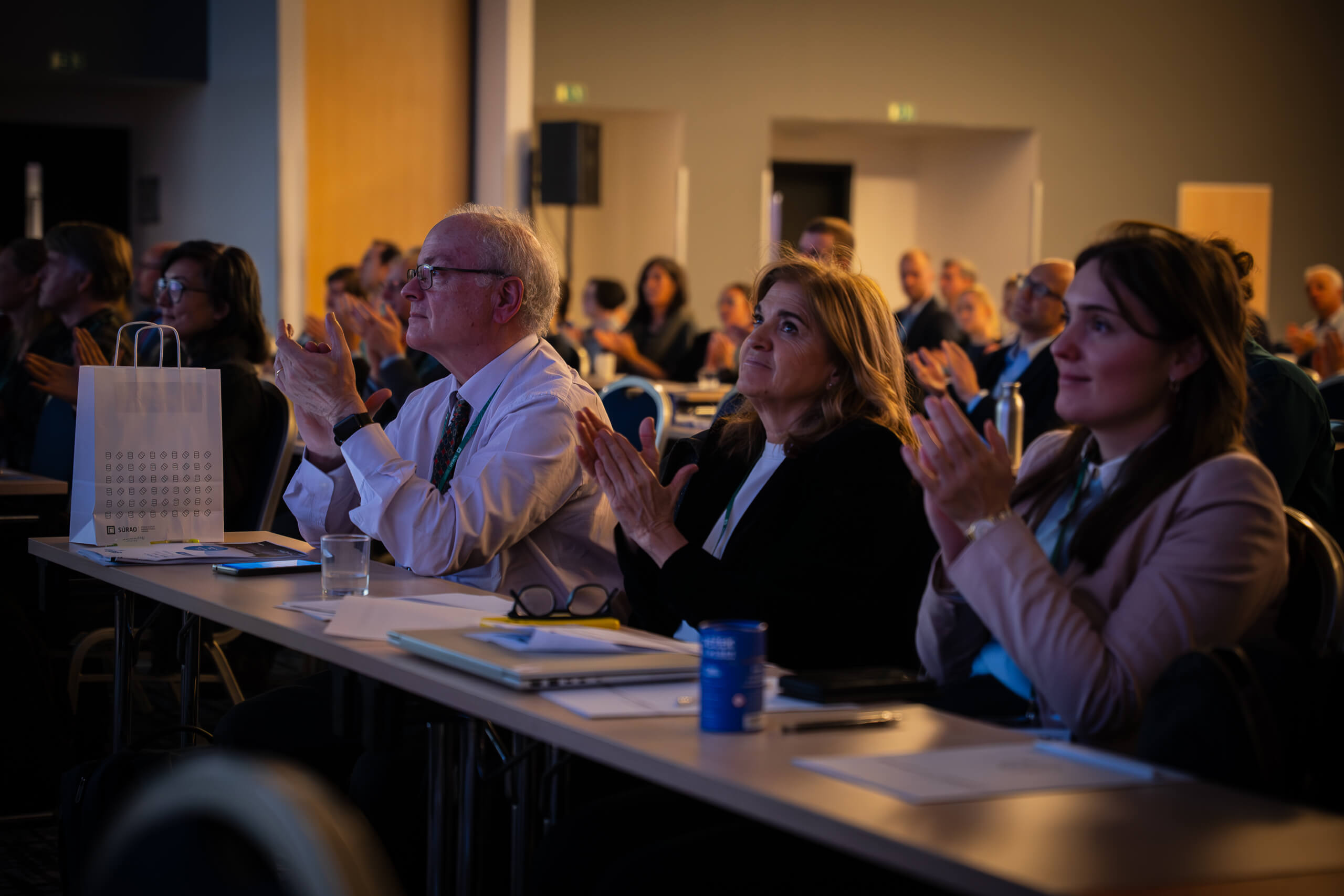
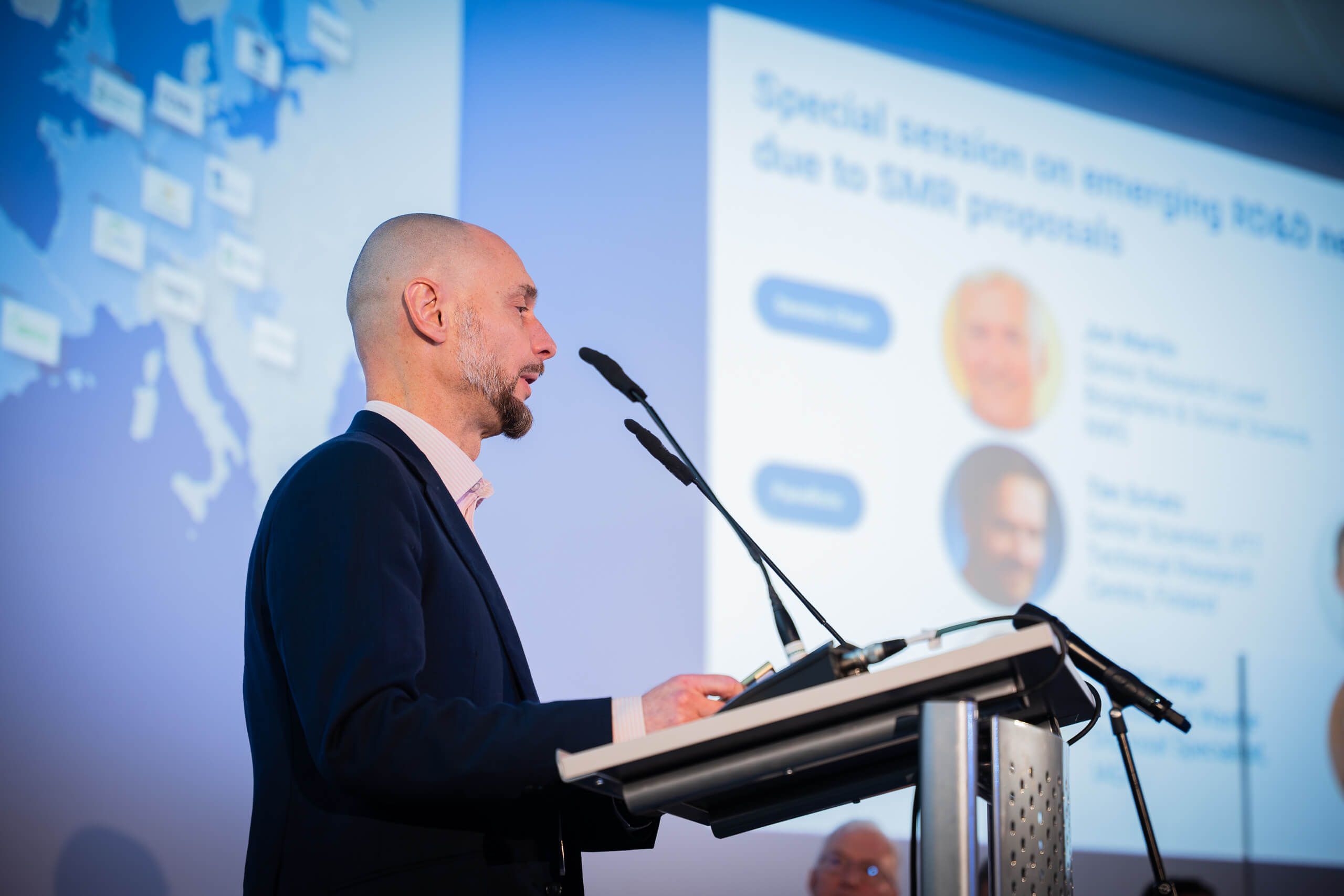
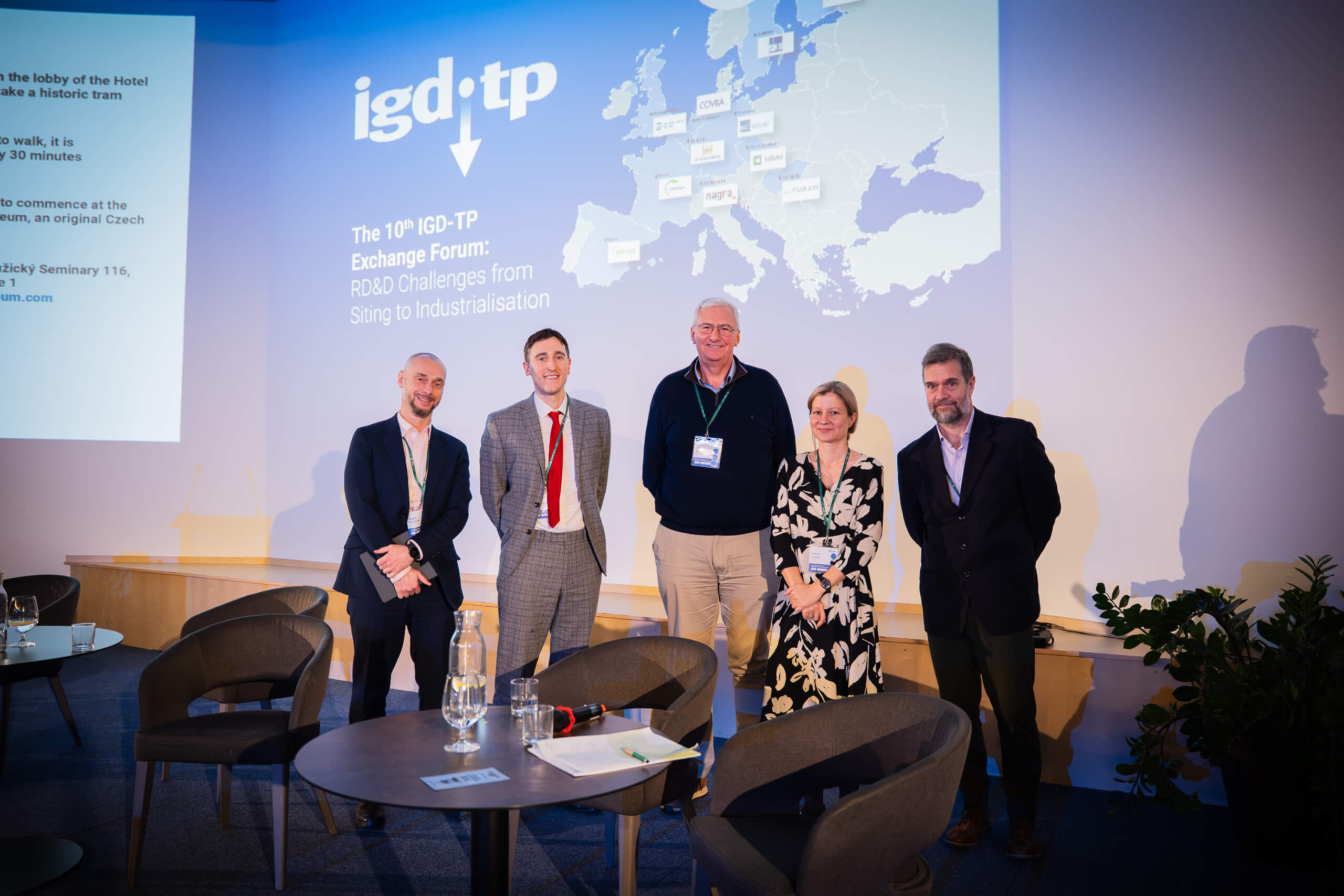
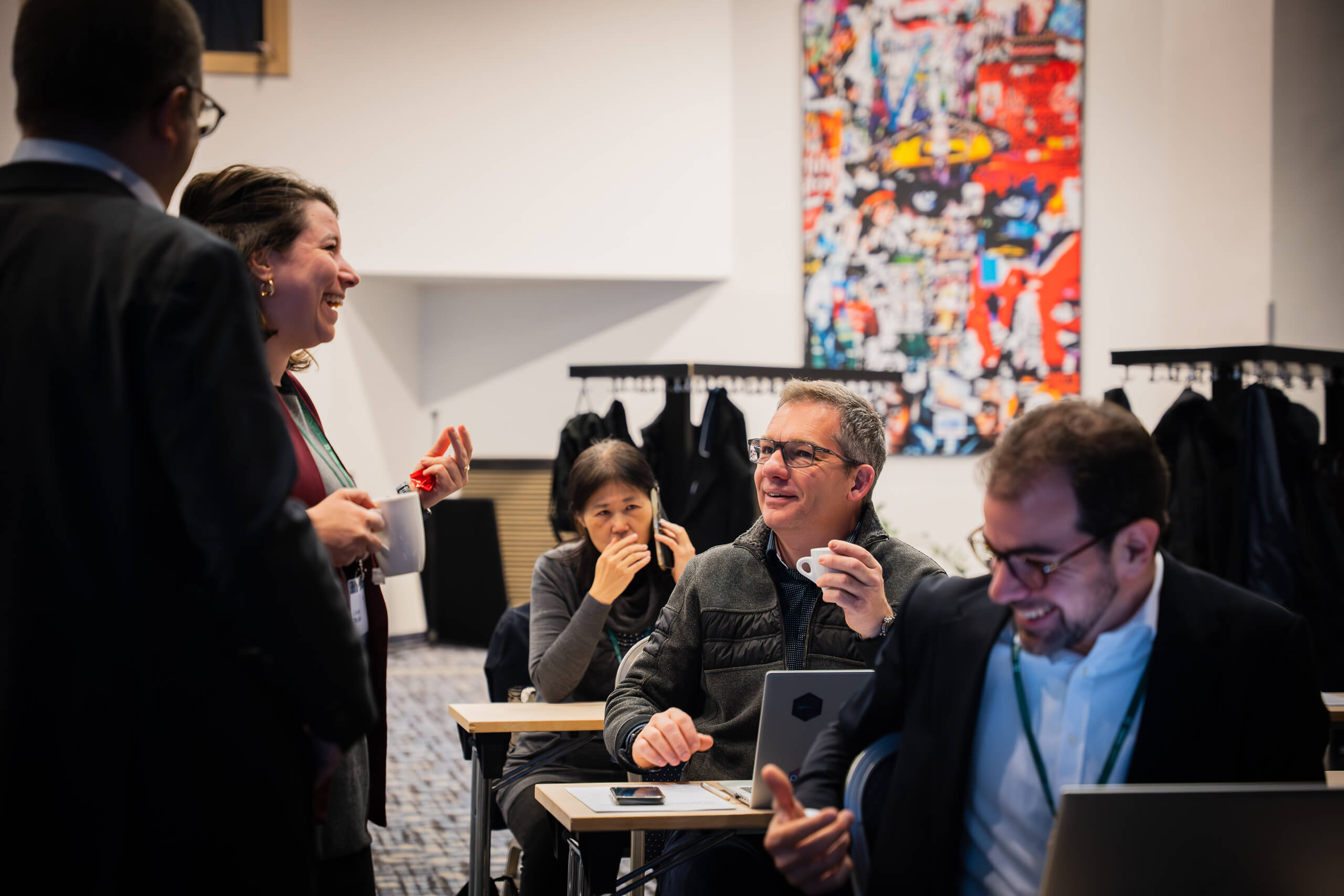
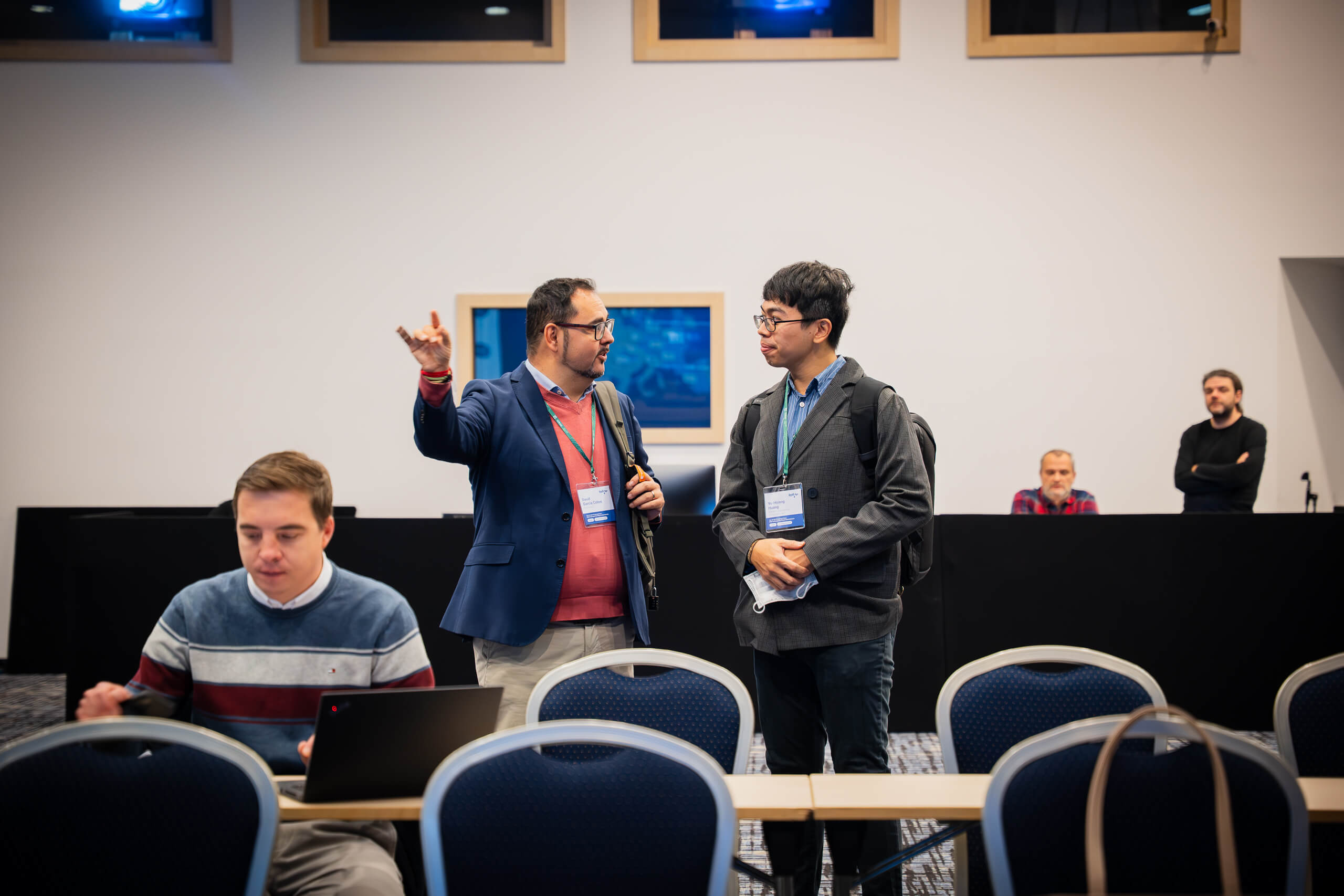
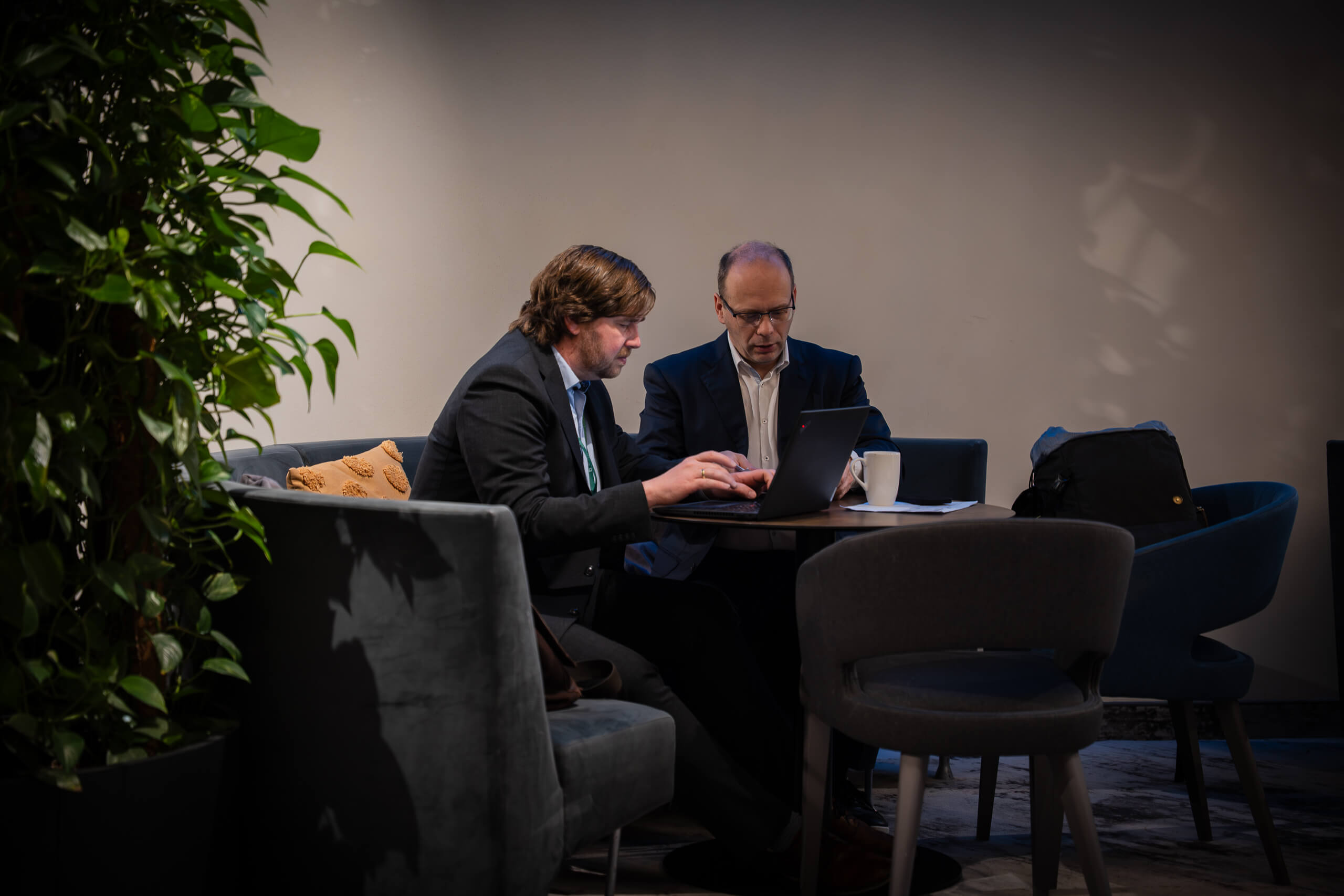
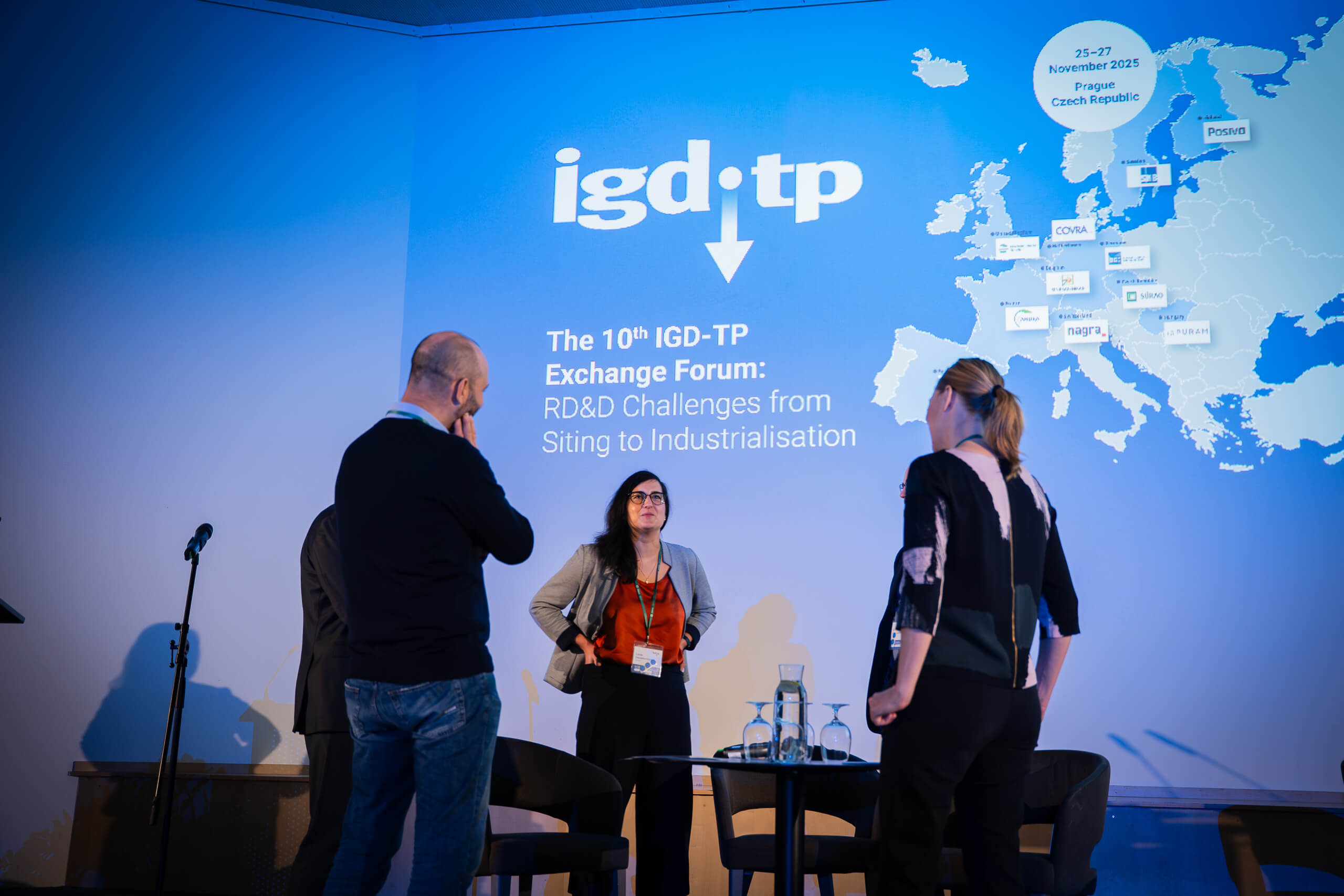
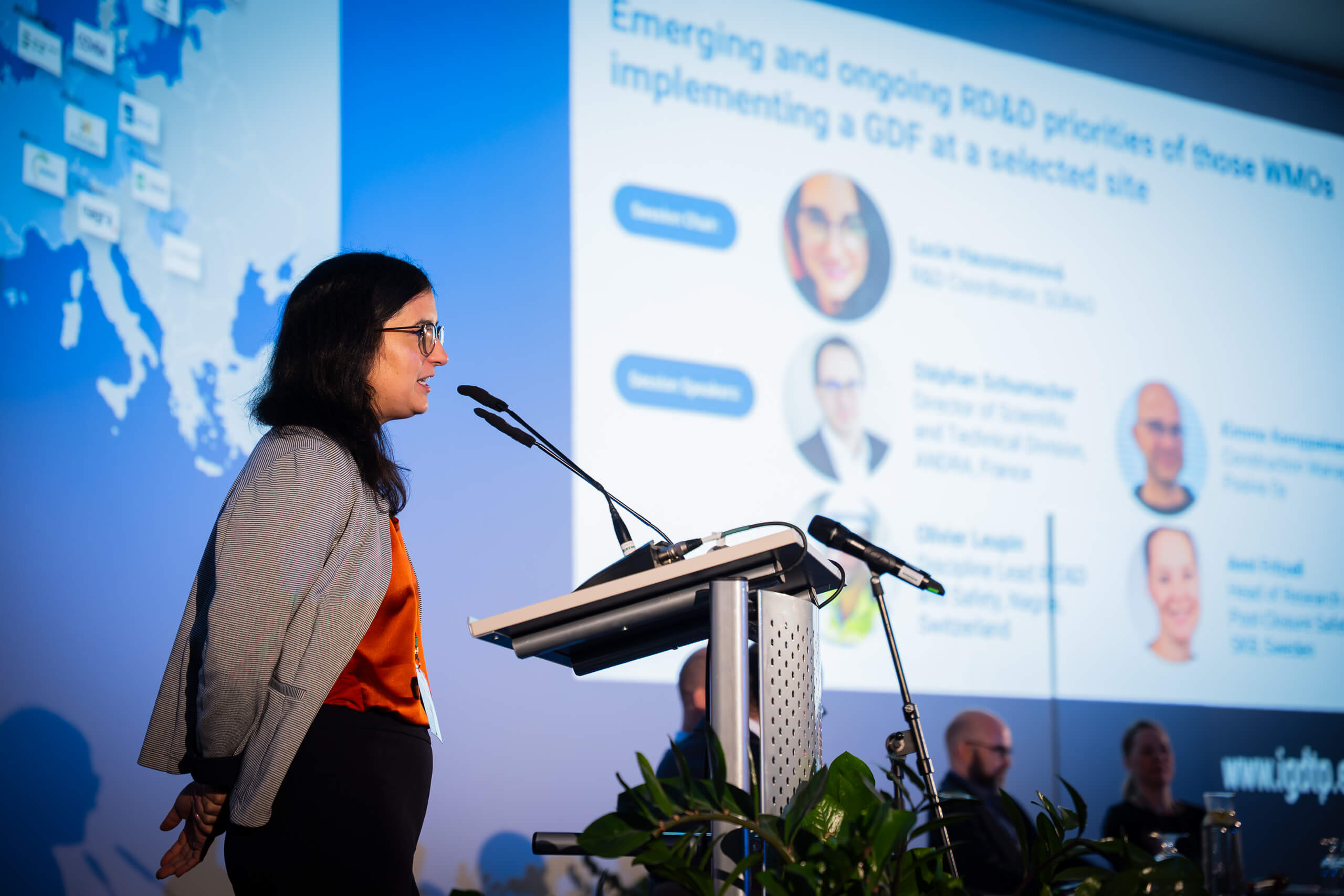
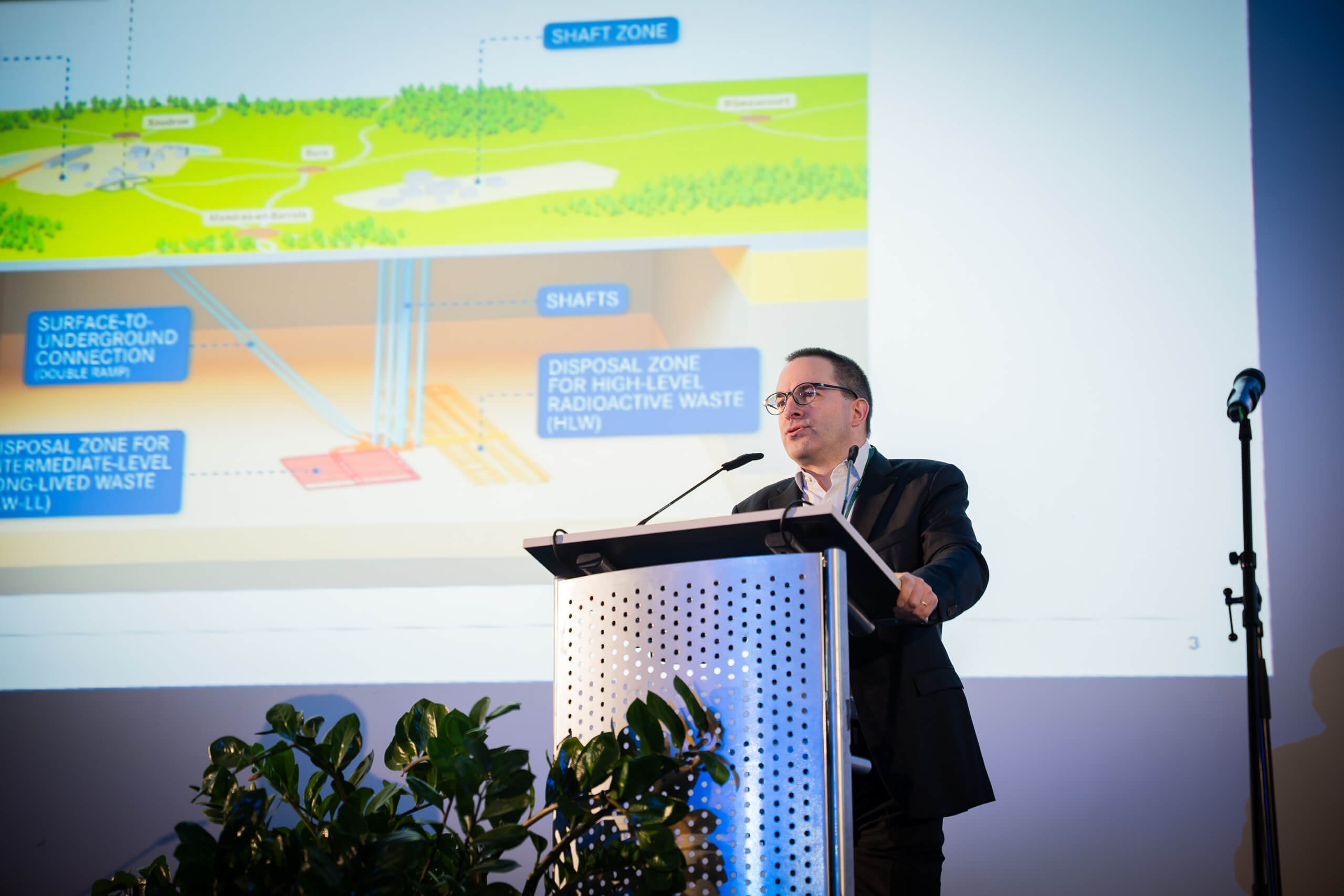
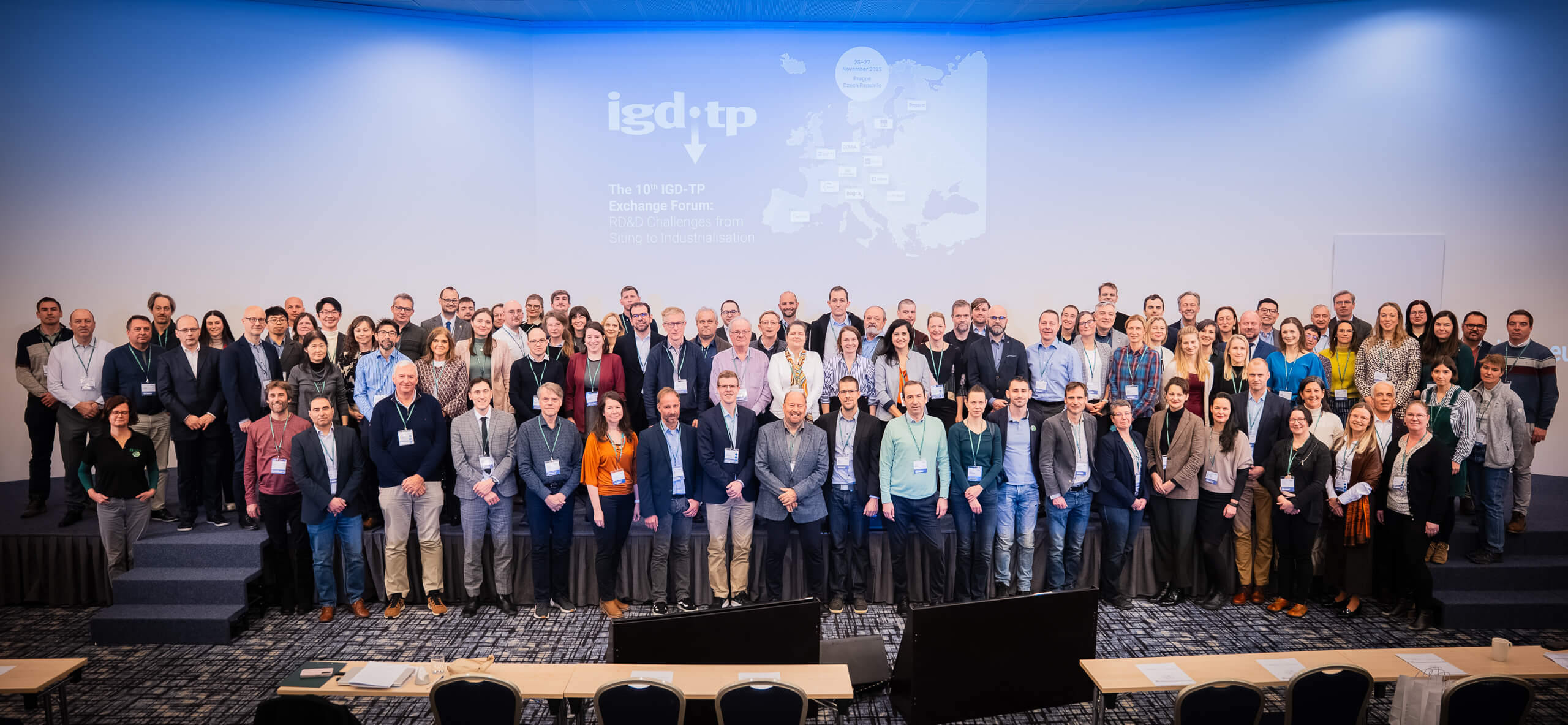
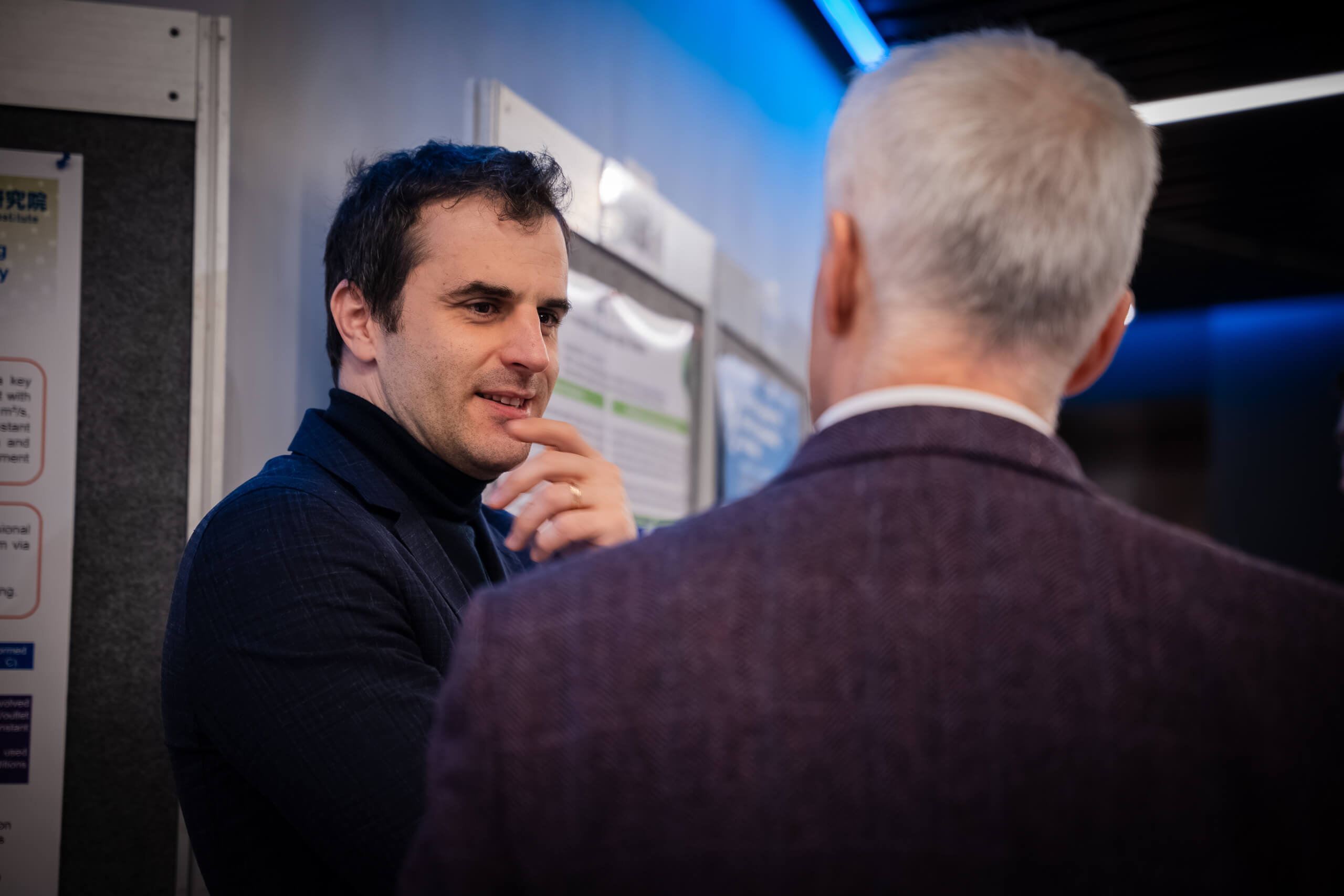
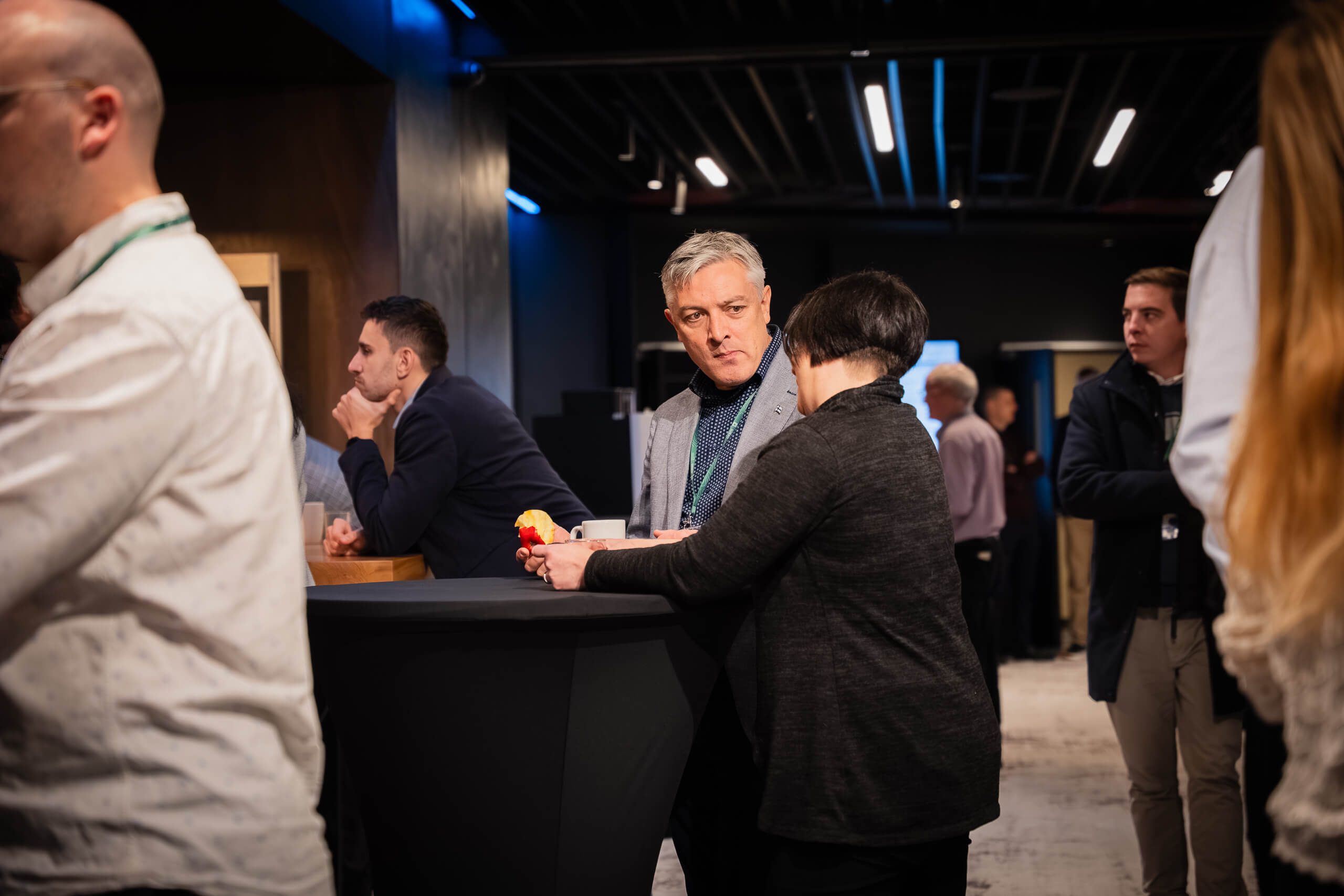
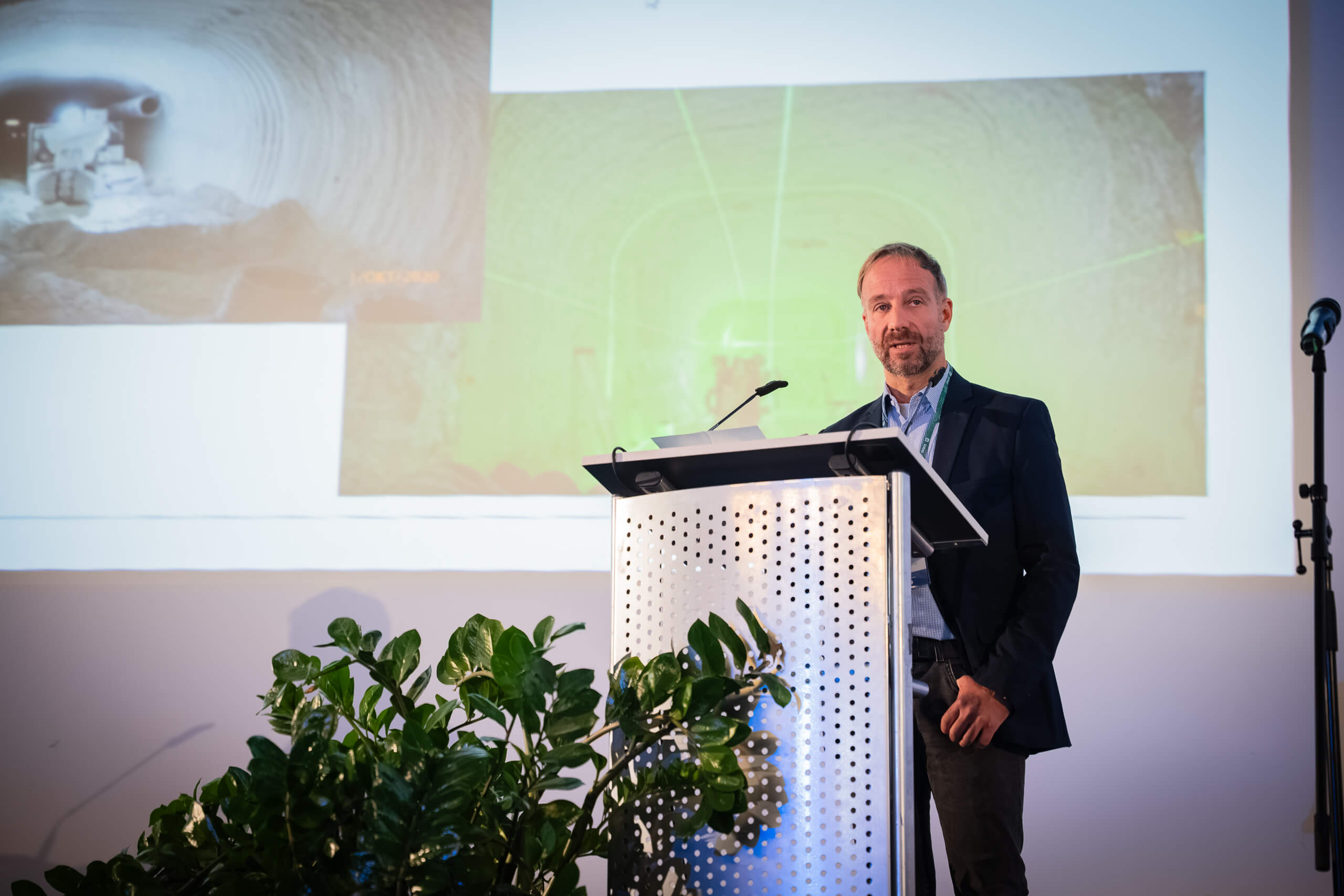
The IGD-TP’s tenth Exchange Forum (EF10) on research and development (R&D) challenges in geological disposal programmes for radioactive waste was a great success with over 100 attendees from 18 different countries. Our host, SURAO, provided a superb venue and welcoming environment that facilitated an excellent array of presentations and a great deal of discussion and networking. A brief summary of the scope, objectives and outcomes of EF10 is provided here, along with copies of the presentations and available posters.
We were delighted to hold the IGD-TP’s 10th international Exchange Forum on research, development and demonstration (RD&D) challenges in geological disposal programmes for radioactive waste. Hosted by SÚRAO, the event was open to all IGD-TP members and stakeholders interested in geological disposal of radioactive waste.
Geological disposal projects are first-of-a-kind projects, span several decades, and are multi-billion endeavours. National waste management organisations (WMOs) are at different stages on the path to implementing geological disposal and each stage (site selection and investigation, licensing, construction and operation) has particular challenges. The national WMOs shared R&D challenges that each is facing in their current activities and how these are being approached. The Exchange Forum was an opportunity to share lessons learnt and to discuss future research plans.
Our 10th Exchange Forum provided an excellent opportunity to:
- Discuss new issues and the status of WMO programmes.
- Learn about WMO emerging and ongoing R&D priorities.
- Explore the potential for collaborative research with IGD-TP members and the broader radioactive waste community.
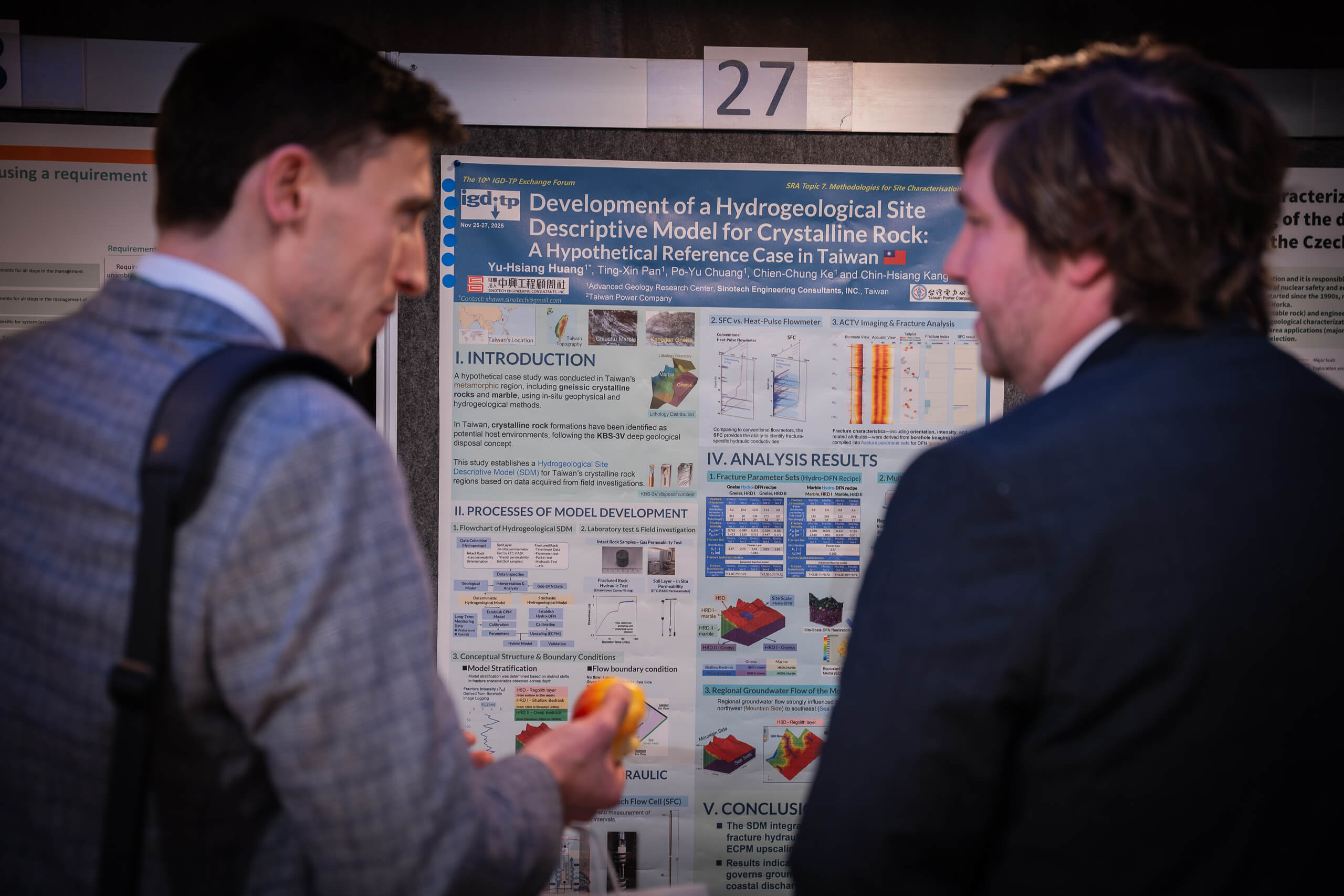
- Present posters in the field of geological disposal and take advantage of great networking opportunities.
- Visit research and disposal facilities in the Czech Republic.
- Experience the wonderful city of Prague.


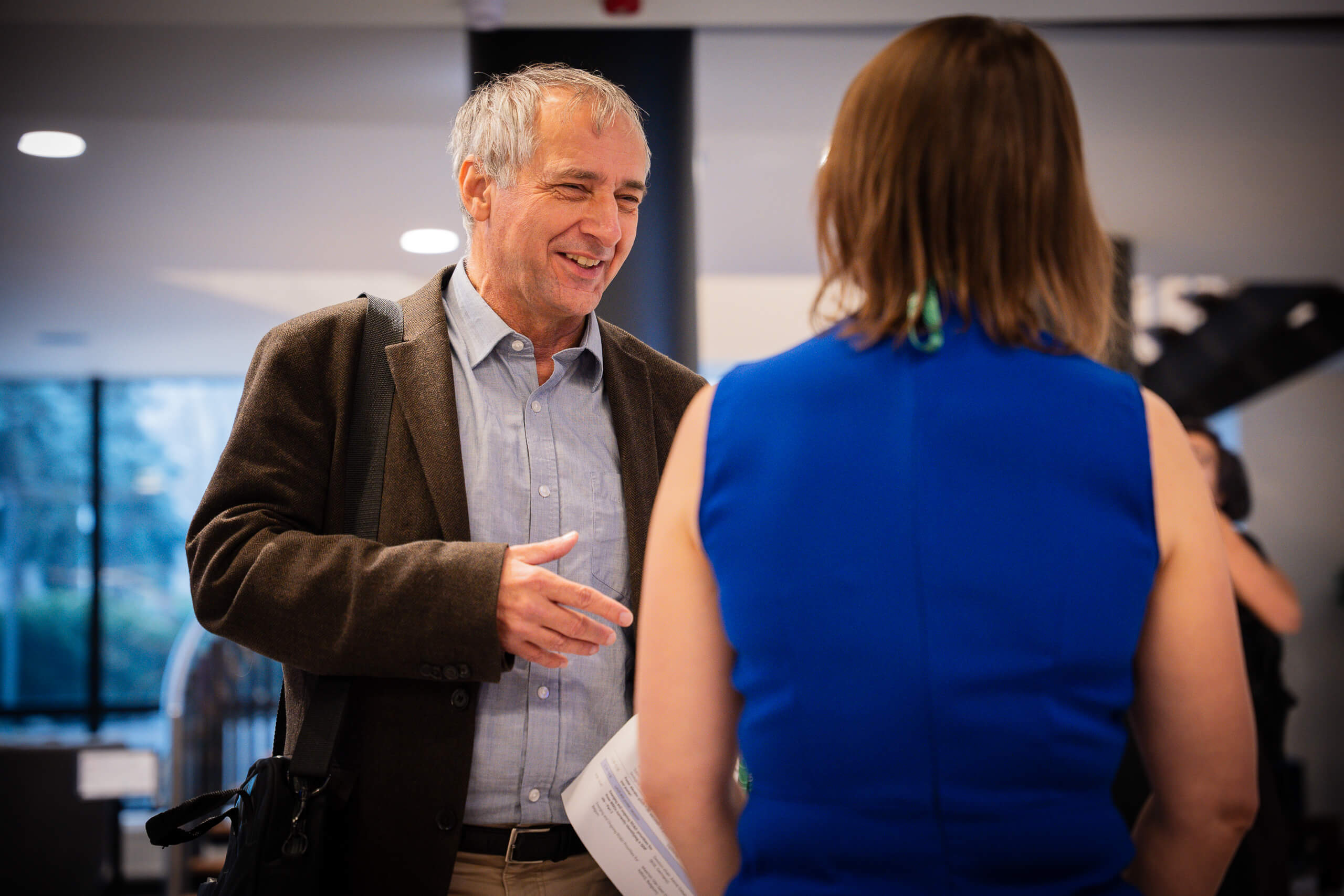
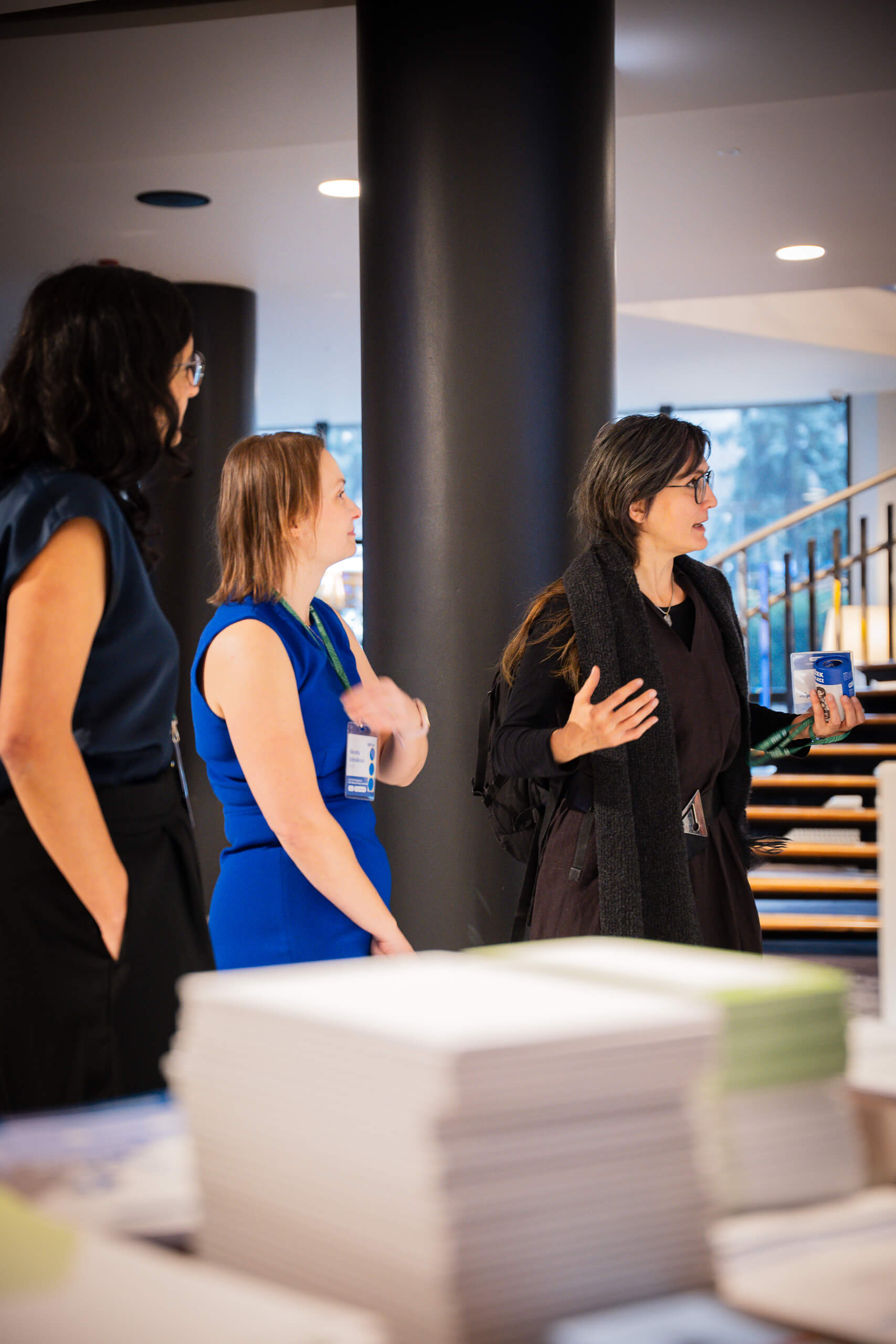
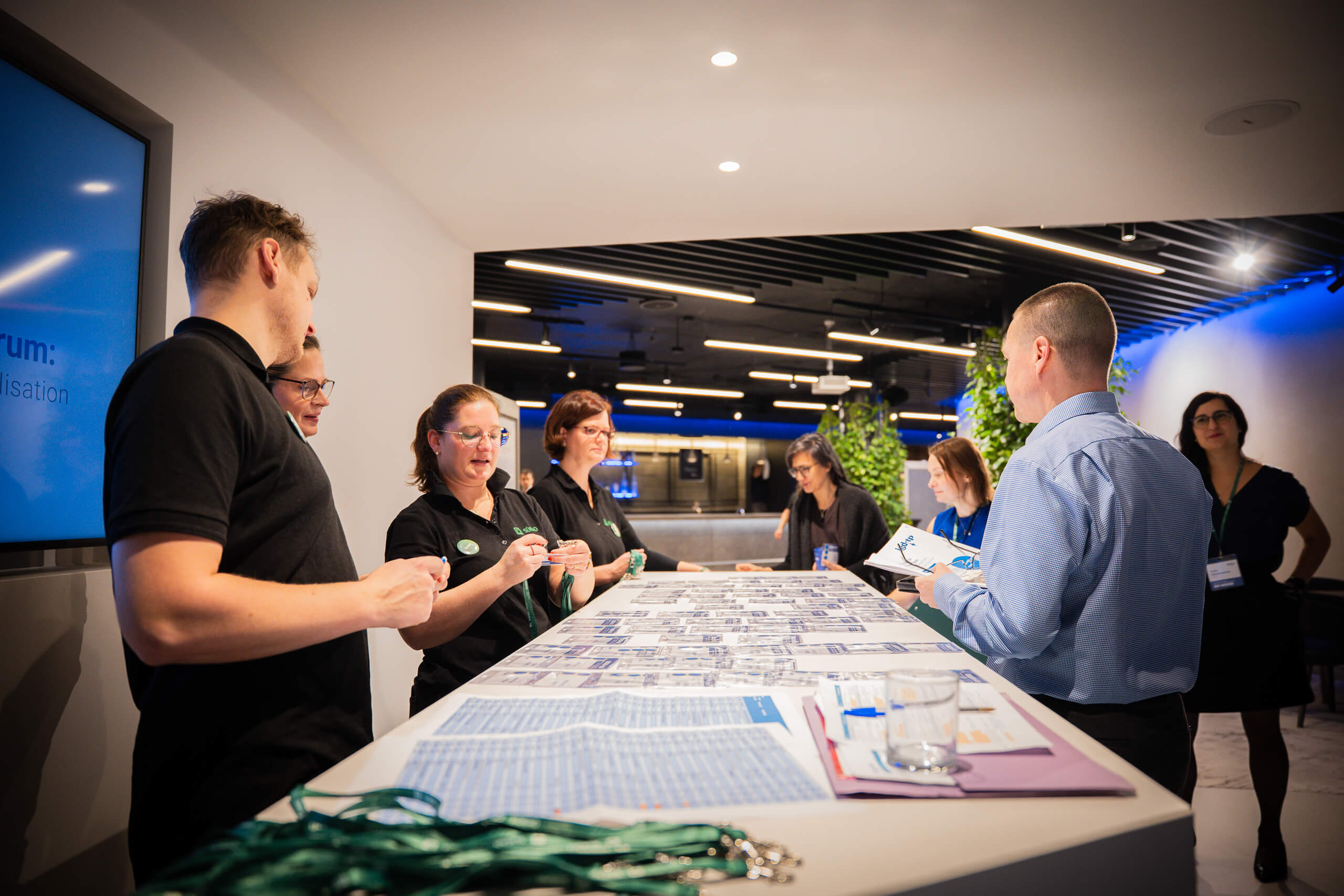
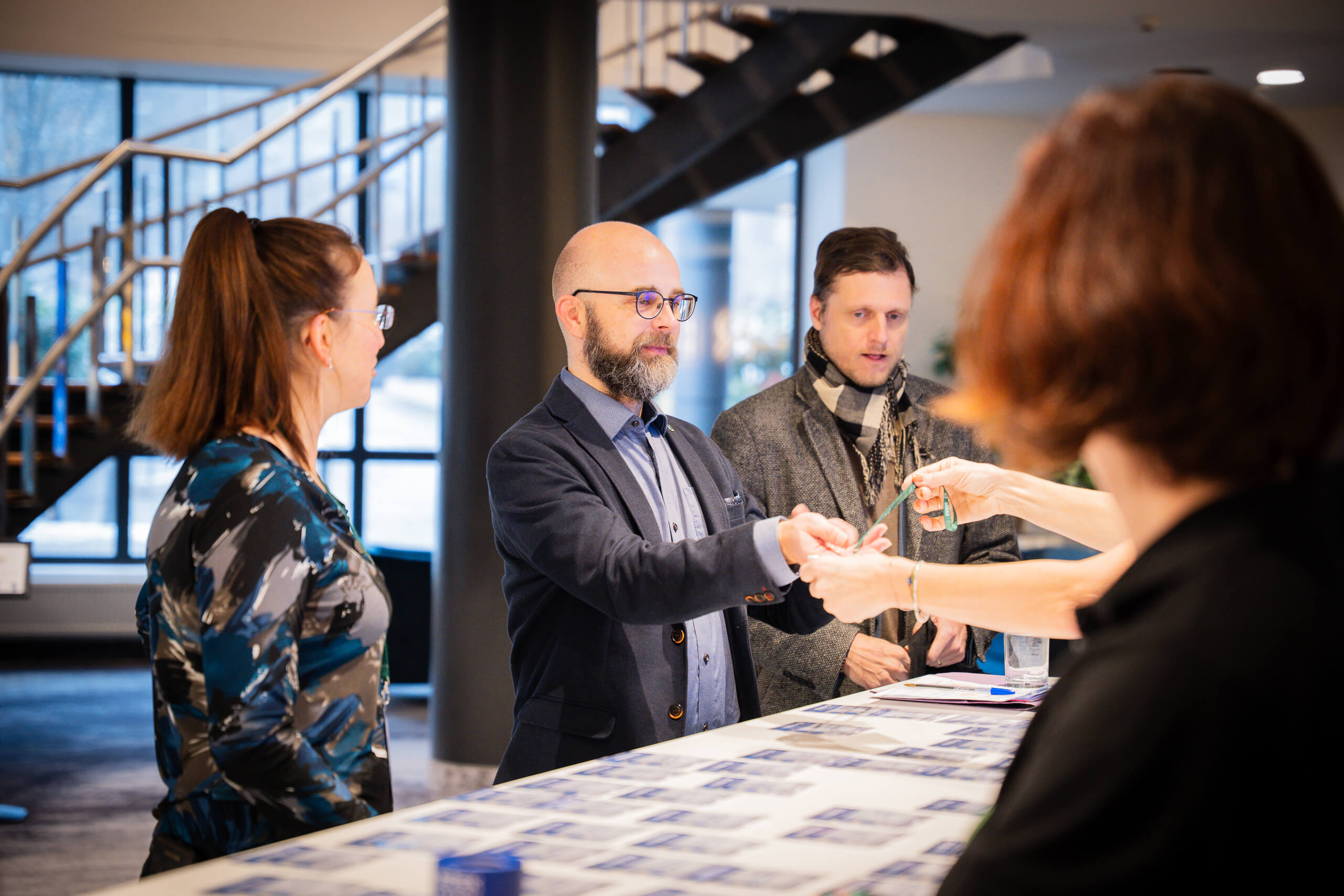






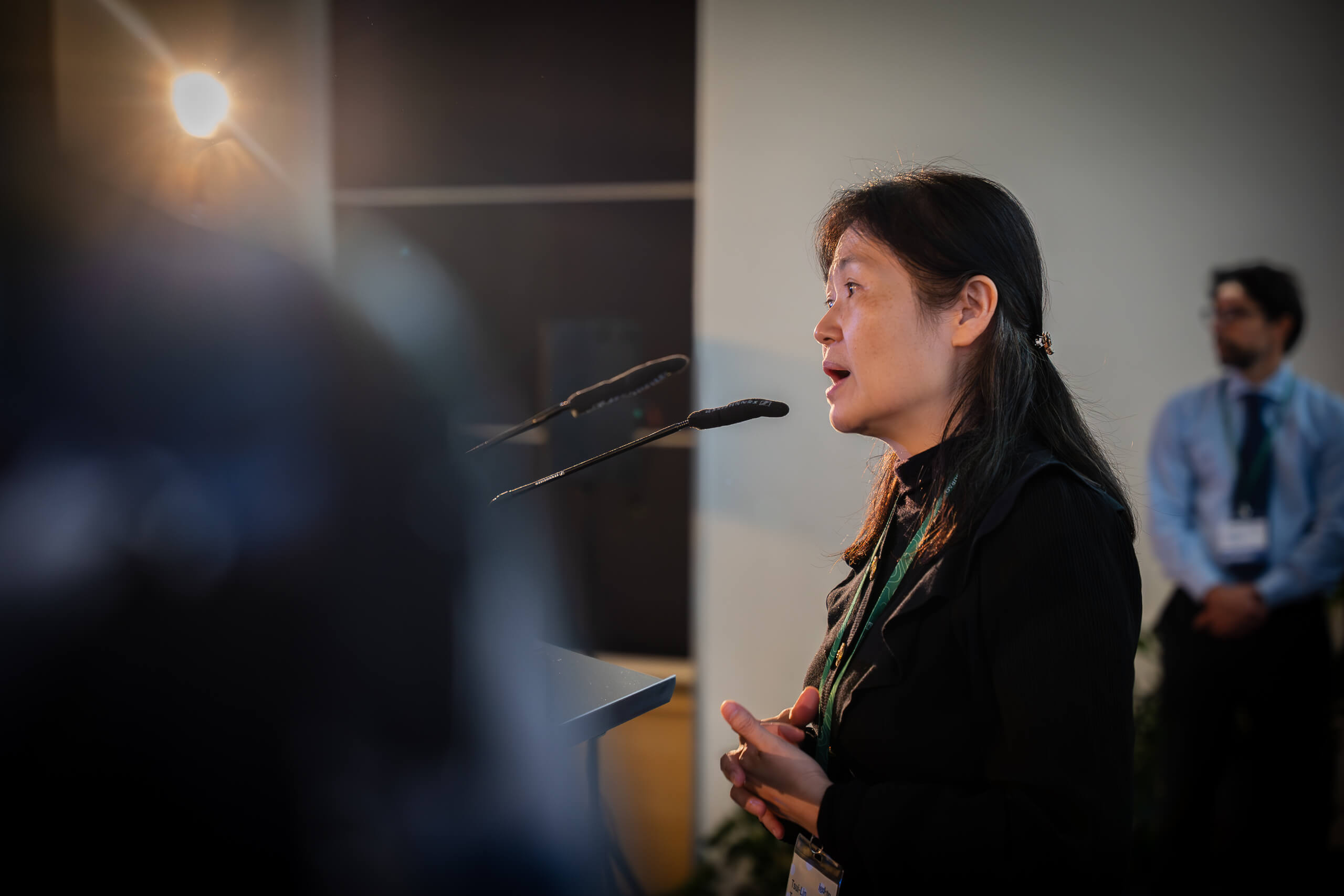
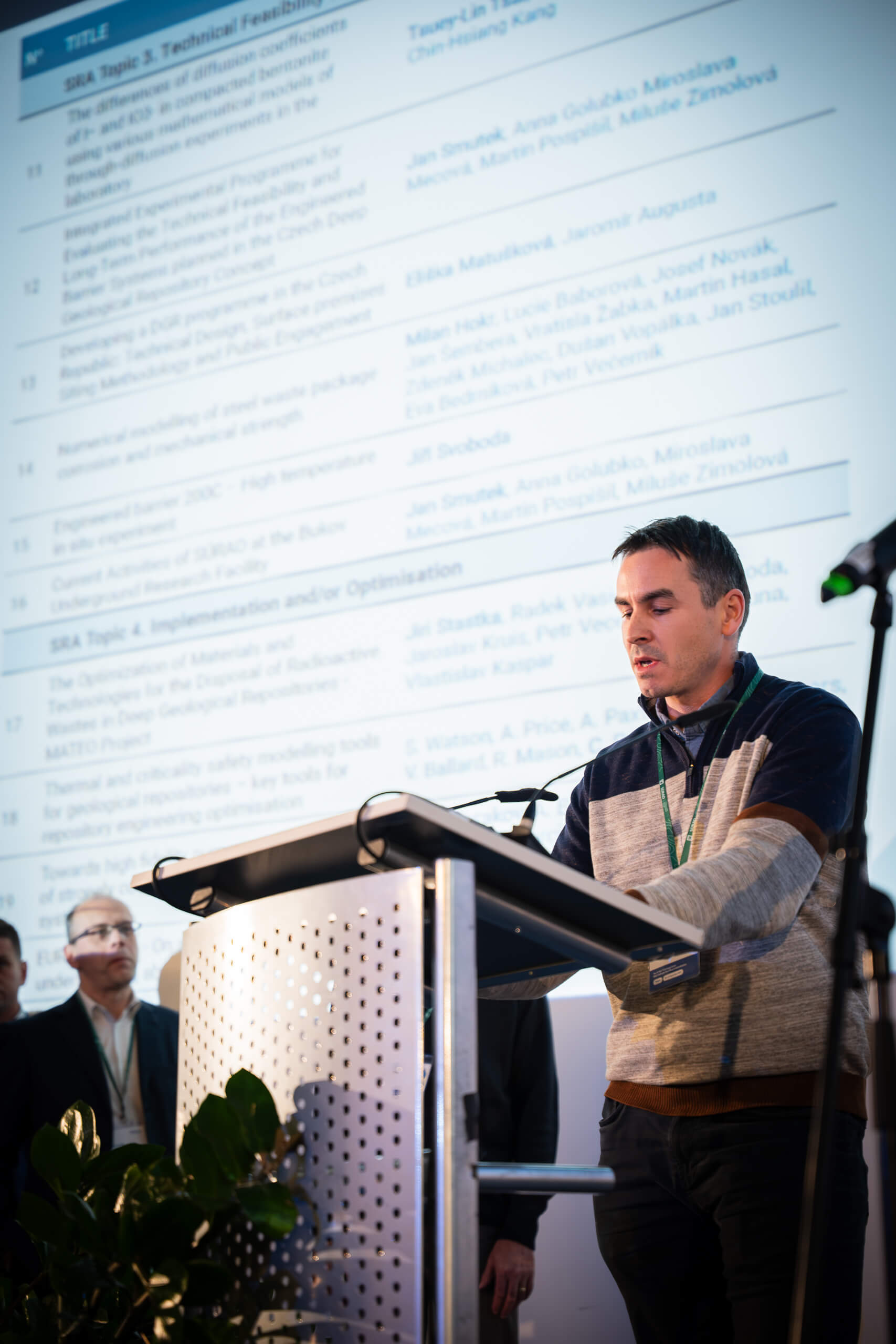
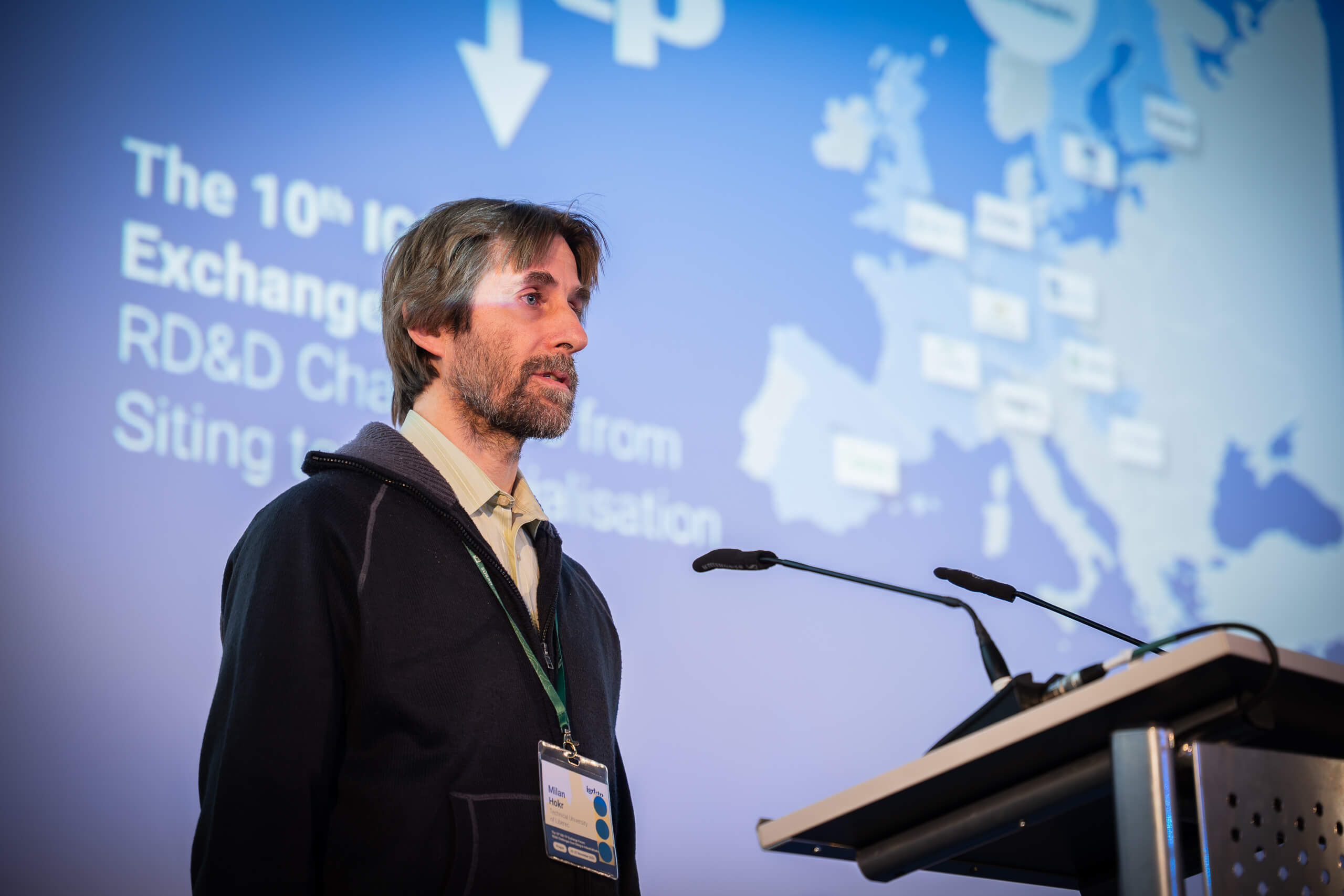
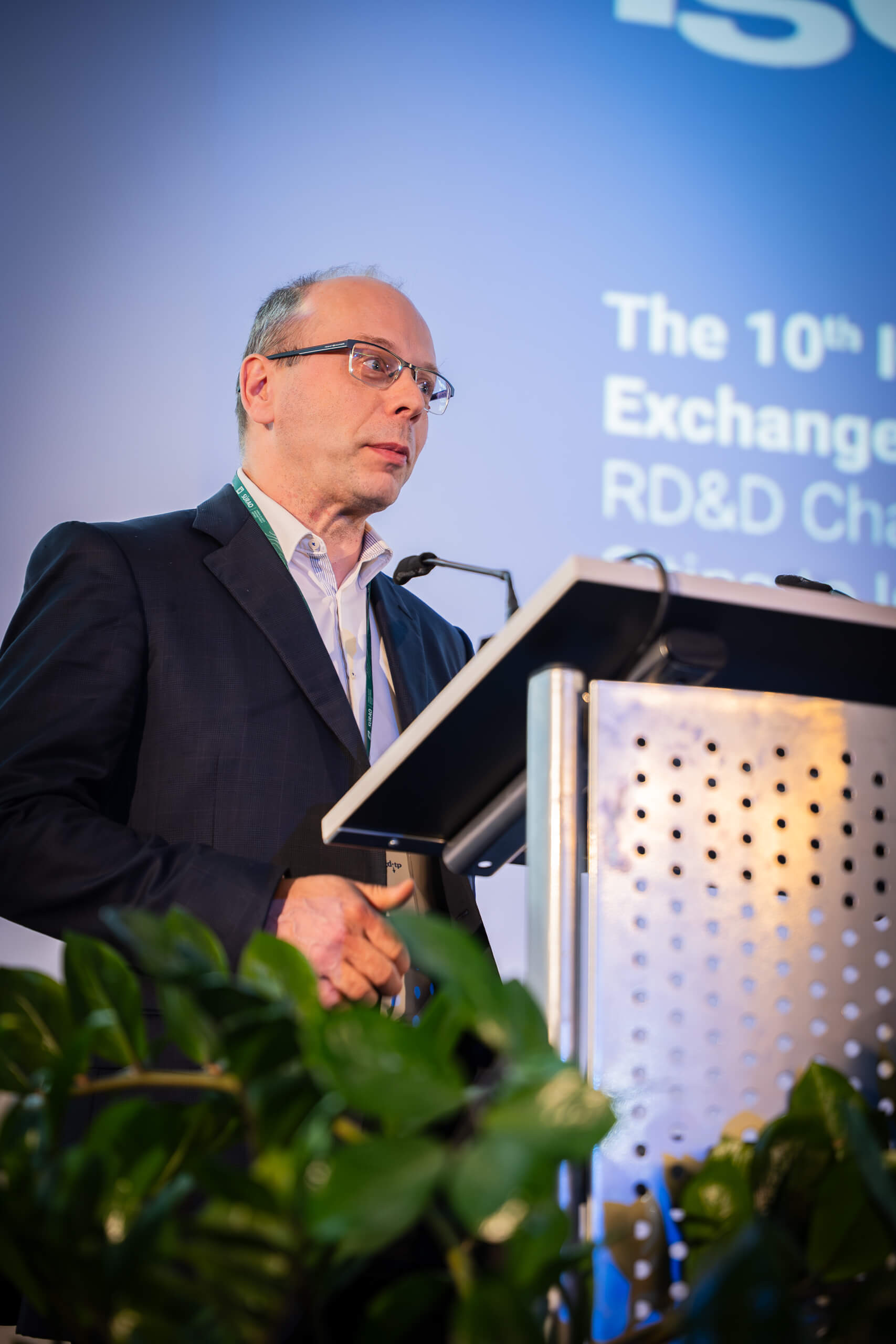





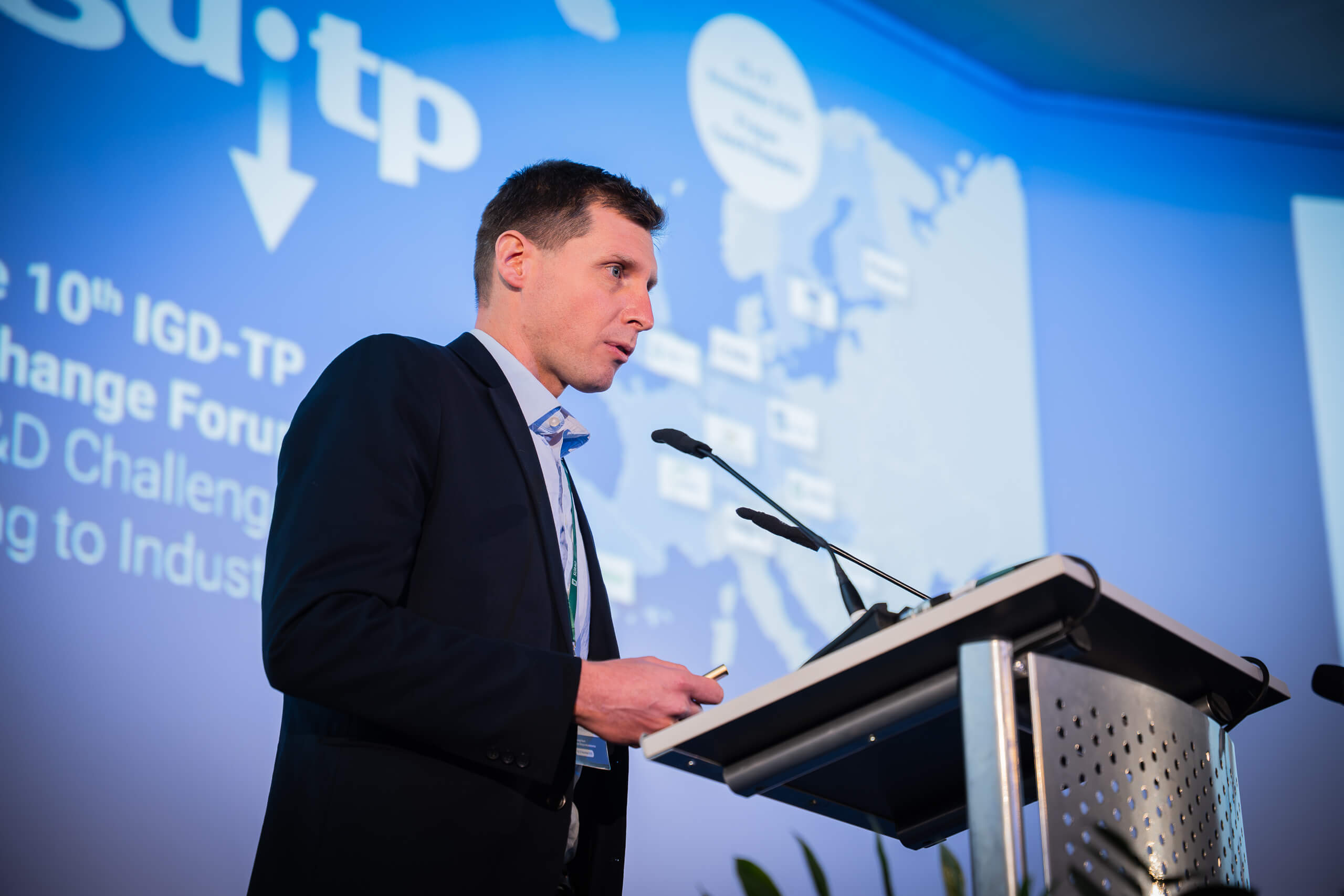
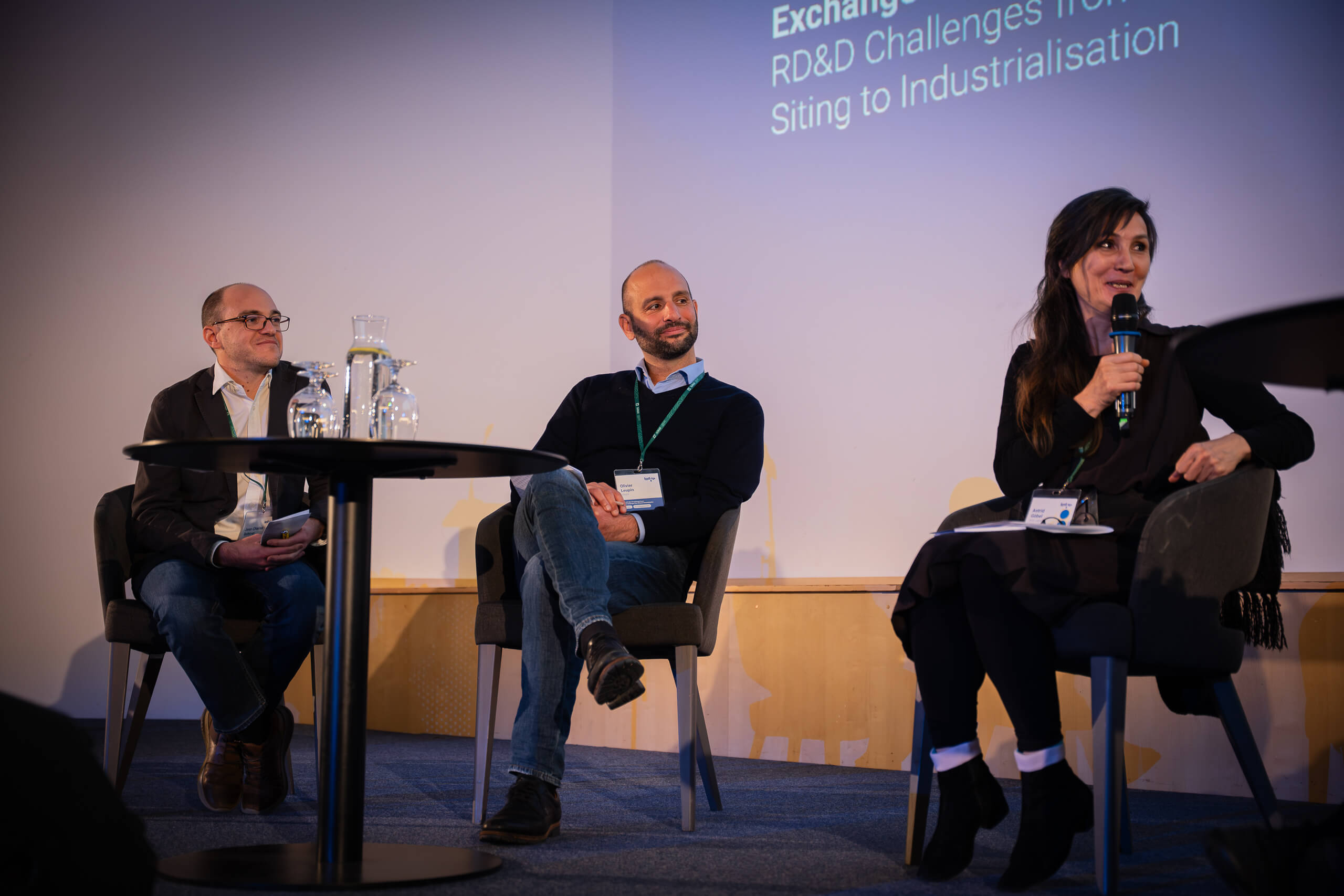
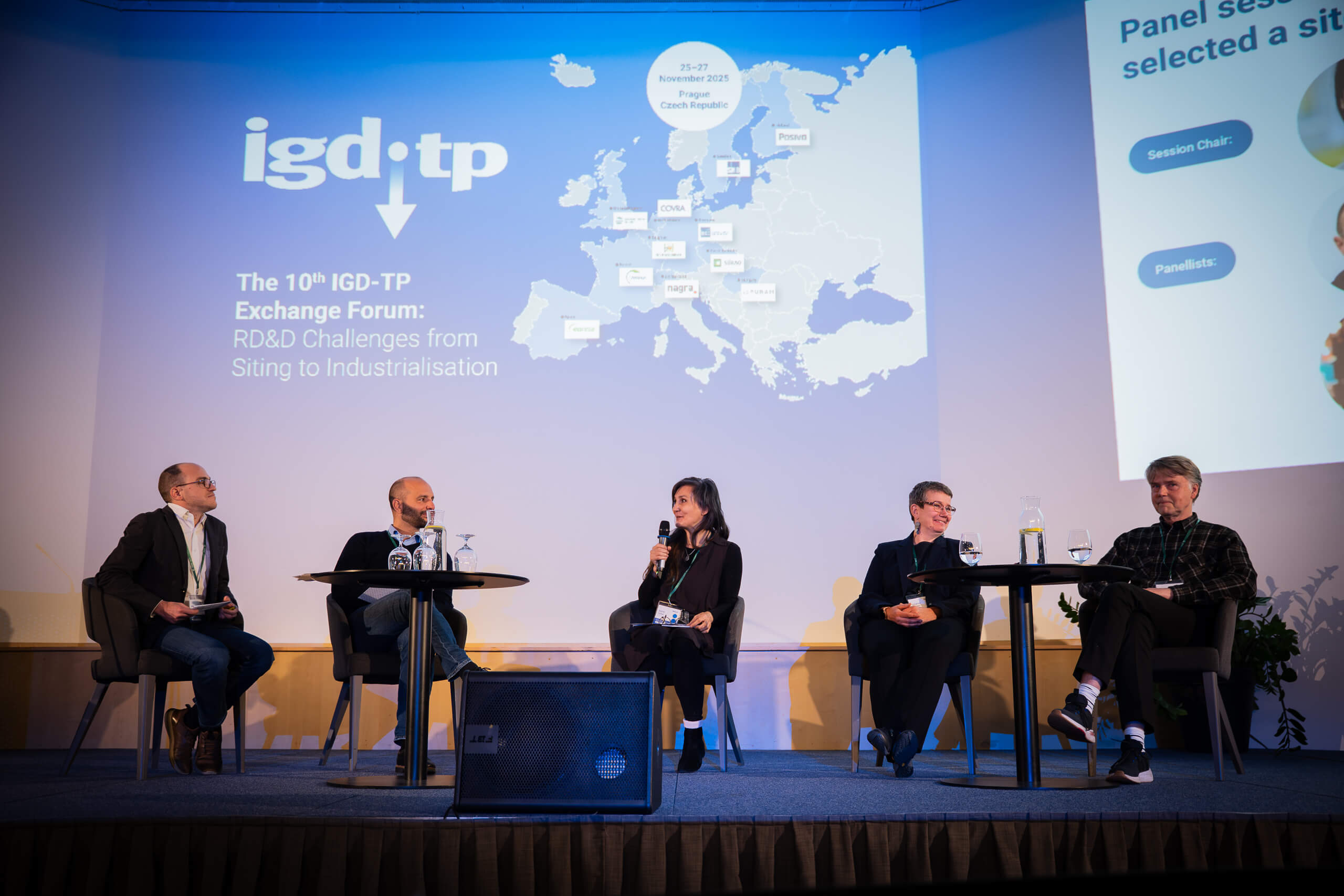
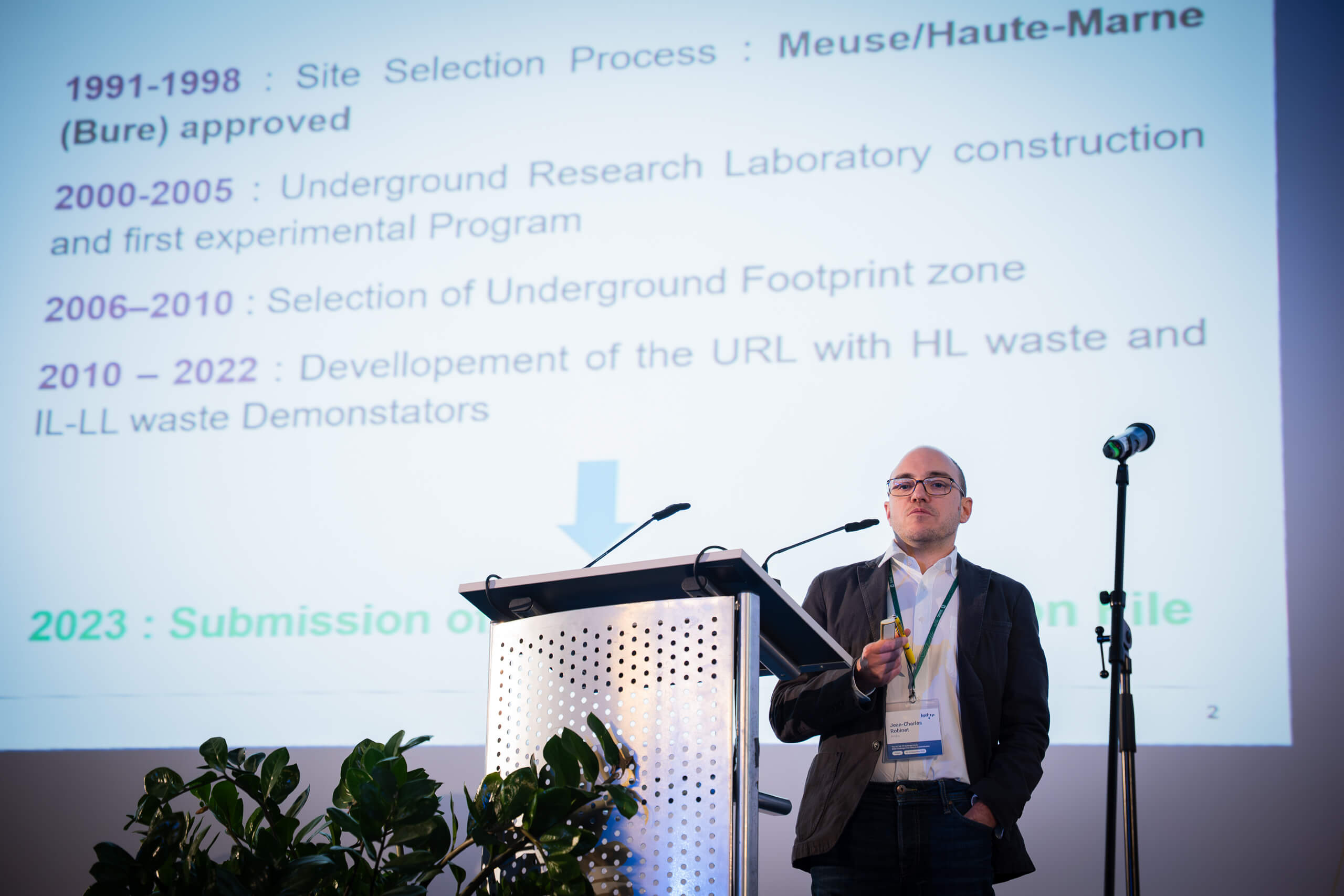









Scientific Committee
Markéta Dohnálková (SÚRAO, Czech Republic)
Lucie Hausmannová (SÚRAO, Czech Republic)
Tiina Jalonen (Nagra, Switzerland)
Astrid Göbel (BGE, Germany)
Jon Martin (NWS, UK)
Anni Fritzell (SKB, Sweden)
Jean-Charles Robinet (ANDRA, France)
Tamara Baldwin (GSL, UK)
Liz Howett (GSL, UK)
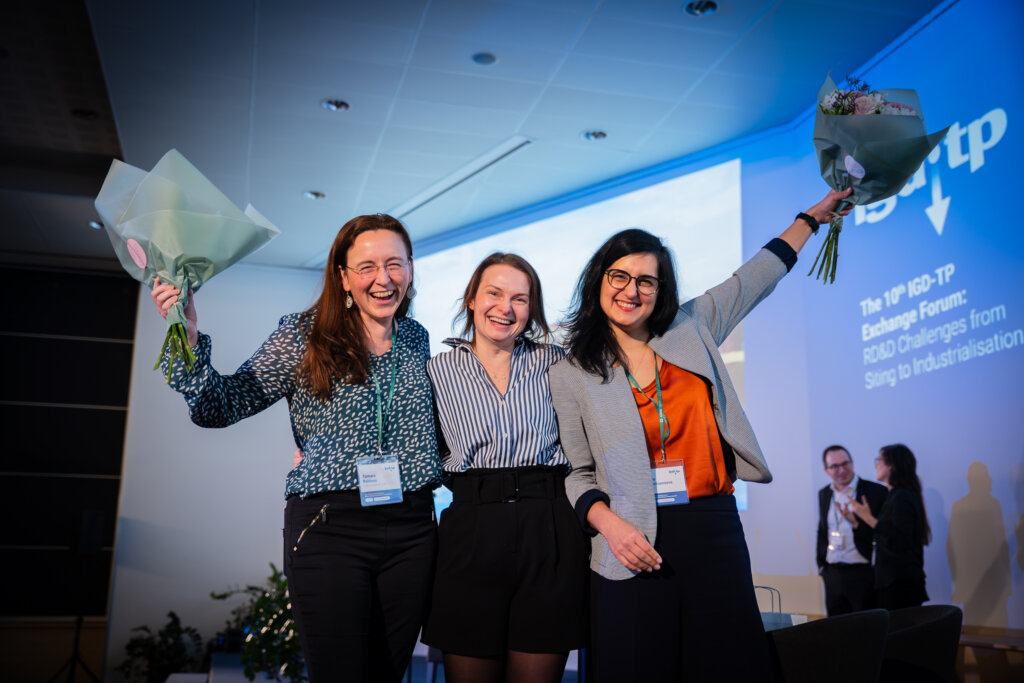
Event Summary
Day 1
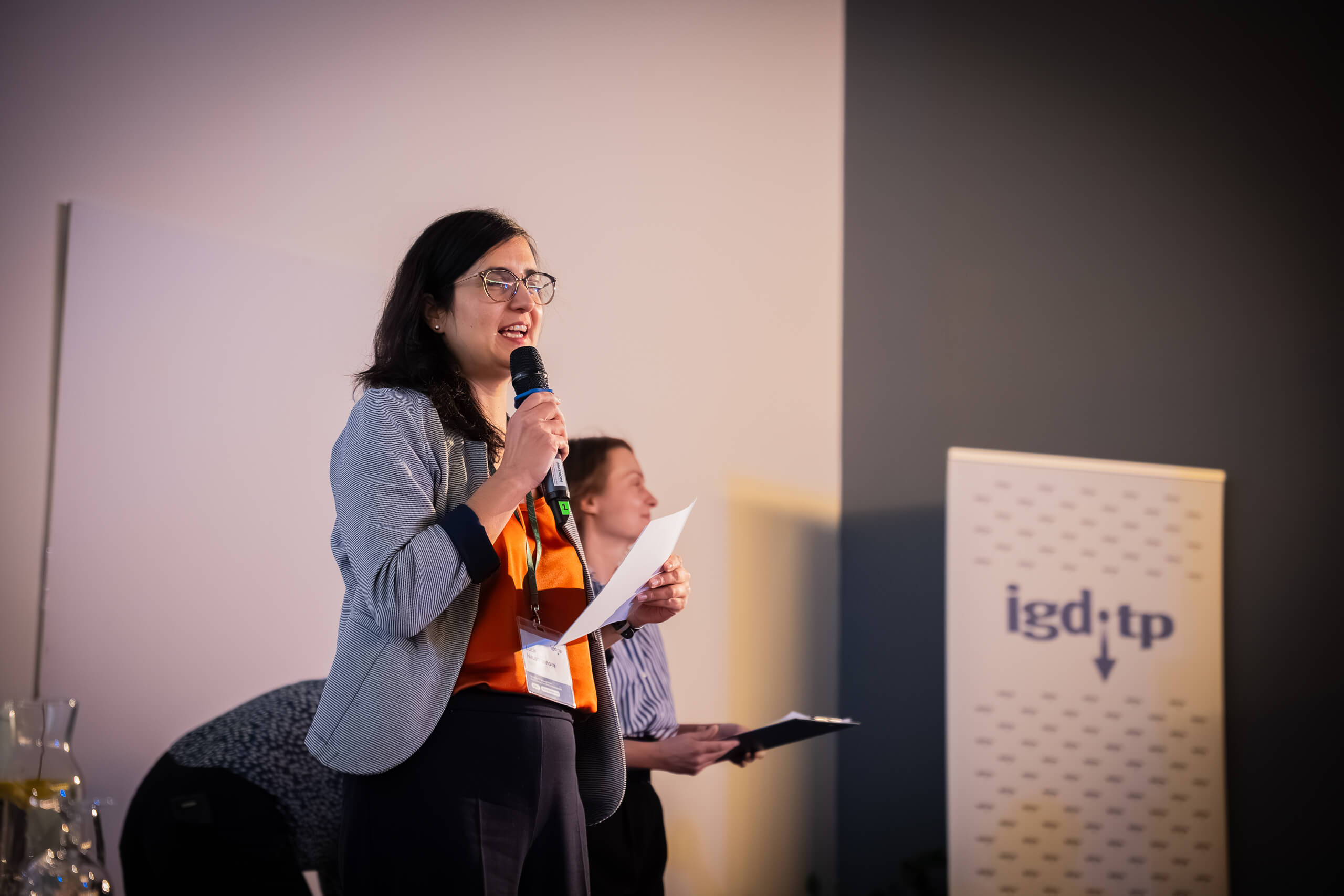
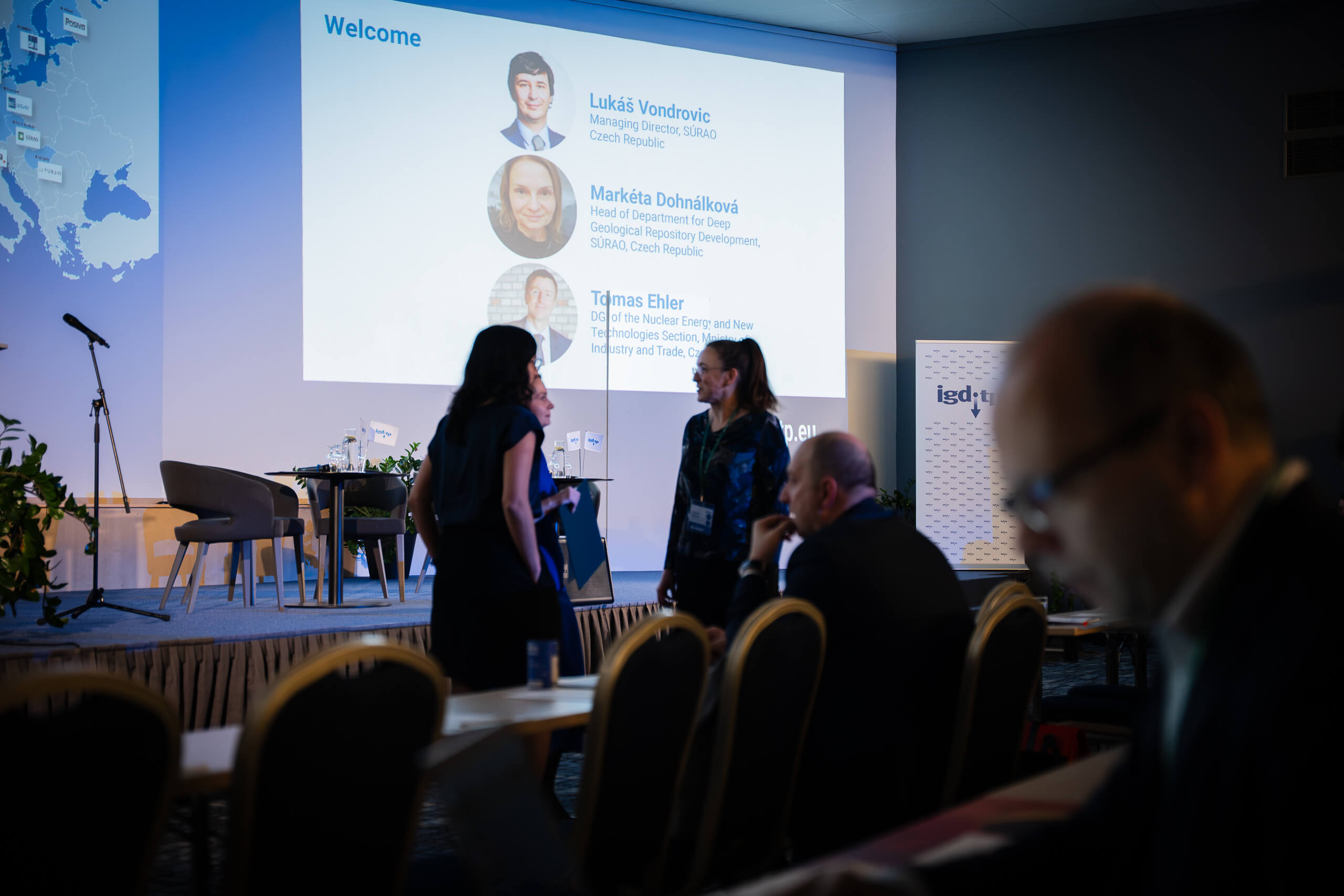
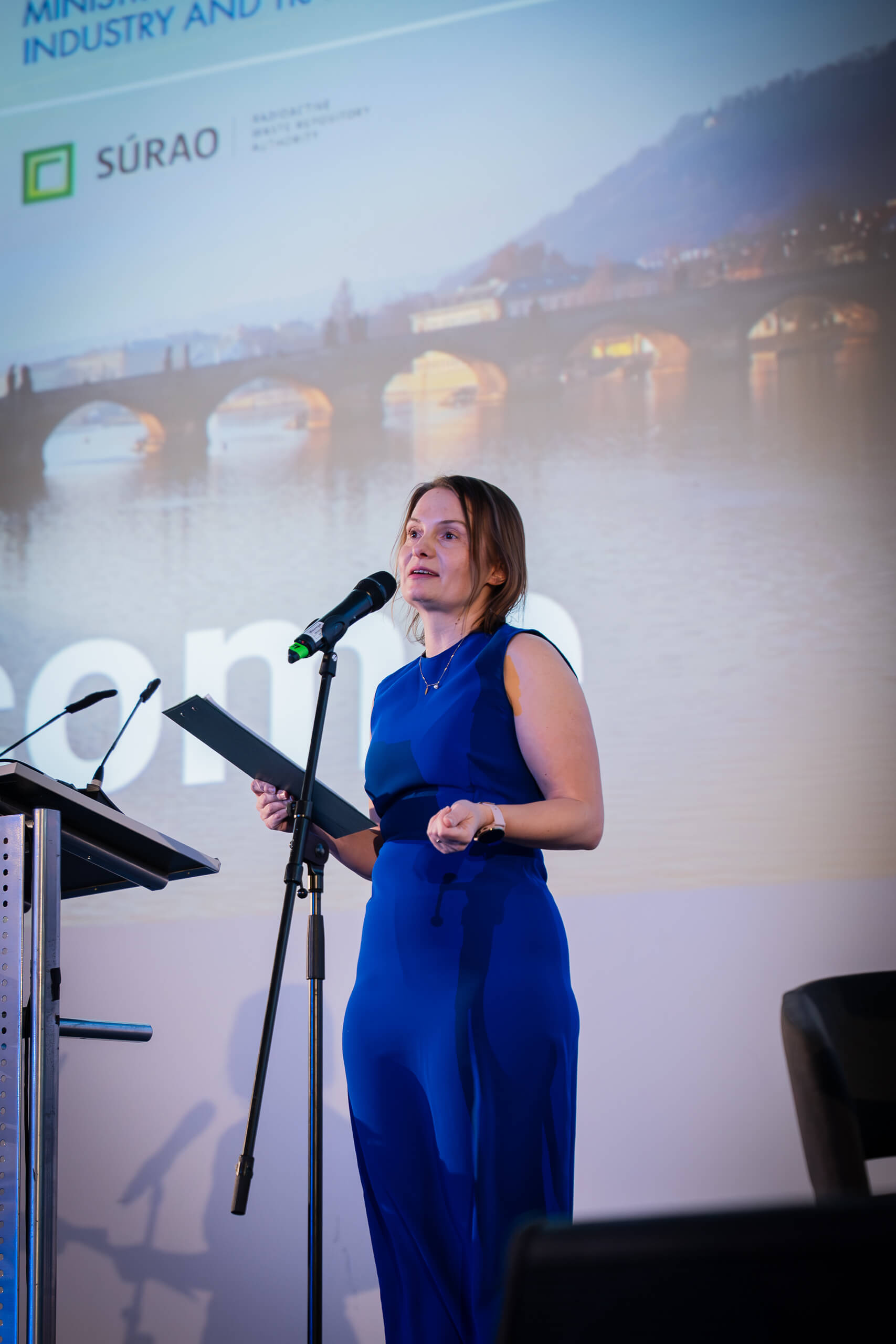
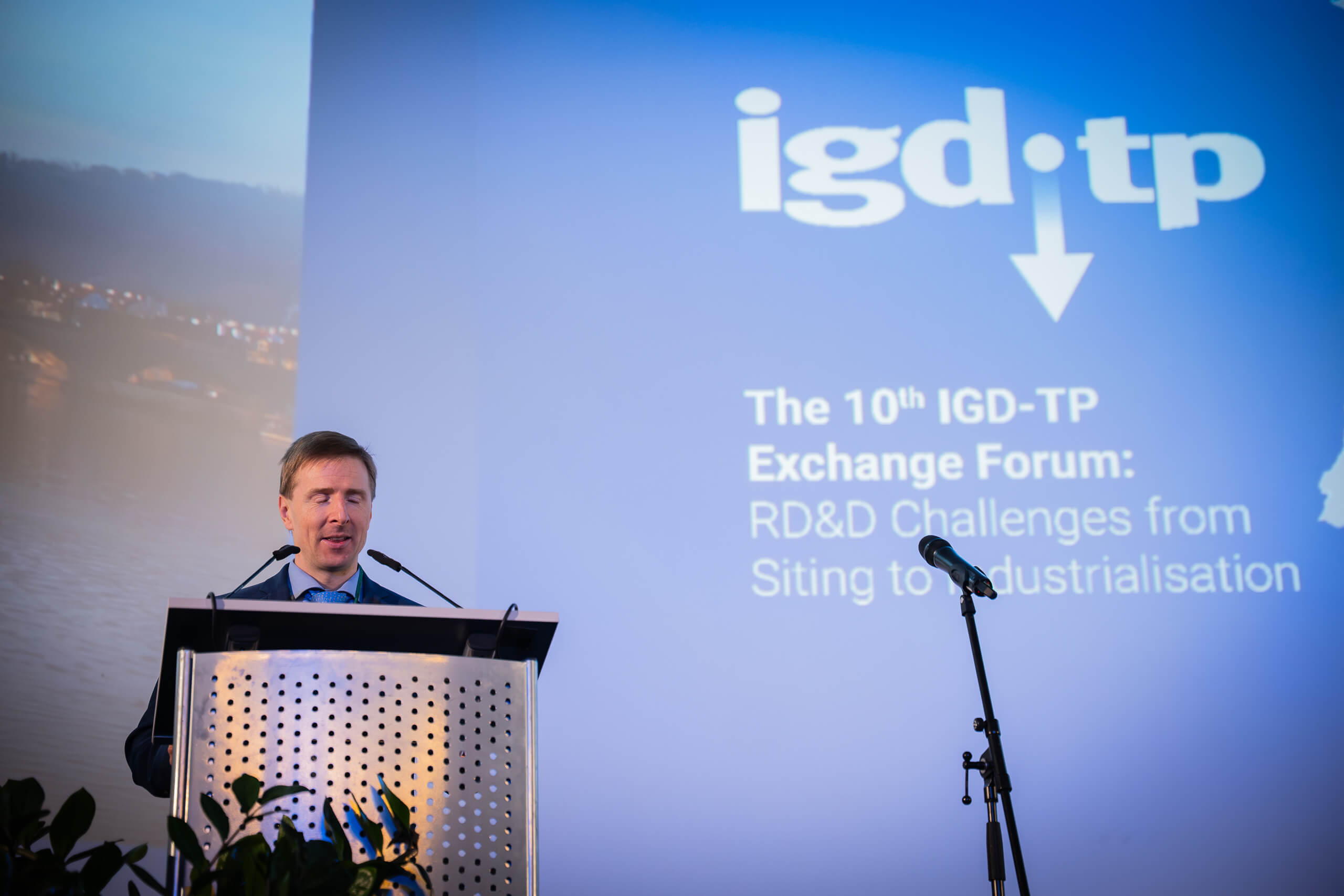
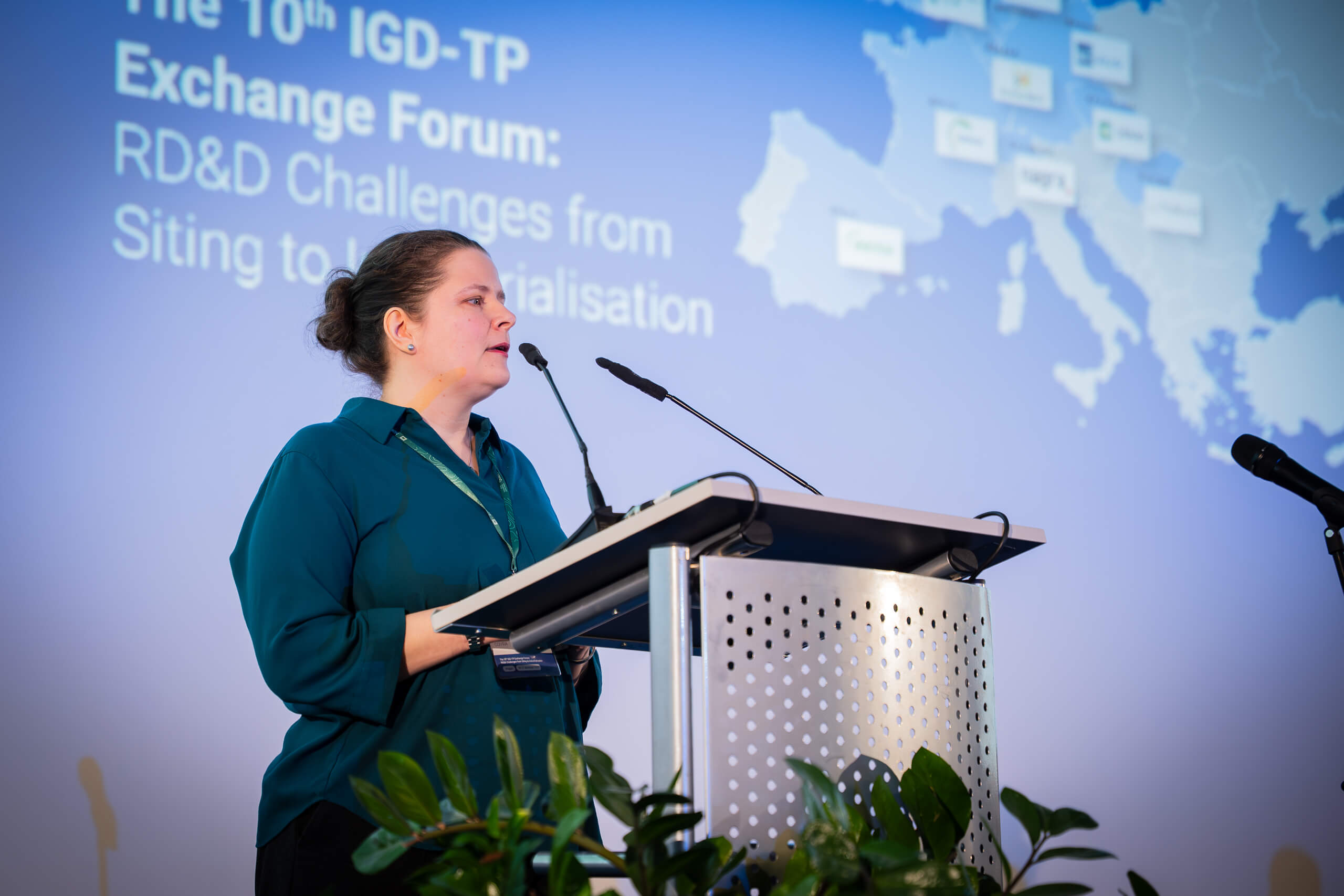
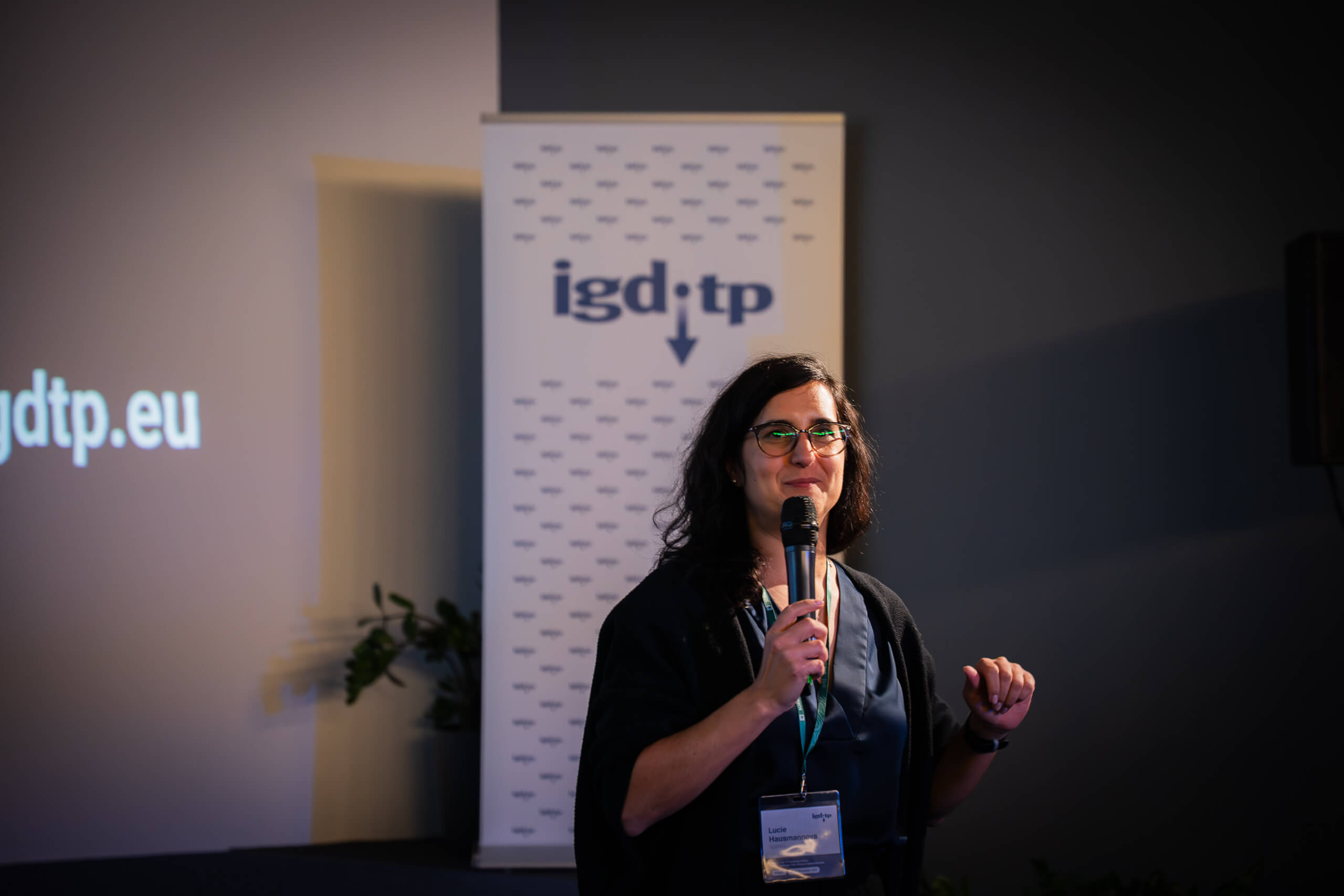
Attendees were welcomed by Lukáš Vondrovic (SURAO, Czech Republic), Tomas Ehler (Czech Ministry of Industry and Trade) and Markéta Dohnálková (IGD-TP Chair / SÚRAO, Czech Republic).


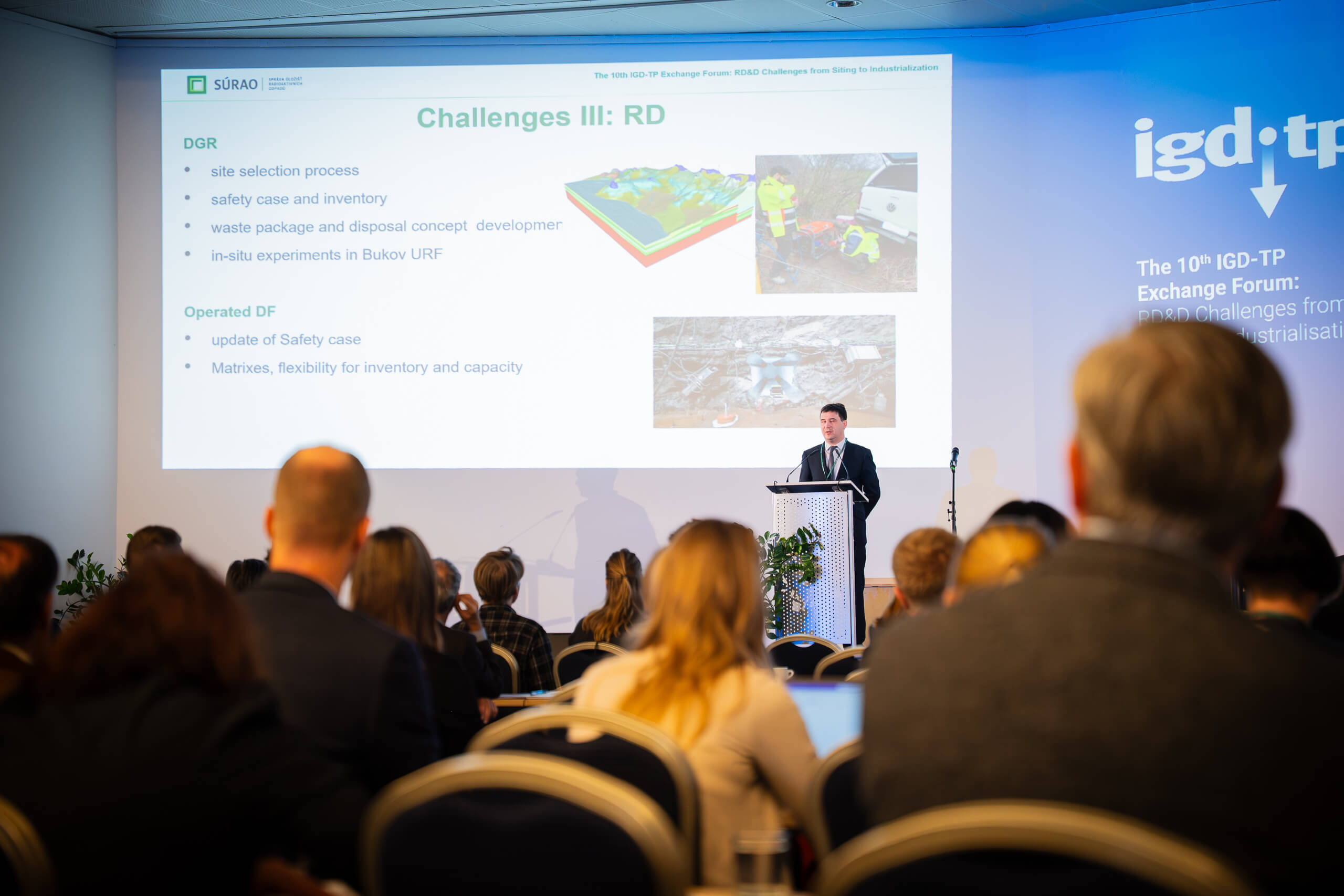
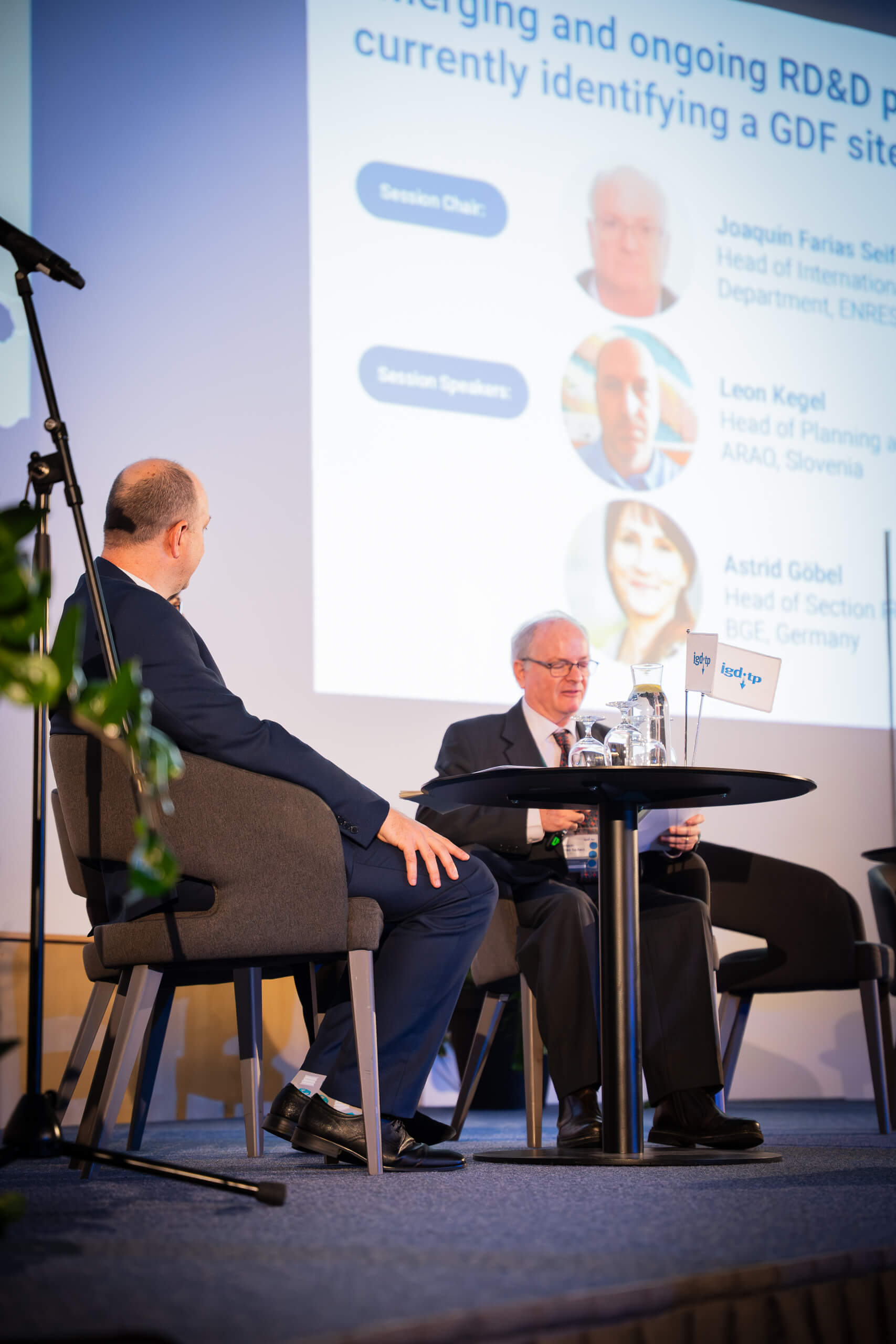
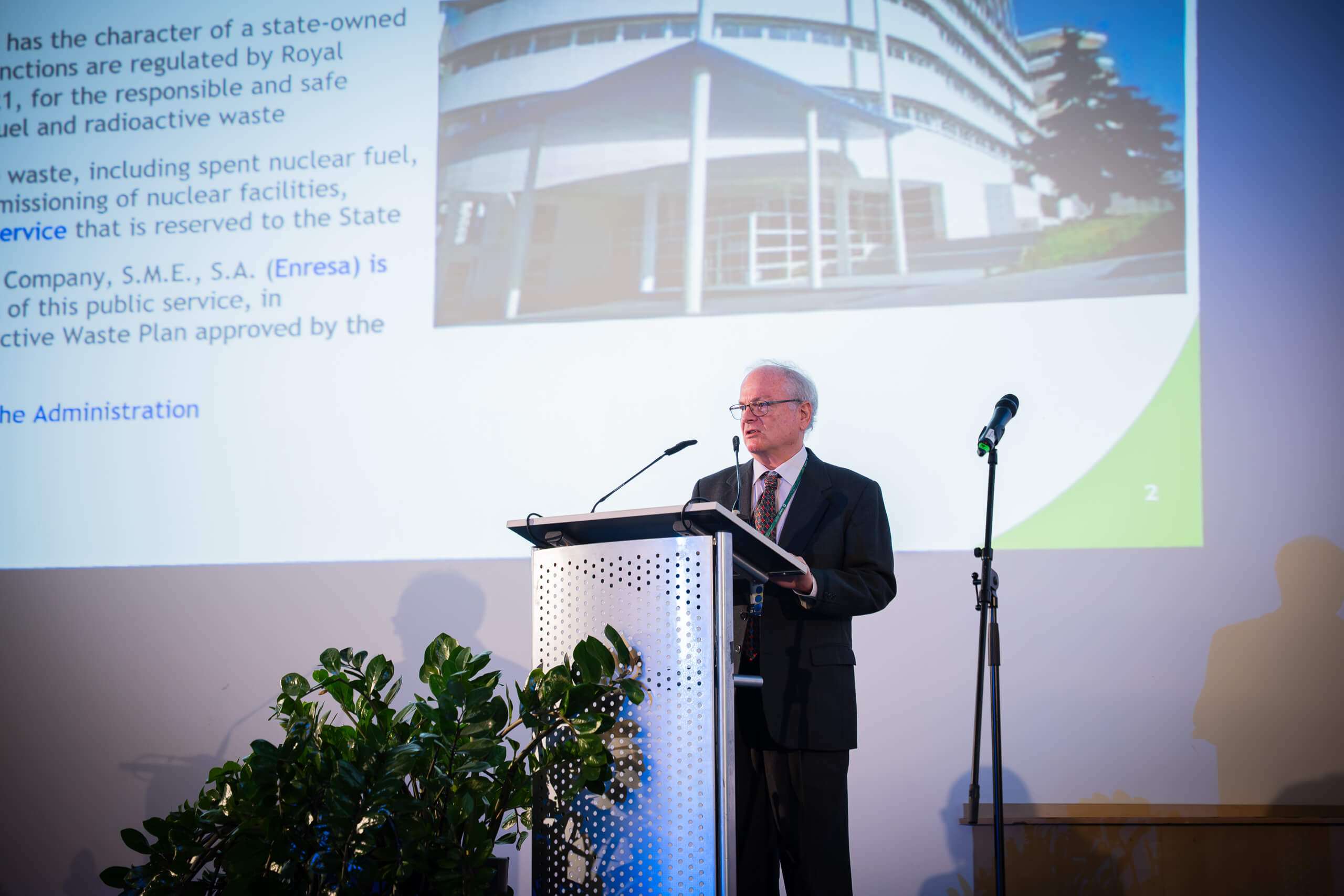
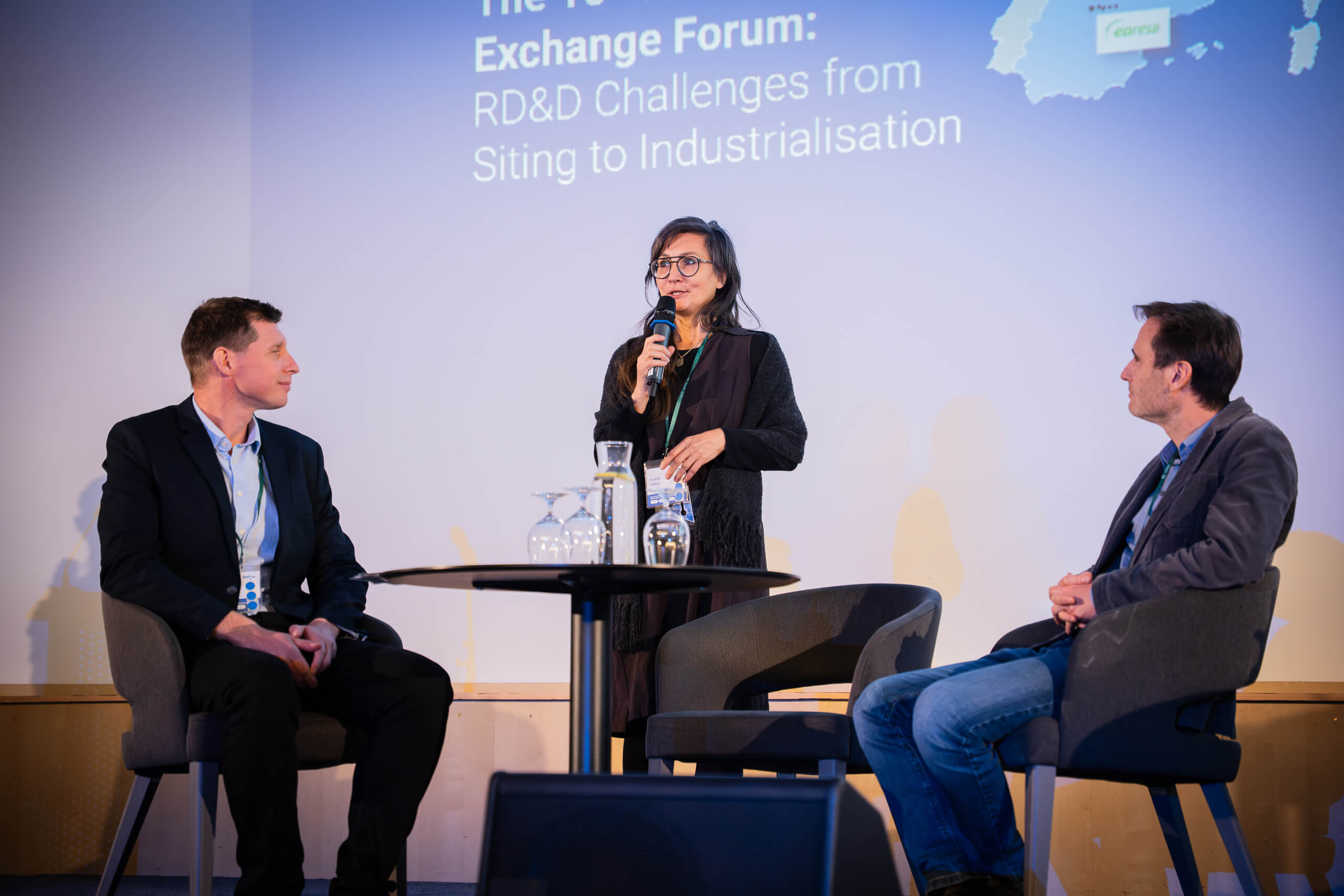
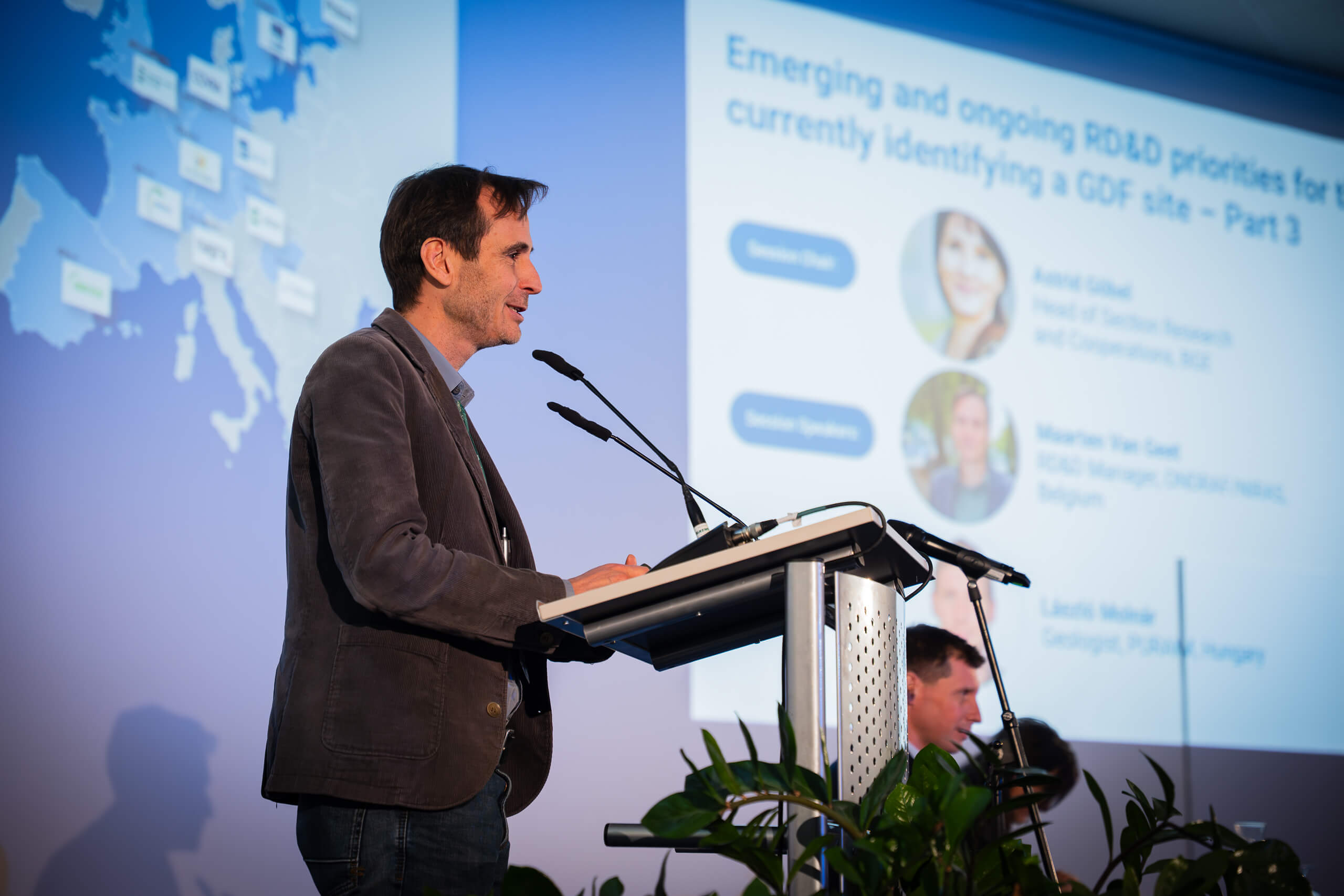
 The first session of the day covered emerging and ongoing RD&D priorities for those WMOs currently identifying a GDF site. Each presenter provided a status update/summary of key activities in the geological disposal programme in that country, followed by a technical presentation of the key RD&D challenges relevant to the current programme stage. This session included presentations from: ARAO (Slovenia), SURAO (Czech Republic), BGE (Germany), ONDRAF/NIRAS (Belgium), COVRA (The Netherlands), PURAM (Hungary), ENRESA (Spain) and NWS (UK).


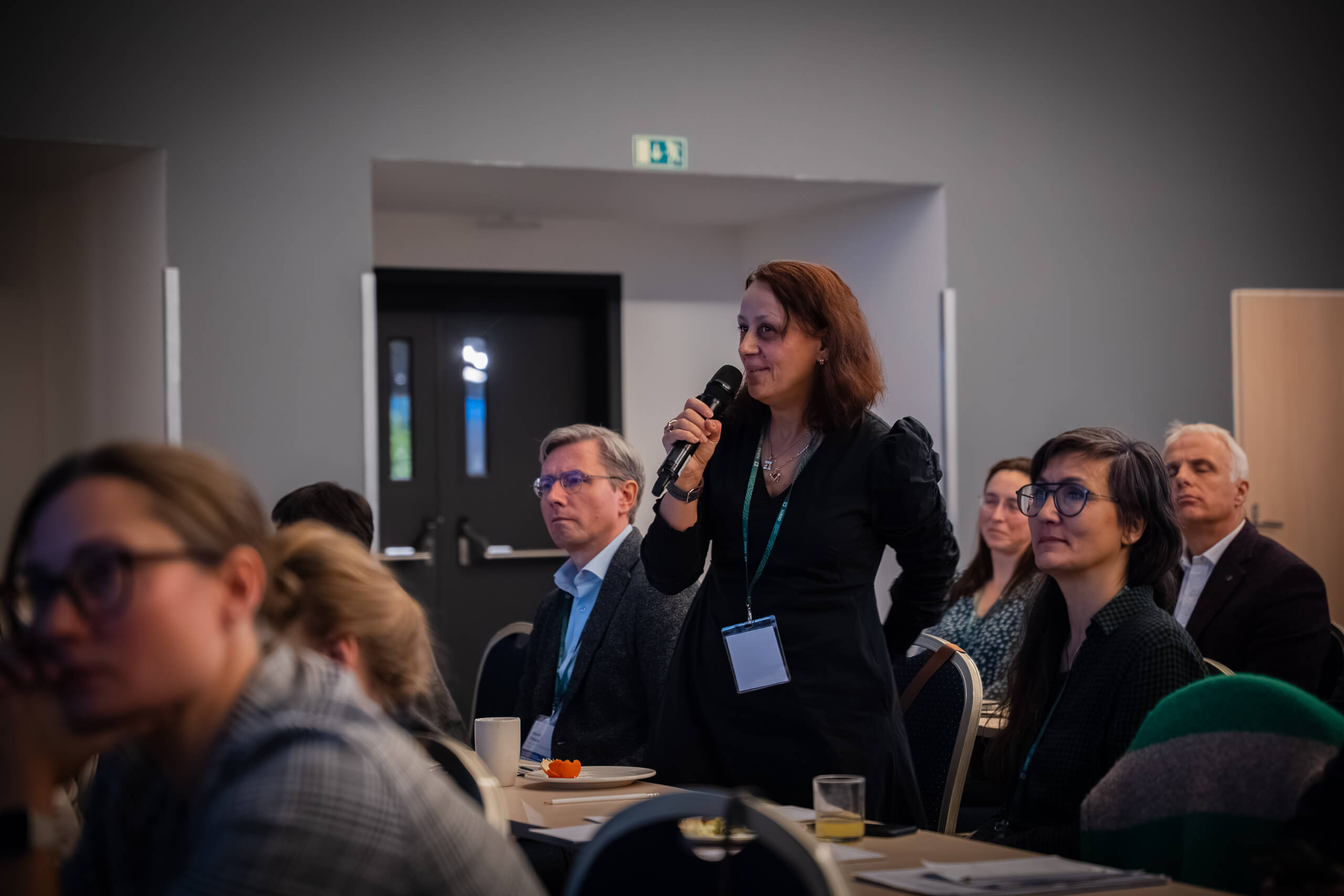
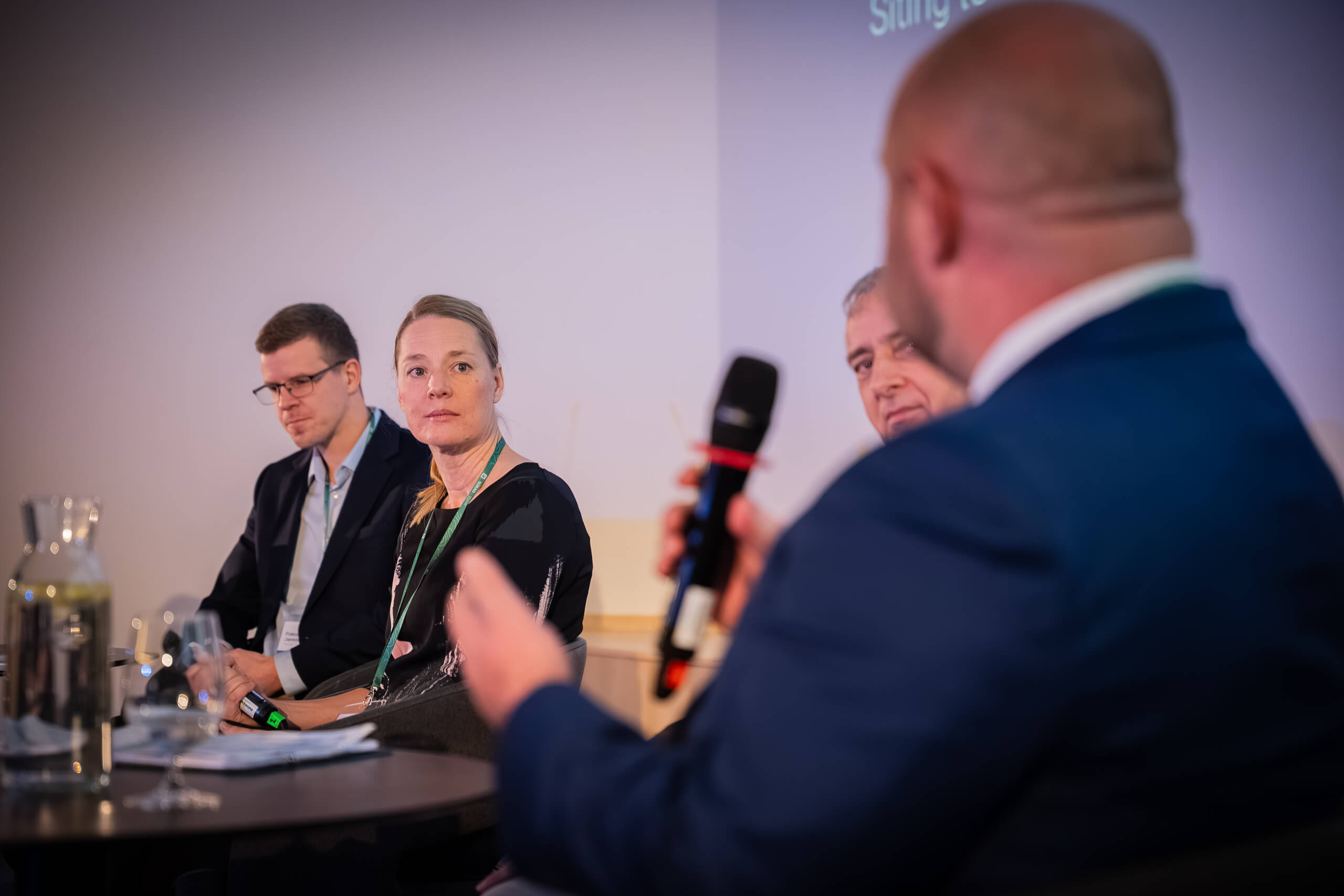
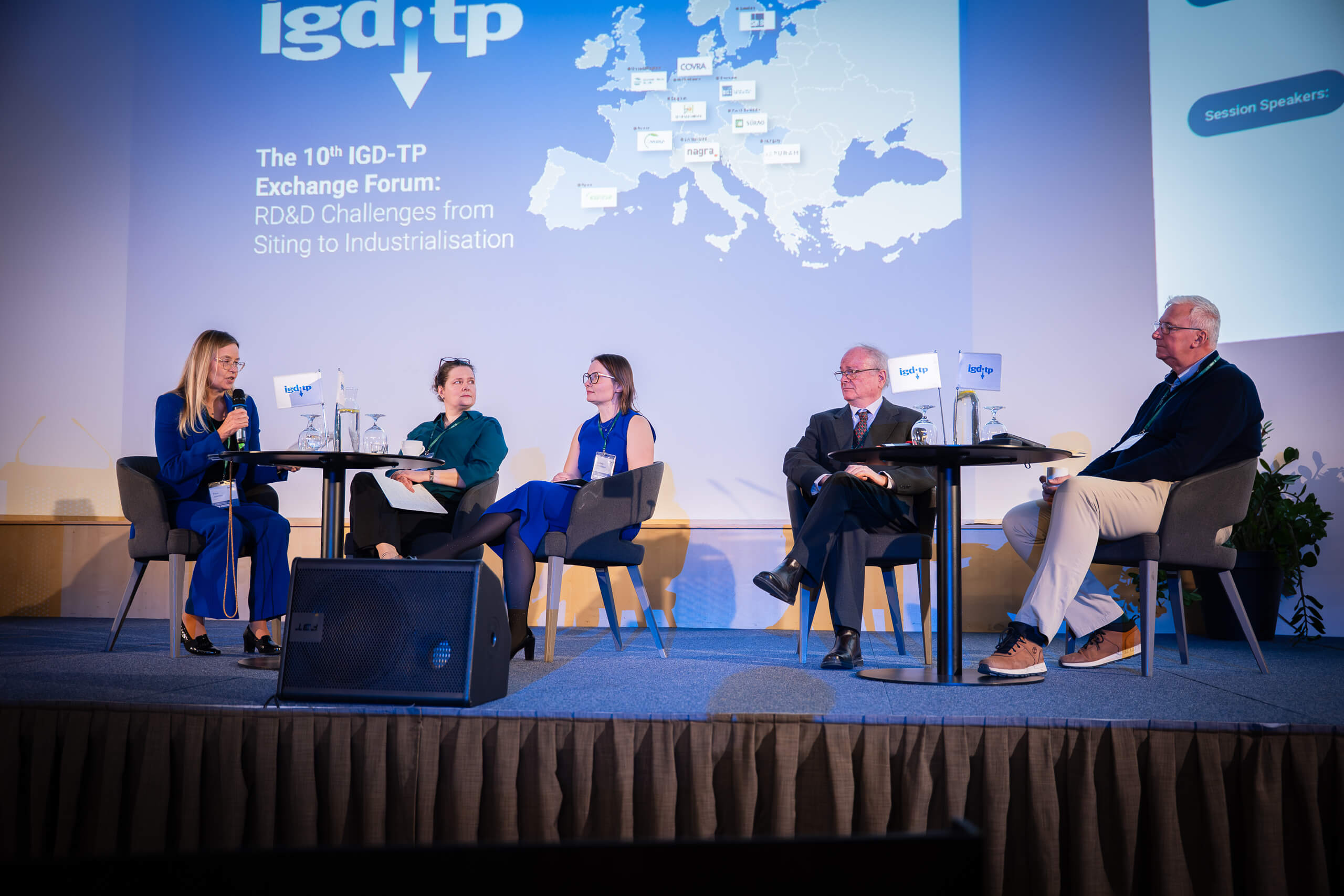
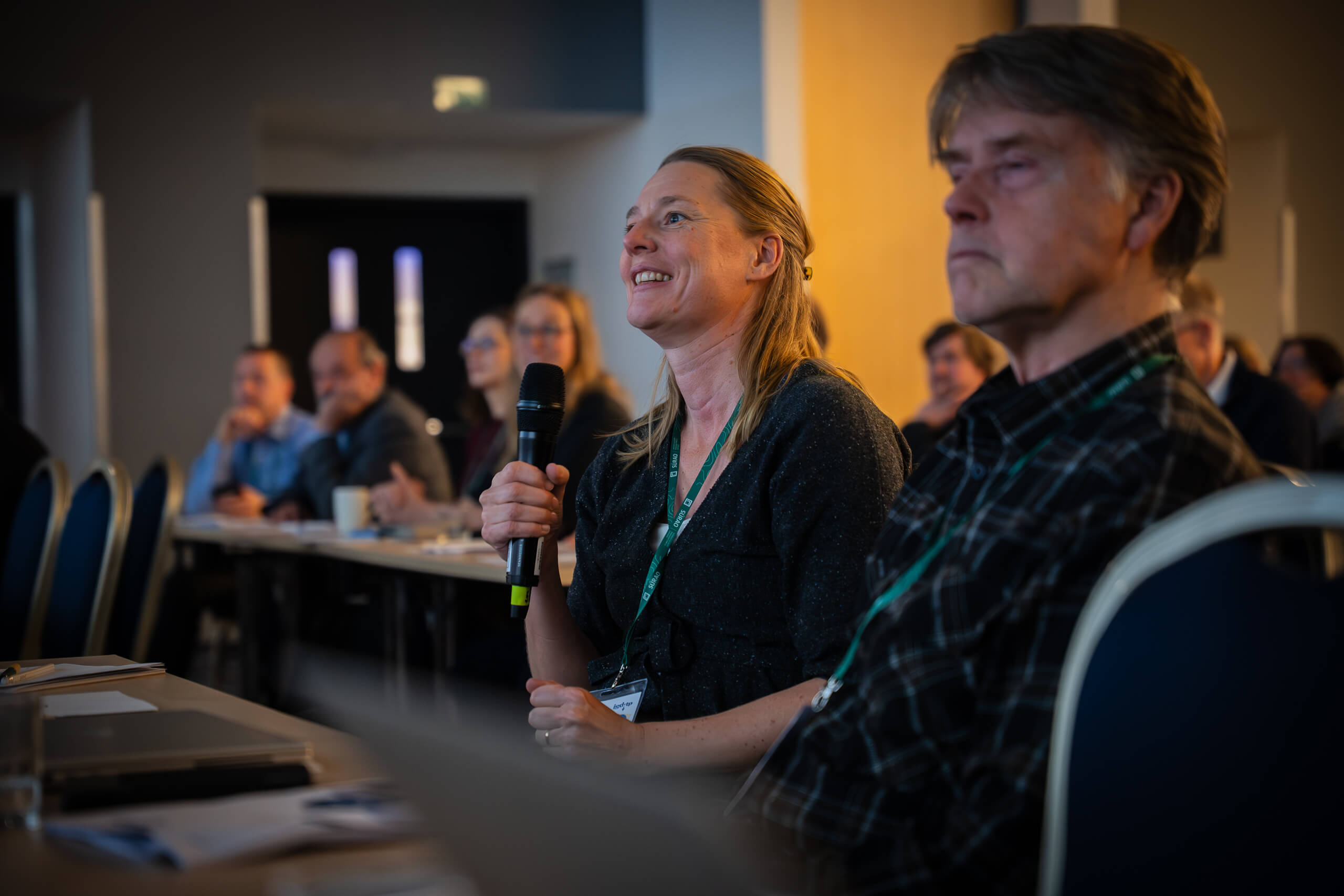
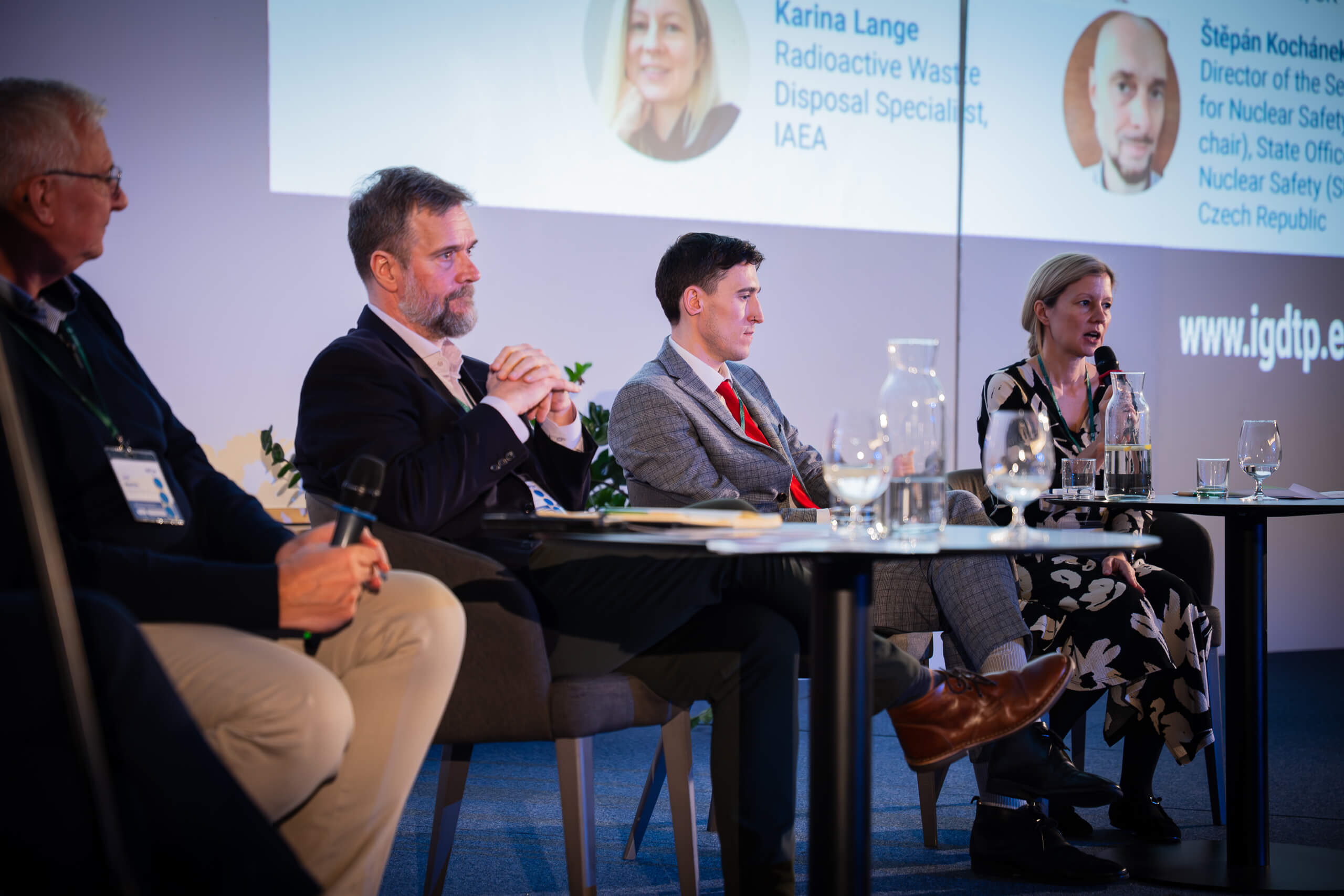
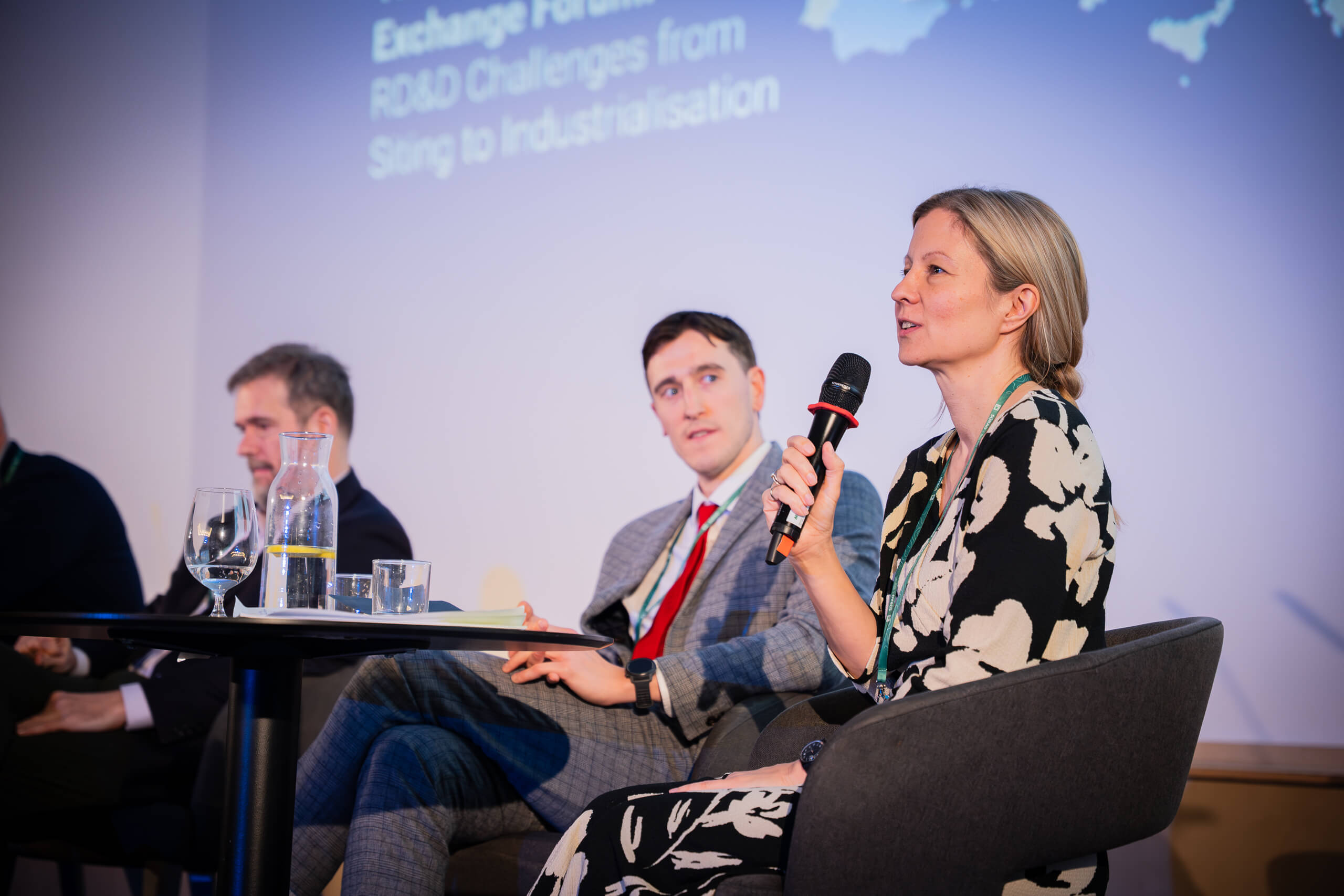
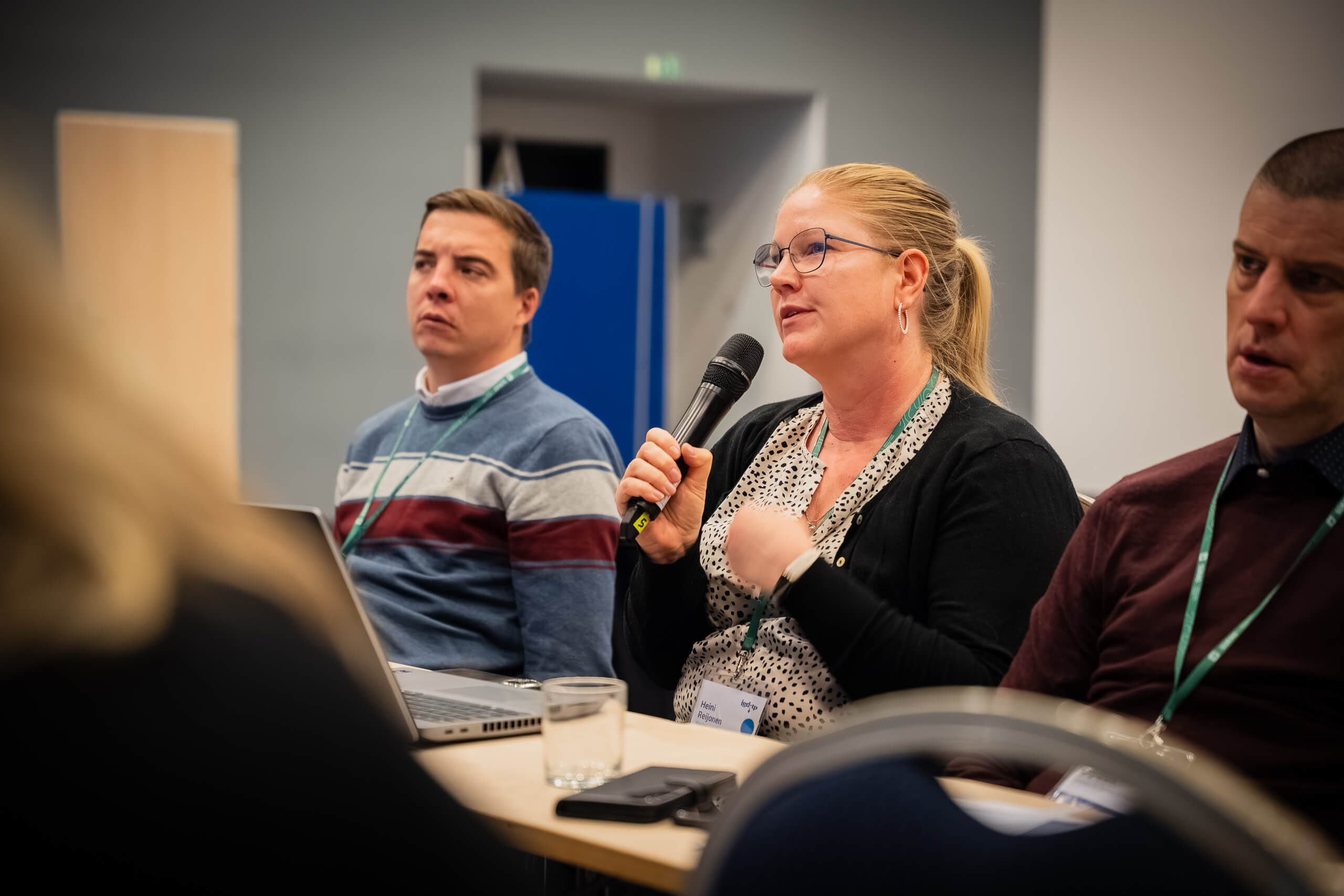
 This was followed by a panel session on learning from WMOs that have selected a site. Each of the panellists gave a 5 minute presentation on the most significant/most technically interesting challenge during siting/site characterisation and any advice that they would pass on to the WMOs undertaking siting. The floor was then opened to questions from the audience. The panel included representatives from ANDRA, Nagra, Posiva and SKB.
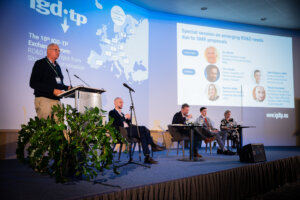
The final session of the day was a special session on emerging RD&D needs due to SMR proposals. There is considerable development in Small Modular Reactors (SMRs) across many countries, with substantially different designs. This session focused on the different wastes that could result from SMRs (both operational and decommissioning) and which will require disposal, and the RD&D challenges that they pose. Key questions discussed included: What is novel about these wastes? Are there new RD&D challenges beyond those already considered by waste disposal organisations? The session included speakers representing the EURAD FORSAFF project, the IAEA, ERDO (Association for Multinational Radioactive Waste Solutions) and the Czech regulator (SÚJB).
Copies of the presentations can be downloaded from the event documents section below.
Conference Dinner
The Conference Dinner took place on Tuesday, 25 November 2025, at the Slivovitz Museum, an original Czech distillery.
Day 2
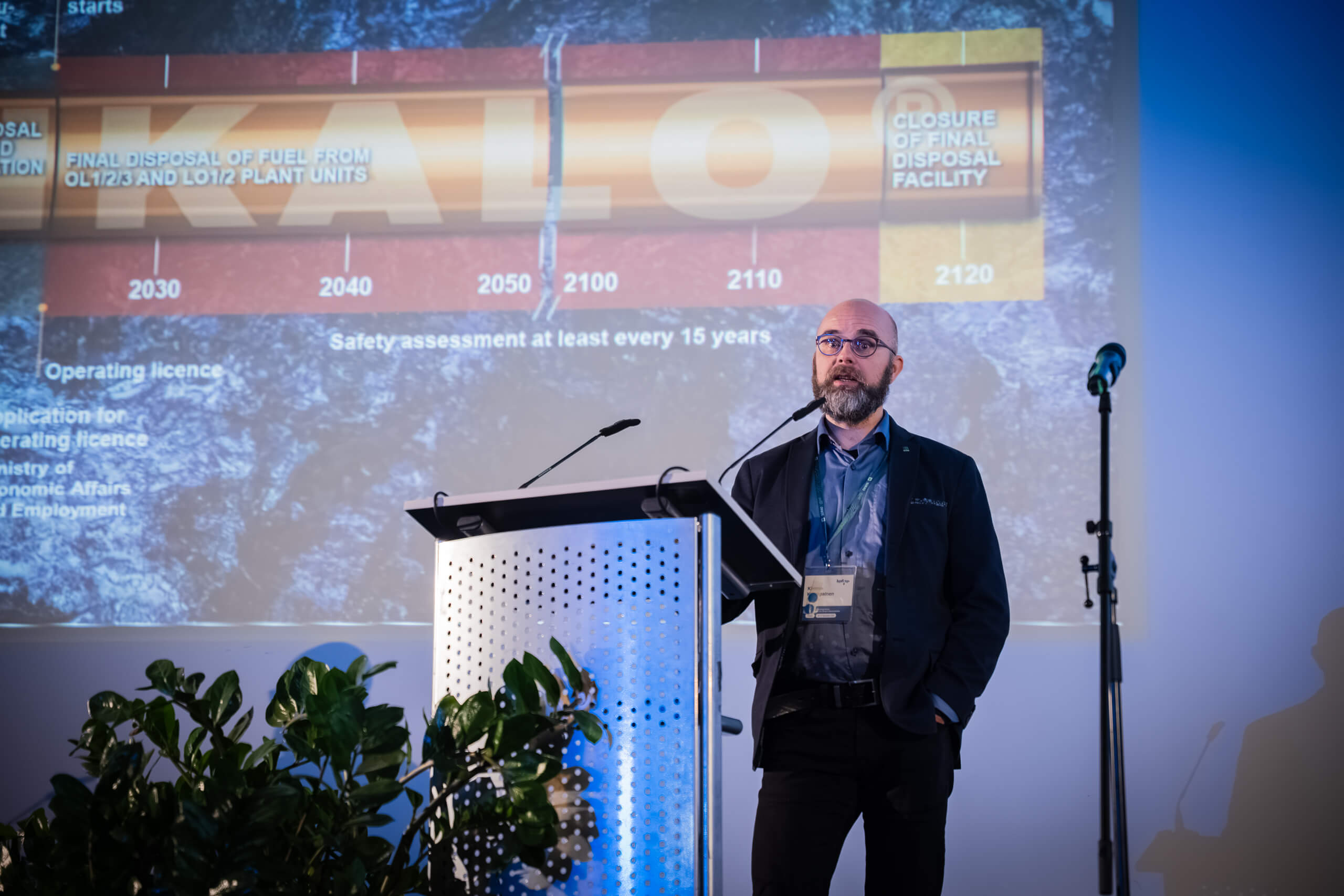
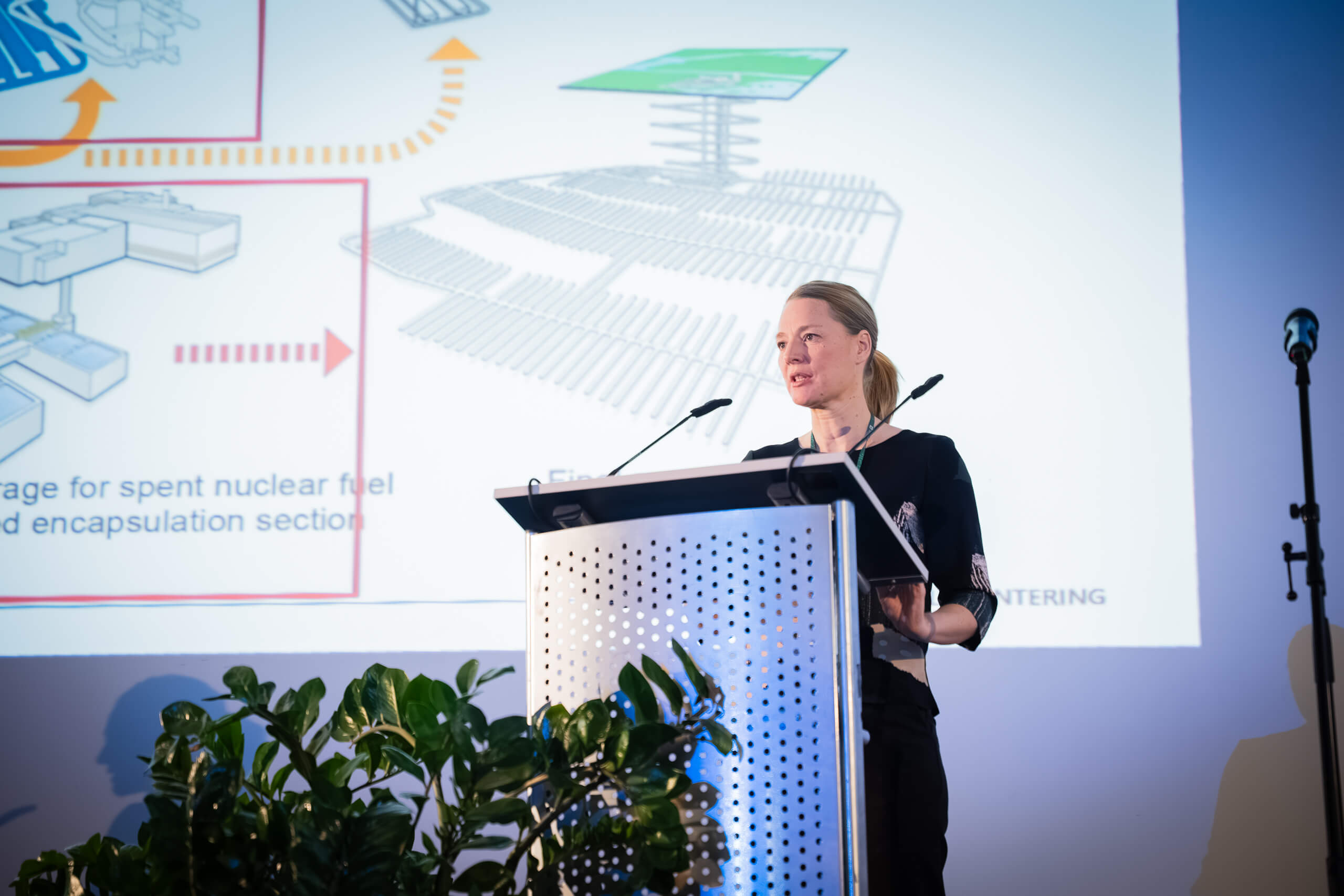
 Day 2 started with a session on emerging and ongoing RD&D priorities of those WMOs implementing a GDF at a selected site. Each presenter provided a status update/summary of key activities in the geological disposal programme in that country, followed by a technical presentation of the key RD&D challenges relevant to the current programme stage. This session included presentations from ANDRA (France), Nagra (Switzerland), Posiva (Finland) and SKB (Sweden).

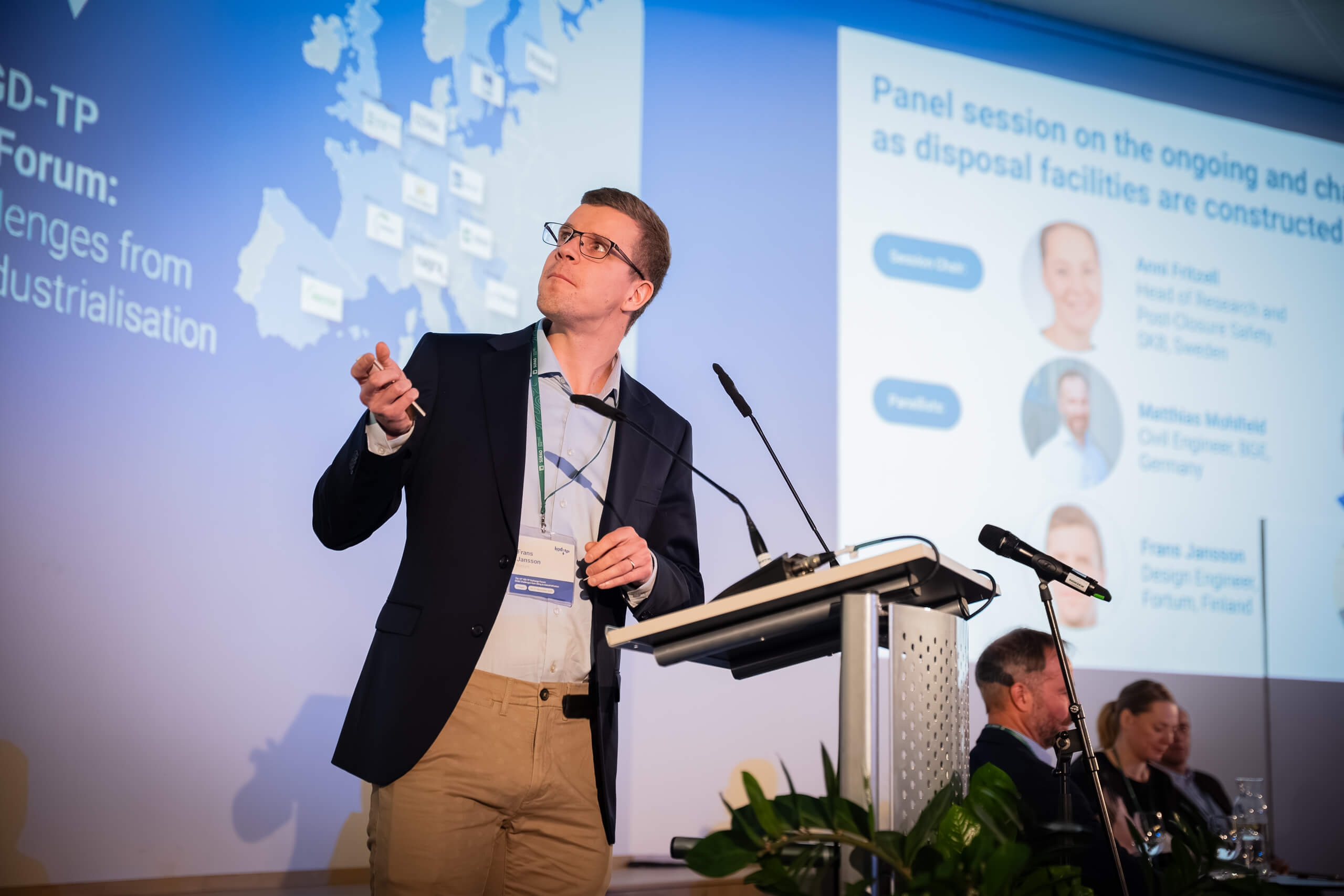
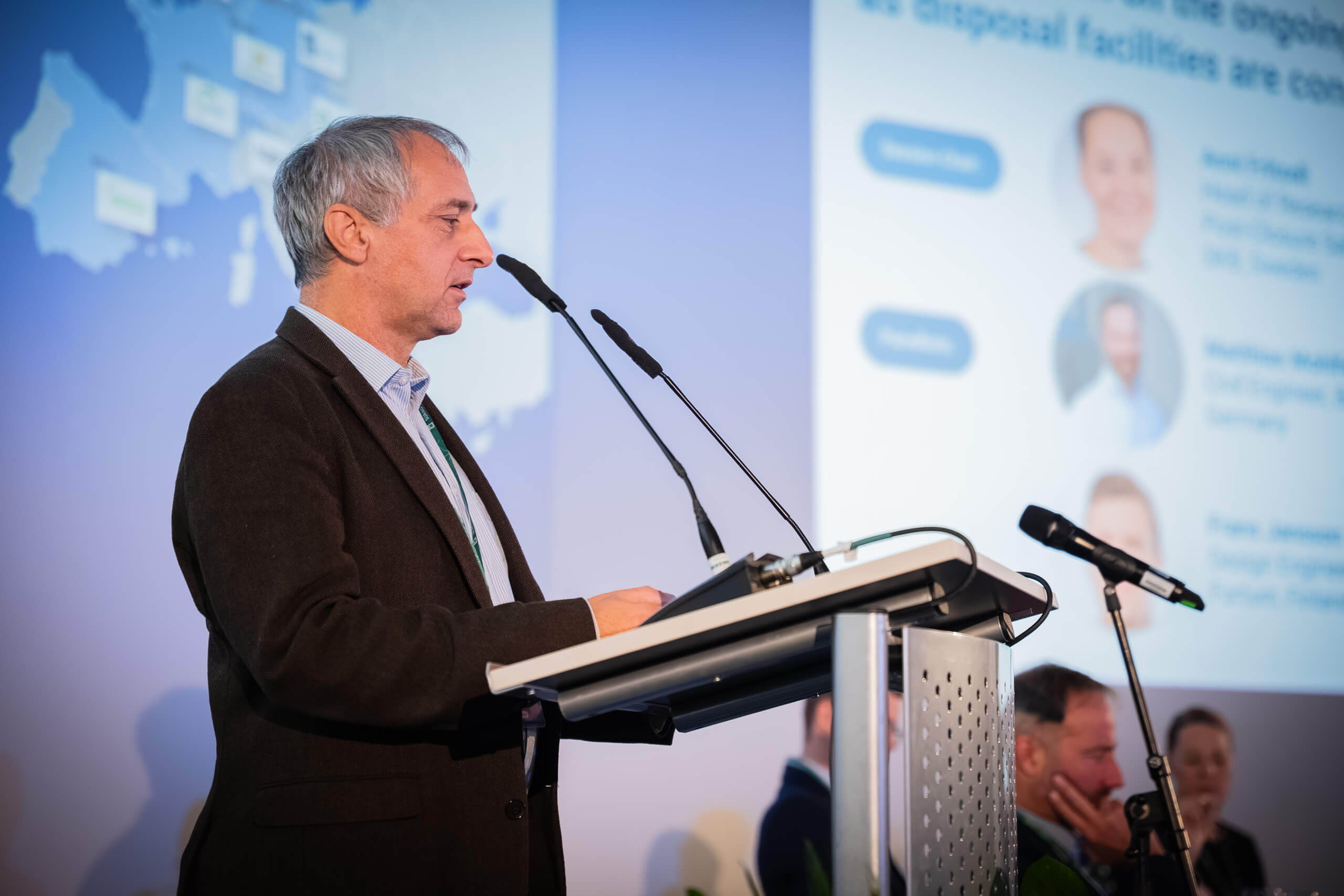
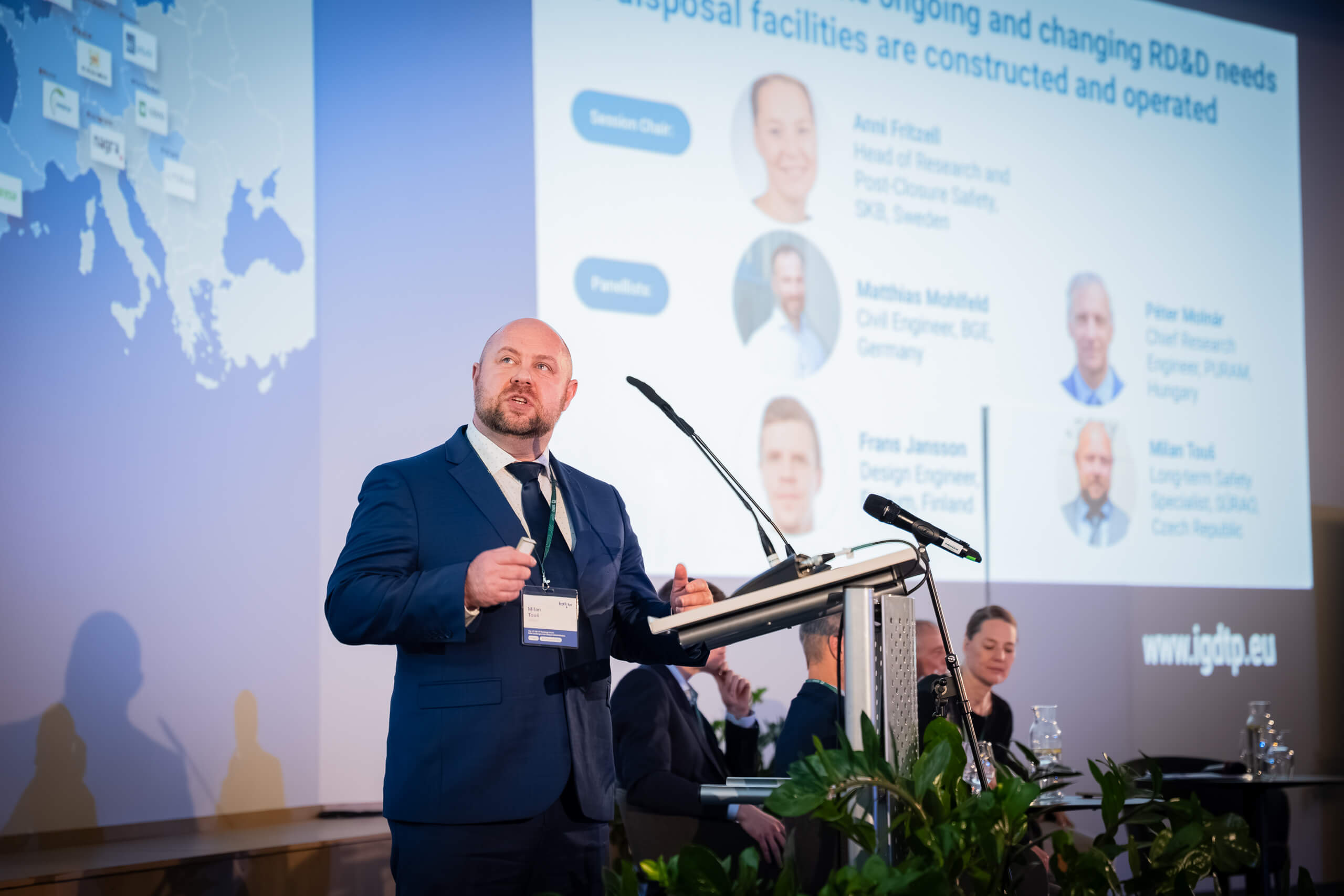
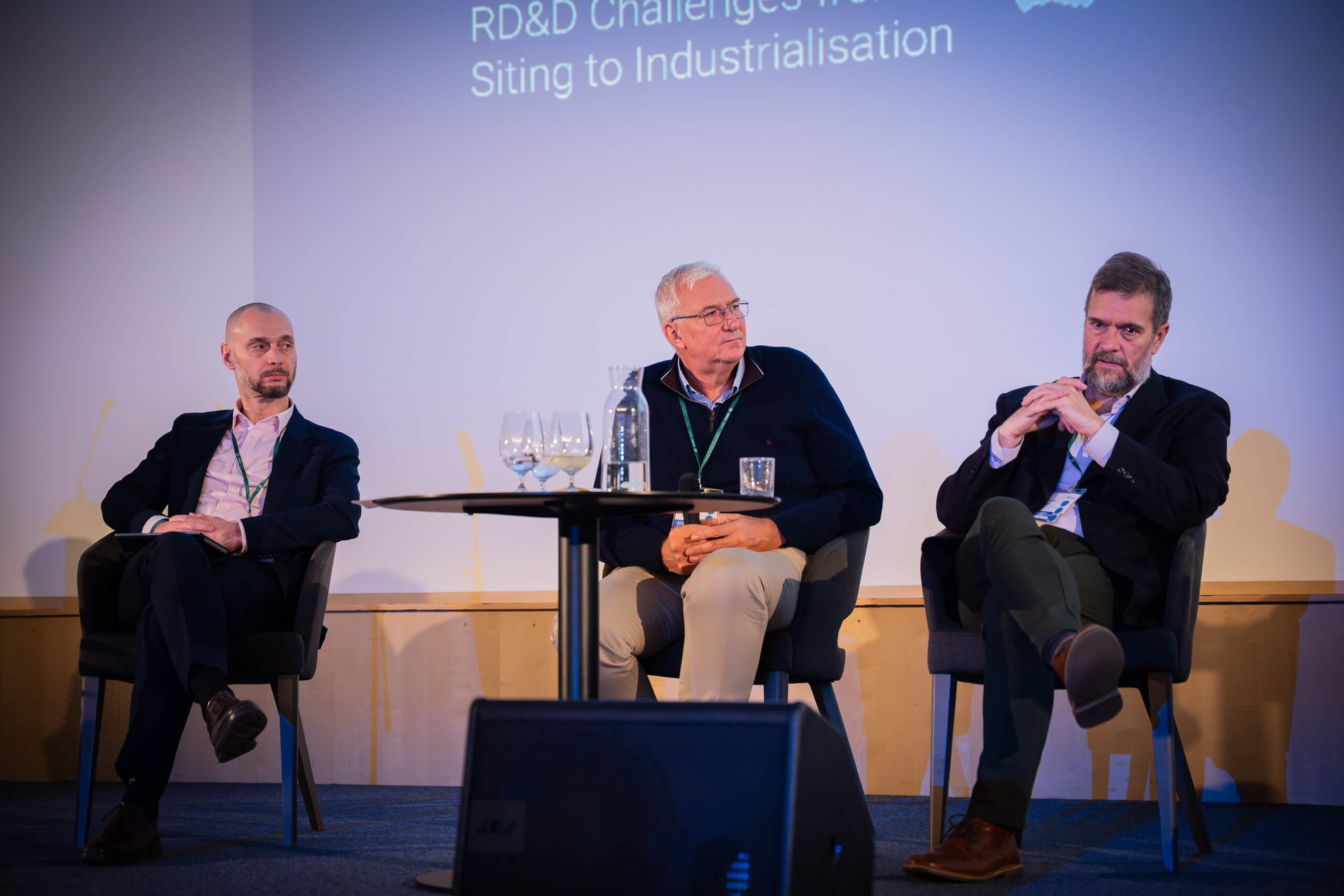
This was followed by a panel session on the ongoing and changing RD&D needs as disposal facilities are constructed and operated. The panel included representatives from BGE (Morsleben/ERAM Repository), Fortum (Loviisa Disposal Facility), PURAM (Bátaapáti Repository) and SÚRAO (Richard Repository). This session emphasised the need for continuous RD&D, but showed that the nature of those needs evolves (e.g. focusing on optimisation, adaptability, characterisation for construction, etc.). RD&D will always be needed due to the length of the disposal programme and updates in the state-of-the-art, changes in regulations, material availability and sustainability, etc., as well in response to information that is obtained at each stage in the process.

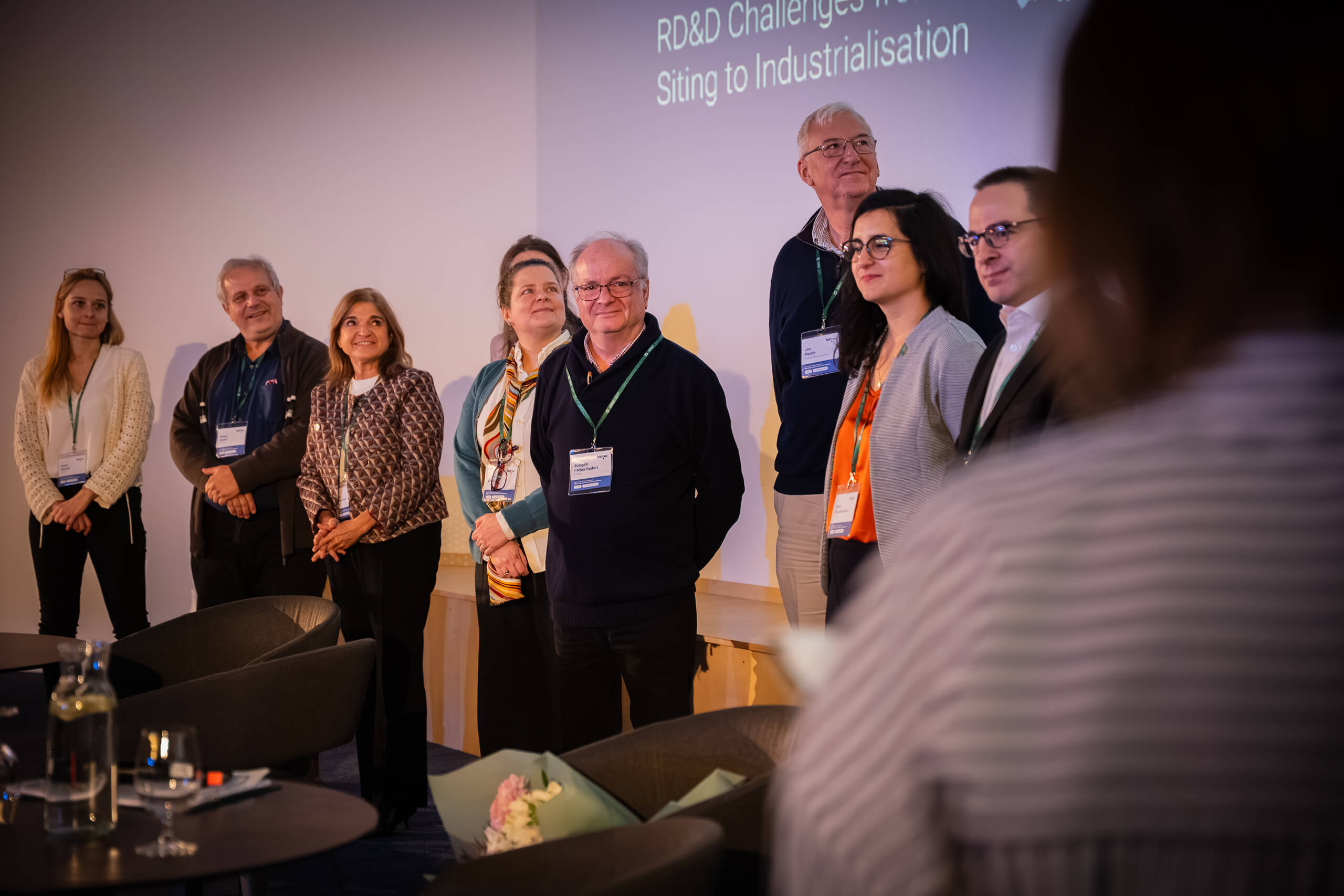
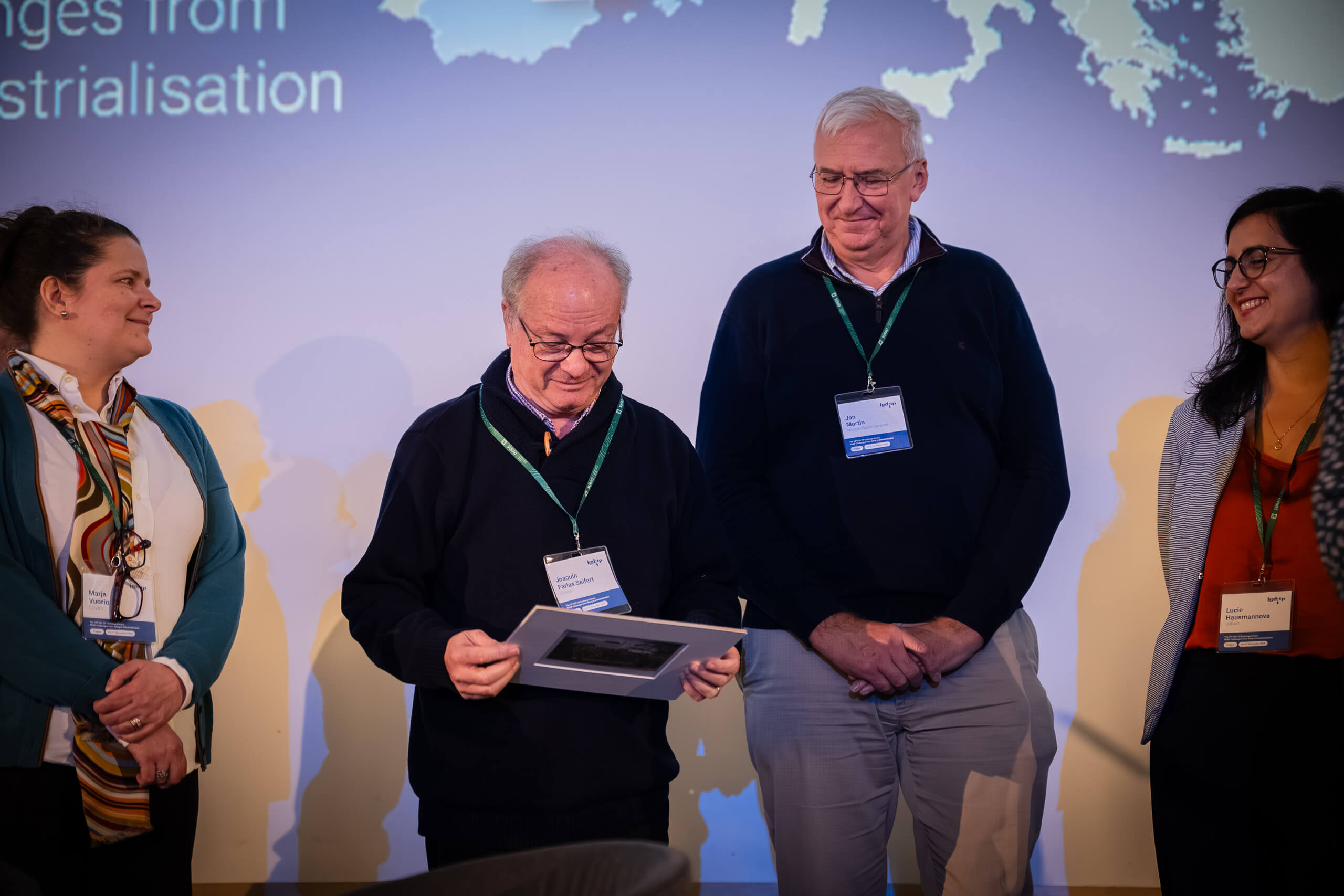
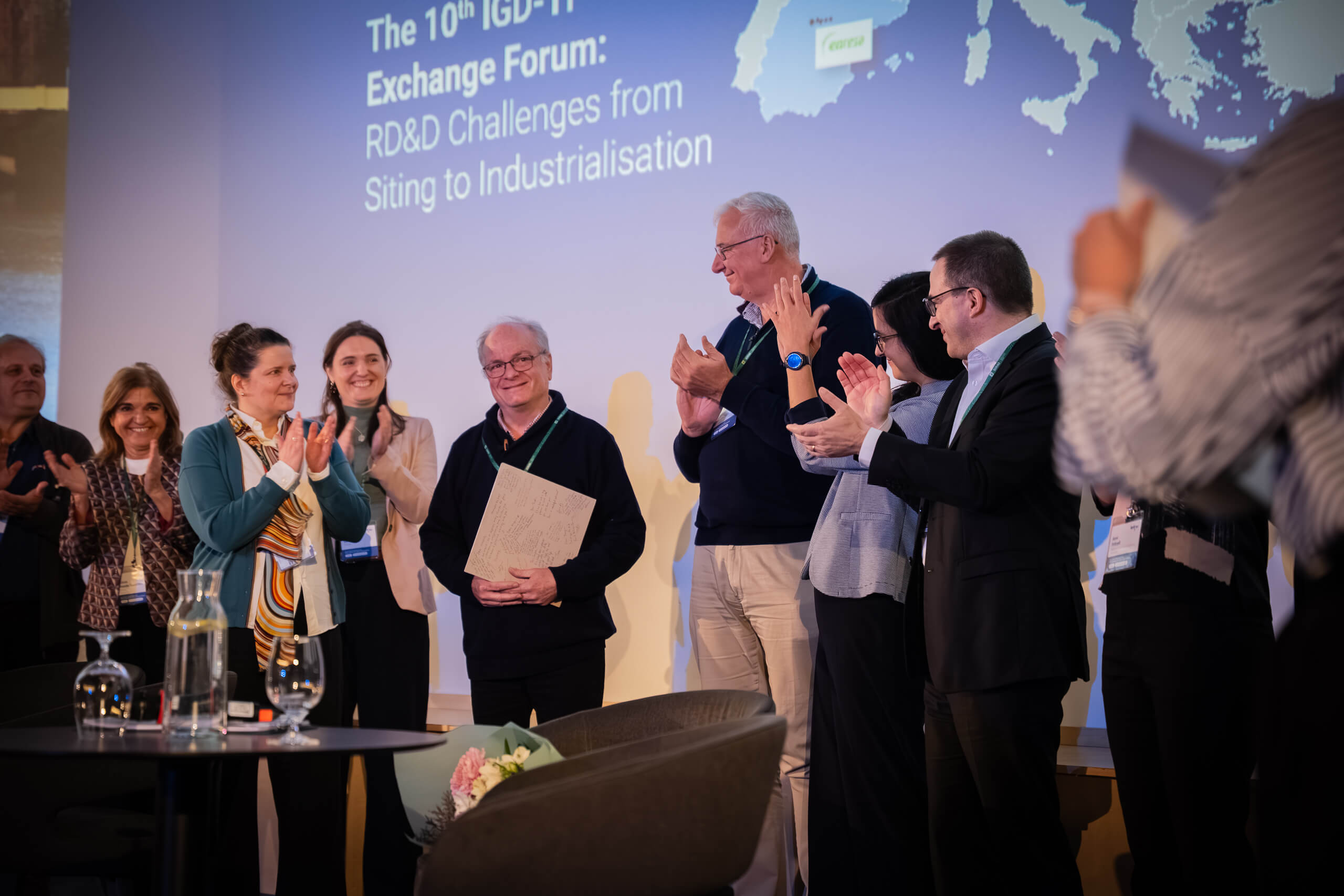
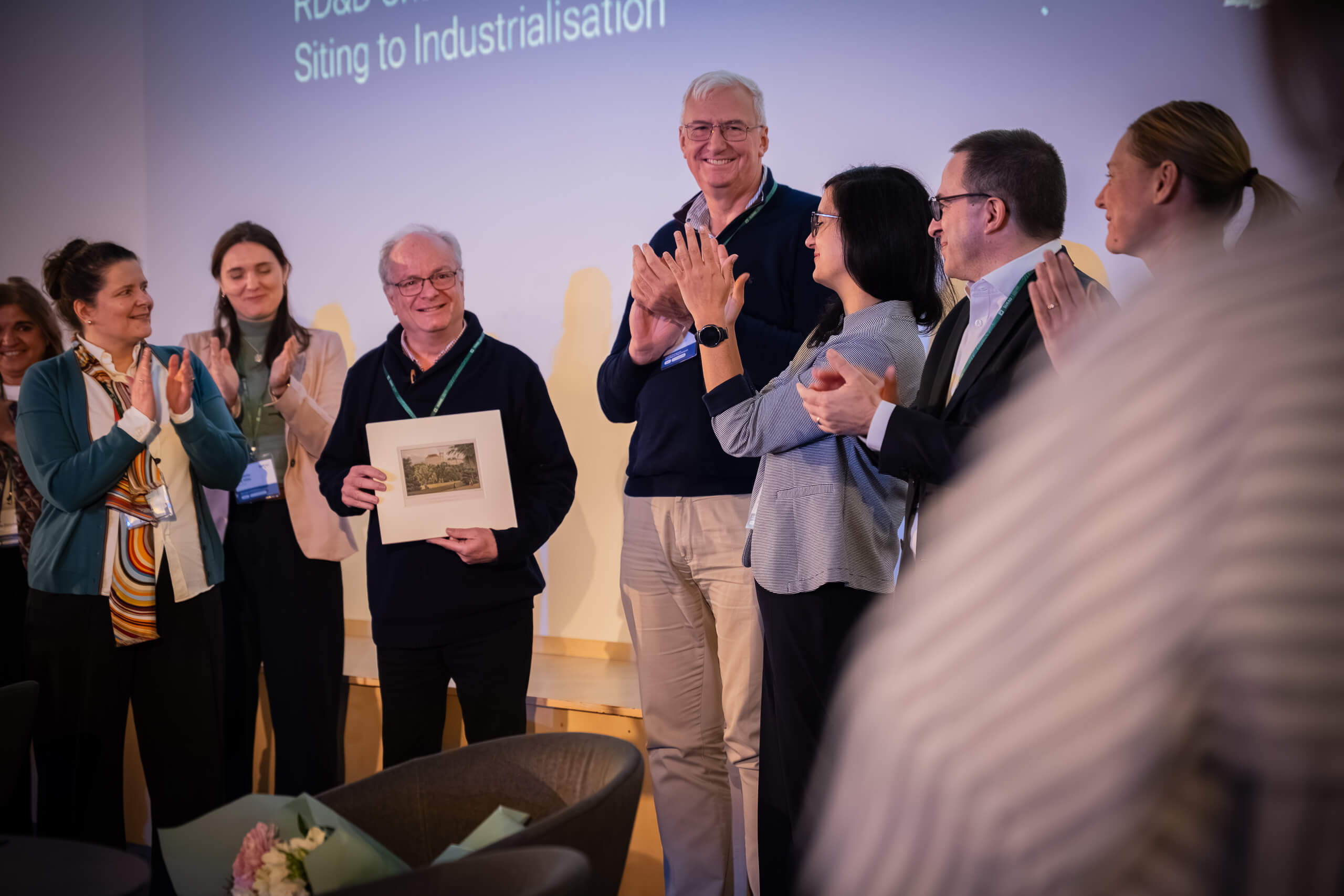
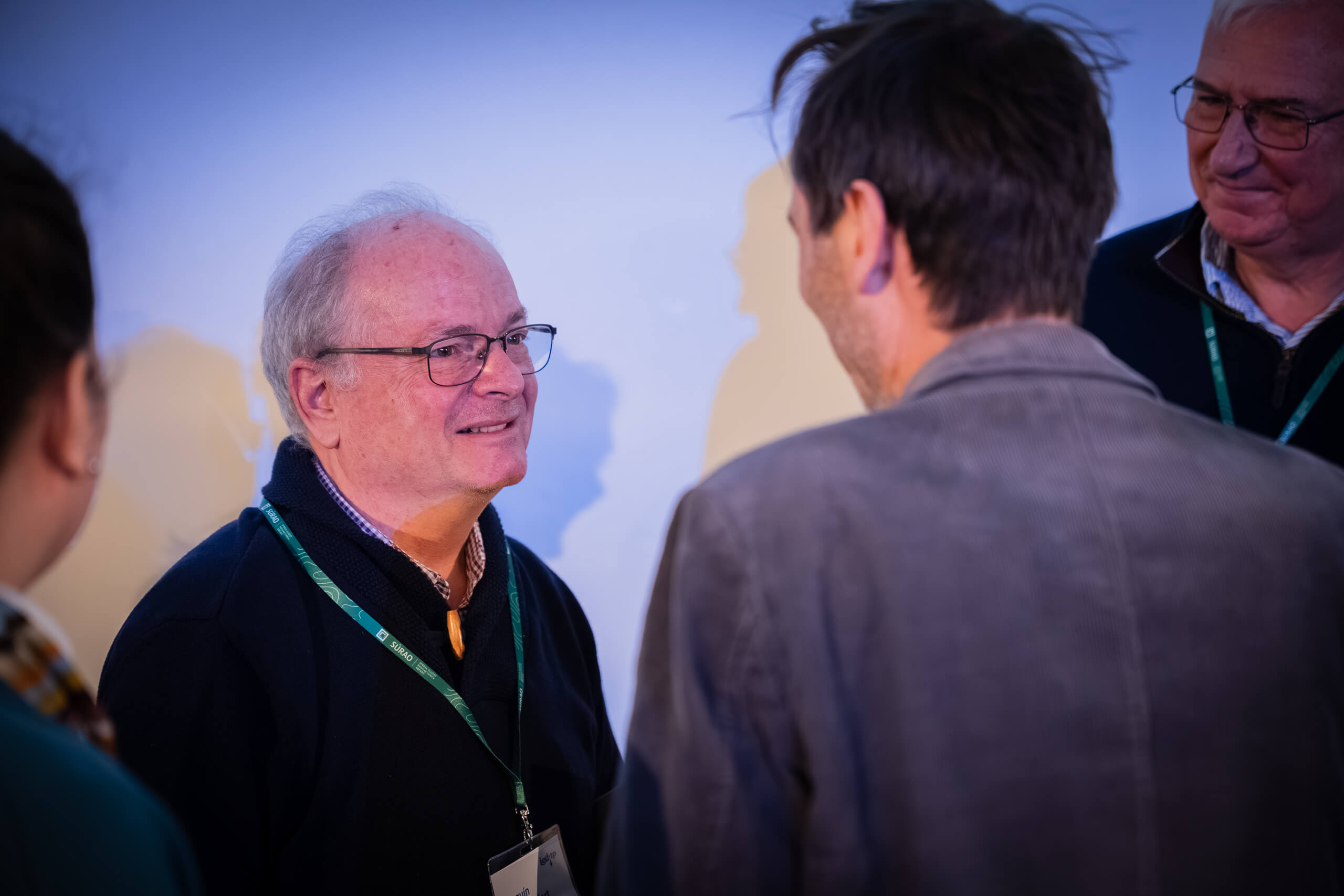
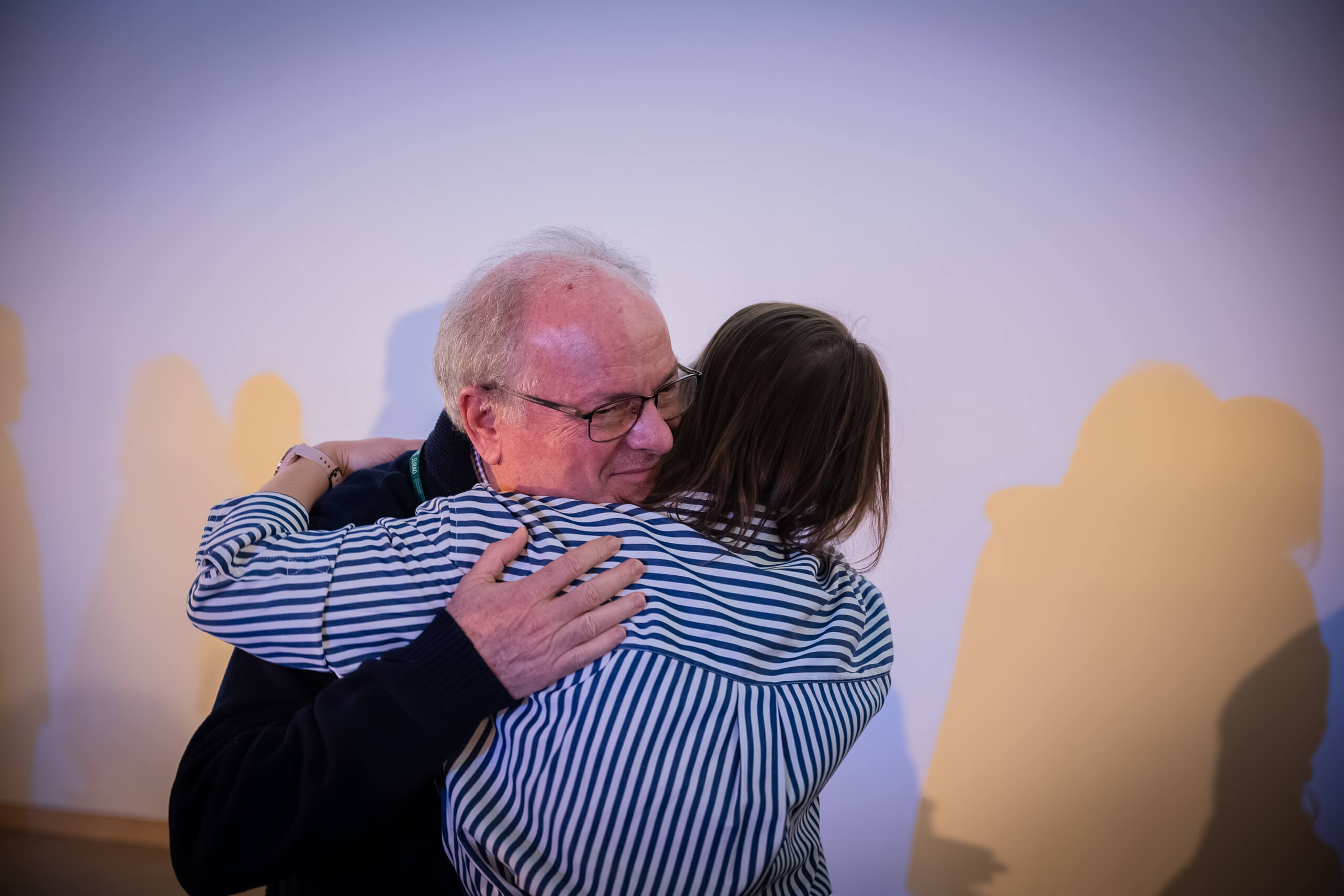
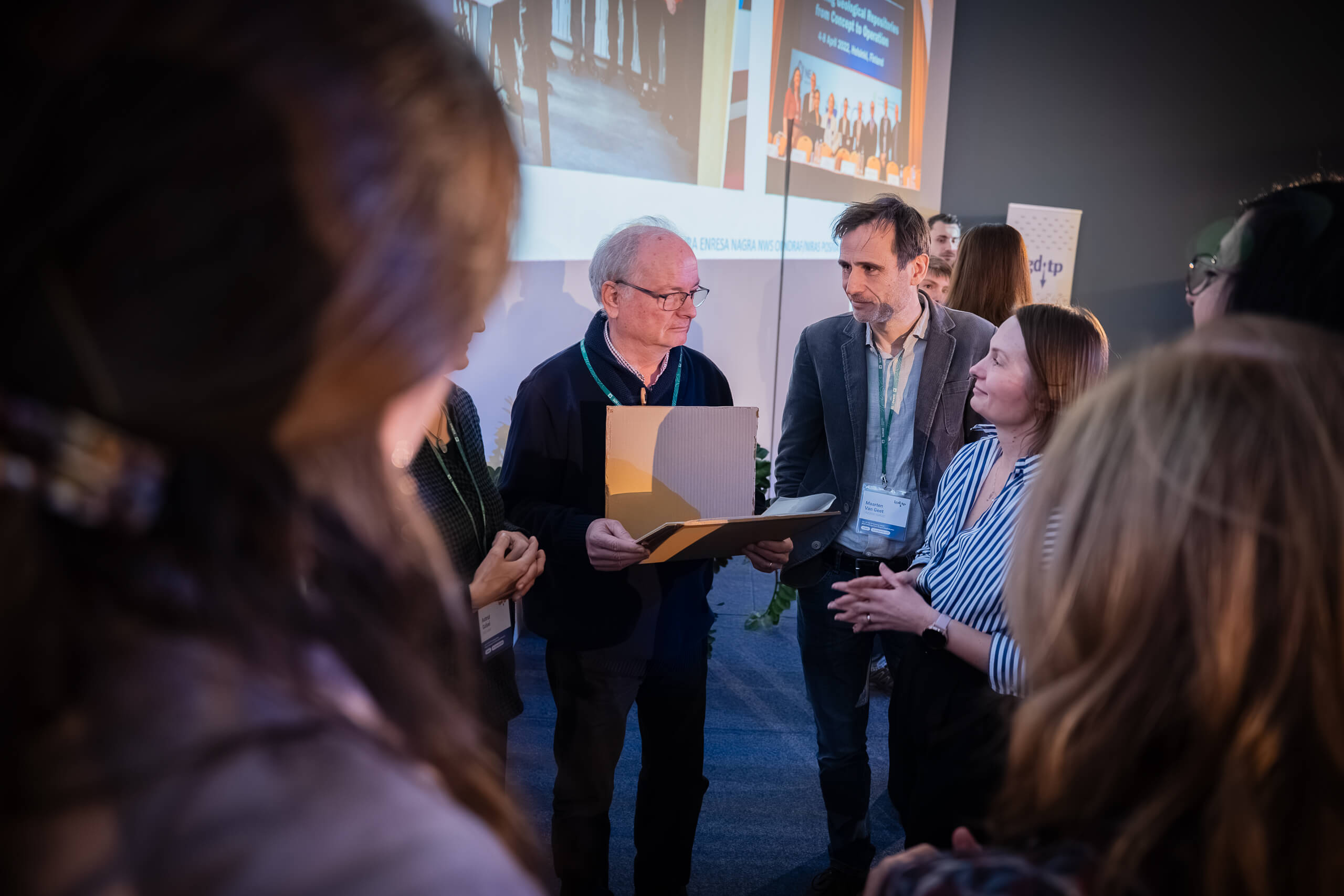
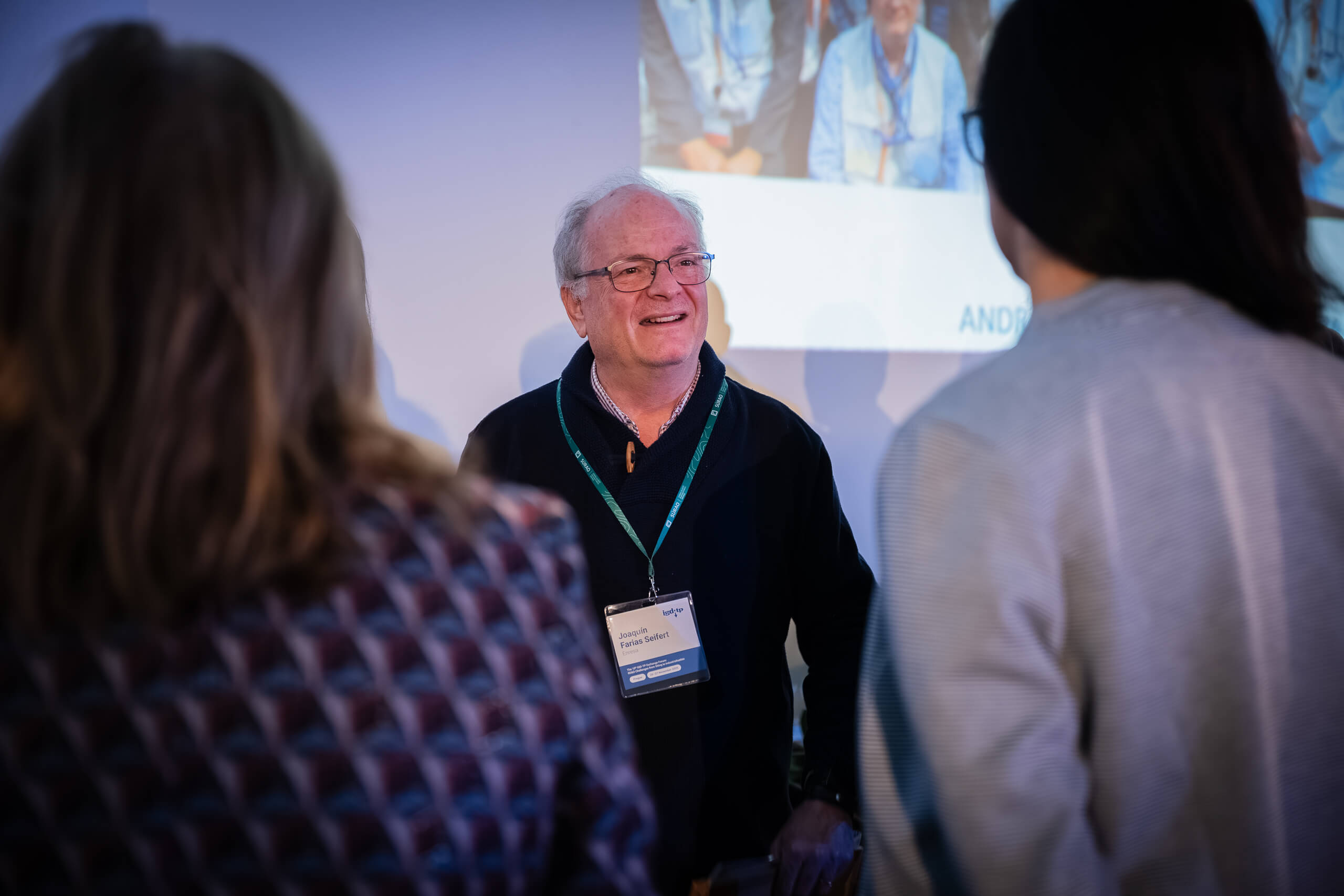
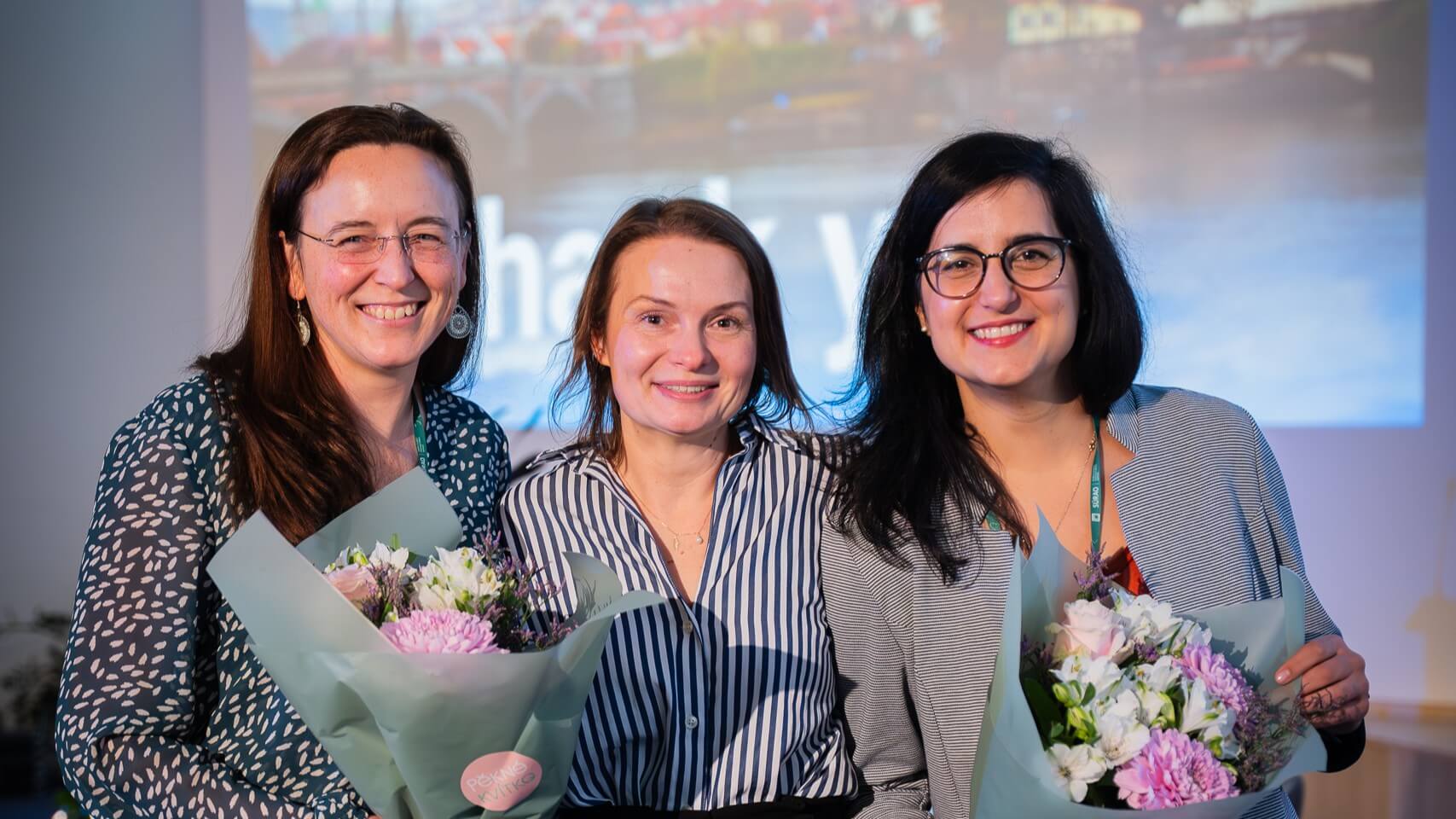
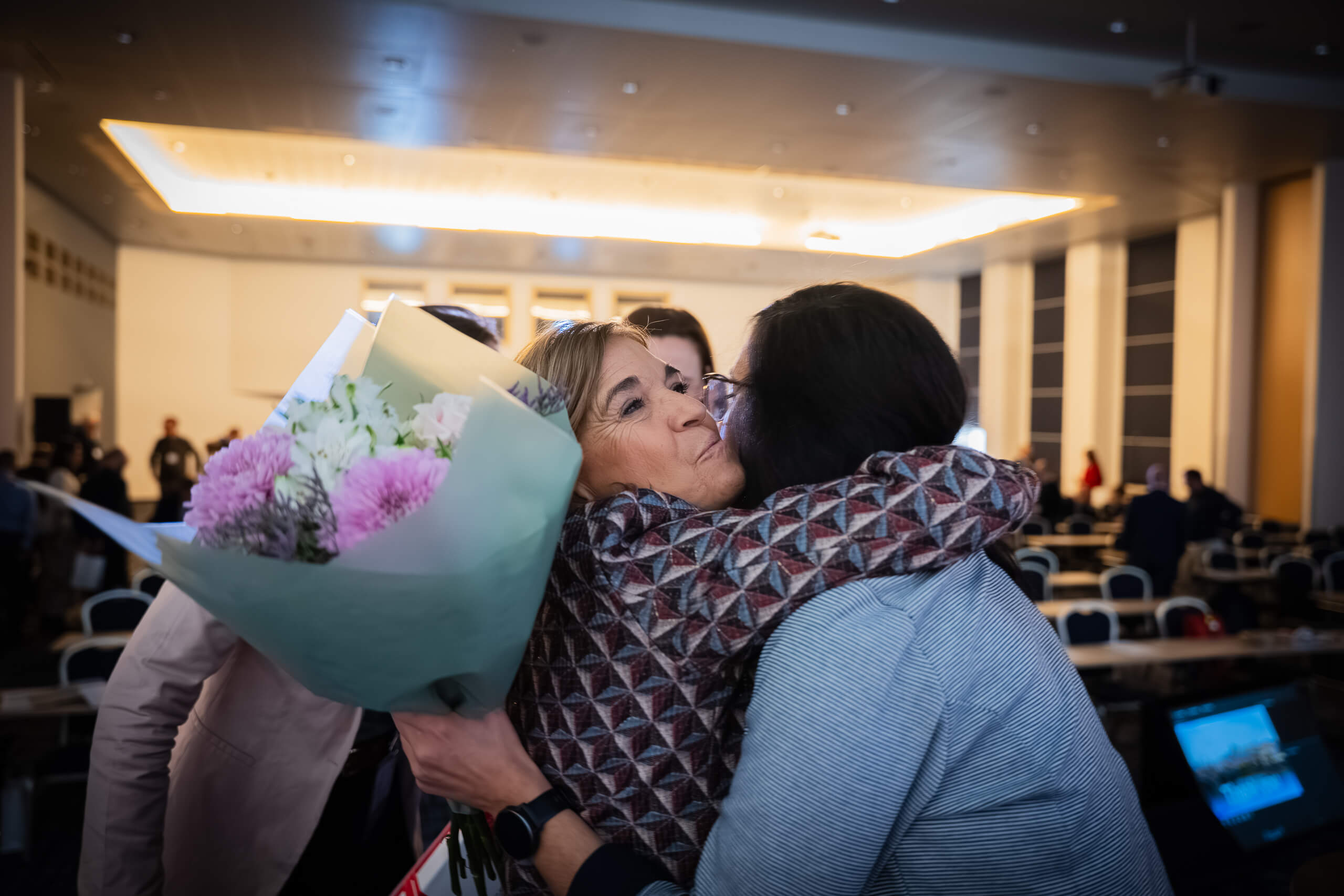
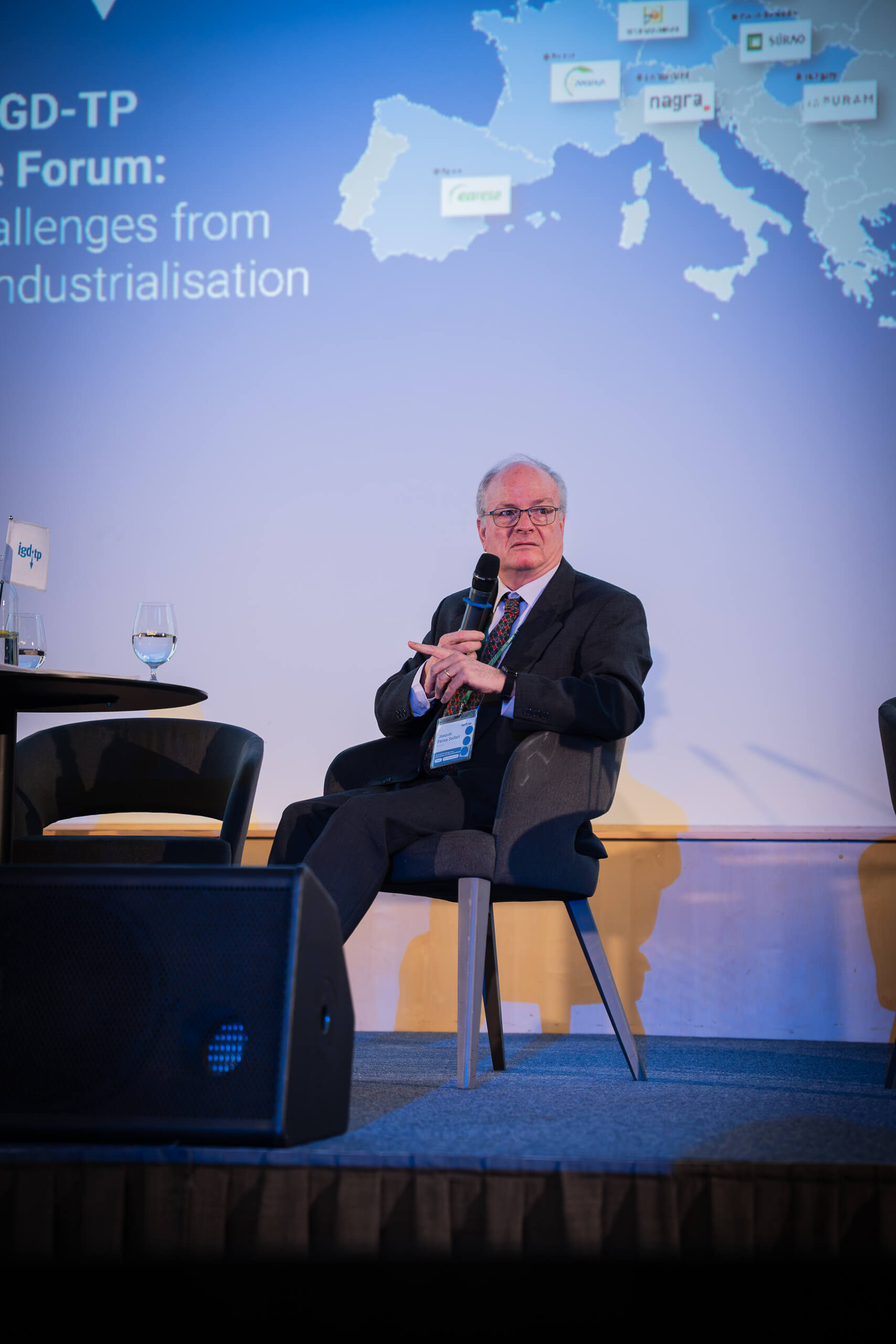
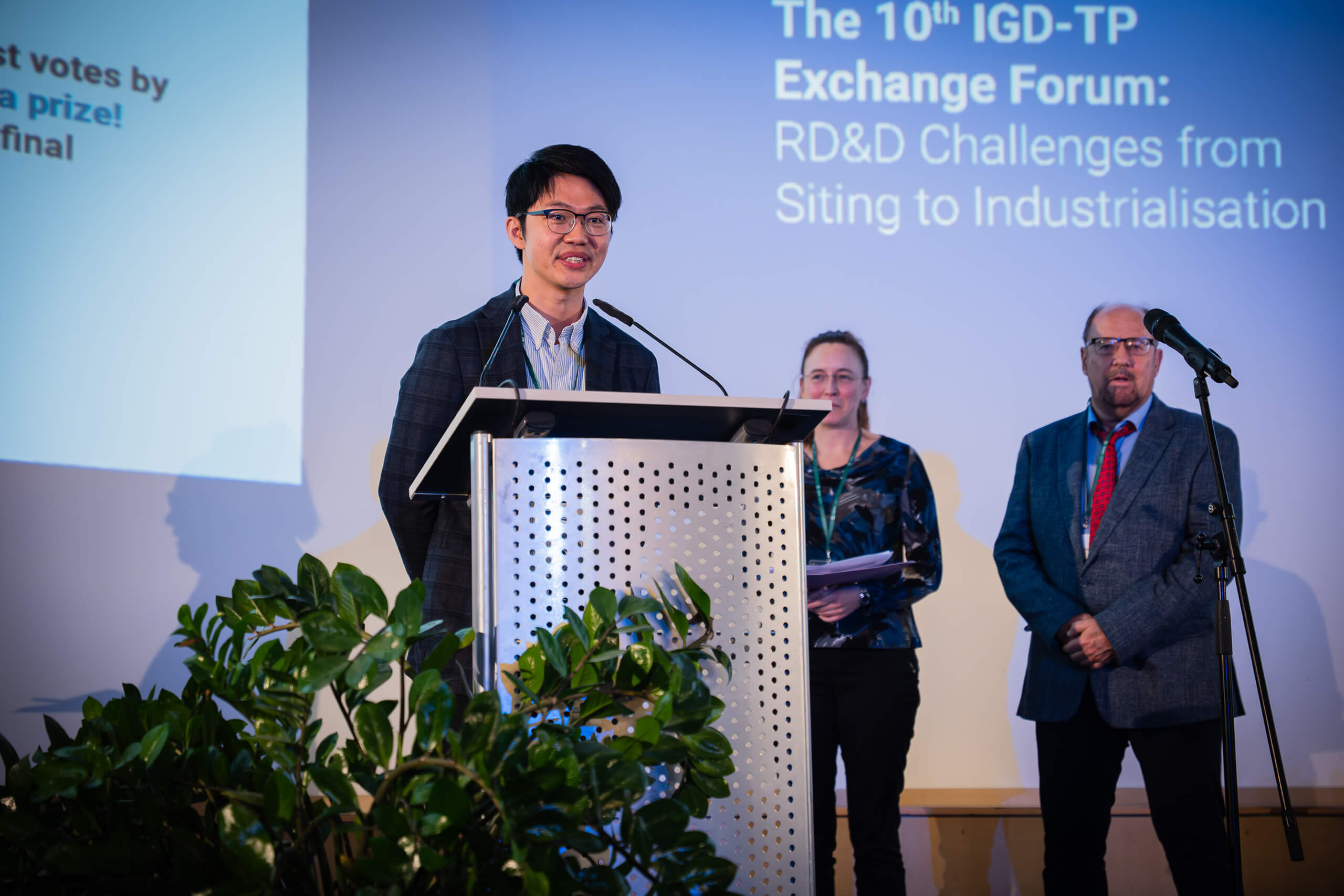
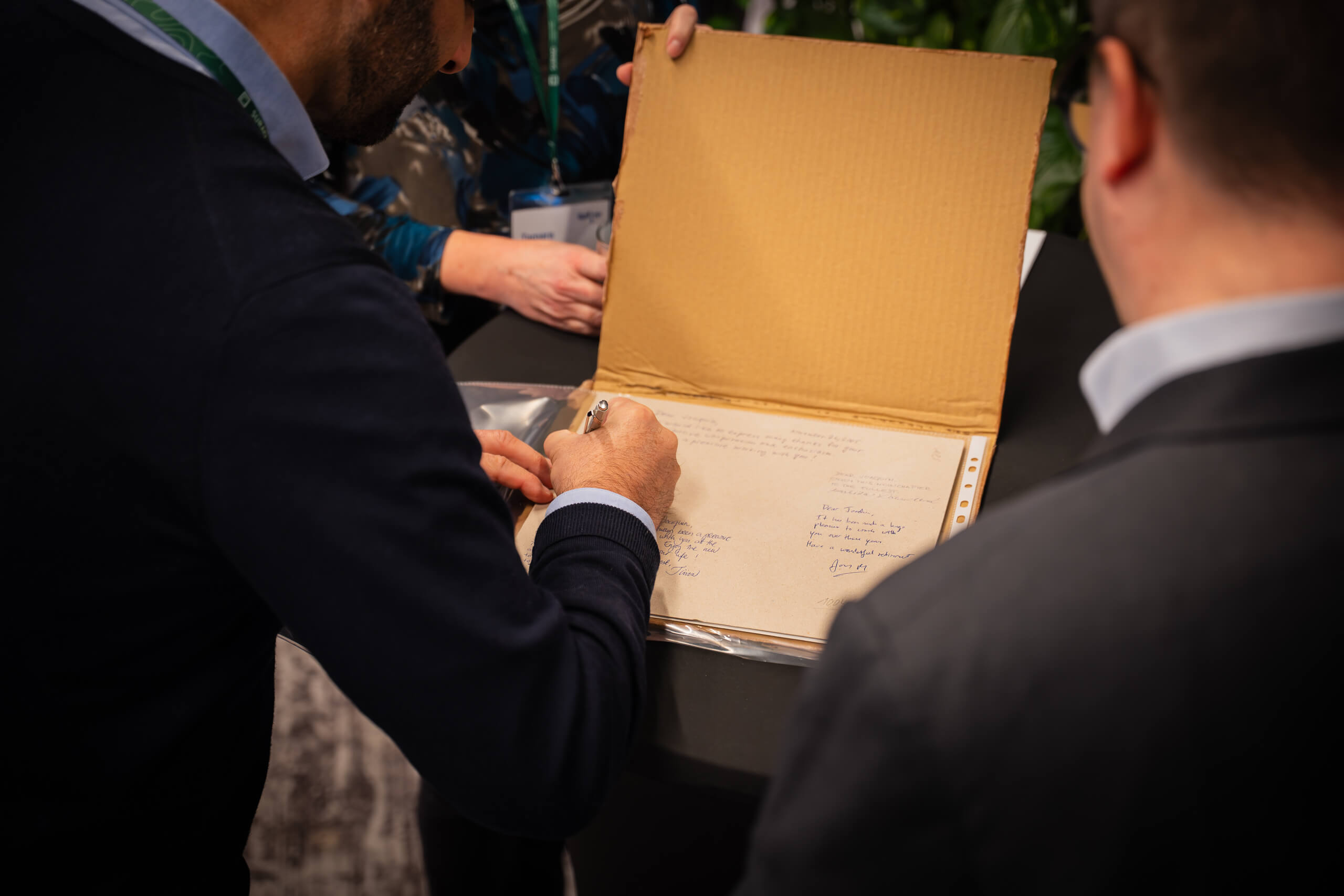
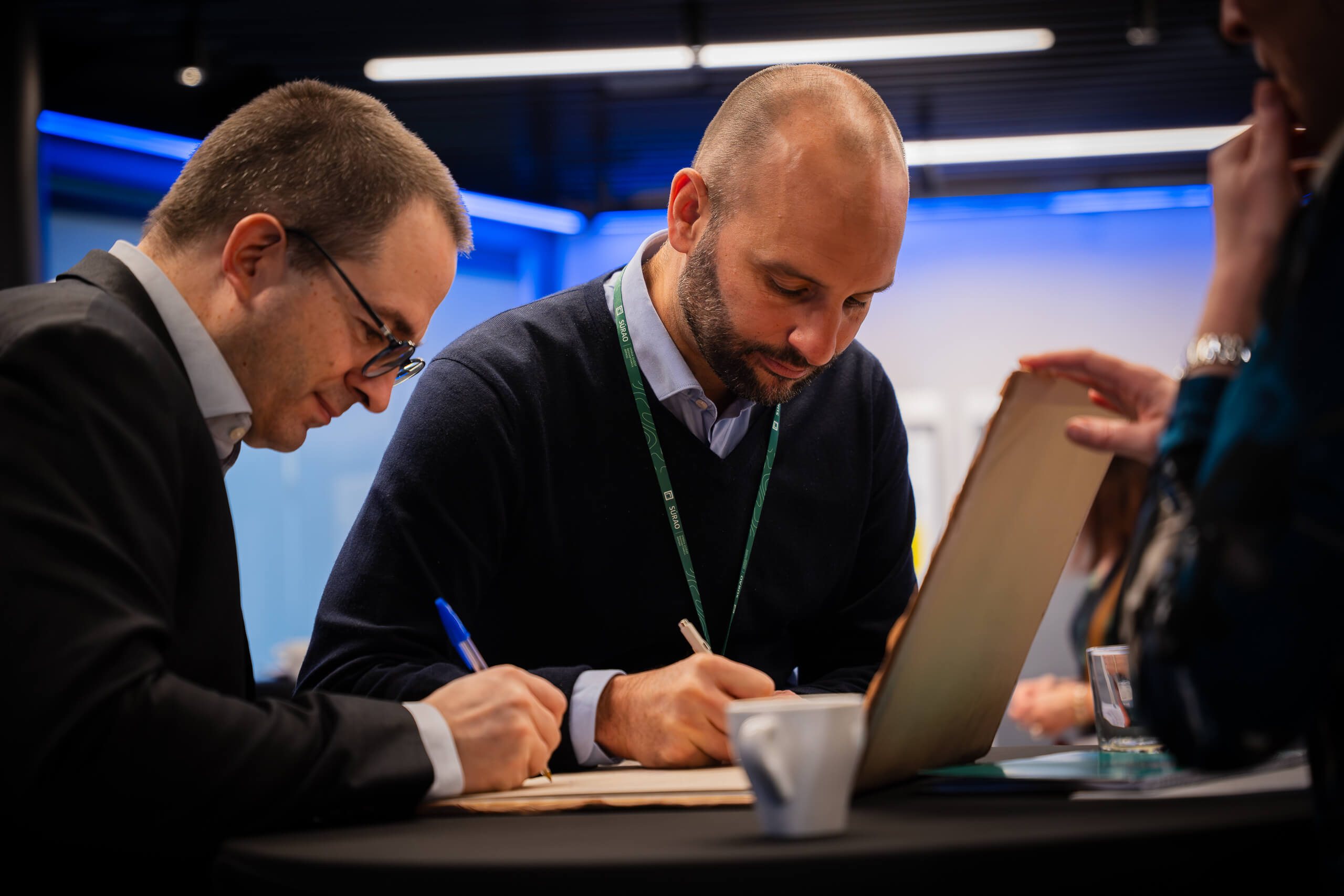
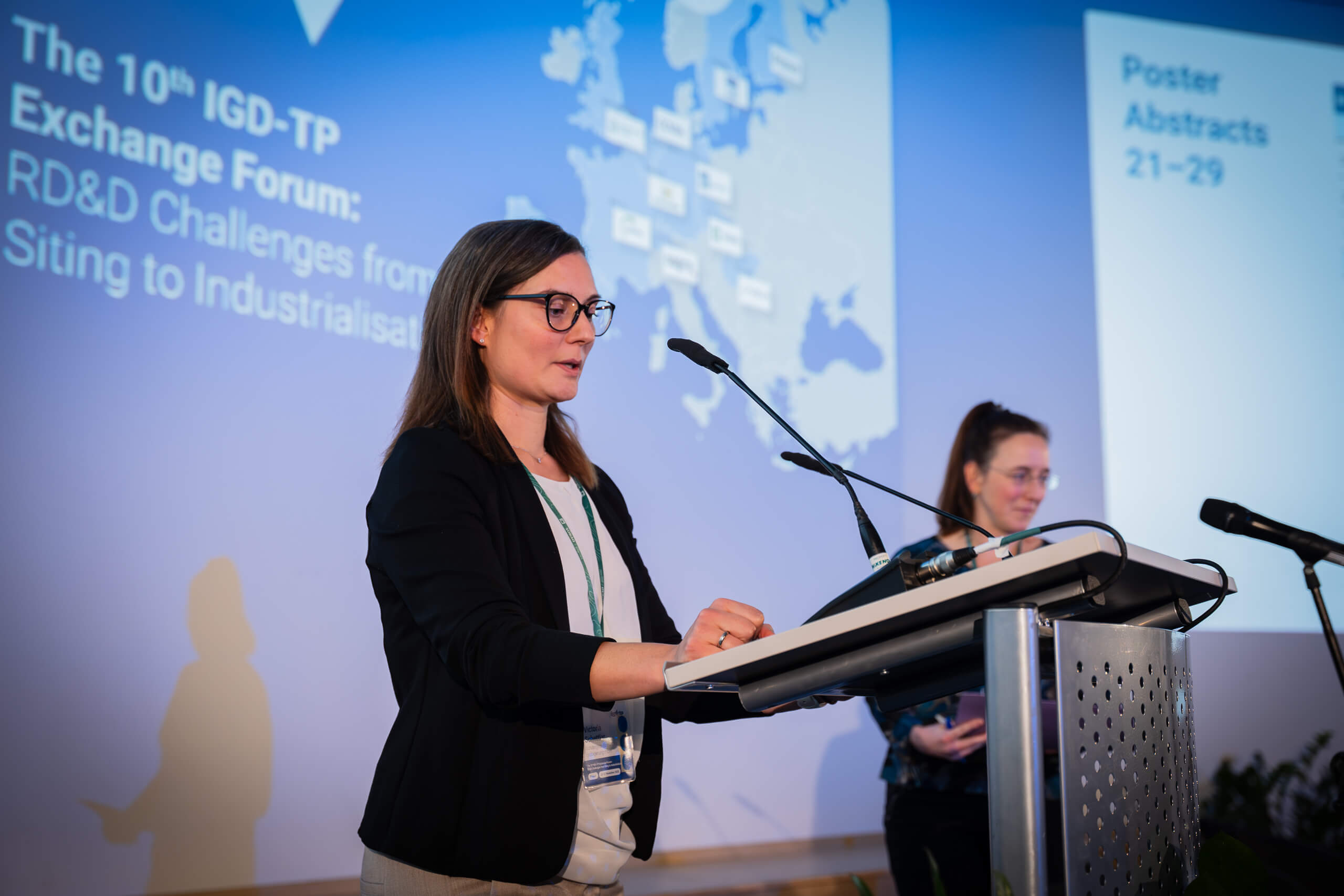
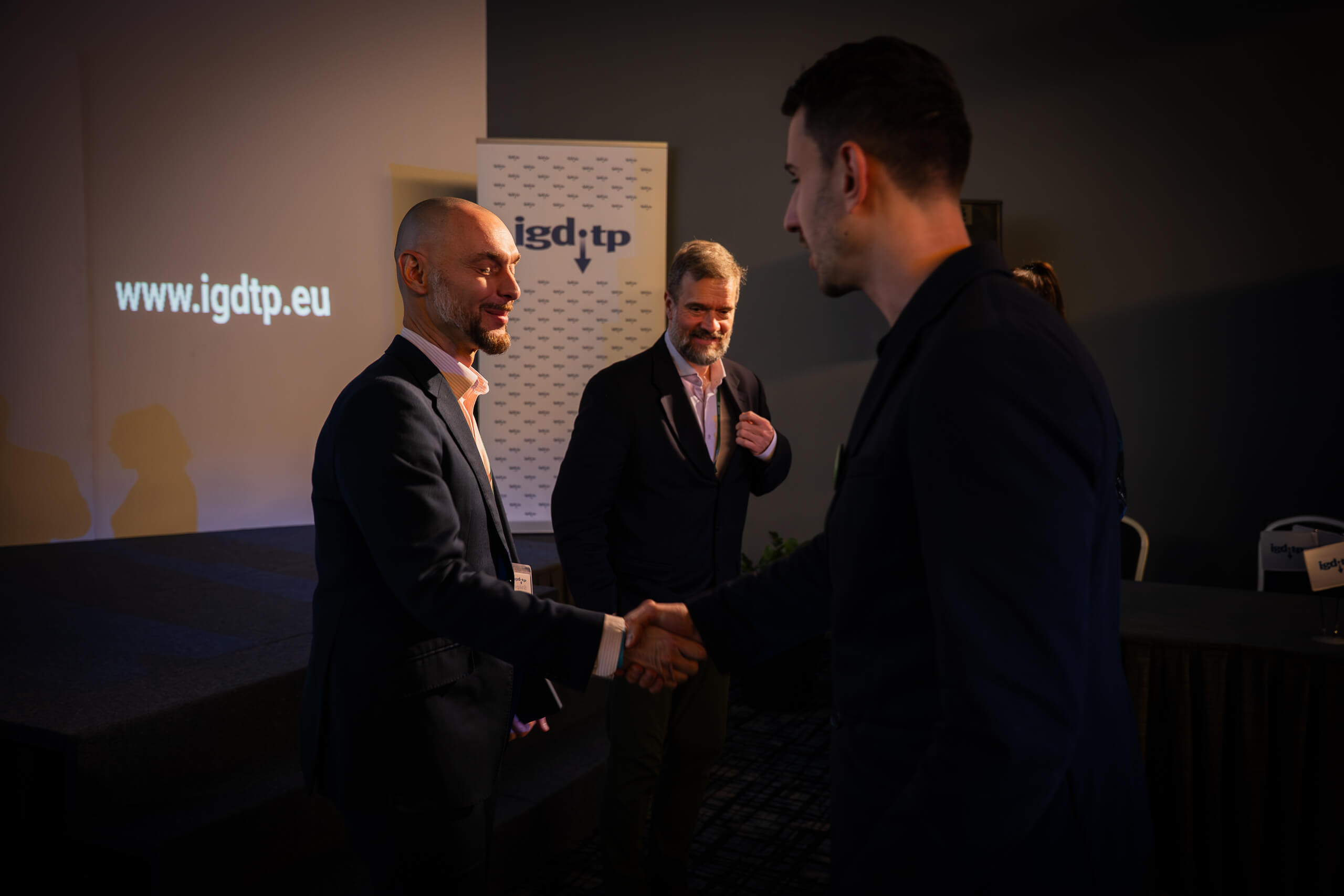
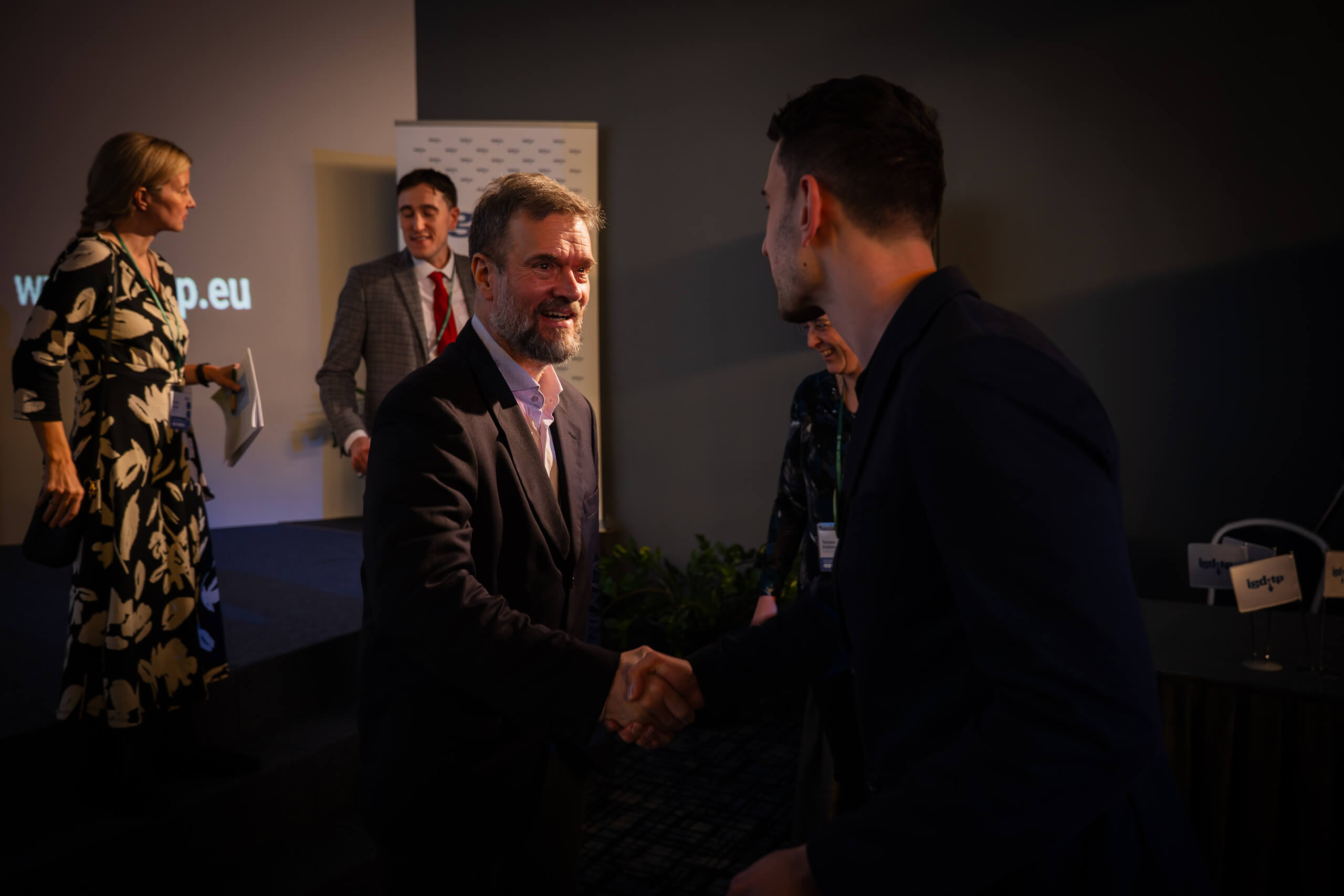
The exchange forum concluded with thanks from the IGD-TP chair (Markéta Dohnálková), a presentation for the best poster (see below) and a presentation to Joaquín Farias Seifert (ENRESA) on his retirement after many years supporting the international geological disposal community.
Copies of the presentations can be downloaded from the event documents section below.
Poster Presentations
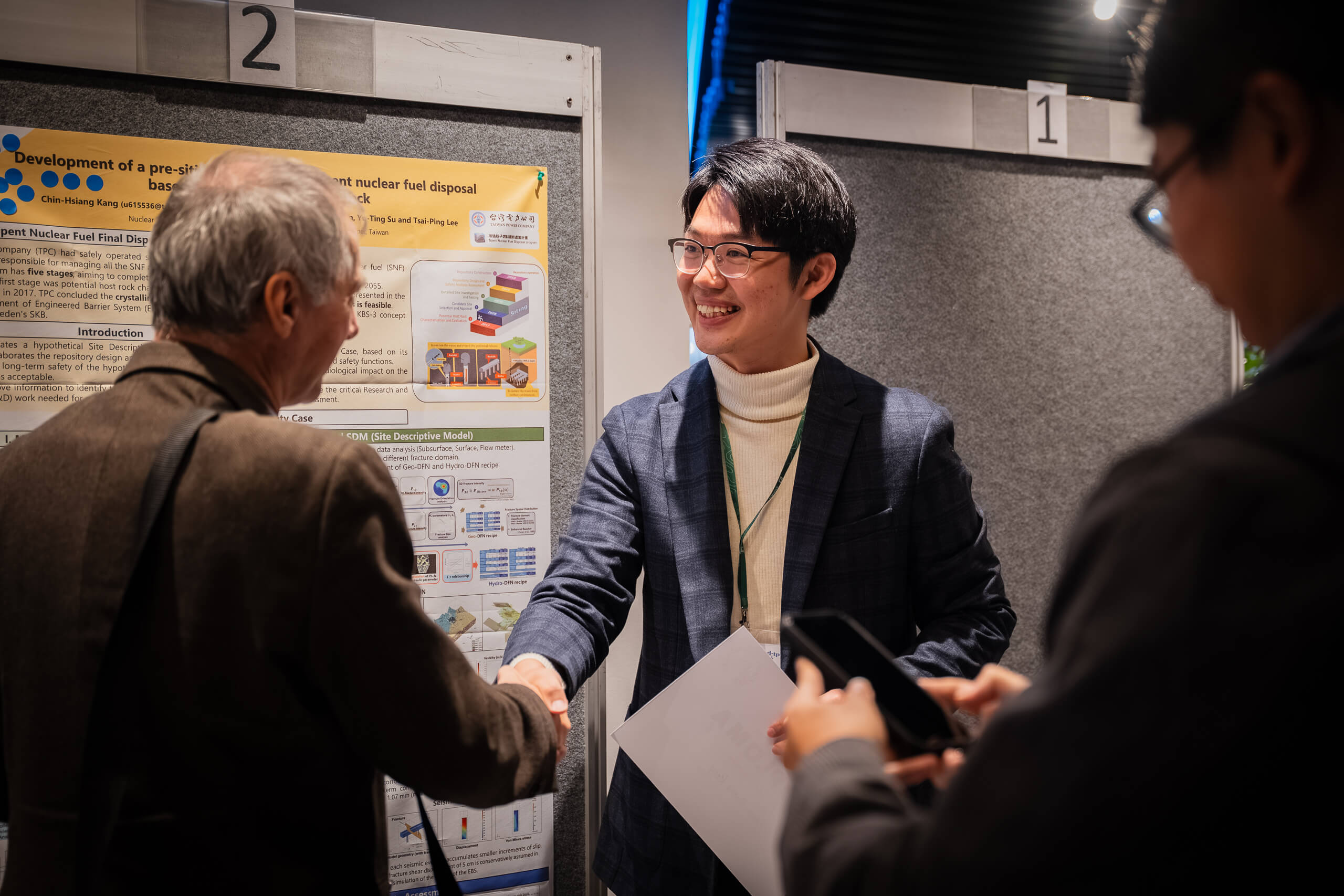
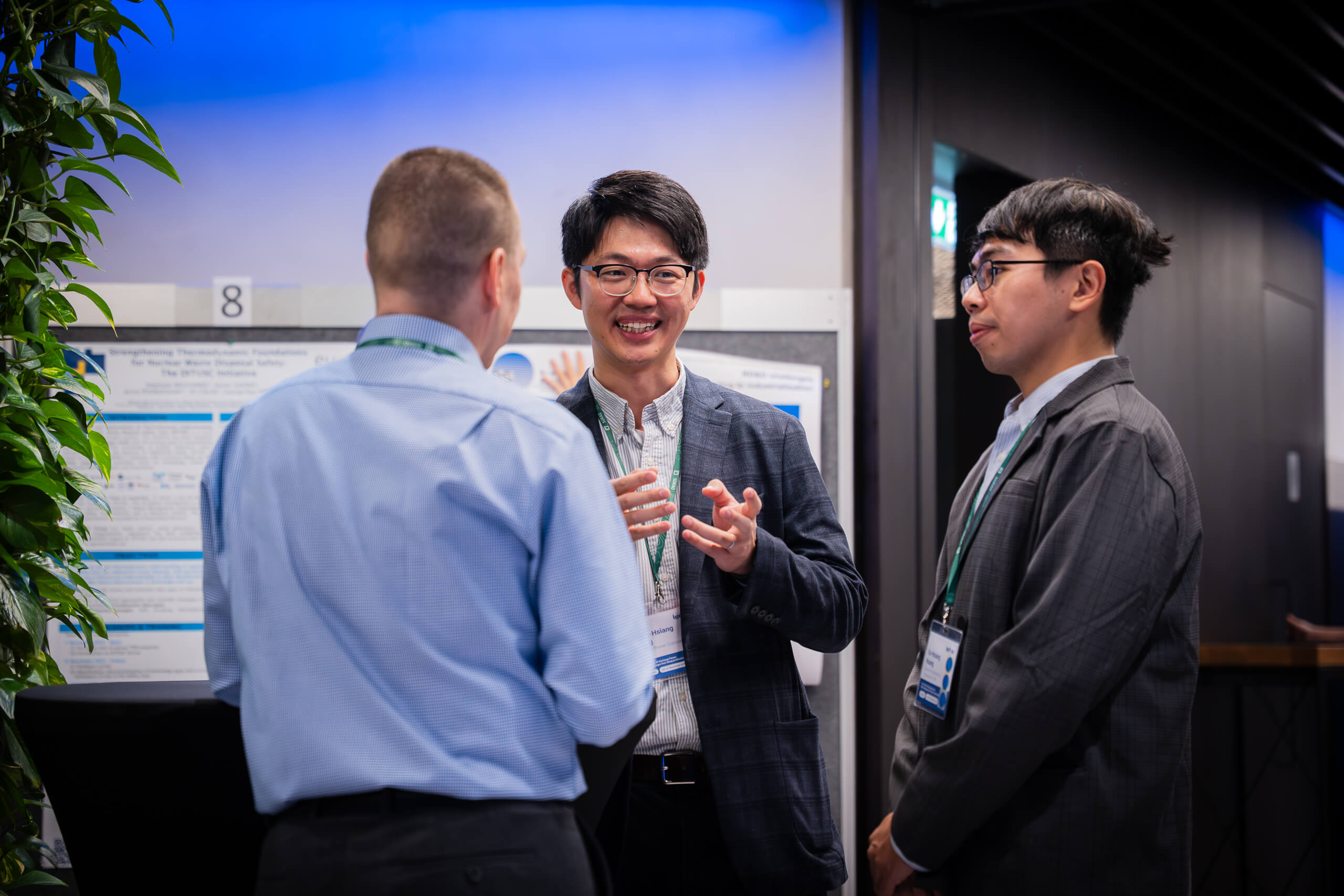
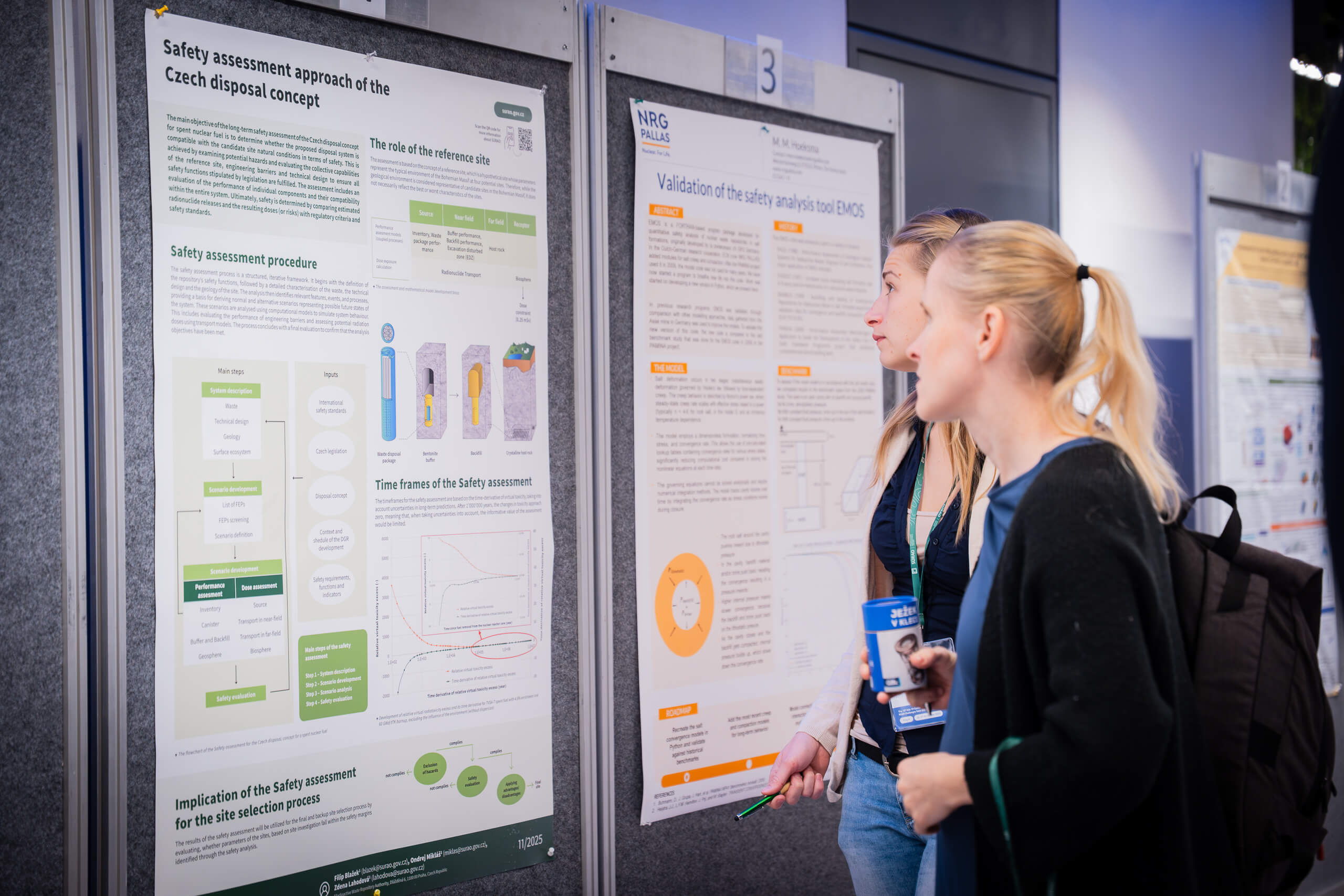
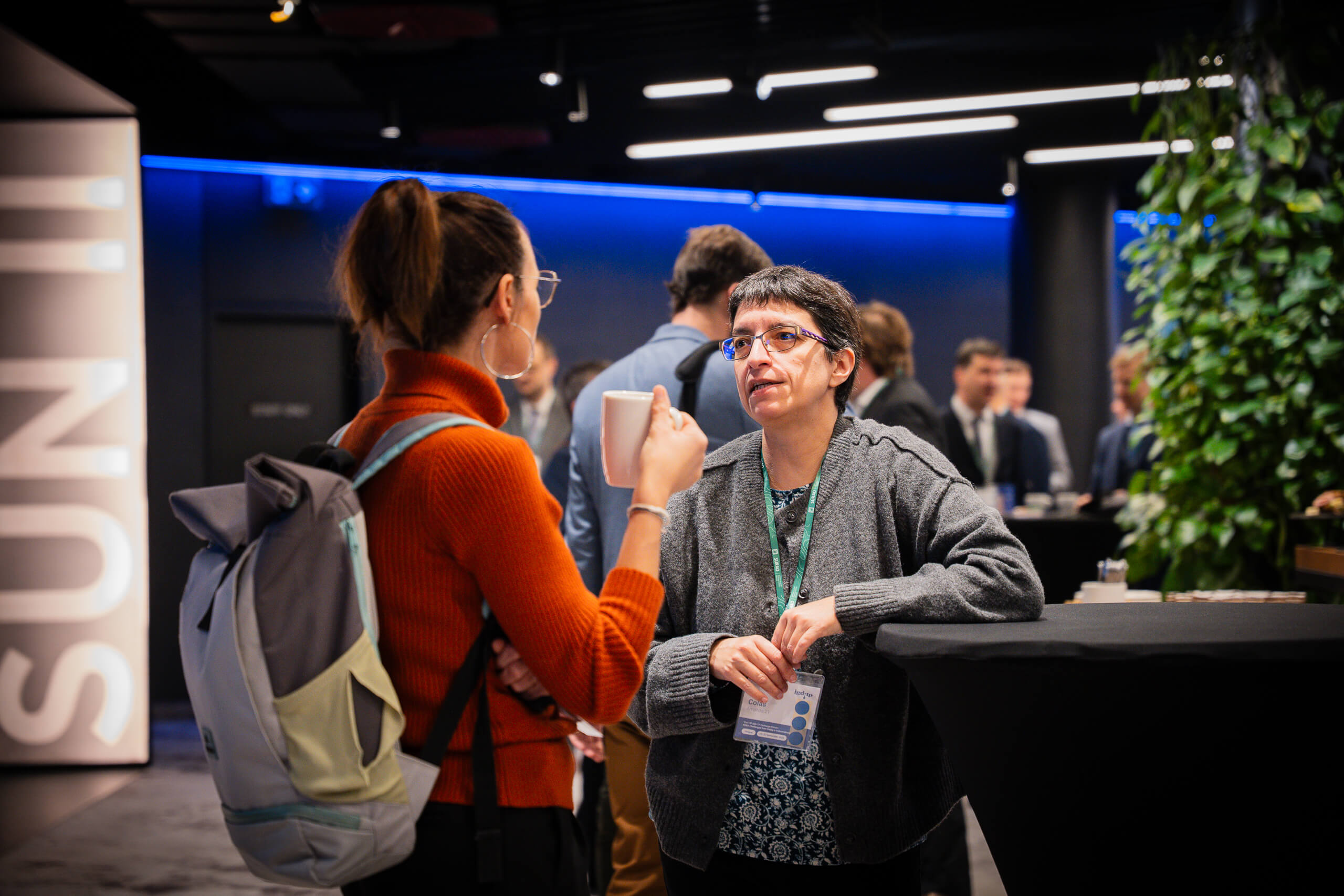
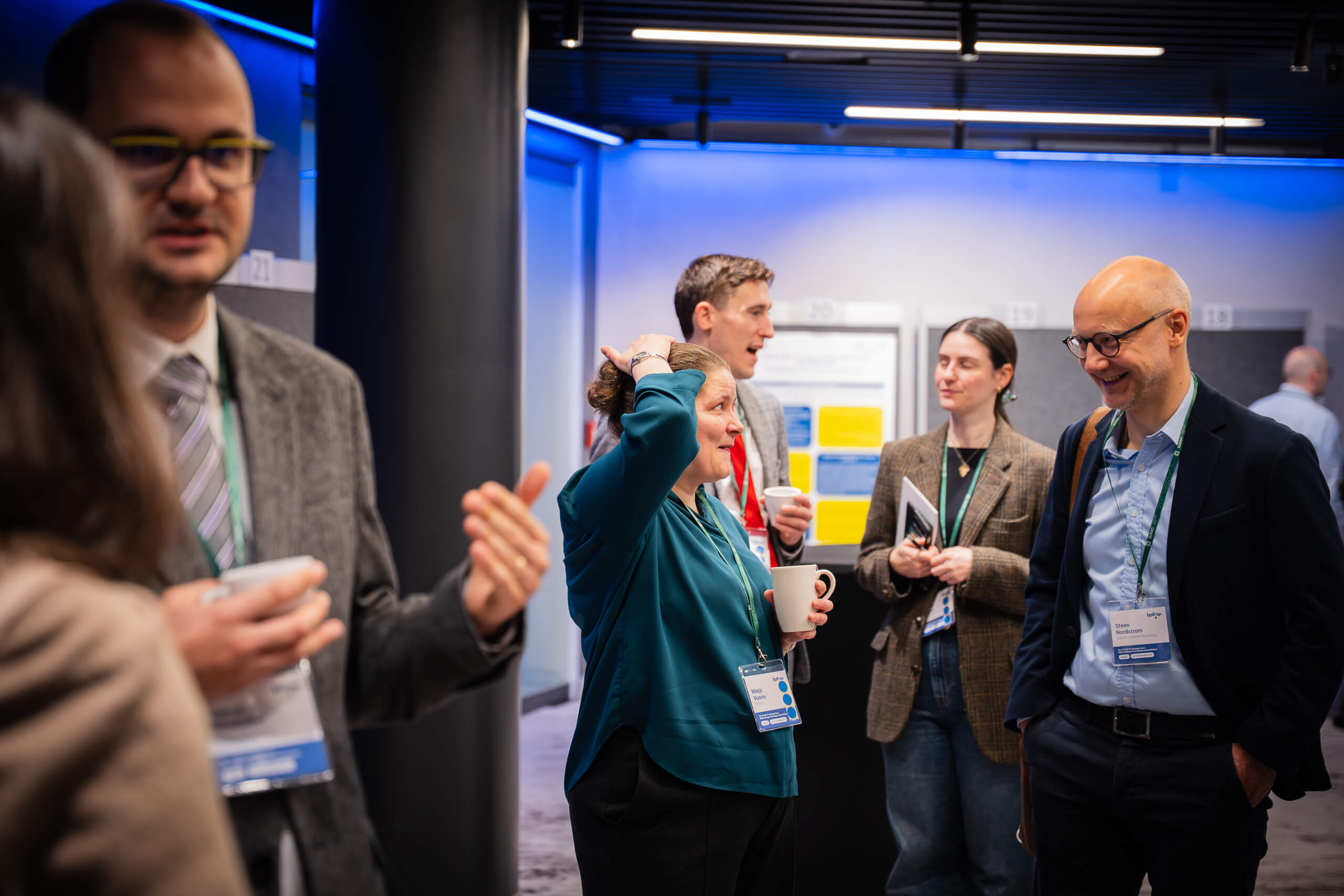
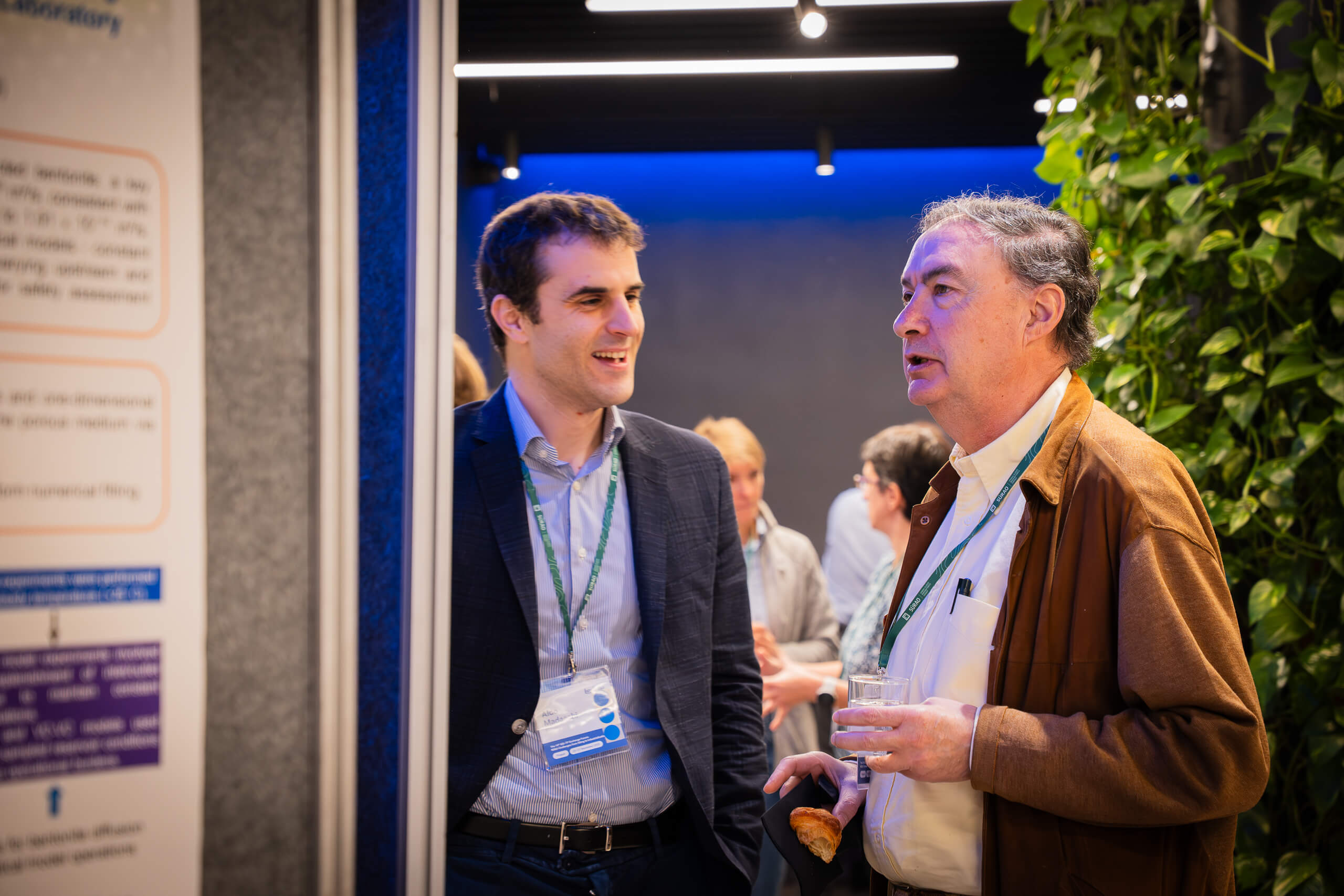
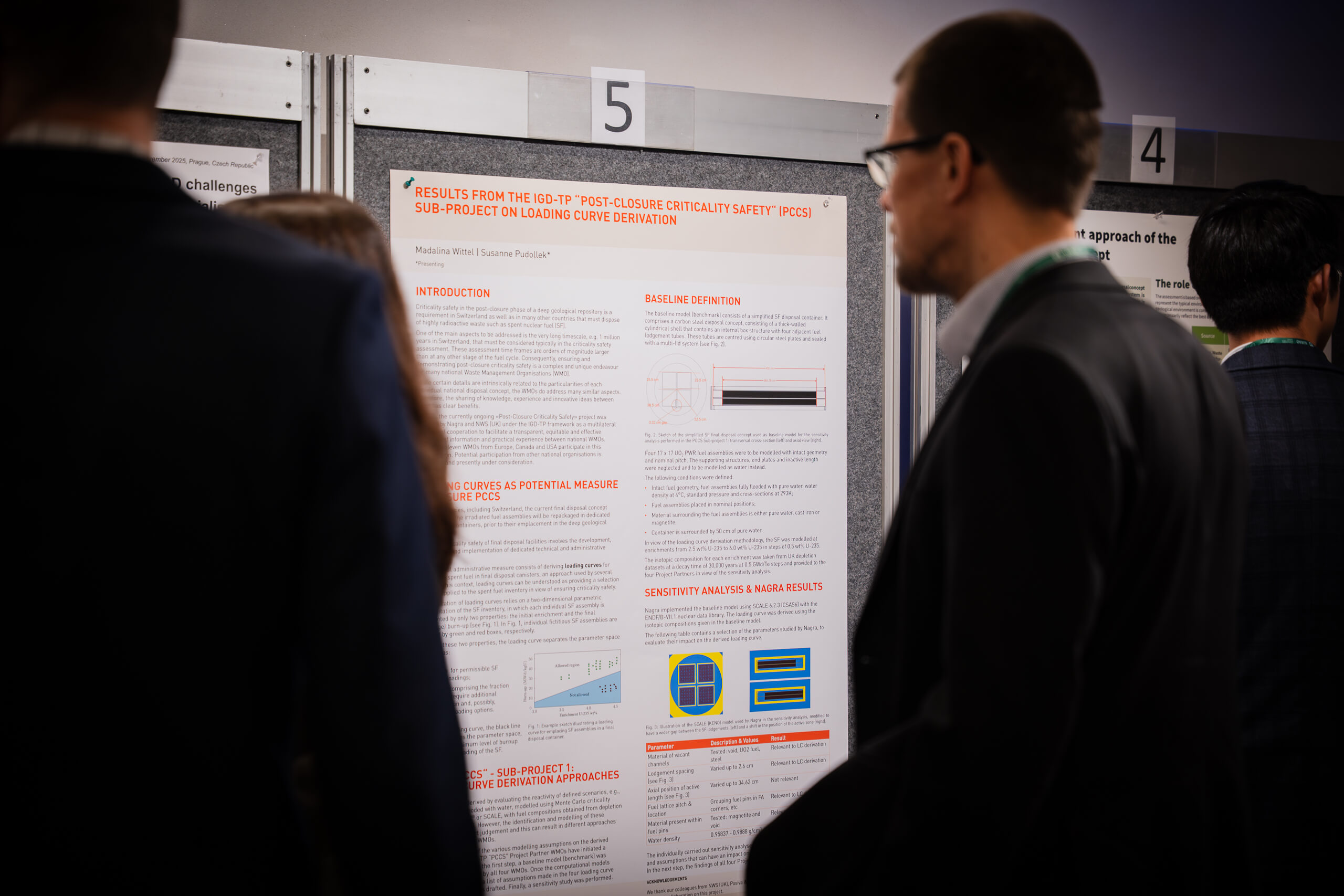
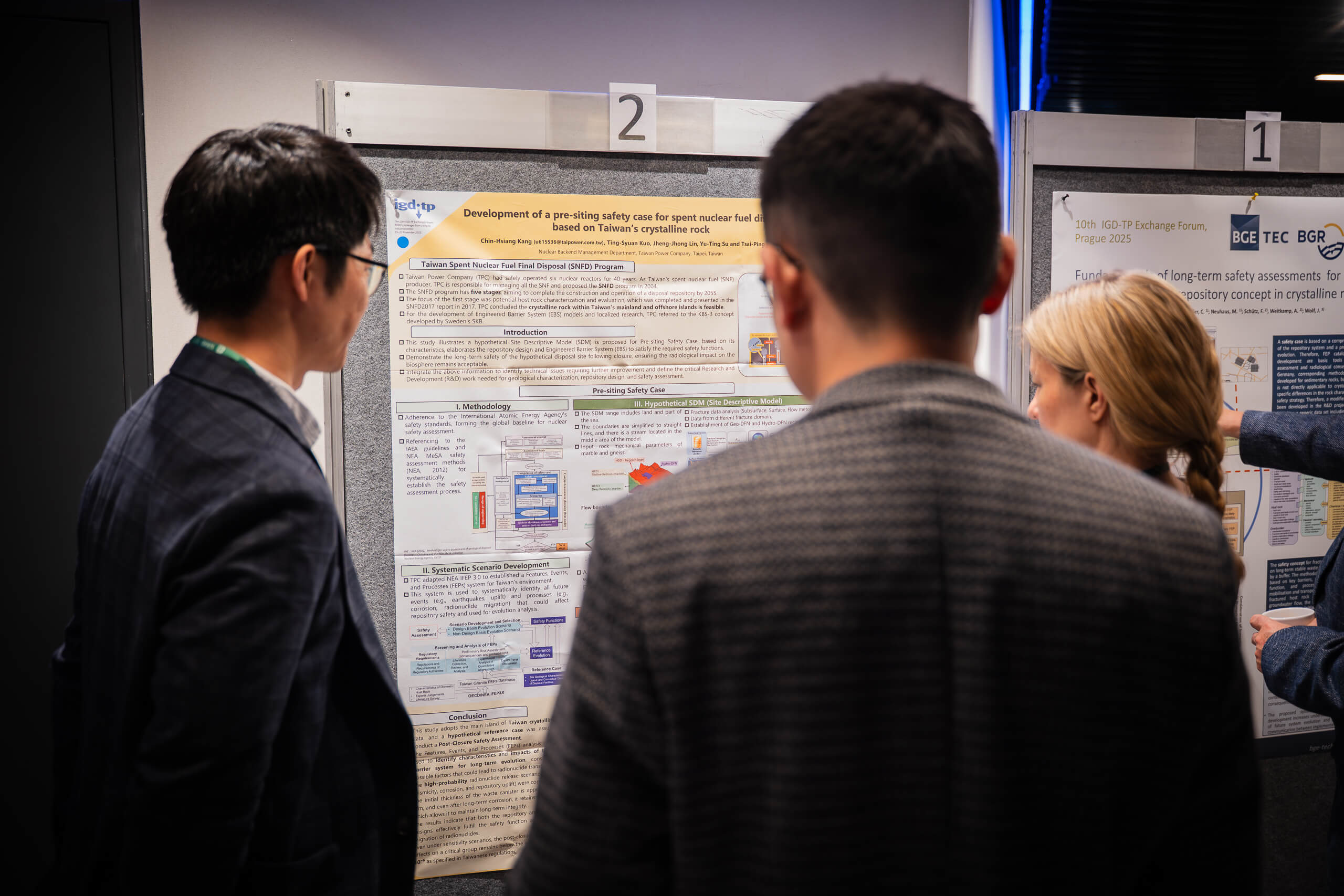
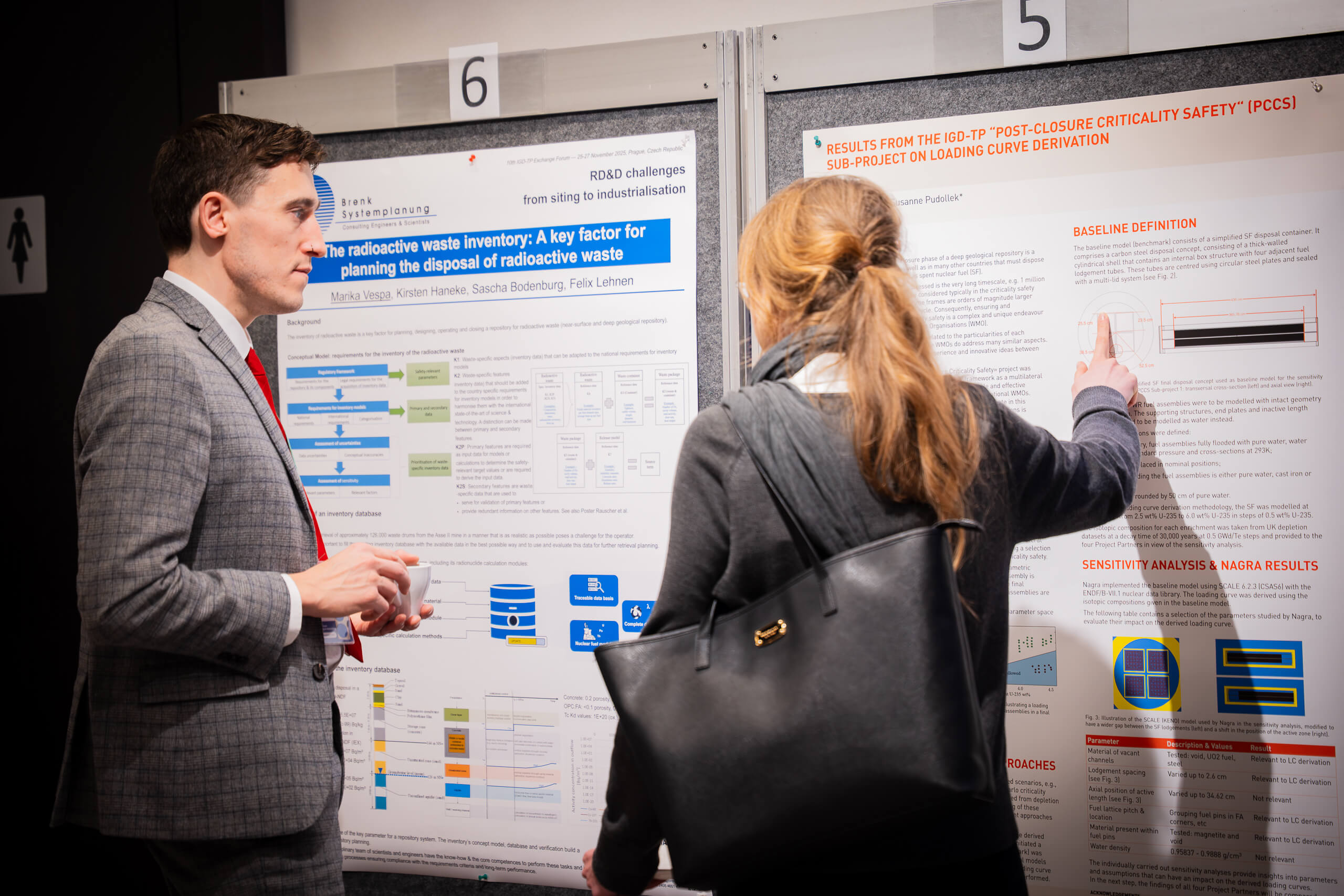
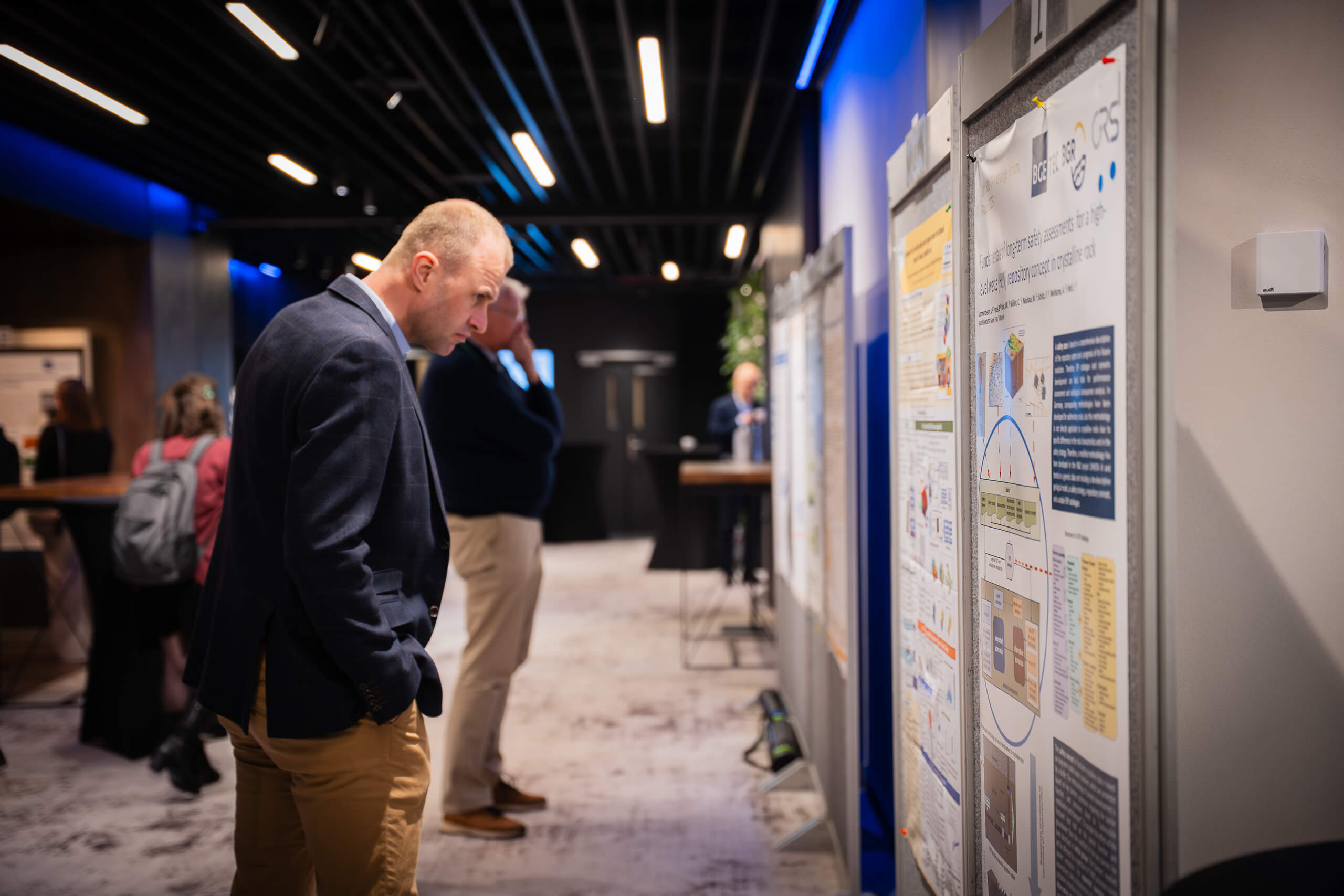
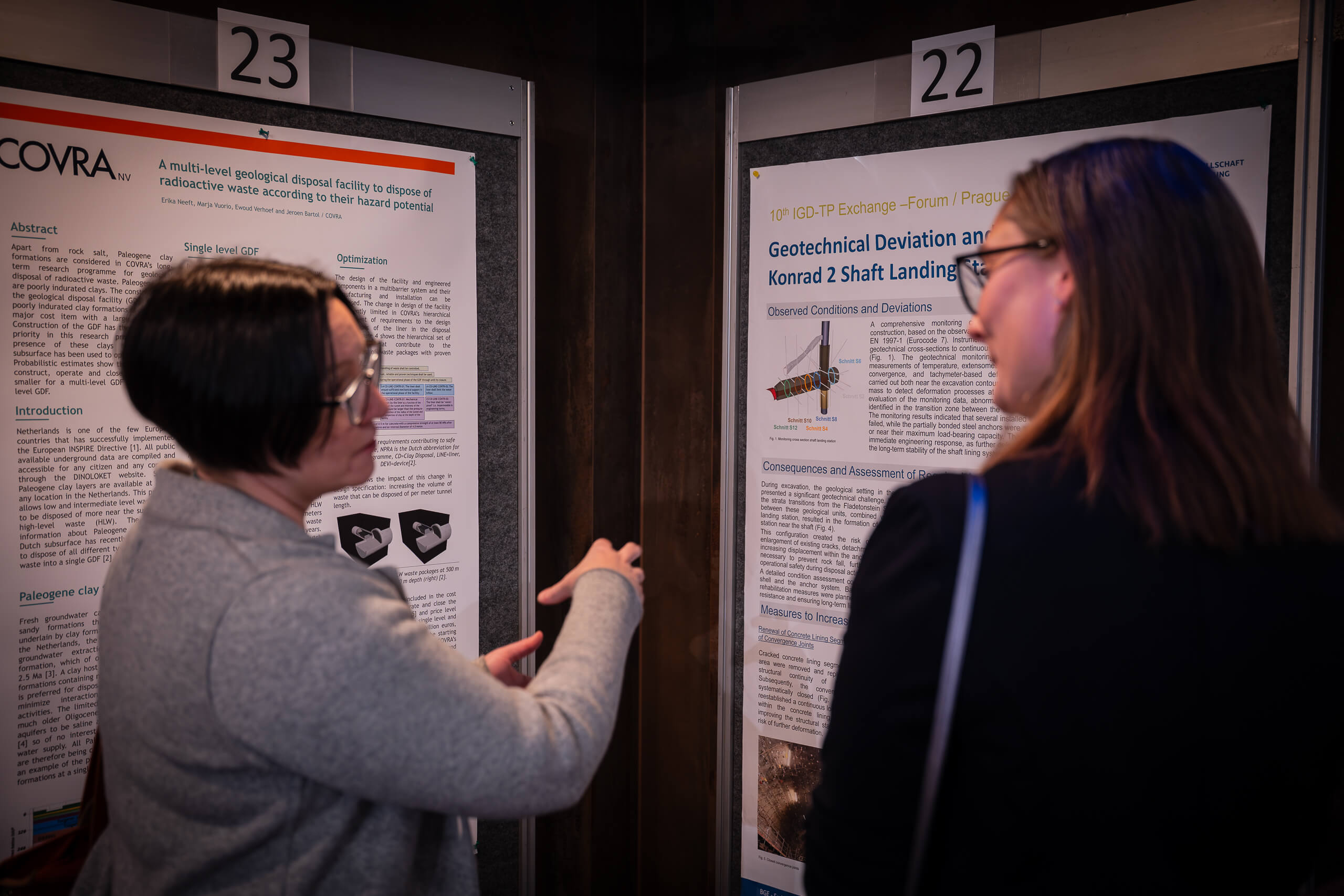
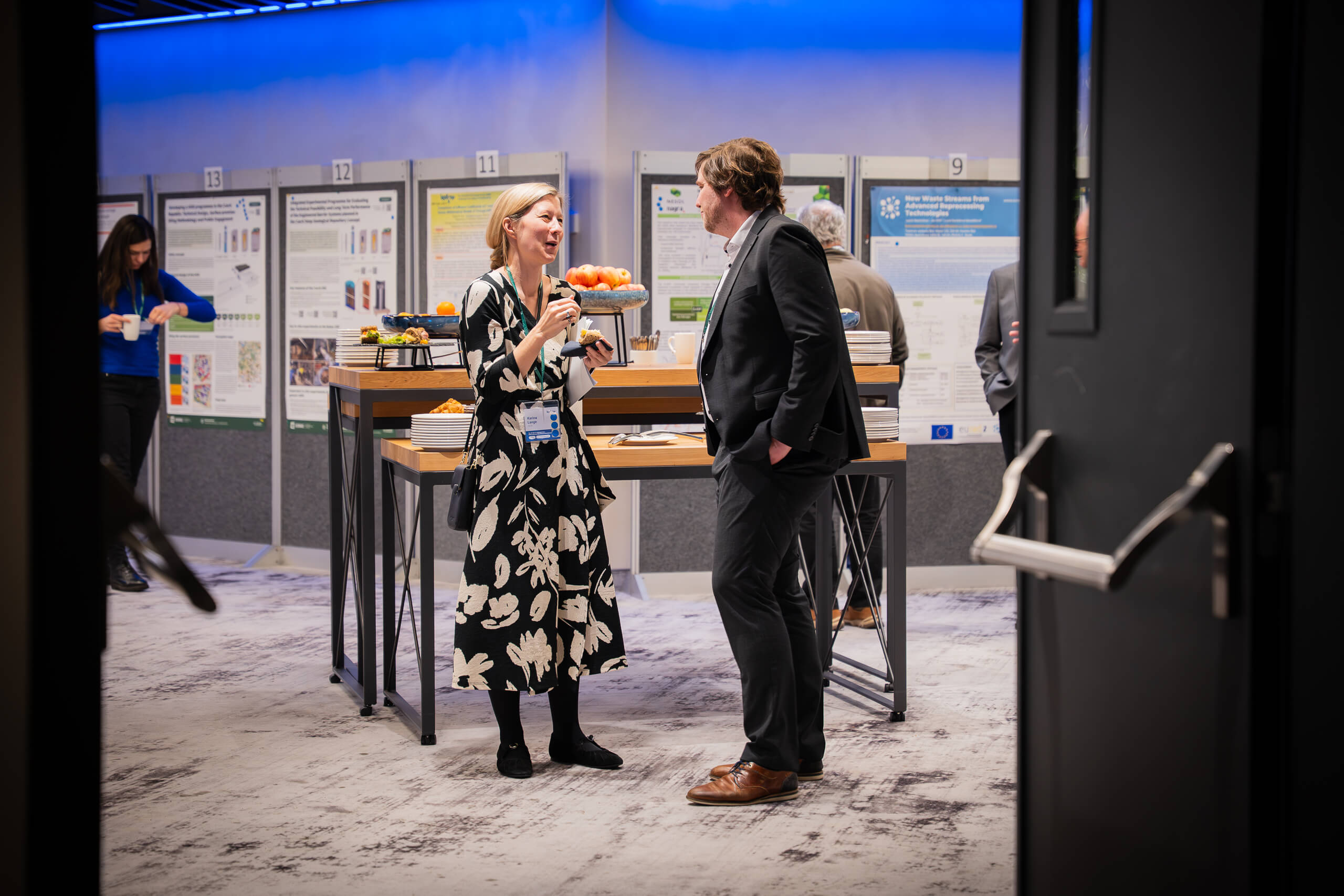
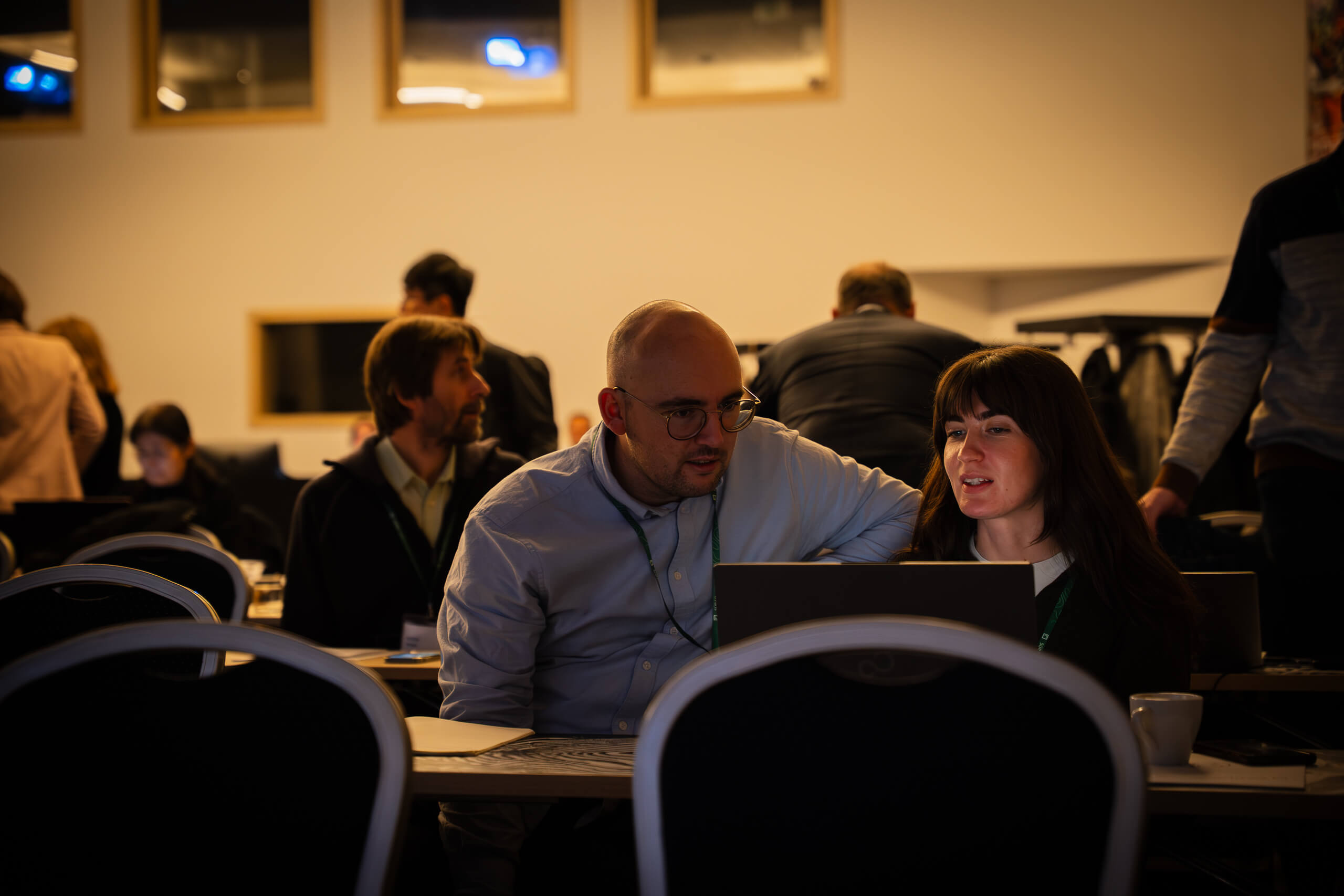
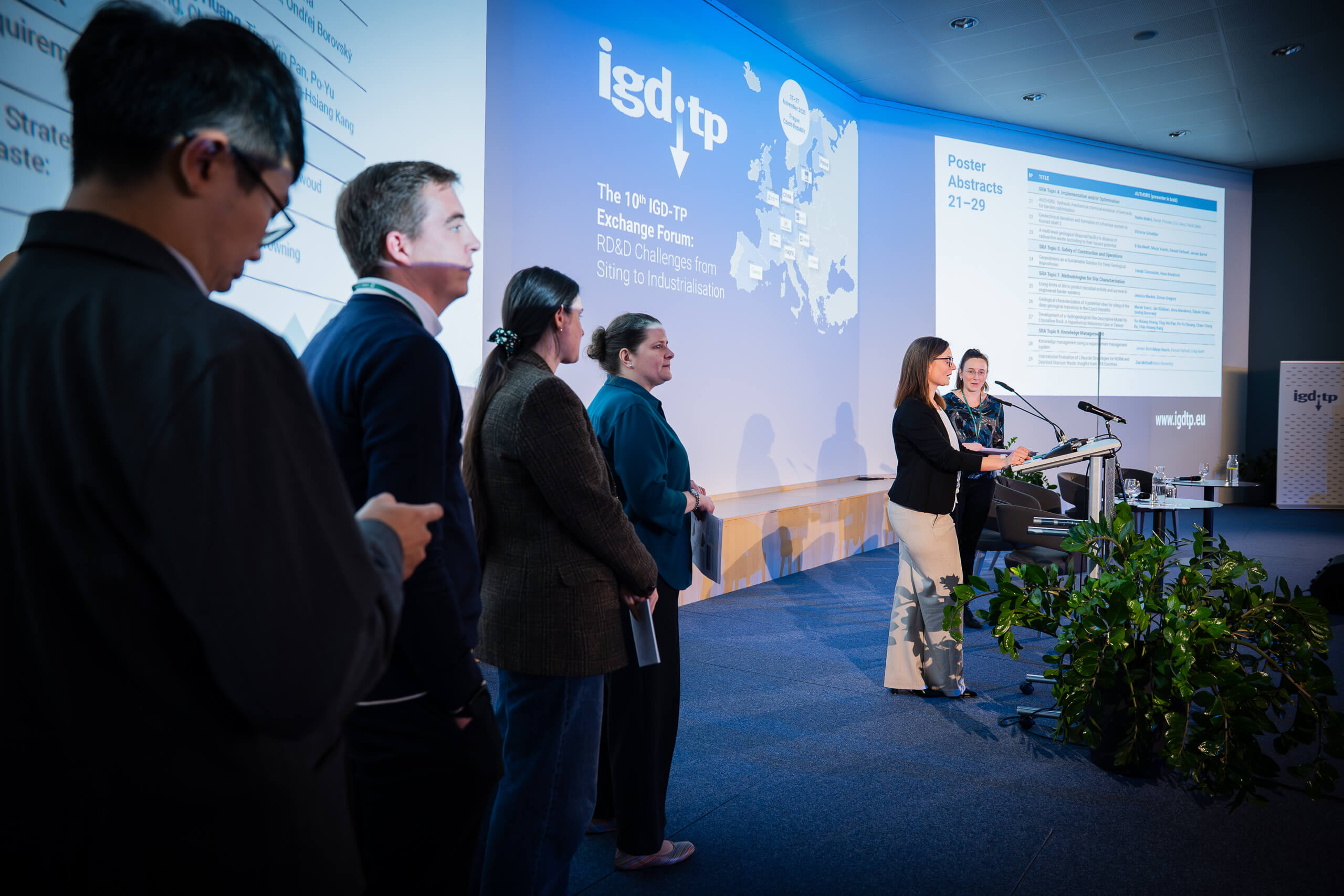
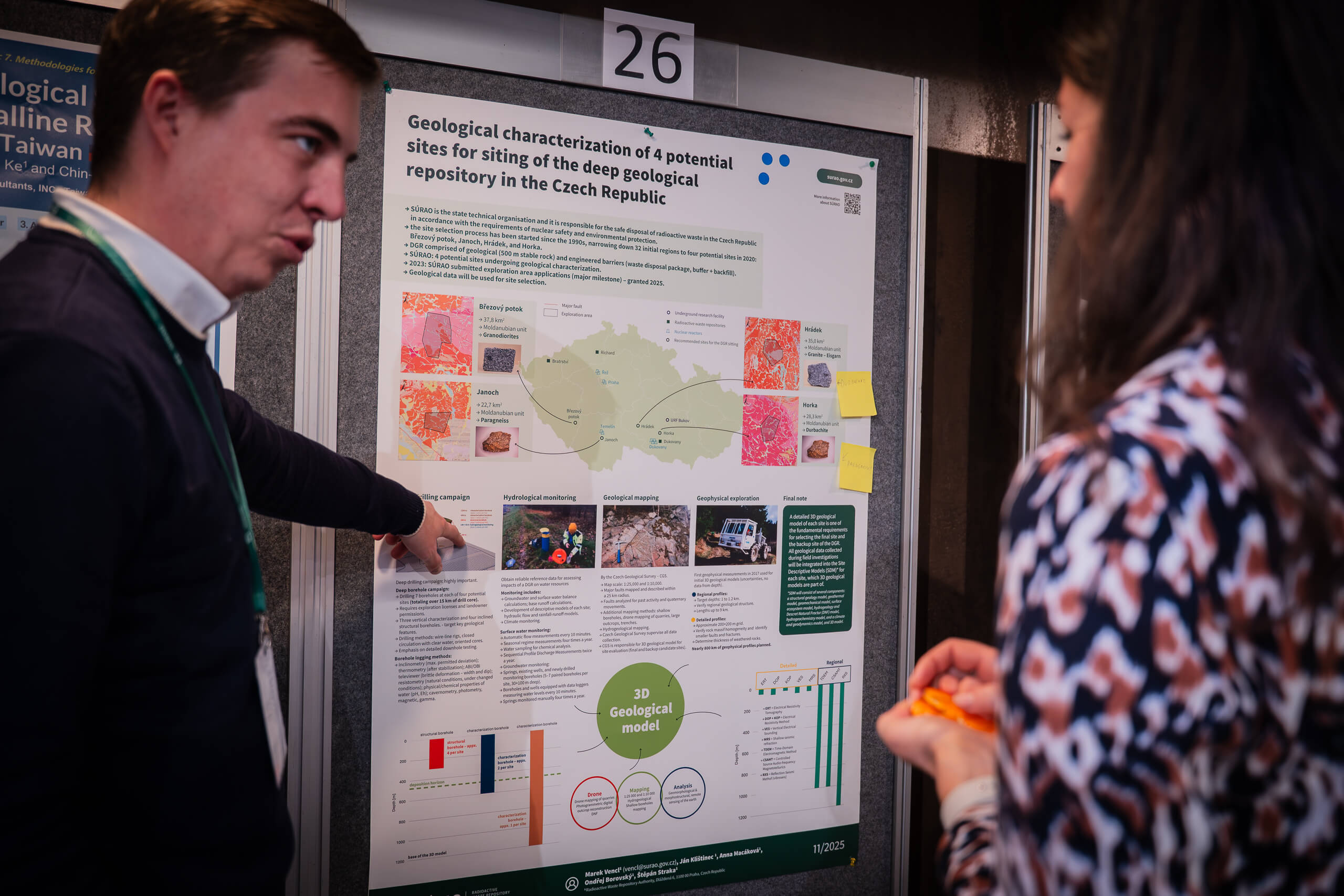
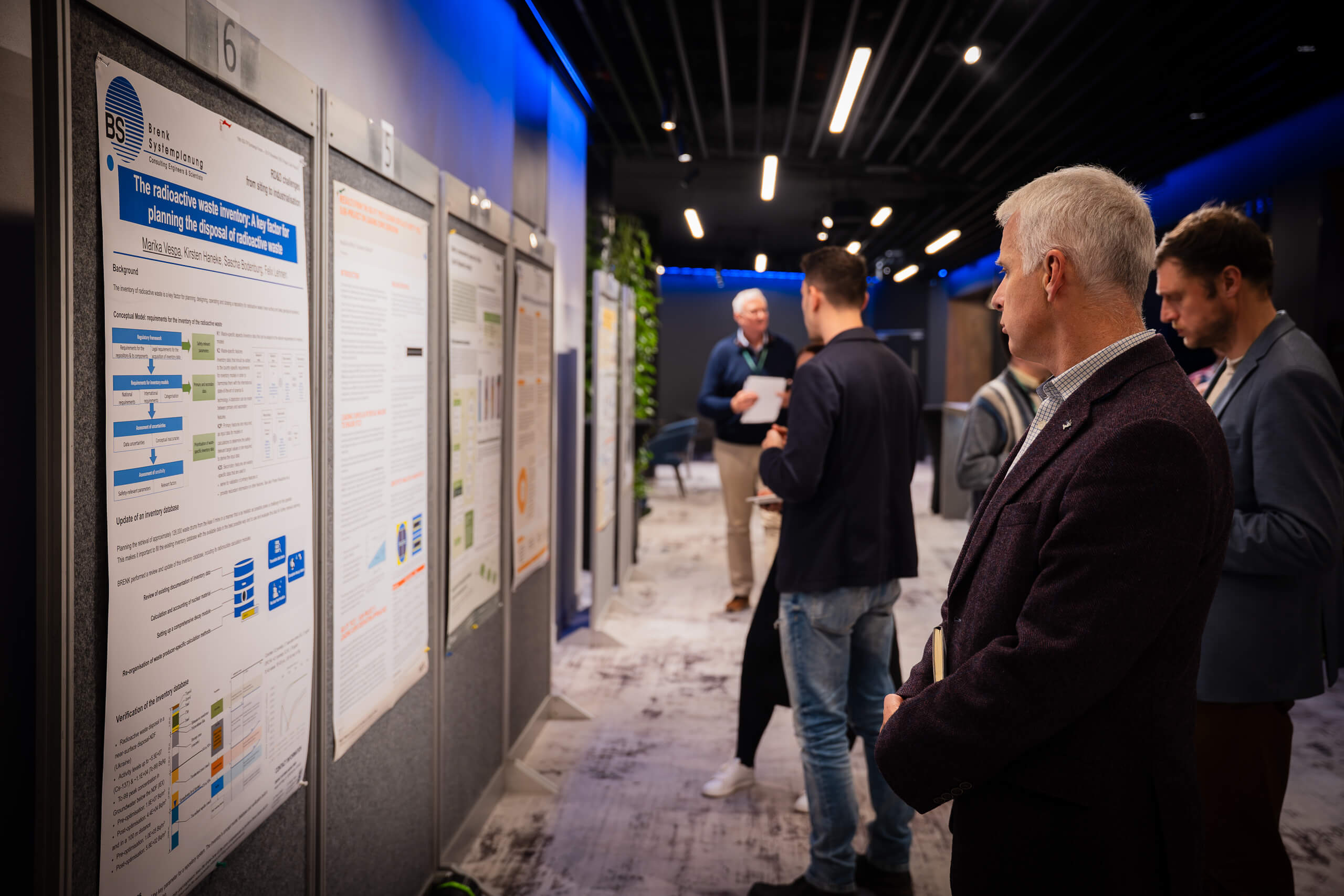
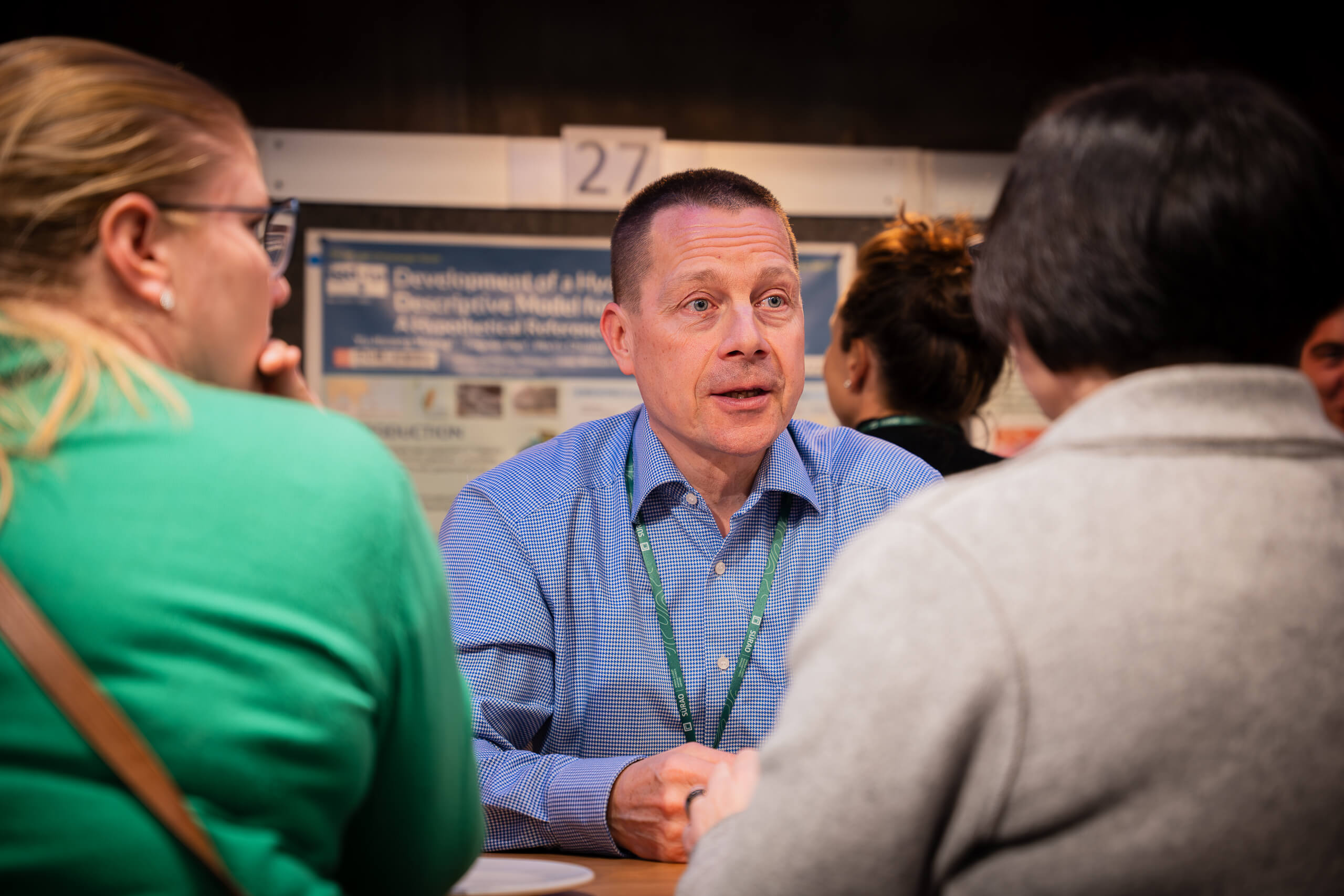
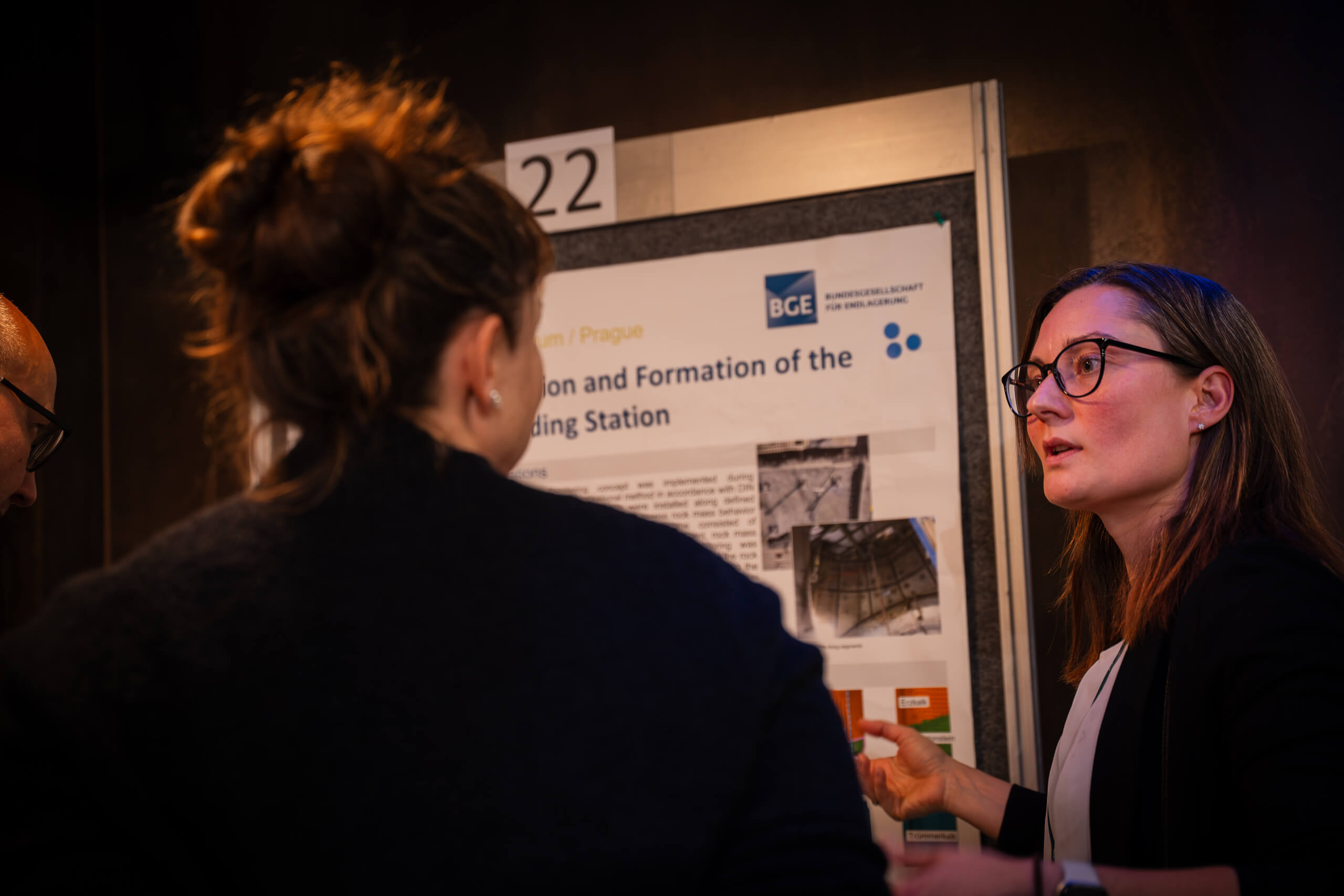
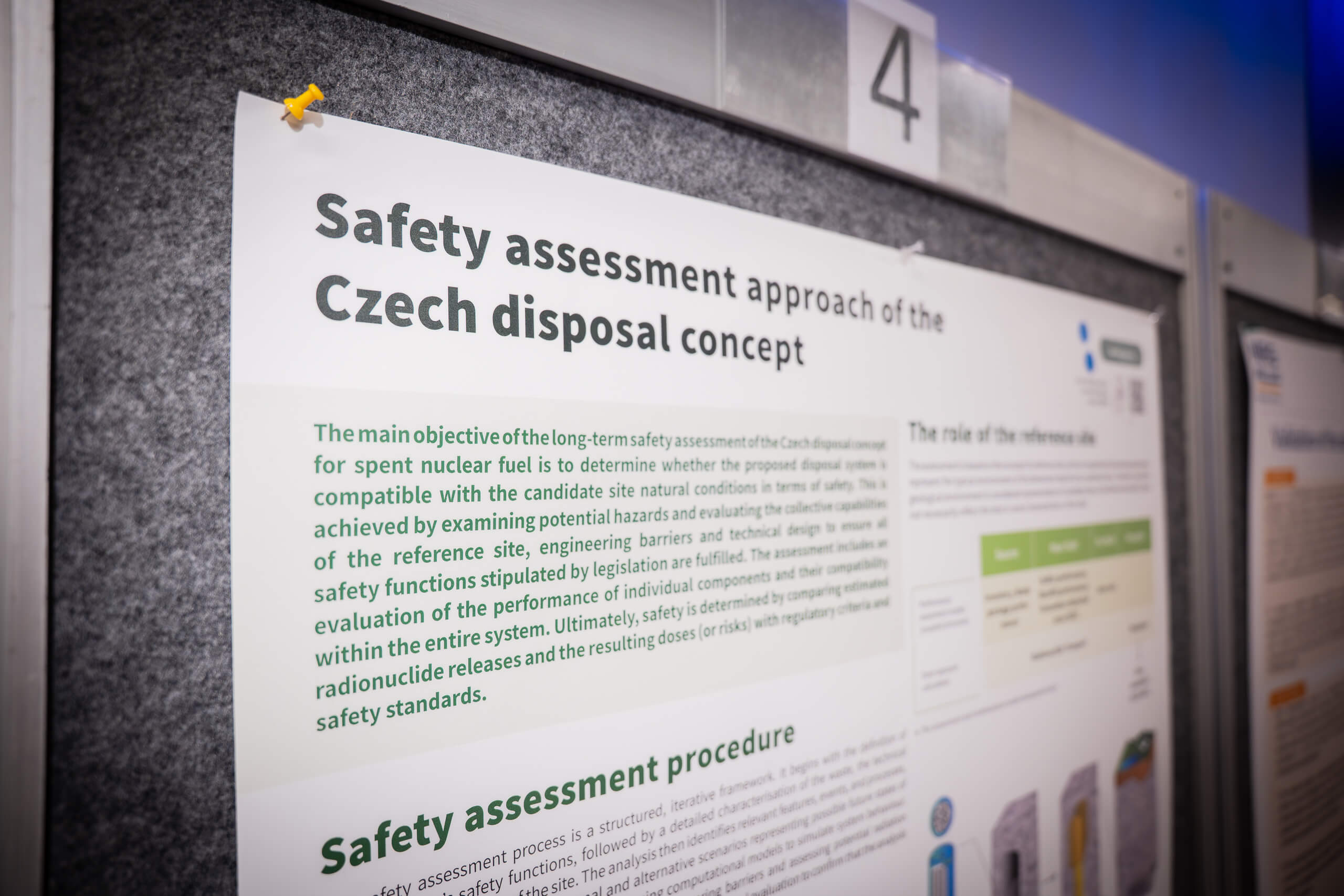
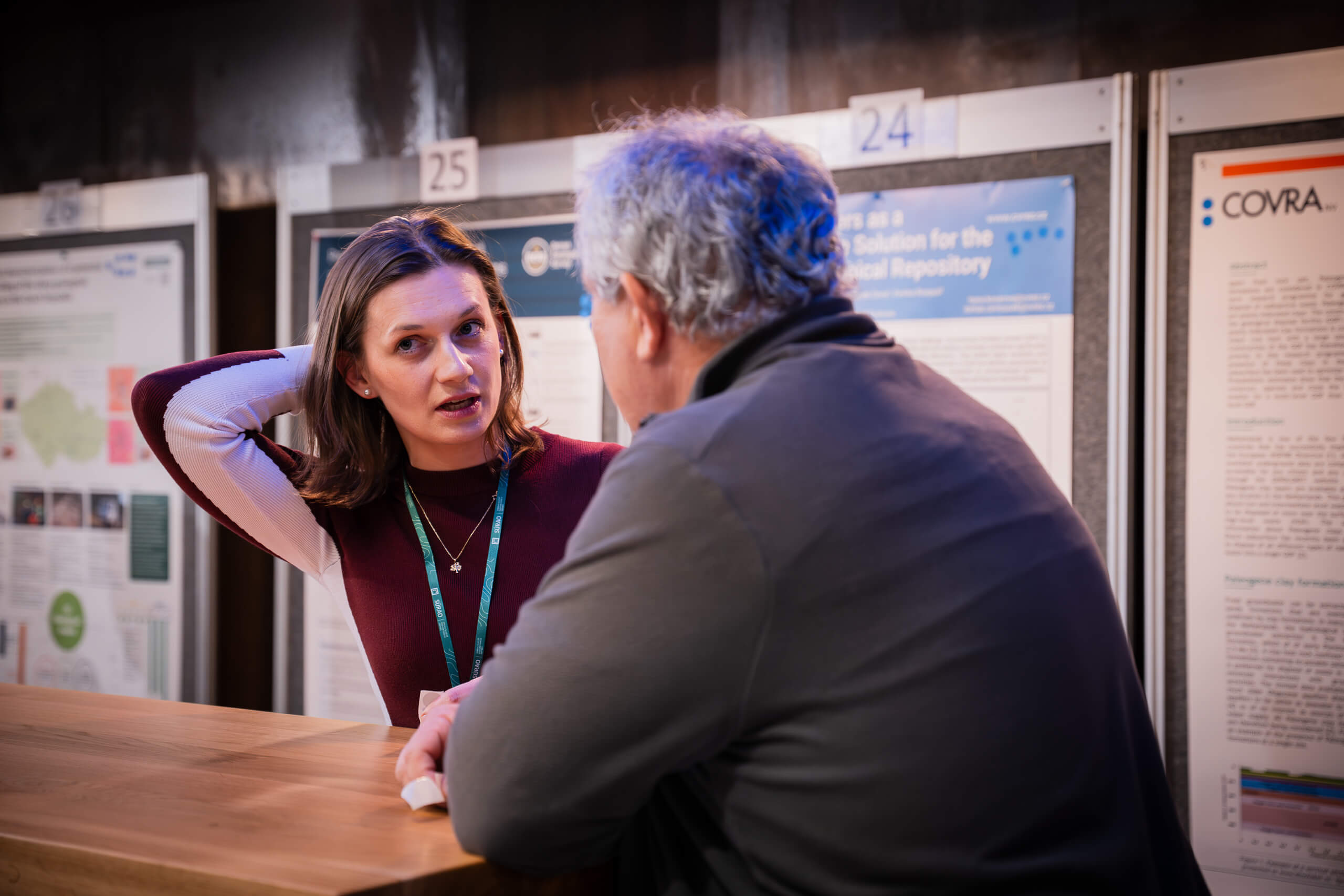
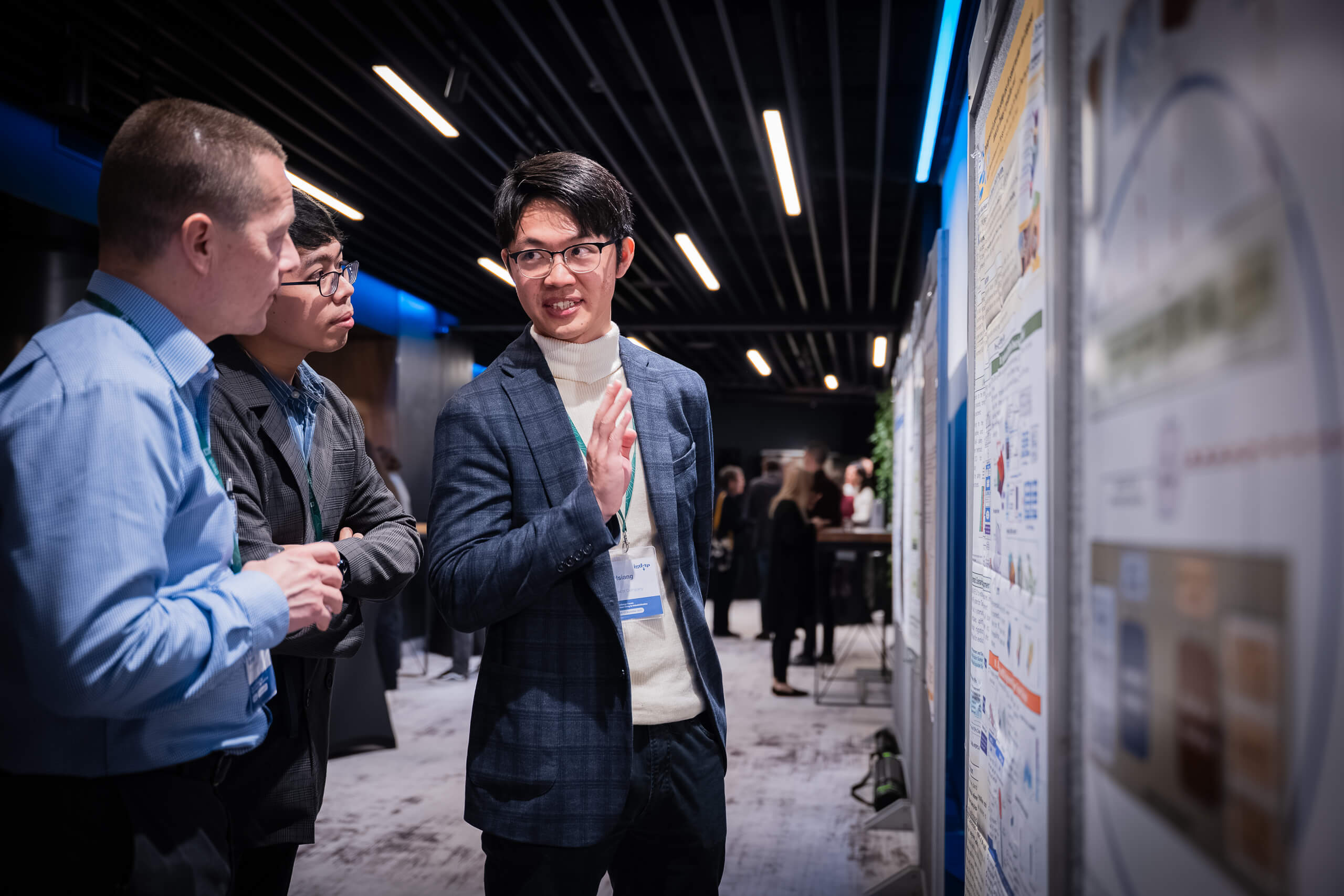
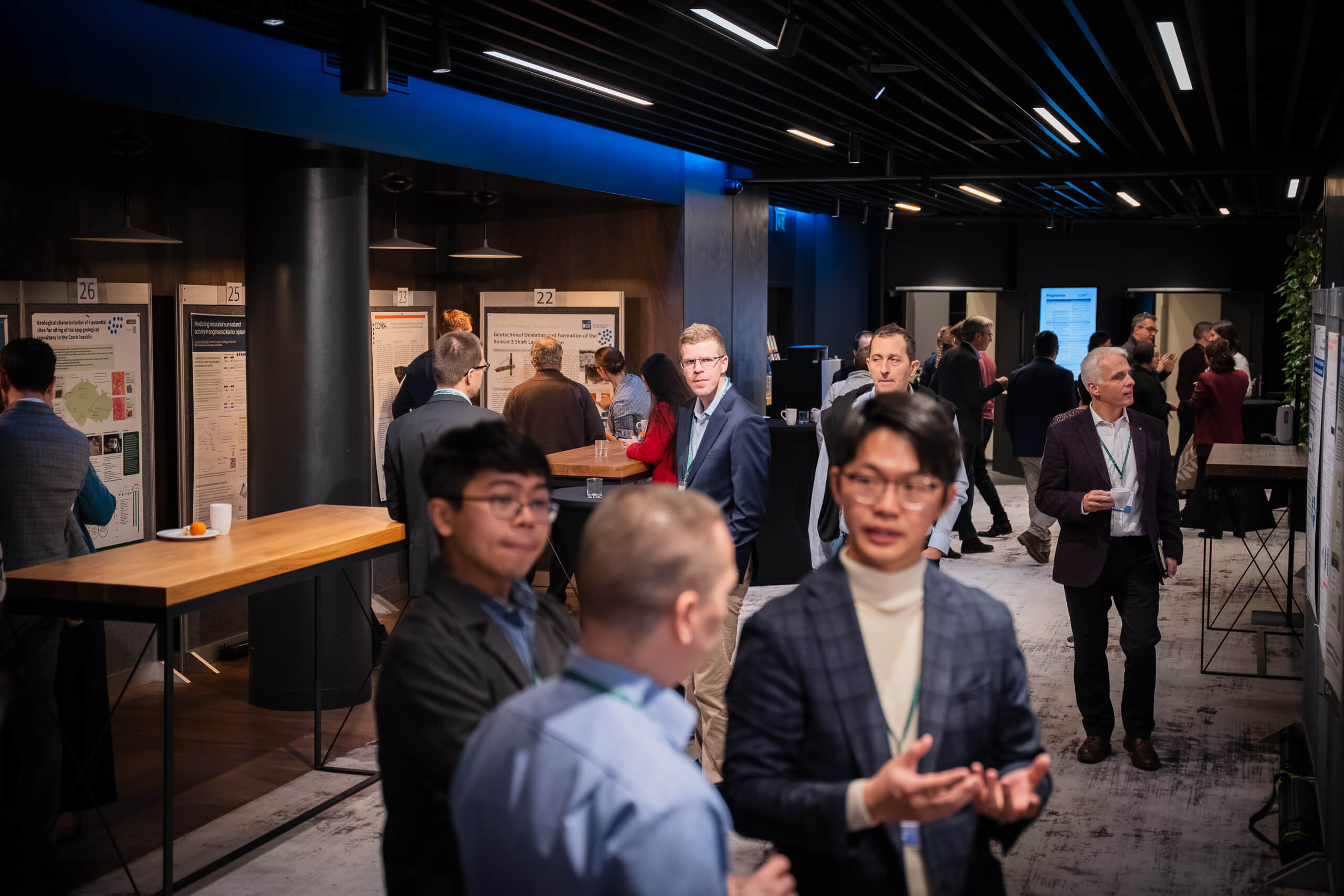
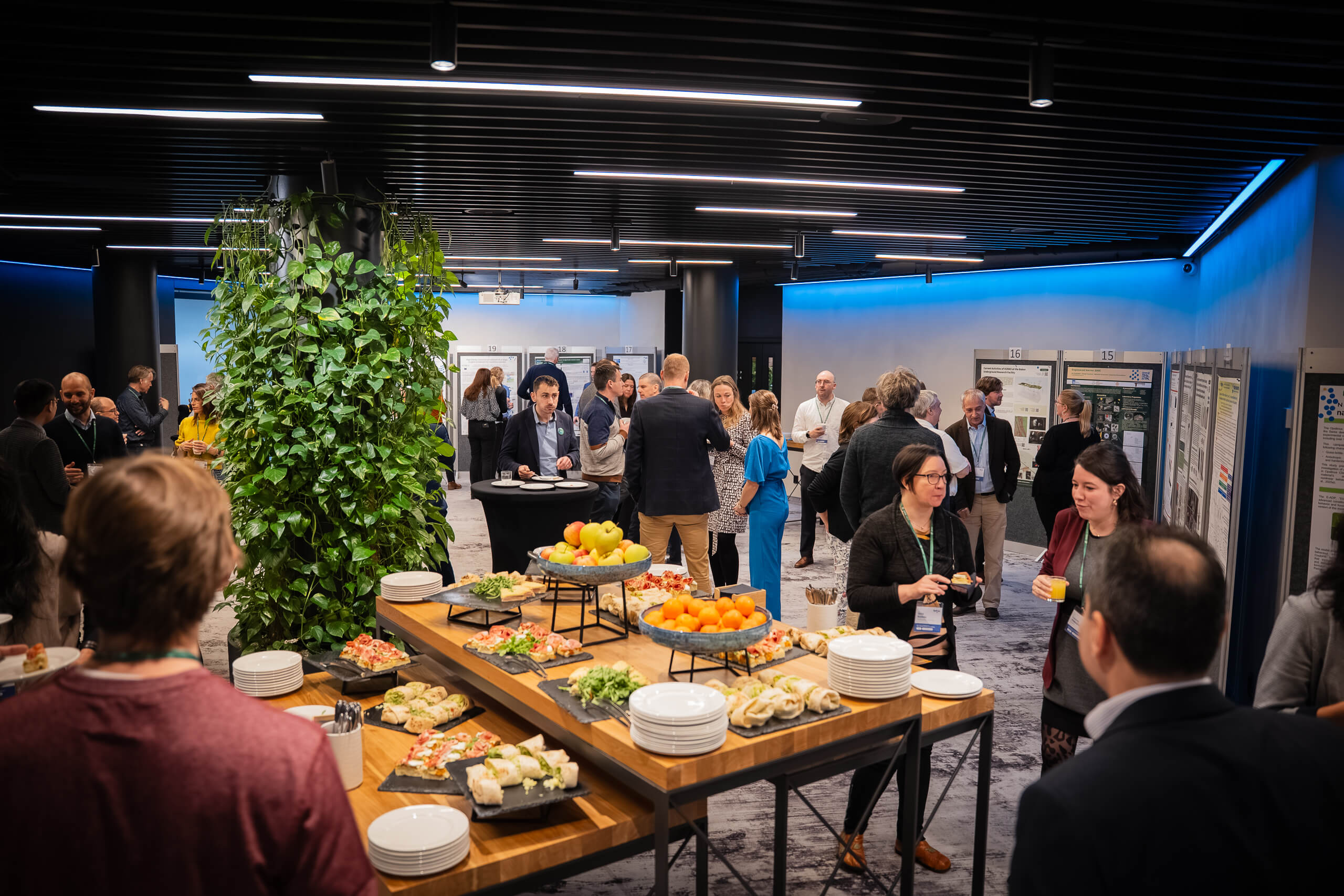
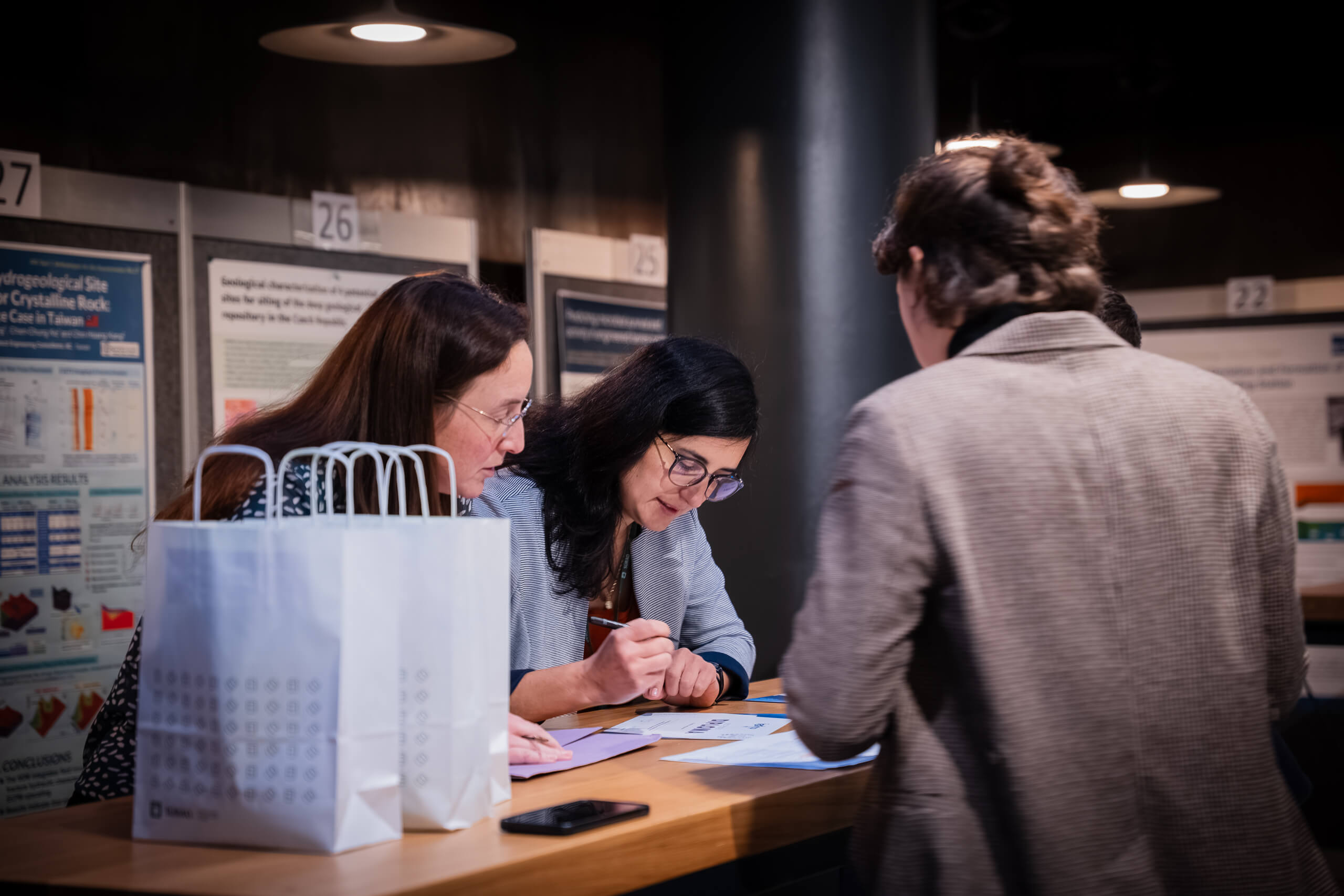
Poster sessions were held in conjunction with refreshment breaks on both days. 29 posters were presented covering a range of IGD-TP Strategic Research Agenda topics. The poster titles and abstracts are available here and, where available, copies of the posters can be downloaded from the event documents section below.


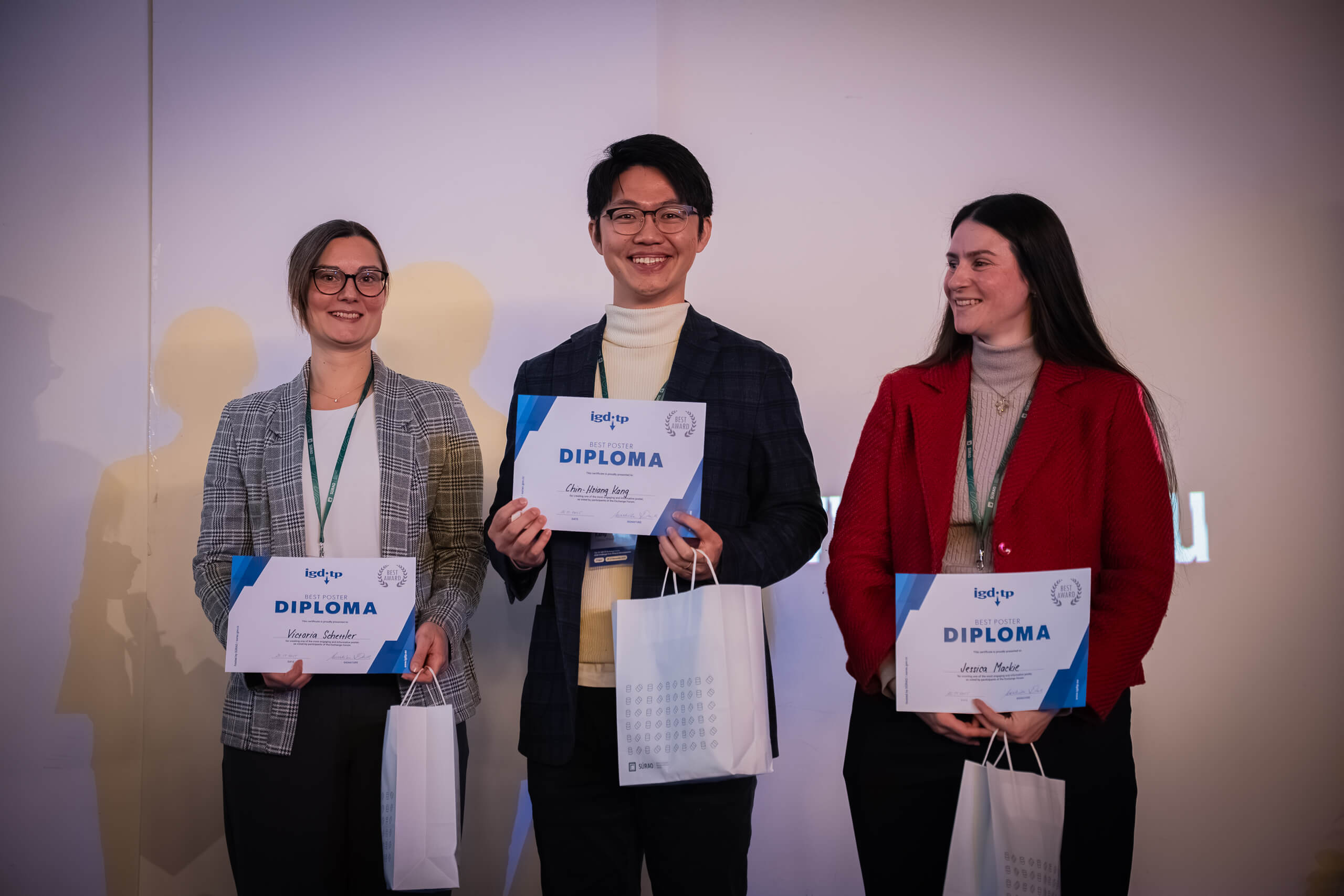
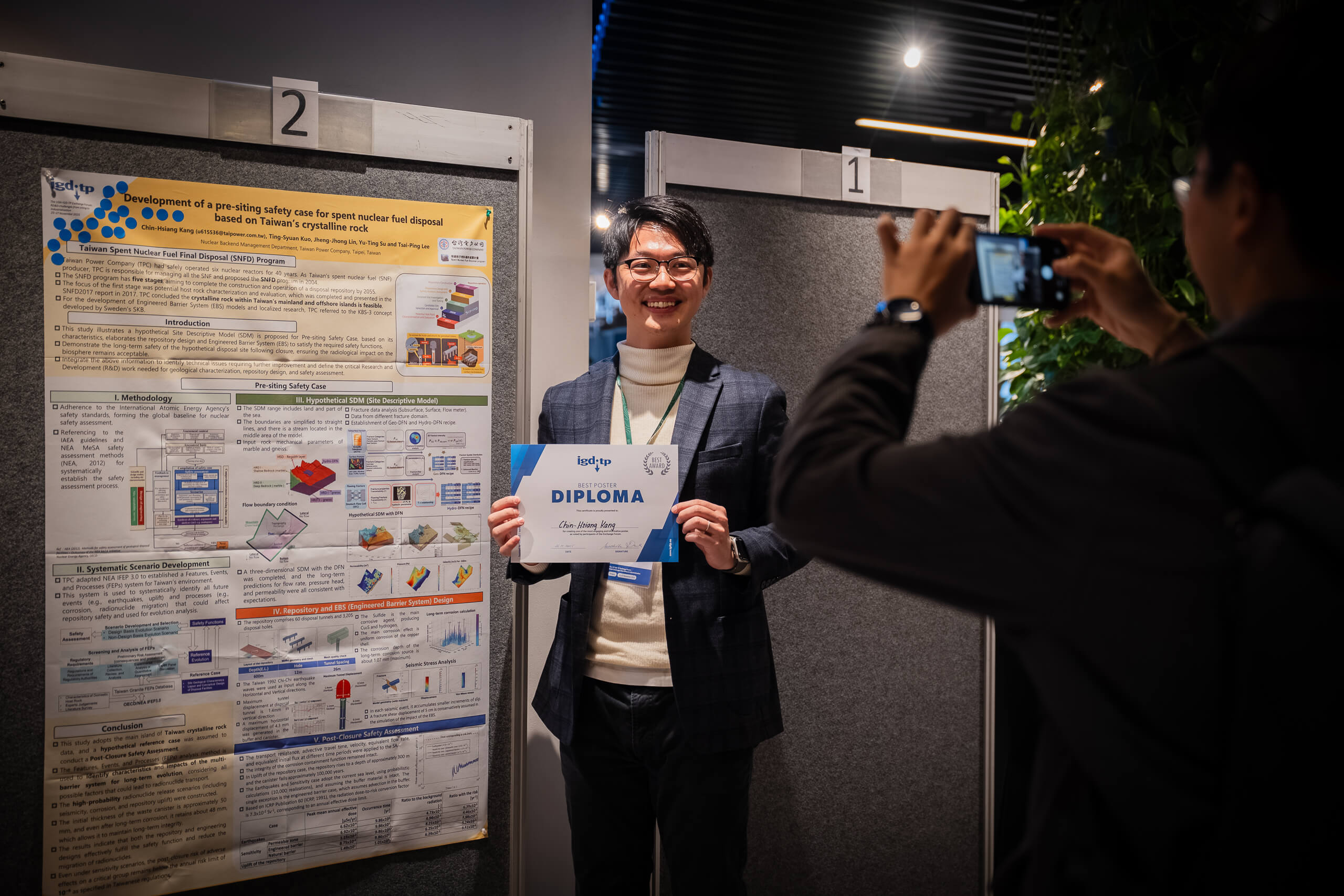
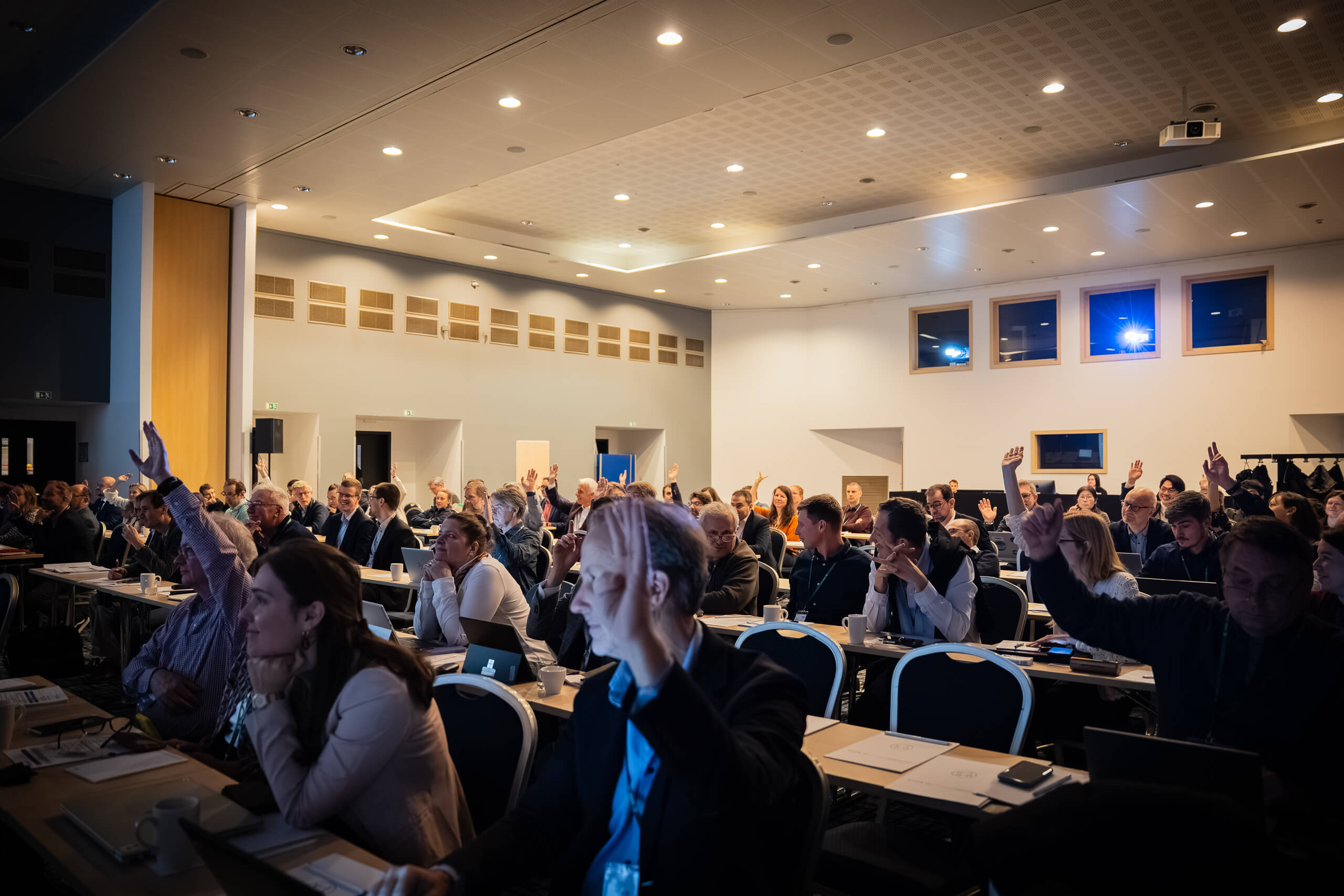
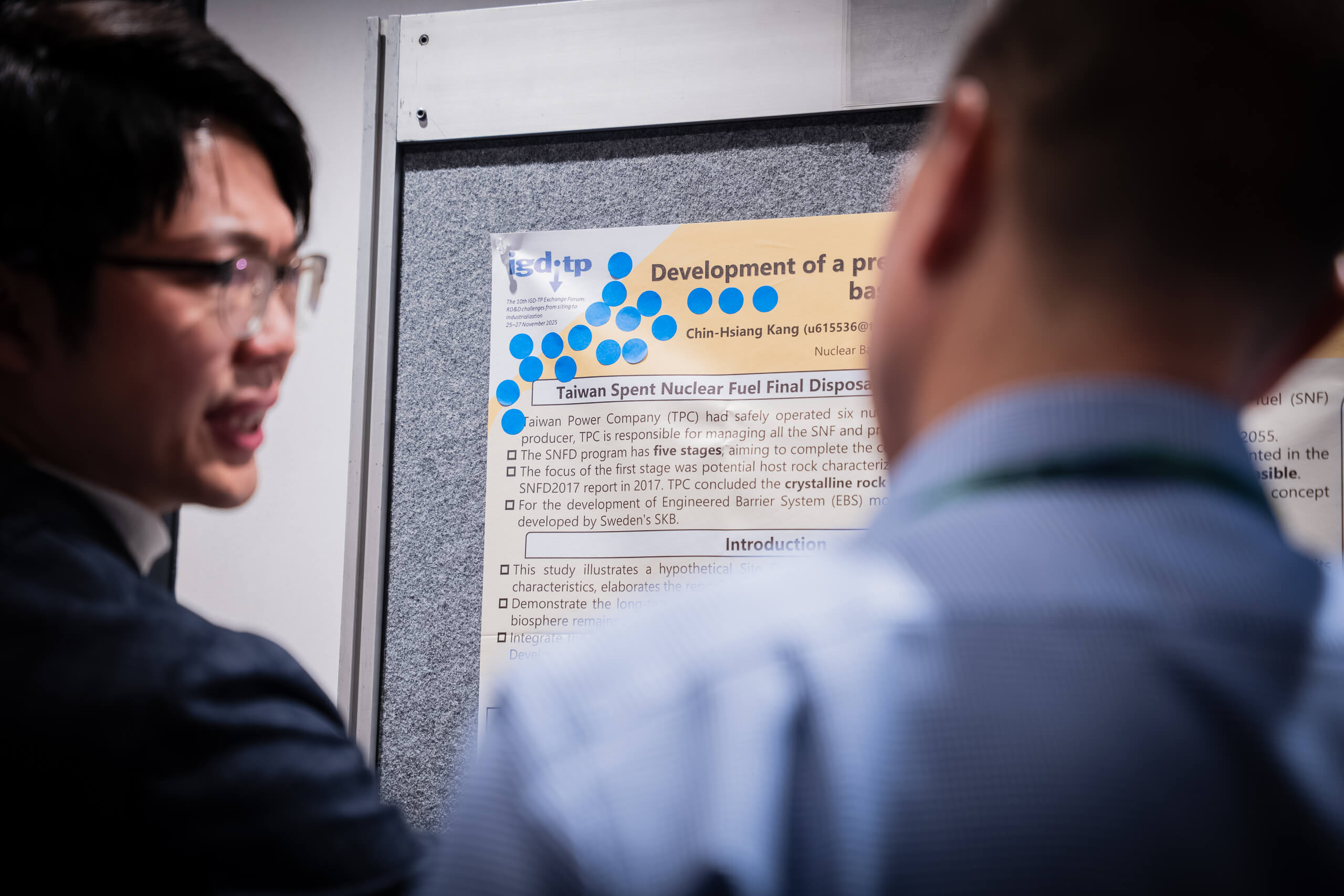
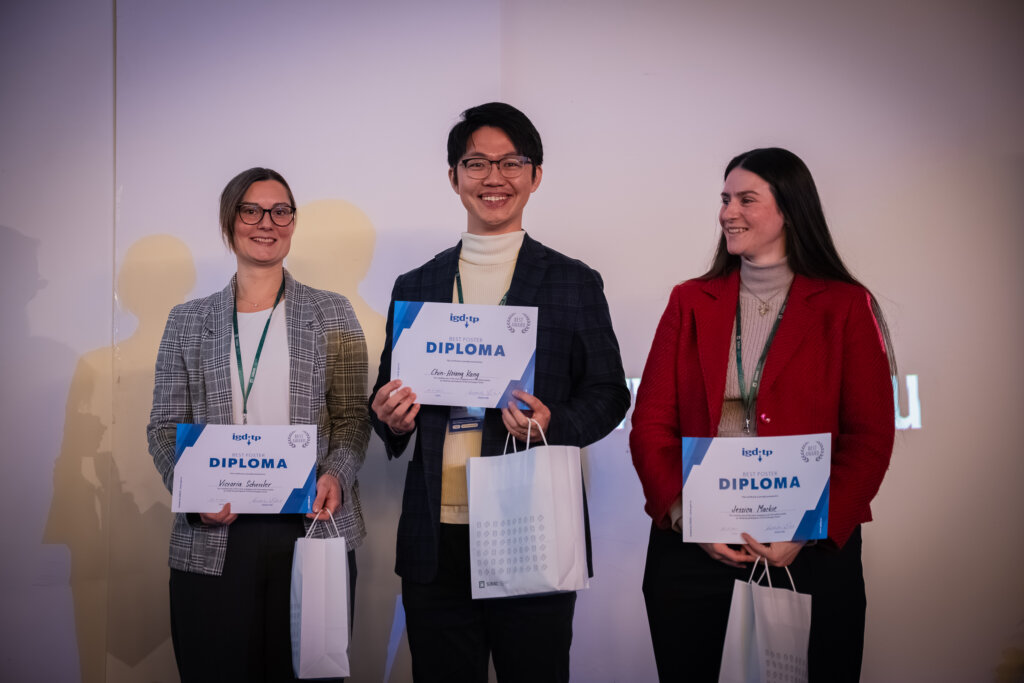
During refreshment breaks attendees were asked to vote for their favourite posters. Congratulations to the authors of the three posters with the most votes! The winning posters were:
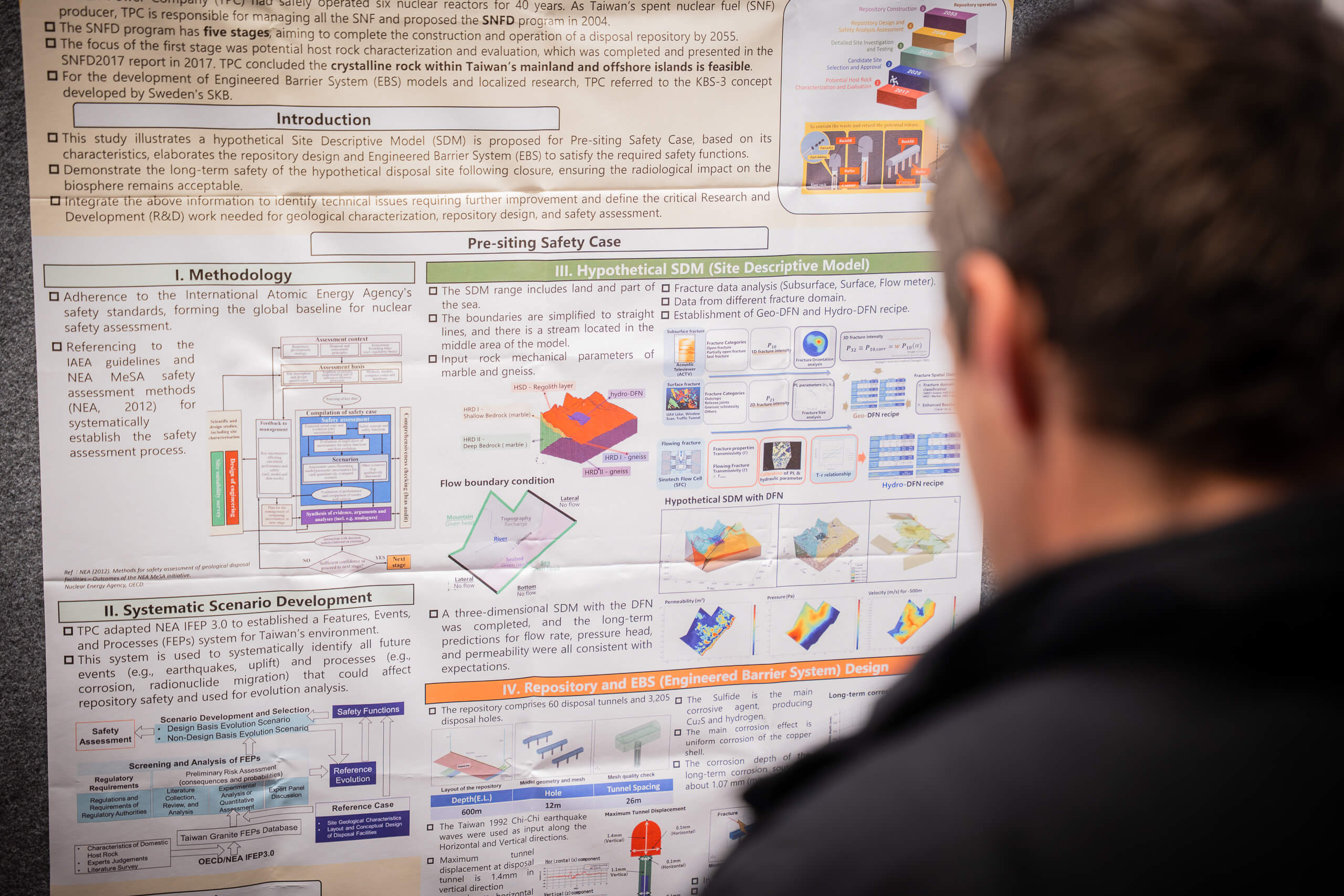
- Poster 2: Development of a pre-siting safety case for spent nuclear fuel disposal based on Taiwan’s crystalline rock – Chin-Hsiang Kang, Ting-Syuan Kuo, Jheng-Jhong Lin, Yu-Ting Su & Tsai-Ping Lee
- Poster 22: Geotechnical deviation and formation of a fracture system in Konrad shaft 2 – Victoria Schettler
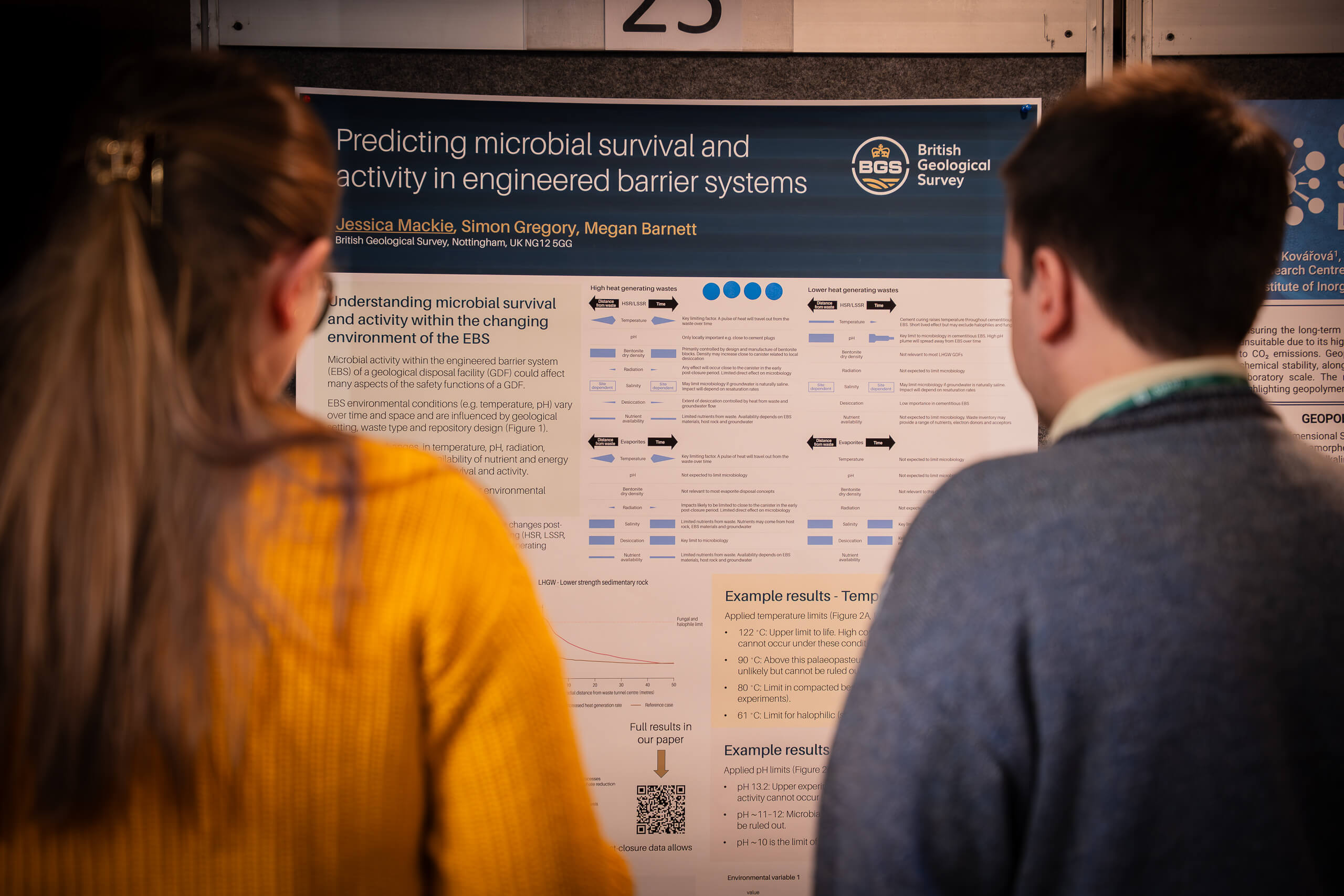
- Poster 25: Using limits of life to predict microbial activity and survival in engineered barrier systems – Jessica Mackie, Simon Gregory
Technical Tours
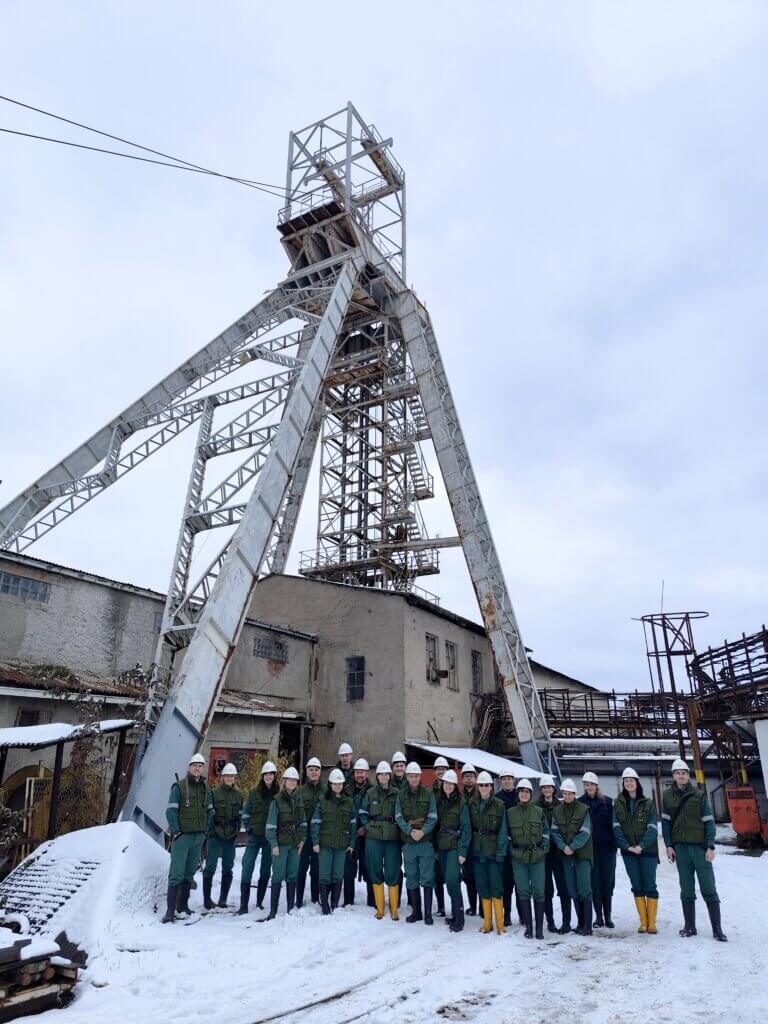
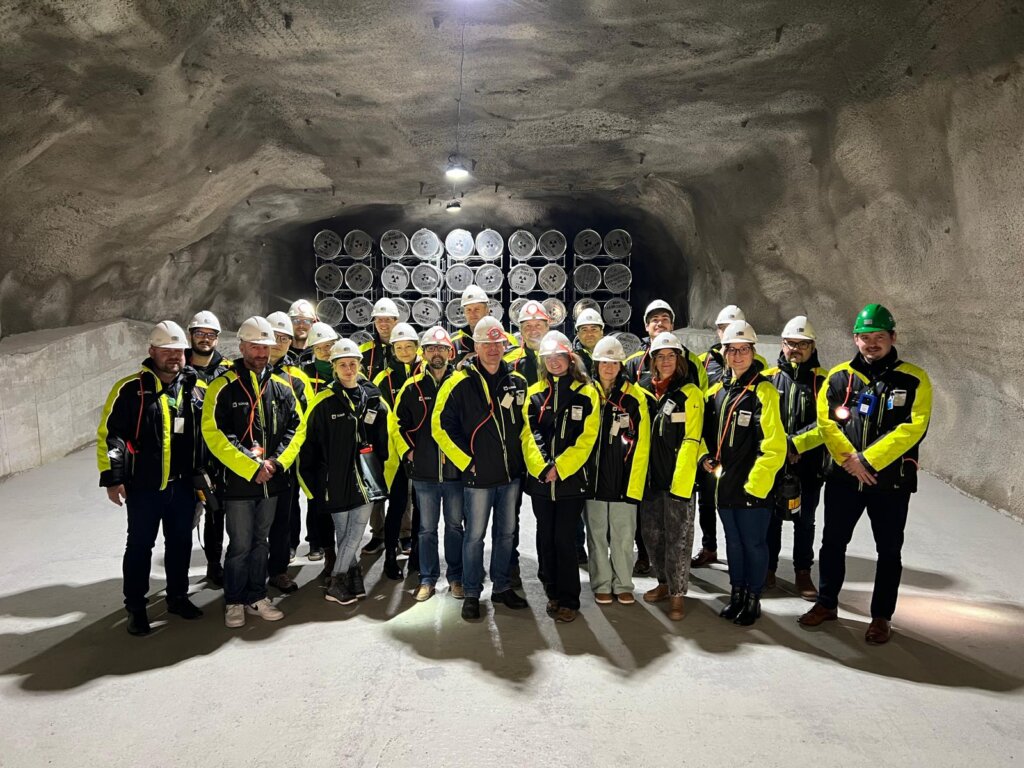
On Thursday 27 November 2025 attendees had the opportunity to visit Bukov underground research facility or Richard Repository.
Bukov Underground Research Laboratory
The Bukov underground research facility (URF) is located 550 metres below the surface in the former Rožná uranium mine, which was the last uranium mine in operation in Central and Western Europe before its closure in 2017. Experiments are conducted at the Bukov URF aimed at obtaining data on the behaviour of the rock environment at the expected depth of the future deep geological repository. It is also used for in-situ testing of the materials being considered for the construction of the engineered barriers. The first section of the Bukov URF was put into operation in 2017 and the second section of the underground complex, which includes 13 test chambers, opened earlier this year.
Richard Repository
The Richard Repository has been in operation for over 60 years. Formerly a limestone mine, a secret Nazi factory and currently the oldest waste disposal facility in the Czech Republic, the Richard facility has been used for the disposal of intermediate and low-level radioactive waste since 1964. The facility is located near to the historic town of Litoměřice and is used for the disposal of so-called institutional waste (i.e. materials from the industry, healthcare and research sectors). Some of the waste is accepted for storage (rather than disposal) pending its final disposal in the planned Czech deep geological repository. The Richard disposal facility also includes a certified testing facility for waste packages and special form radioactive substances.
Further Information
For any queries please contact secretariat@igdtp.eu
Related Documents
 Agenda
2025-11 IGD-TP Exchange Forum – Programme and Abstracts
Description: IGD-TP Exchange Forum 2025, Programme and Abstracts, November 2025 (v3)
Last updated: November 3, 2025
Description: IGD-TP Newsletter 15, published May 2026
Last updated: May 14, 2026
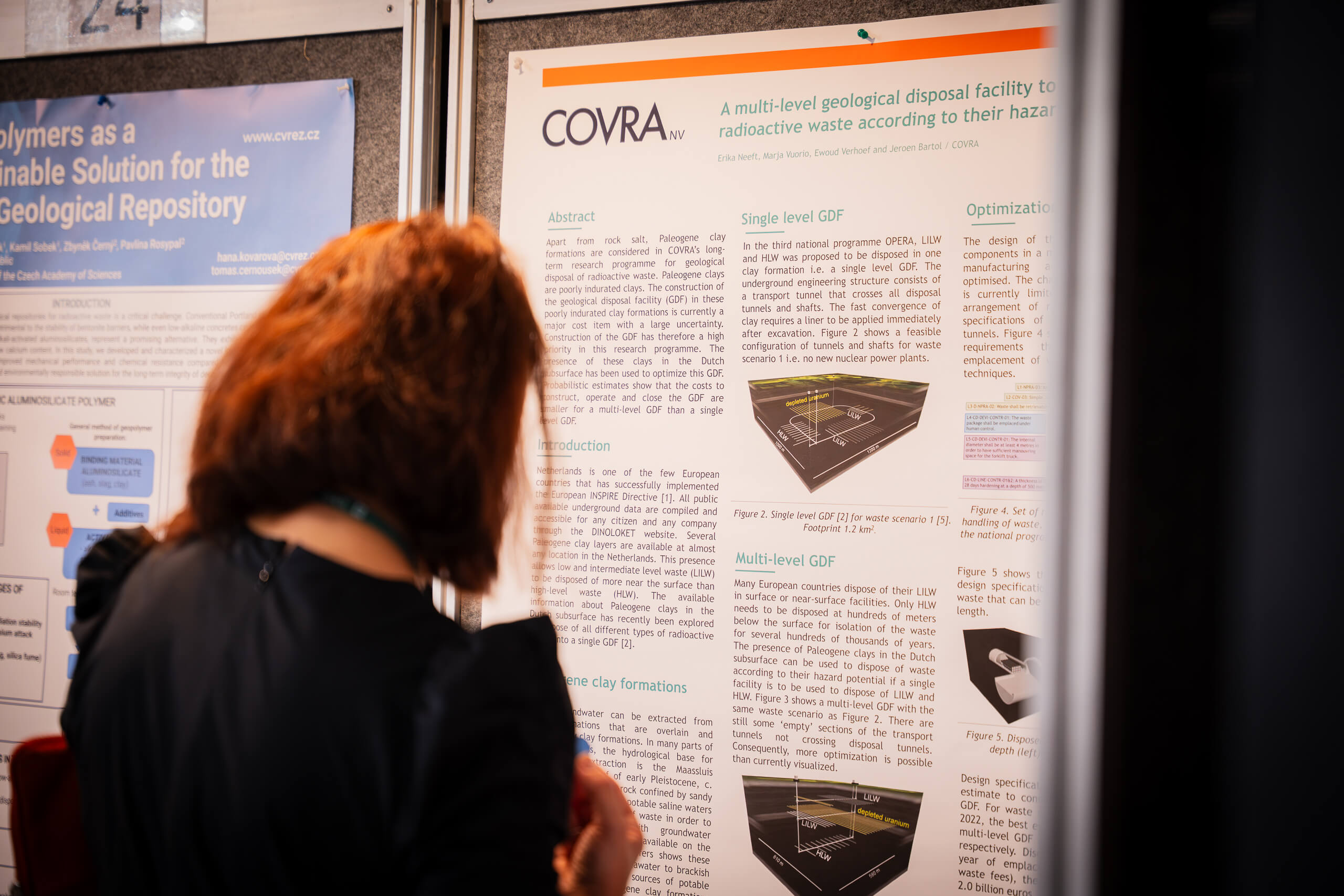
Description: Netherlands is one of the few European countries that has successfully implemented the European INSPIRE Directive. All publicly available data of underground/subsurface formations are compiled and accessible for any citizen and any company through the DINOLOKET website. The available information in DINOLOKET about Paleogene clays in the Dutch subsurface has recently been explored to research disposal of all types of radioactive waste into a single geological disposal facility (GDF). Several Paleogene clay layers are available at almost any location in the Netherlands. This presence allows low and intermediate level waste (LILW) to be disposed of nearer the surface than high-level waste (HLW). Apart from a single level GDF in clay also a multi-level GDF is therefore considered. Compared to a single level GDF, the multi-level GDF: 1) is more flexible to be adapted to changes in waste inventories; 2) has a higher certainty in cost estimate of disposal, since construction techniques for shallower disposal depths have already been demonstrated either through civil industry (traffic tunnels) or the underground research laboratory in Belgium; 3) reduces the footprint of disposal facility.
Last updated: December 3, 2025
Current Activities of SÚRAO at the Bukov Underground Research Facility
Description: SÚRAO, the Czech waste management organisation responsible for the development of the country’s deep geological repository, relies on the timely preparation of technical solutions via the performance of research, development and demonstration activities in generic underground research facilities. SÚRAO’s key research site comprises the Bukov Underground Research Facility (URF), which provides for the conducting of in-situ experiments in the crystalline rocks of the Bohemian Massif at a depth of 500 metres below ground level. The poster provides information on the activities currently underway in this underground laboratory. The Pilot Corrosion Experiment continues in the section of the laboratory that has been in operation since 2017, i.e. Bukov URF I. This experiment commenced with the emplacement of heated physical models in vertical boreholes aimed at the detailed investigation of the corrosion behaviour of candidate materials for the waste disposal package for spent nuclear fuel. The objective of the experiment is to obtain a decade-long dataset on the corrosion rates of selected metallic materials placed in Czech bentonite. In addition, one of the key phases of the Interaction Experiment is currently underway, i.e. its dismantling employing the core drilling and wire-saw cutting techniques for the recovery of the physical models from the rock mass. The blocks of rock that contain the physical models, along with the surrounding bentonite, are being transported to the surface laboratory to be subjected to systematic sectioning and the collection of samples for laboratory analysis purposes. In 2024, the excavation of a new section of the underground laboratory – Bukov URF II – was completed. The new system of laboratory corridors will be fully commissioned by the end of 2025.
Last updated: December 3, 2025

Description: This poster provides a comprehensive overview of the current technical design and ongoing development of the future Czech deep geological repository (DGR) for spent nuclear fuel and other radioactive waste. The DGR is being designed to provide a safe, multi-barrier disposal system that will meet all long-term safety requirements. We present the current design parameters of this system, which is intended to be located within a deep disposal horizon in a crystalline rock mass made up of granite or gneiss. In addition, we introduce the current schedule for the Czech DGR program and detail the updated design of the DGR’s surface premises. A focus of this poster is also the methodology for selecting the DGR’s surface premises. This systematic approach uses clearly defined rules and criteria—including standard criteria (legislative, safety, environmental, and technical requirements) as well as specific criteria that incorporate the views of all stakeholders. The methodology ensures a consistent design approach across all potential sites and helps to quantify differences between them. This systematic approach was applied to all four potential DGR sites, leading to the selection of suitable surface areas. Following this, the Radioactive Waste Repository Authority launched the Emotional Maps project. This innovative initiative was designed to gather feedback from residents on potential DGR sites for the DGR’s surface facilities, access roads, and related infrastructure. The project allowed communities, who know their areas best, to identify important places, highlight regional specifics, and share concerns or suggestions. This valuable input from citizens helps to better understand what matters to the communities and ensures their perspectives are considered in the final design. The project’s findings will be used to protect valuable natural and built-up sites and address identified problematic points in the DGR design.
Last updated: December 3, 2025
Description: Deep geological disposal at depths of 300–1000 m is internationally recognized as the most robust and reliable long-term strategy for the management of spent nuclear fuel. In Taiwan, crystalline rock formations have been proposed as a potential host environment. This study advanced hydrogeological data acquisition in Taiwan’s crystalline rock regions and developed Site Descriptive Models (SDMs) through a hypothetical reference case. The SDM was constructed by integrating multiple lines of evidence from both laboratory and field investigations, including gas permeability determinations of core samples, geophysical well logging, high-resolution flowmeter surveys, hydraulic properties determination from packer test and pumping test, soil property experiments, and long-term hydrological monitoring. The characterization identified two major lithologies—marble and gneiss—and three hydrogeological units: Hydro-Structural Domain (HSD), and two Hydrogeological Rock Domains (HRD I and HRD II). Groundwater flow was assessed using a hybrid modelling approach. At the site scale, Discrete Fracture Network (DFN) realizations were upscaled into an Equivalent Continuous Porous Media (ECPM) model, whereas at the regional scale, a Continuous Porous Media (CPM) model was employed. From 500 Hydro-DFN realizations, quartile statistics of fracture connectivity and well intersections were evaluated, and the realization most consistent with Sinotech Flow Cell (SFC) measurements was selected as representative. The results indicate that groundwater flow is primarily controlled by the steep regional topography, with dominant flow pathways extending from mountainous recharge areas toward the coastal discharge zones. The developed SDM significantly enhances the understanding of regional hydrogeological conditions and provides a scientific foundation for future safety assessments of potential high-level radioactive waste disposal sites in Taiwan.
Last updated: December 3, 2025
Description: Taiwan Power Company (TPC) had safely operated six nuclear reactors for 40 years. As Taiwan’s spent nuclear fuel (SNF) producer, TPC is responsible for managing all of the spent nuclear fuel and proposed the Spent Nuclear Fuel Final Disposal (SNFD) program in 2004. The SNFD program is divided into five stages, with the goal of completing the construction and operation of a disposal repository by 2055. TPC completed the first stage of the potential host rock characterization and evaluation in 2017 and published the Technical Feasibility Assessment Report (SNFD2017), referencing the KBS 3 concept. After 2018, the SNFD program entered the second stage. Besides promoting site selection and geological investigation work, TPC has also referenced IAEA guidelines and NEA-MeSA method to develop the pre-siting Safety Case and systematic safety assessment technologies. TPC has developed a Features, Events, and Processes (FEPs) system for Taiwan’s environments. This system is adapted from the NEA IFEP version 3.0 and further used for evolution and scenarios. Furthermore, TPC develops a hypothetical site descriptive model (SDM) as reference case and the localized conceptual design of underground repository and engineered barrier systems based on the characteristics of Taiwan’s crystalline rock surrounded by marble. TPC integrated all developed models and engineering designs to perform a post-closure safety assessment, which included scenarios for earthquakes, corrosion and uplift, along with sensitivity cases. The results show that the reference repository and engineering designs can fulfil the safety function and mitigate radionuclide migration. In the sensitivity cases, the post-closure risk of harmful effects to a critical group is below the annual risk limit of 10-6 specified in Taiwanese regulations.
Last updated: December 3, 2025
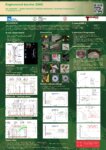
Engineered Barrier 200C – High Temperature In-Situ Experiment
Description: The design of a deep geological repository (DGR) for high-level radioactive waste relies on an engineered barrier system. The current hard rock design involves a steel or copper canister surrounded by a bentonite buffer. The maximum planned temperature at the canister/bentonite interface is 100 °C. This restricts both the quantity of material that can be stored in one place and the spacing of canisters within the DGR. However, an increase in temperature at the interface could lead to significant savings. Therefore, efforts are being made to explore this possibility. This effort also enhances the safety of the current design by extending the safe operating range. Project Engineered Barrier 200C is investigating temperatures of up to 200 °C in laboratory and in-situ tests. The half-scale physical model has been operational since November 2019 till April 2024 at the Josef Underground Research Laboratory (URL) in the Czech Republic. It was dismantled afterwards. The aim of the experiment was to test the behaviour of the buffer component of an EBS system made from pelletised material at temperatures up to 200 °C. The material tested consisted of compacted BCV bentonite pellets, which were arranged around a cylindrical heater to simulate a canister containing radioactive waste at 200 °C. The multidisciplinary dismantling of the experiment started in May 2024. The state of the experiment was documented and samples were taken for geotechnical, geochemical, microbiological and mineralogical analyses. The performance of the barrier was analysed as well. The bottom third of the experiment was left intact in-situ for further research on the long-term behaviour of the EBS. The poster presents the results of dismantling the experiment, which demonstrate the behaviour of the high-temperature EBS system.
Last updated: December 3, 2025
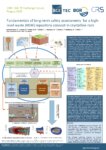
Description: A safety case is based on a comprehensive description of the repository system and a prognosis of its future evolution. Therefore, FEP catalogue and scenario development are basic tools for design and optimization of repository components as well as for performance assessment and radiological consequence analysis. In Germany, corresponding methodologies were developed for sedimentary rocks, but this methodology is not directly applicable to crystalline rocks due to specific differences in the rock characteristics and in the safety strategy. Therefore, a modified methodology has been developed in the R&D project CHRISTA III and tested at a generic data set including a site descriptive geological model, a safety strategy, a repository concept and an adequate FEP catalogue. Fractured crystalline rocks have significantly reduced containment properties. Therefore, the safety concept is based on a combination of long-term stable canisters and geotechnical barriers. To consider the consequences of the fractured host rock on the function of geotechnical barriers and on groundwater flow adequately, barrier and nearfield properties have to be taken into account in an integrated approach. Therefore, the new approach for scenario development in crystalline rocks is based on the definition of “initial groups” which describe in detail the local properties of the host rock and the components in the surroundings of the barriers. For the description of the expected system evolution, the initial groups were integrated as modules in the site descriptive model. During future system evolution the components of the initial groups will be affected by a spectrum of THMC processes from the nearfield and the farfield. The functionality of the barrier is also a key aspect for radionuclide mobilization and transport. Alternative scenarios can be derived from deviations from specific assumptions, less probable properties of initial groups and intensities of processes. Referring to those scenarios, numerical tools for performance assessment and radiological consequence analysis have been successfully tested. Furthermore, the proposed systematic and transparent approach to scenario development increases transparency and thus may support the communication between implementer and stakeholders.
Last updated: December 3, 2025
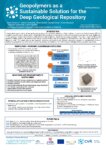
Geopolymers as a Sustainable Solution for Deep Geological Repositories
Description: Ensuring the long-term safety of deep geological repositories for radioactive waste is a critical challenge. Conventional Portland cement is unsuitable due to its high alkalinity, which is detrimental to the stability of bentonite barriers, while even low-alkaline concretes contribute significantly to CO2 emissions. Geopolymers, based on alkali-activated aluminosilicates, represent a promising alternative. They exhibit higher durability and chemical stability, along with the benefit of low calcium content. In this study, we developed and characterized a novel low-alkaline geopolymer at laboratory scale. The results demonstrate improved mechanical performance and chemical resistance compared to cement-based systems, highlighting geopolymers as a more durable and environmentally responsible solution for the long-term integrity of deep geological repositories.
Last updated: December 3, 2025
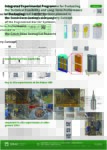
Description: SÚRAO is implementing its RD&D plan via a structured programme of in-situ experiments conducted at the Czech Bukov and Josef generic underground research facilities (URF). These activities are being complemented by laboratory research conducted by long-standing SÚRAO suppliers including various Czech research institutions and universities. SÚRAO is also involved in a range of international projects underway at the Grimsel Test Site (e.g. the HotBENT project) and is contributing to several work packages as part of the EURAD-2 programme (e.g. the RAMPEC and ANCHORS WPs). The experimental programme focuses on the technical feasibility and long-term performance of engineered barrier systems (EBS), particularly the bentonite-based components and metal waste disposal packages. Key ongoing activities include the operation and dismantling of the Interaction Experiment at the Bukov URF, which is providing long-term data on bentonite-concrete interactions under repository-relevant conditions. Corrosion experiments, including the Pilot corrosion experiment underway at the Bukov URF and experiments conducted as part of the InCoManD EURAD-2 WP, are investigating the degradation behaviour of metal components in bentonite environments. These studies are essential for demonstrating the integrity of waste disposal packages over the repository lifetime. The dismantling of the EPSP experiment (an in-situ model of the deep geological repository pressure and sealing plug) in the Josef underground laboratory is in the planning stage. Planned participation in the “RELABEN” and “ACS” projects will further enhance knowledge exchange and benchmarking. The poster presents selected results, highlights methodological innovations and outlines future directions in the field of the development and testing of EBS.
Last updated: December 3, 2025
Description: The poster will present the consolidated findings from an international questionnaire on the lifecycle management of challenging waste types, namely Naturally Occurring Radioactive Material (NORM) and Depleted Uranium (DU), performed under EURAD-2 WP-3: ASTRA. Contributions from 21 organisations across 18 countries were analysed, highlighting significant diversity in definitions, regulatory frameworks, and strategic approaches to the management, treatment, and disposal of these waste forms. The results emphasise varying degrees of maturity in national strategies, with countries such as the UK, the Netherlands, Switzerland, and the Czech Republic demonstrating integrated lifecycle approaches that encompass waste minimisation, treatment, reuse/recycling, and conditional disposal options. Conversely, others remain in the early stages of strategy development, lacking safety cases or disposal programs, especially for DU, which is often regarded more as a resource than a waste.The questionnaire revealed key technical and strategic challenges, including long-term safety demonstration, conditioning and packaging compatibility, and post-closure safety assessment. Countries pursuing deep geological disposal solutions highlighted concerns regarding radiotoxicity, waste acceptance criteria (WAC), and the implications for safety case development over timescales up to 1 million years. As a follow-up to the initial findings, a second international workshop has been convened to advance knowledge sharing and collaborative development of disposal solutions. In this forum, the United Kingdom, Slovenia, and France will present their current technical and regulatory approaches for the safe disposal of NORM and DU waste. These contributions are expected to provide practical insights into repository planning, performance assessment methodologies, and the integration of reuse and backfill strategies into safety cases. The study underlines the need for continued international engagement to harmonise disposal practices and enhance technical readiness for managing these complex waste streams. The poster will provide an overview of the study and the results of the final workshop held in September.
Last updated: December 3, 2025
Knowledge Management using a Requirement Management System
Description: A requirements management system (RMS) serves as a tool to identify and manage requirements, ensure traceability and transparency in decision-making, and facilitate communication among professionals from different fields of expertise. Because implementing geological disposal of waste is a lengthy process—often taking decades or longer—an RMS is needed to provide a framework to collect and manage all requirements placed on the disposal system and to ensure that they are met. It also ensures that inevitable changes in requirements and specifications over the lifetime of a disposal project are properly addressed and documented. In the Netherlands, the first RMS was developed by COVRA during the OPERA research programme (2010 2017). It initially focused solely on disposal but, since the first phase of COPERA (2020–2025), has evolved into a comprehensive system covering the entire radioactive waste management process—from collection to final disposal. The updated RMS is structured into six levels. The first two levels contain requirements applicable to both disposal and pre-disposal activities (collection, treatment, and storage), while levels three and higher specify requirements tailored either to disposal or to particular pre-disposal steps. Collectively, these levels describe how the disposal system addresses requirements derived from regulations and policies.
Last updated: December 3, 2025
New Waste Streams from Advanced Reprocessing Technologies
Description: Current efforts in the exploitation of nuclear energy consider the introduction of advanced reactor systems, including fast and molten salts reactors. These systems may also require new pyrochemical and pyrometallurgical reprocessing technologies resulting in the generation of new types of waste. This waste needs to be processed and eventually disposed of, but due to its radiochemical properties and chemical composition its waste management may be challenging. The poster will provide an overview of potential types and basic characterisation of anticipated waste streams generating by pyrochemical and pyrometallurgical reprocessing technologies, in particular: −> Molten salt / liquid metal reductive extraction proposed as a separation method to be used for the molten salt fuel processing. The main principle of the technology is based on the selective molten-salt / liquid metal reductive extraction into liquid bismuth in multistage counter-current extraction system. −> Electrochemical separation is also proposed for molten salt reactor systems. There are two methods: cathodic deposition (electrowinning) or anodic dissolution (electrorefining). Both of these electrochemical processes allow for the separation of spent fuel components either in pure metallic form, or in the form of solid or liquid metal alloys, as well as in the form of mixed fluoride or chloride melts. −> Fluoride volatility method which is proposed for reprocessing of spent MOX fuel from fast reactors or LWRs containing high concentrations of plutonium. The separation process comes out from ability of uranium, neptunium and plutonium to form volatile hexafluorides, whereas most fission products (lanthanides) and transplutonium elements form non-volatile trifluorides. The arising products will thus be represented by gaseous phase containing U, Np, Pu and solid fluoride waste comprising fission products and the rest of transuranium elements (Am, Cm) captured on an inorganic high surface area sorbent, e.g. Al2O3 (alumina). Fluoride volatility method can individually separate uranium, plutonium, and potentially also neptunium. However, this technology (like hydrometallurgical PUREX) cannot individually separate americium and curium which then accompany the fission product stream.
Last updated: December 3, 2025
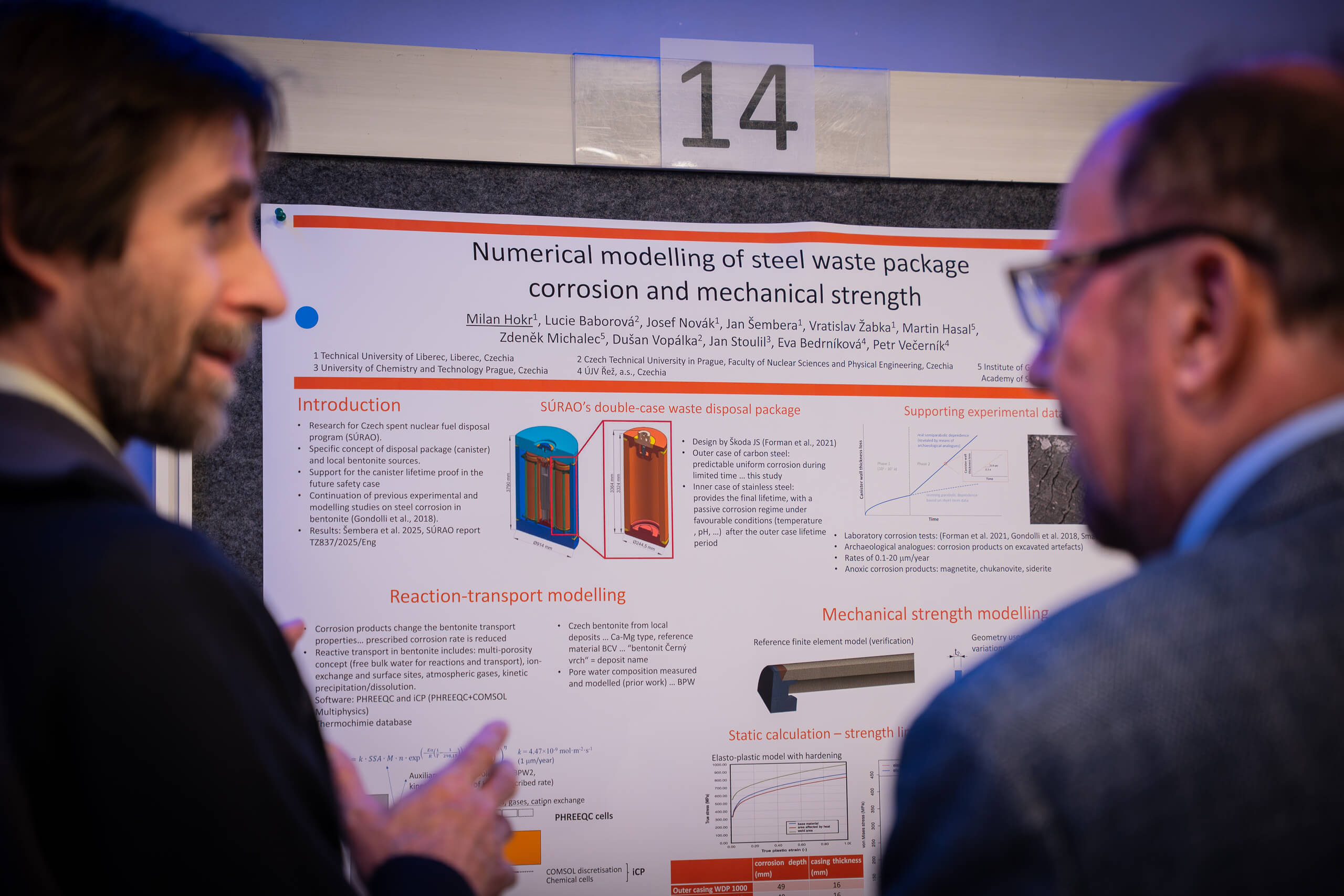
Numerical Modelling of Steel Waste Package Corrosion and Mechanical Strength
Description: The Czech disposal concept of spent fuel considers a double-case waste package, with the inner case of stainless steel and the outer case of carbon steel. We present several numerical models helping to predict the waste package lifetime. Anaerobic corrosion of carbon steel in contact with saturated compacted bentonite is modelled as a 1D reaction-transport problem. Bentonite mineral and porewater composition is calibrated to laboratory analyses of Czech bentonite BCV (Ca-Mag type). The model is made in PHREEQC, using the Thermochimie database, and with additional couplings calculated by iCP (COMSOL-PHREEQC). The model considers varying corrosion rate as an effect of interface changes and includes transport properties change by corrosion product precipitation, with respect to prescribed reference rate. Carbonates are dominating corrosion products, in agreement with results of laboratory corrosion experiments. Sensitivity of model on numerical discretisation and on parameters of the kinetic corrosion product precipitation was additionally evaluated. Mechanical strength is solved as an elasto-plastic problem with hardening, considering varying steel thickness due to corrosion. ANSYS is used for the calculations. The stress-strain curve is an approximation of the laboratory measurement. Two conditions for collapse are considered: (1) stress reaching the strength limit or (2) buckling stability calculation. Without effects at the weld of the container lid, the shape stability is the limiting condition regarding the minimum thickness. Then, the effect of the outer case collapse on the inner case strength is evaluated, variants of contact area between the two cylinders are used, resulting from the evaluated buckling mode deformation. Such load is less favourable than uniform stress applied in the reference model, but all cases keep the inner case under the yield limit.
Last updated: December 11, 2025
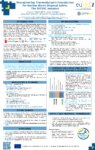
Strengthening Thermodynamic Foundations for Nuclear Waste Disposal Safety: The DITUSC Initiative
Description: Development and Improvement of Thermodynamic Understanding for use in nuclear waste disposal Safety Case (DITUSC) is one of the strategic studies of the EURAD-2 project. Its primary objective is to provide a comprehensive reflection on the potential enhancement of scientific knowledge in the domain of thermodynamic database development, to support the evaluation of long-term processes related to safety in the field of radioactive waste disposal. The primary objective of DITUSC is not solely limited to the identification of data gaps but also to critically assess and prioritise these gaps and define scientific strategies for filling them. The collection of data gaps is gathered from various sources, including scientific evaluation by the partners, technical discussions with ongoing thermodynamic database projects, scientific interactions with other EURAD-2 work packages, exchanges with the wide scientific community at dedicated open workshops and, last but not least, direct input from interested end-users involved in the implementation of radioactive waste repositories. The prioritisation of data gaps is carried out in consultation with representatives from the three EURAD colleges, with the intention of adopting a common position on relevant strategic future needs. Particular emphasis is given to the EURAD and IGD-TP Strategic Research Agendas, for example in line with the need of improved descriptions of radionuclide release and transport via development of thermodynamic models, including complexation effects. Efforts are dedicated to highlight how future R&D work may be integrated into these agendas to ensure a robust, scientifically defensible framework that guarantees chemical consistency across long-term safety assessments. The outcomes of this analysis will be documented in a green paper setting the scope and discussing the key aspects and then in a white paper where the outcomes of the analysis will be presented.
Last updated: December 3, 2025
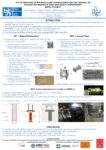
Description: The project’s main objective is to establish a partnership between Czech and Korean institutions for the exchange of knowledge and experience regarding the final disposal of spent nuclear fuel. The joint focus of the project is optimising materials and technologies related to the use of granulated (pelletised) bentonite in constructing the buffer and backfill of a deep geological repository. The project runs from January 2025 to December 2027 and is divided into three key work packages: WP1: Material Optimisation; WP2: Transport Tests; and WP3: In-Situ Model. The Czech part of the project will seek to optimise an alternative construction solution for the buffer using granulated bentonite. This approach is expected to lead to significant time and financial savings. It also simplifies construction organisation and reduces uncertainty. Initial results demonstrate the sufficient compaction of Czech granular bentonite (Ca-Mg, Cerny Vrch deposit), achieving a dry density of around 1.6 g/cm³ for the compacted layer. The project focuses on gradually realising the first Czech in-situ experiment on a 1:1 scale in granitic rocks at the Josef Underground Laboratory. This experiment will comprise a fully featured in-situ model of vertical disposal. It will simulate the real-scale buffer thickness. The heater design reflects the actual size and power of a disposal package (e.g. 655 W after 65 years for Dukovany SNF). The model incorporates systems for saturation, monitoring (temperature, pressure and humidity) and conducting migration tests on gases. The monitoring data gathered will be crucial for specifying, preparing and validating a THM numerical model. Furthermore, the entire experiment will be digitally mirrored in BIM (Building Information Modelling) to facilitate data management and visualisation. The project is co-financed with state support from the Technology Agency of the Czech Republic (TA ČR) under the project TQ16000084 in the SIGMA Programme (Sub-Objective 4).
Last updated: December 3, 2025
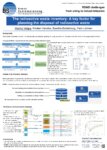
The Radioactive Waste Inventory: A Key Factor for Planning the Disposal of Radioactive Waste
Description: The inventory of radioactive waste is a key factor for planning, designing, operating and closing a repository for radioactive waste (near-surface and deep geological repository). It remains crucial throughout the entire life cycle ranging from the first safety case through the site-selection procedure and up to the post-closure phase of a repository. Consequently, the development of an inventory database is a prerequisite in every waste disposal program. Firstly, it essential to set the requirements for the inventory of the radioactive waste, considering the regulatory framework, the properties of the inventory including processes that may take place over various time scales, the data uncertainties and inaccuracies arising from conceptual models and the sensitivity of parameters. BRENK has developed an inventory model adaptable to the needs of the user. Secondly, the development of an inventory database based on the requirements is crucial for all stages and performance assessments both for the operational and the long-term safety. BRENK performs assessments of such databases for radionuclide and as well as other inventories, e.g. for disposal sites in Germany (Morsleben) and other European countries (e.g. Belgium, Switzerland) as well as mining legacies. Furthermore, BRENK performed thorough review and updated the Asse II mine inventory database, including radionuclide calculation modules (e.g., activity calculations, decay module, dose rates, degree of uranium enrichment and case distinctions). Thirdly, the inventory database has to be verified against the radioactive waste, ensuring compliance with requirements criteria and long-term performance. The poster will give examples for various national programs. For example, BRENK performed long-term performance assessments for the planned near-surface disposal for the Ukrainian radioactive waste. The results showed that an optimisation of the disposal concept was necessary with regard to the buffer material retarding the Tc release.
Last updated: December 3, 2025
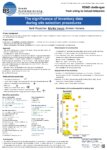
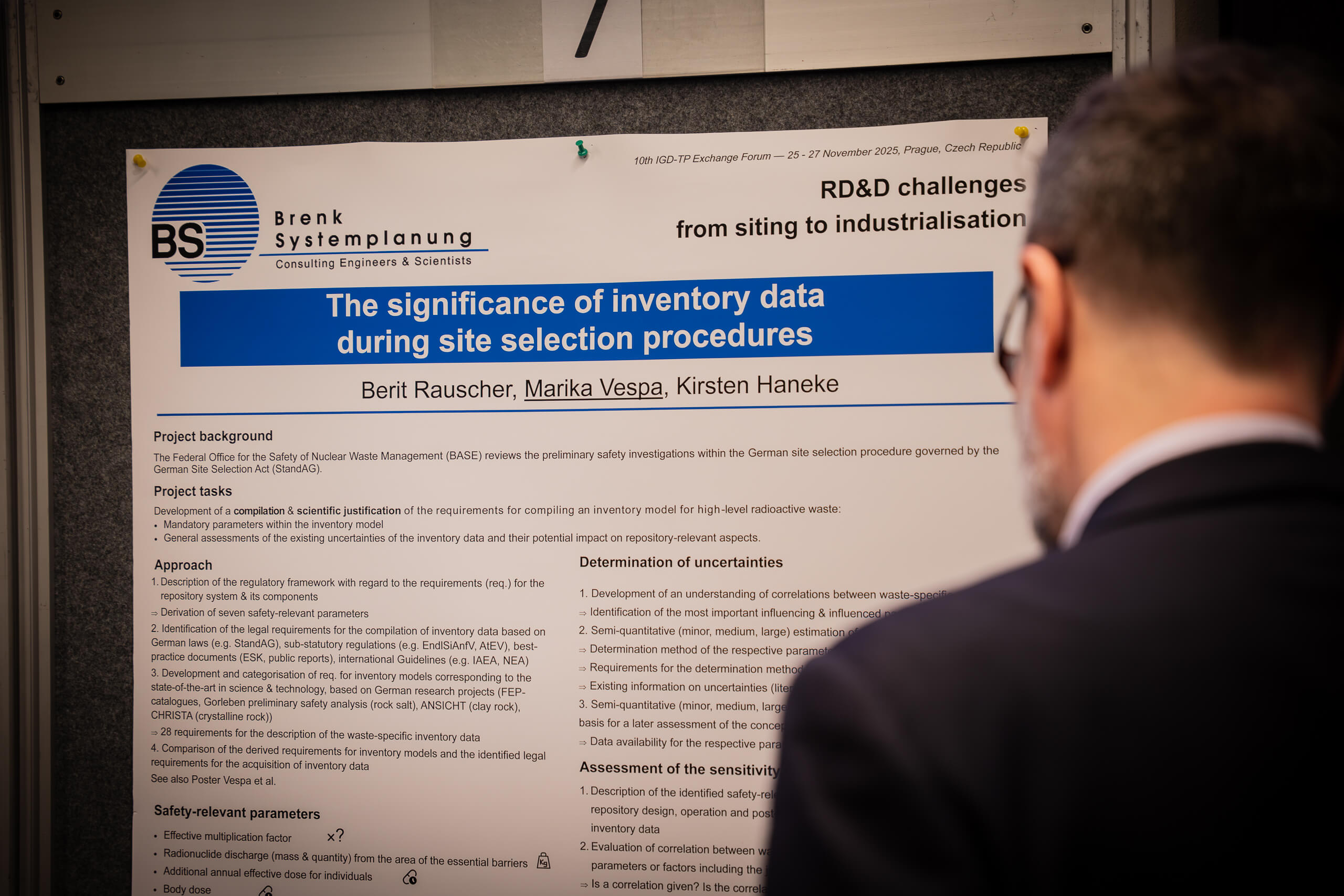
The Significance of Inventory Data During Site Selection Procedures
Description: The aim of the final disposal of radioactive waste is to ensure the best possible safety for the long-term protection (i.e. one million years) of humans and the environment from ionising radiation and other harmful effects. In Germany, the Site Selection Act (StandAG) regulates the procedure for determining the site with the best possible safety for a repository for high-level radioactive waste. One of the mandatory aspects of the StandAG is to perform various, preliminary safety assessments in order to assess the expected extent of safe confinement of radioactive waste. The foundation of these safety assessments is the radioactive waste itself, which has to fulfil the specification for disposal. In order to achieve this goal, a disposal capability model was created. The project “InvEnd” focused on the generation of this disposal capability model for the German high-level radioactive waste. The first step was identifying the characteristics of the inventory required for the preliminary safety assessments. This task was achieved by analysing two main data sources: the generic but host-rock-specific concepts for a German high-level radioactive waste repository, and inventory data and approaches of other countries with technologically developed repository programmes. The identified various waste characteristics (e.g. geometry, chemistry, radiology and physics) were assigned to categories essential for carrying out the preliminary safety assessments (Primary) and data which validates the primary inventory data (Secondary). Thereafter, an evaluation of the impact of the identified characteristics on the results of the safety assessments was performed. Concluding, an assessment of remaining waste characteristics uncertainties, such as data uncertainty and conceptual uncertainty, was conducted. The results of this study enable authorities and waste management organisations to identify the key data of high-level radioactive waste inventories that are essential for conducting safety assessments for waste disposal, even during early stages of site selection and planning.
Last updated: December 3, 2025
Towards High Fidelity Numerical Simulations of Strongly Coupled Processes for Repository Systems
Description: Process-based numerical simulations are the basis for in-depth system understanding, analysis of experimental observations and their upscaling. Due to the complexity of the repository systems and the extended time-periods involved, modelling is the only way to evaluate the long-term evolution of the repository in situ conditions. Recent developments in the field of data sciences and computational efficiency of surrogate models on modern computer infrastructure opens the way for realisation of efficient coupled numerical models (Digital Twins) for real time numerical analysis of laboratory and field experiments, repository design, components optimisation and comprehensive safety analysis. Such numerical tools are essential for repository conceptualisation and the repository design optimisation in both advanced- and early-stage waste disposal programs. EURAD-II Work Package HERMES aims at development of open access tools for simulations of strongly coupled THMC Feature Events Processes in repository systems (nearfield and host rocks). Specifically, the focus is given to development of the surrogate models based on machine learning for specific aspects of THMC coupled models, data exchange between models at different scales, reduction of big data and extraction of constitutive relations from big numerical, experimental and monitoring datasets. In such models some orders of magnitude improvement in the computational efficiency is obtained by replacing the physical based solvers or its components with high fidelity surrogate models.
Last updated: December 3, 2025
Using Limits of Life to Predict Microbial Activity and Survival in Engineered Barrier Systems
Description: Potential for microbial activity within a geological disposal facility (GDF) needs to be considered by waste management organisations because microorganisms consume and produce gases, corrode metals, breakdown organic wastes and mobilise radionuclides, amongst other processes relevant to safety planning. The environment in and around a GDF, in particular the engineered barrier system (EBS), produces harsh conditions for microbial life. However, numerous studies have demonstrated that microbial communities have a remarkable ability to survive in extreme conditions, thus changing their local environment. Understanding what limits life within the EBS will give a better indication of when and where microbial activity is more or less likely. The limits to microbial activity and survival were reviewed for the following relevant variables: temperature, pH, radiation, salinity, saturation, and availability of nutrients and energy sources. Where data allowed, limits were given specific to EBS materials or specific to microbial groups of interest. Using predictions of how each environmental variable changes during the post-closure phase, we outlined the times and locations when microbial activity is expected to be limited. A range of repository concepts relevant to high heat generating waste and lower heat generating waste in lower strength sedimentary rocks, higher strength rocks and in evaporites were considered. Finally, we suggest how data from multiple variables can be combined to improve our understanding of the potential for microbial activity to occur within the EBS. We propose that these “limits to life” be combined with existing or new EBS environmental condition evolution models to give a better understanding of the activity and survival of microorganisms. This could be integrated into safety planning to identify the potential for microbial impacts on the containment of waste. It can also be used to identify gaps in knowledge of microbiology within the EBS and inform the design of future research programmes.
Last updated: December 3, 2025

Description: The IAEA supports Member States in addressing spent fuel and radioactive waste management challenges associated with Small Modular Reactors (SMRs), including initial efforts related to disposal strategies. There are more than 60 SMR designs across 18 Member States, with a wide variety of technologies, implying the use of non standard fuels, for different applications detailed in the IAEA SMR Technology Catalogue (2024). The SMR designs listed in this catalogue vary from evolutionary variants of Light Water Reactors, that benefit from many decades of operating experience of the current fleet of NPPs; High Temperature Gas Reactors; Liquid Metal Fast Reactors including Molten Salt Reactors. SMR designs use a variety of fuel forms (e.g., oxide/ceramic, metal, TRISO, liquid fuel salts) having different fuel compositions (e.g., UOX (LEU, HALEU); Mixed U and Pu (oxide, metal, or salt); kernel particles), etc. In line with these, the IAEA Division of Nuclear Fuel Cycle and Waste Technology has launched a Coordinated Research Project (CRP SMRCOGS, T13021) to support Member States in anticipating for and addressing the upcoming challenges for the backend of the fuel cycle of those SMR technologies with the main objective of developing a series of roadmaps on different fuel cycle options to support decision making process on SMR implementation. The end-point of the fuel cycle is the disposal of spent fuel when it is considered as a waste, the high level waste from reprocessing and the rest of generated wastes. The current deep geological programmes are based in the characteristics of the spent fuel and high level wates from the current fleet based on uranium oxide fuels up to 5% enrichment. The introduction of non standard nuclear fuels as HALEU, TRISO, molten salt fuels, etc… will bring new challenges to disposal programmes, although some of those materials have been already studied at some extent in different countries in the past. This talk will focus on key points regarding the impact of those nonstandard spent fuels and radioactive waste on the geological disposal programmes and to present some published results from previous studies.
Last updated: December 2, 2025
Description: Disposal of radioactive waste, operation of appropriate facilities, and preparation of disposal solutions for current and future radioactive waste are key responsibilities of the Radioactive Waste Repository Authority (SÚRAO). SÚRAO operates two near-surface repositories (Richard, Bratrství) and one surface repository (Dukovany), all designated for low and intermediate-level waste. The Richard repository, near Litoměřice, is part of the former Richard II limestone mine and has been used since 1964 for institutional radioactive waste from healthcare, industry, agriculture, and research. The Bratrství repository, near Jáchymov in the Ore Mountains, is located in a former uranium mine and has been operated since 1974. It is used exclusively for institutional radioactive waste containing naturally occurring radionuclides. The Dukovany repository, within the Dukovany nuclear power plant complex, covers 1.3 ha and uses reinforced concrete vaults. It has been operated since 1995 and is intended solely for low-level radioactive waste from the Temelín and Dukovany nuclear power plants. Operating these facilities presents engineering, technical, radiation protection, and safety challenges. Tasks such as backfilling disposal chambers or vaults are complex due to underground or weather conditions, material demands, and safety requirements. Ensuring disposal capacity involves adapting already excavated chambers, opening new vaults, and relocating equipment like service crane or excavated ore. A special challenge is the Periodic Safety Assessment and license renewal for all three facilities. Each repository is licensed based on its Safety Case, and legislation requires a safety review every ten years. To meet this requirement, a six-year project was launched to update the safety assessments of all operational repositories, incorporating the latest scientific and technical knowledge.
Last updated: December 2, 2025
Construction of the ONKALO Underground Rock Characterisation Facility and the Disposal Facility
Description: The construction of the ONKALO underground rock characterization facility began with excavations in 2004. The scope of ONKALO included the access tunnel from the surface to the disposal depth, some of the technical facilities and connections related to ventilation and personnel shafts. Some of the underground infrastructure needed to promote the excavation work was implemented in connection with the construction of ONKALO. The excavation method used was the drill-blast method. The excavation process included, among others, probe hole boring, pre-grouting (if necessary), blast hole boring, blasting, loading of quarry rock, scaling and reinforcement works. In connection with the excavation of the access tunnel, five separate research niches were implemented along the access tunnel, where, among others, hydrological and rock mechanical studies and EBS installation tests were carried out. The construction of the disposal facility began in 2016 with an excavation contract, the methods were the same as in the implementation of ONKALO. In June 2019, Posiva decided to start construction of the disposal facility and the encapsulation facility, so that disposal can begin in the mid-2020s. The scope of implementation of the disposal facility included the rest of the technical facilities area, the connecting tunnels located at level -437, the canister shaft, the central tunnels of the first disposal panel, the first five deposition tunnels and the deposition holes of the first deposition tunnel. In addition to the excavation of the facilities, the building services of the entire facility were implemented, including ventilation systems and service and fire water and drainage systems. Access to the disposal facility was improved by installing an elevator in the personnel shaft, which is currently used to access the underground facility. The commissioning of the disposal facility systems will be completed in autumn 2025. In addition, the construction and excavation during the last 20 years have provided the opportunity to do related R&D and different types of testing.
Last updated: December 2, 2025

Current Status and R&D Challenges in the Siting Program for a DGR in Hungary
Description: PURAM is responsible for management and disposal of all radioactive waste generated in Hungary. The siting programme of DGR is based on a reference scenario, which is currently the direct disposal of spent fuel in a DGR along with other HLW. The geological research program started over three decades ago, and – following a nationwide screening in 2000 - identified the Boda Claystone Formation (BCF) in SW Hungary as a potentially suitable formation. The known areal extent of the Permian BCF formation is about 150 km2. Its lithofacies represent an intermittent saline playa lake in a semidesert environment and mainly consists of albitic claystone. The BCF has low hydraulic conductivity with a very low bulk porosity of the intact rock matrix, which is elevated only close to the surface or to larger tectonic zones. Due to the high temperature and pressure load during its burial history, some properties of BCF indicate that this formation is closer to a crystalline rock than to typical clays, which was considered in the design and the choice of R&D methods in the siting programme. Based on site characterization results accumulated over the past decades, a preliminary safety assessment is currently under preparation with the aim of providing a general evaluation of BCF as a host rock of a DGR. Moreover, in 2022 PURAM initiated a detailed evaluation of the Kiscell Clay Formation (KCF), as the formation was ranked 2nd in the nationwide screening, but during the past decades, the site investigation was carried out only for the BCF. Given that this alternative formation—unlike BCF—is a more traditional, clayey host rock, compilation of exploration methodology presents new challenges for PURAM. The details of R&D challenges related to DGR site characterization will be introduced in our presentation.
Last updated: December 2, 2025
ERAM Getting Real – Moving Towards the Construction of a Safe DGR
Description: The final repository for low- and medium-level radioactive waste in Morsleben (ERAM) is currently in the licensing planning phase. A public hearing was held in 2011. Comments received from the public, experts, and the competent authority will be taken into account when revising the documentation and optimizing the concept. One significant change concerns the approach to the safety assessment of the final repository system. This is now based on verifiable data from actual structures (demonstration structures), whose properties are projected into the future through a systematic impact and process analysis. This makes it possible to show that the safety of the ERAM can be reliably achieved with what is technically feasible today. The presentation will discuss the experiences gained during the construction of the structures and the challenges involved in obtaining reliable data.
Last updated: December 2, 2025
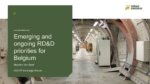
Emerging and Ongoing RD&D Priorities for Belgium
Description: Belgium has a long history in nuclear applications, like, for example, half of the world-wide Ra production in the early 20th century and the first pilot facility for spent fuel reprocessing, resulting in a large variety of legacy waste. Moreover, Belgium still keeps a forerunners role in the production of radiopharmaceuticals, producing sometimes new challenging waste streams. As a result, Belgium has to take care of a large spectrum of waste types and considers the potentials of different types of repositories. For the surface disposal facility of LLW, a construction license was obtained and construction will start in 2025. For the large amounts of Ra-bearing long-lived LLW, a policy proposal to assess an intermediate depth disposal will be submitted to the government this year. And finally, in 2022 the long-term management of ILW and HLW in a geological repository was confirmed by Royal Decree and a large societal debate gave first input to propose a policy decision on the siting process. Consequently, the RD&D needed in Belgium covers a wide range of topics and is slowly shifting towards siting (intermediate depth and deep disposal) and optimisation (surface disposal). As the financing of the legacy waste and recently also of the waste of commercial nuclear power plants is the responsibility of the Belgian State, we performed an exercise on assessing the competencies we want to anchor in Belgium and the infrastructures we need now and in the medium term future. The results of this assessment will be presented during this talk.
Last updated: December 2, 2025
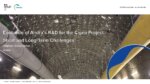
Evolution of Andra’s R&D for the Cigéo Project: Short and Long-Term Challenges
Description: In January 2023, Andra submitted its licence application for the French deep geological disposal known as Cigéo. Following a thorough technical review, the French Authority for Nuclear Safety and Radiation Protection (ASNR) and the Advisory Committee for Waste concluded that “the demonstration of Cigéo’s safety, during operation and after closure, has overall reached the level of maturity required at this stage of the project.” Preliminary construction work is scheduled to begin in 2026. The decree authorizing the creation of Cigéo, expected around 2027, will mark the start of its pilot industrial phase and the main construction activities. This transition from design to implementation represents a major shift in the challenges and priorities of Andra’s R&D program. In the short term, R&D will aim to: −> Provide scientific and technical input addressing Andra’s commitments made during the review process (e.g. explosion risks, corrosion of metallic components, rock properties consolidation, monitoring devices, and seals); −> Support the industrialization of Cigéo’s phase 1 by increasing technical maturity of the components and incorporating technical and economic optimizations; −> Support the pilot industrial phase by preparing and deploying monitoring tools, confirming industrial methods for underground construction, and ensuring that the phenomenological behavior of the disposal facility and its environment is as expected. In the long term, R&D will also need to: −> Conduct forward-looking and adaptative R&D to integrate future developments and prepare future phases of Cigéo (including disruptive innovations, further optimizations, and scientific and technical elements to support adaptability and flexibility); −> Maintain scientific and technological watch, given Cigéo’s operating lifespan; −> Maintain and develop expertise while capitalizing on knowledge.
Last updated: December 2, 2025
Evolving R&D needs at the Loviisa LILW repository
Description: In Finland, the waste producer has the responsibility to manage nuclear wastes produced, including the final disposal. Fortum disposes the low and intermediate level wastes (LILW) produced at the Loviisa nuclear power plant (NPP) in a repository located at the NPP site at a depth of approximately 100 meters. Having the whole chain from waste production, handling, transportation and disposal within a single organisation has proven to be an effective way to manage and dispose of produced LILW waste. The original siting investigations at the site and the development of the disposal concept was carried out in the 1980s. The initial work included a preliminary safety assessment. Site investigations (e.g. drilling, hydrological measurements) were carried out to find an optimal location of the repository at the NPP site. A monitoring program was developed to include studies on rock mechanics, groundwater composition, aging of structures and equipment, etc. This monitoring program is planned to continue during the whole operational period of the repository. Other development work carried out during the operation of the repository includes, for example, improved packing efficiency of maintenance waste and constructing a solidification plant for liquid waste. Currently, research and development are driven by uncertainties identified during the latest safety case (e.g. durability of concrete structures, performance of plugs, host rock stability, migration of C-14, etc.); the introduction of new waste types produced outside the Loviisa NPP (e.g. graphite, ); possible design changes (e.g. backfilling material; containers for activated reactor components); and other smaller issues. In the future, more research and development focus will be put on the disposal of decommissioning waste and extending the repository. As the repository nears the end of the operational period (towards the end of 2080s), the focus will shift towards repository closure.
Last updated: December 2, 2025

German Site Selection – Current Status and Moving Forward Towards Upcoming Milestones
Description: The Federal Company for Radioactive Waste Disposal mbH (Bundesgesellschaft für Endlagerung mbH, BGE) is entrusted with the implementation of the German radioactive waste disposal program. Hence, among other tasks the BGE takes the responsibility for the search for a site for a high-level radioactive waste repository. This also includes RD&D activities and taking the necessary precautions against damage according to the state-of-the-art in science and technology. The site selection procedure is a participatory, transparent, learning and self-questioning process. The repository shall ensure the safe containment of the disposed radioactive waste for 1 million years. Three host rocks are considered for deep geological disposal: rock salt, claystone and crystalline rock. The results of the first Step 2 in Phase 1 of the site selection procedure were published in 2020 in the so-called “sub-areas interim report”. It excluded areas in Germany from the repository search and identified 90 areas that are currently examined in more detail within Step 2 of Phase 1. In November 2024 the status of works on less suitable areas was published. In our presentation, we will present the current works and research activities and we will explain how we progress to achieve the goal to identify a number of favorable siting regions by 2027 in which then consecutively surface exploration will be carried out in Phase 2 of the site selection procedure. We will focus on remaining challenges and discussed options, in particular related to aspects of site characterization, preparation of exploration and research.
Last updated: December 2, 2025
Nagra’s safety case: shaped and supported by decades of RD&D
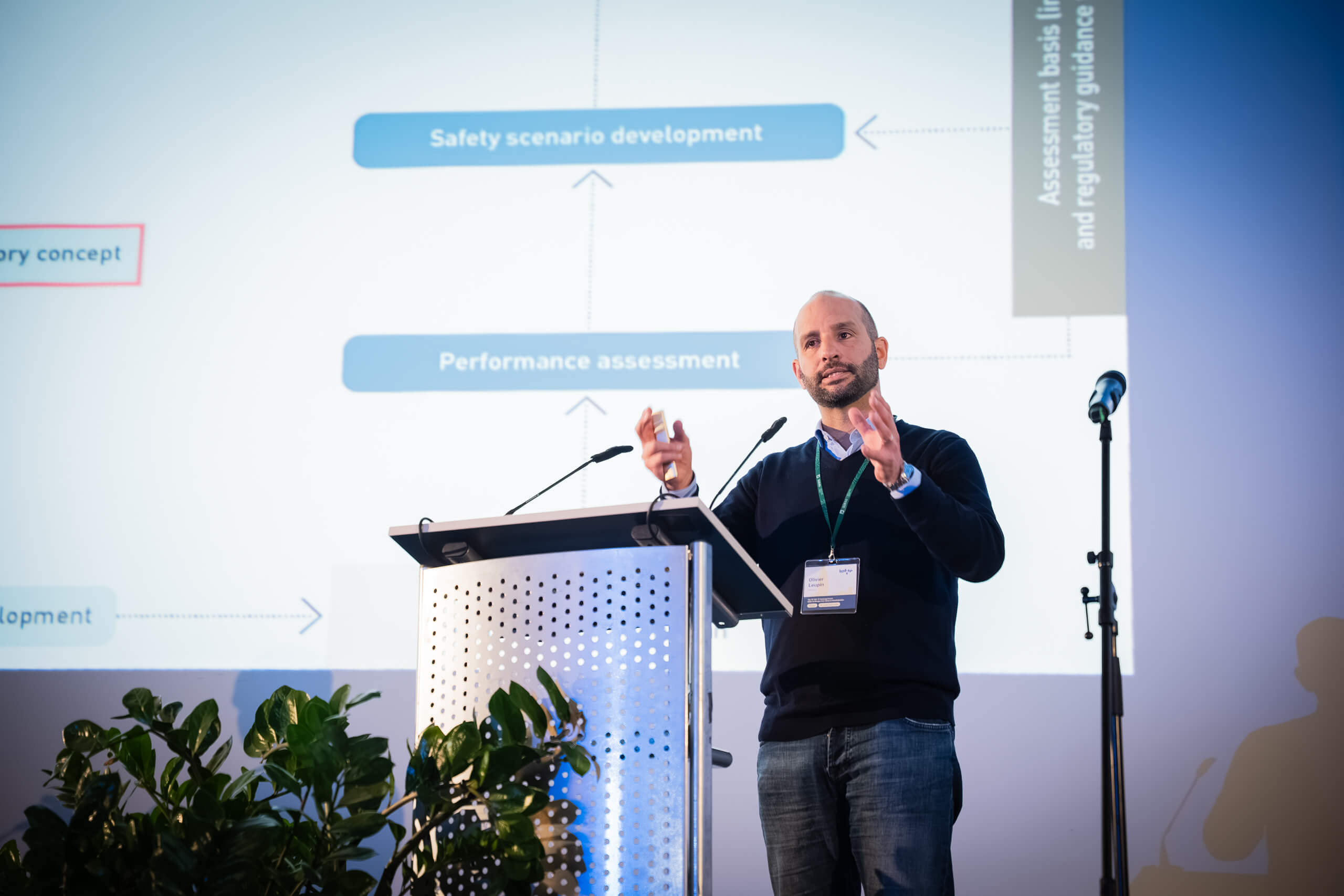
Description: Nagra has recently submitted the general licence application for a geological repository designed to manage both high-level and low- to intermediate-level radioactive waste in northern Switzerland. A cornerstone of this submission is the post-closure safety case, which aims to demonstrate radiological safety over a timespan of up to one million years. The safety case represents a comprehensive synthesis of analyses, evidence, and arguments, collectively establishing why the repository will remain passively safe over the long term. In this presentation, Dr Olivier Leupin will outline the development of the safety case, built upon an assessment framework refined over decades. This framework integrates a wide range of essential components, including databases, waste inventories, detailed phenomenological analyses, engineering studies, geological syntheses of the site, and a narrative storyboard. These elements collectively underpin the demonstration of post-closure safety and substantiate the claim that the repository will meet stringent safety requirements.
Last updated: December 2, 2025

Panel session on learning from WMOs that have selected site
Description: Panel session on learning from WMOs that have selected site - Posiva
Last updated: December 2, 2025
Potential Impacts of SMRs on Multinational Back End Cooperation
Description: There is a growing interest in Small Modular Reactor (SMR) commercialisation, representing a promising pathway towards continued use and/or expansion of nuclear power. Radioactive Waste Management (RWM) - including disposal, is an increasingly important consideration and, for all countries considering SMRs, safe and affordable solutions are a key goal. A recent study considers multinational aspects of the potential technical, strategic, political and commercial impacts of SMR commercialisation on the back end of the nuclear fuel cycle, focusing on Spent Nuclear Fuel (SNF). Using credible SMR designs and hypothetical, but representative, countries, the study explores the potential impact of SMR deployment on opportunities for multinational RWM and Deep Geological Repository (DGR) collaboration. Defining varied Multinational DGR (MNR) models and scenarios, the study explores the potential impact of SMR deployment on the feasibility of a multinational collaborative approach to SNF disposal and upstream enabling activities, assuming an open fuel cycle. The study concludes that widespread deployment of SMRs is likely in the near-term
Last updated: December 2, 2025

Description: SKB is currently running two parallel facility programmes: The extension of SFR, the final disposal facility for short-lived low- and intermediate-level waste, and the new construction of a final disposal facility for spent nuclear fuel, SFK. The extension of SFR has an approved construction licence since 2024 and excavation of the new rock caverns has started. For SFK, the construction licence application was submitted in early 2025 and the review by the regulator is ongoing. The focus of RD&D activities has changed from research and development of concepts towards realisation and optimisation of the repository design and concepts, and to implement the scientific basis from the research programme into the post-closure safety analyses. The methods of prioritising RD&D activities are briefly presented, and an overview is given of the most prioritised ongoing projects at SKB.
Last updated: December 2, 2025

RD&D Priorities in Support of Site Selection in the UK GDF Programme
Description: NWS is characterising and evaluating the suitability of a sub-sea location in the eastern Irish Sea for hosting the UK’s Geological Disposal Facility (GDF). Seismic studies indicate the presence of a suitable rock mass in an environment likely to provide the required containment and isolation of this substantial radioactive inventory, however significant uncertainties require RD&D to clarify feasibility and costs in order to inform a site suitability recommendation. Hypersalinity and high sulfide geochemical environments require further RD&D to provide understanding of the properties of various engineered barrier materials. A broader front of RD&D supports potential future regulatory submissions in support of deep borehole characterisation of the site and accessways. This includes development of Site Descriptive Model v1, summarising the geological and biosphere characteristics of the site and evaluation of the long-term evolution of existing and proposed wasteforms under these chemical conditions.
Last updated: December 5, 2025
RD&D support for the operating Bátaapáti intermediate depth geological repository
Description: The Bátaapáti intermediate depth geological repository is intended for the final disposal of LILW. It has been excavated in a fractured granitic host rock at 250 m depth. The underground facility consists of a pair of inclined access tunnels (ramps), cross-tunnels along the ramps at every 250 m, a sub-horizontal tunnel The site was selected after a screening process in 1996, and following the surface-based site characterisation process, excavation of the access ramps started at the end of 2004. During the excavation, several R&D experiments were performed in side chambers providing site-specific parameters for the safety assessment and supporting the technical design. The first two large diameter disposal galleries were excavated in 2010, and after obtaining the operational license, underground disposal of waste packages started in 2012. A phased implementation, i.e. simultaneous construction and operation activities, has been carried out since then. RD&D activities in a disposal facility should continue during its operation, for several purposes: −> long-term hydrogeological and geotechnical monitoring data will improve the understanding of site conditions, helping to update and better calibrate numerical flow and static models; −> necessary to verify and increase accuracy of site-specific data obtained during the site characterisation phase, in order to reduce conservatism for further assessments of post-closure safety; −> investigate reasons for deviations from the designed/expected state of the implemented structures of the engineered barrier system (EBS), develop preventive measures; −> continue long-term experiments with materials and processes under repository conditions; −> testing and utilise latest achievements of scientific and technical development (new materials, methods etc.), demonstrate their suitability and applicability, support optimisation measures; −> reduce radiation exposure of the operating personnel (by shielding, logistics etc.) and better control of radiological discharges; −> reduce operational costs. Examples of these types of RD&D activities at the operating Bátaapáti repository will be presented.
Last updated: December 2, 2025
Description: The Czech national programme for deep geological repository (DGR) development is entering a crucial stage. By 2030, a final and a backup site must be selected to host the future repository for spent nuclear fuel and high-level waste. This decision must be based on robust scientific evidence, supported by a focused and evolving research and development (R&D) programme. This presentation will highlight the main R&D challenges currently faced in the Czech context, particularly in relation to geological characterisation, long-term safety assessment, and repository design. Emphasis will be placed on the need to integrate multidisciplinary data, manage uncertainties, and ensure that R&D outcomes provide a solid basis for decision-making in the site selection process.
Last updated: December 2, 2025
SF and HLW Disposal Planning in Republic of Slovenia
Description: The presentation by Leon Kegel from ARAO outlines the strategy of Slovenia for managing spent fuel (SF) and high-level waste (HLW) from the Krško Nuclear Power Plant (NPP) and the TRIGA Mark II research reactor. Guided by the National Programme for Managing Radioactive Waste and Spent Fuel (2023–2032), the strategy emphasizes safe storage and disposal, with ARAO leading efforts in monitoring international developments and planning a deep geological repository (DGR) or deep borehole disposal (DBD) for SF and HLW. The Krško NPP inventory includes 2,282 fuel assemblies, with ongoing SF transfer campaigns and a new storage facility operational since March 2023. The TRIGA reactor, operational until 2034, explores DBD and regional disposal options for its 84 fuel elements. The 4th revision of the Krško NPP disposal program includes studies on DGR and DBD costing, site selection methodologies, and stakeholder engagement. The aim is to identify geologically suitable sites by 2050, with DGR scenarios in hard rock (KBS-3V) or sedimentary formations. Challenges include siting issues, cost estimation and optimisation, while opportunities lie in international collaboration and innovative disposal technologies.
Last updated: December 2, 2025
SMR RD&D Waste Treatment and Disposal Challenges from Czech Regulatory Perspective
Description: The presentation aims to highlight the challenges associated with the deployment, assessment, and licensing of SMRs, particularly in terms of the requirements for the safe management of spent nuclear fuel and radioactive waste. It demonstrates the current state of deployment in the Czech Republic, the regulatory developments over the past two years, and the practical regulatory preparations for future licensing processes. It also outlines the directions of R&D that need to be addressed in this context, as well as the weaknesses in deployment that have already been identified.
Last updated: December 2, 2025

Last updated: December 2, 2025
Small and Advanced Modular Reactor Waste Generation and Management in EURAD-2 WP4 FORSAFF
Description: Small and Advanced Modular Reactors (SMRs and AMRs) are being developed as part of the global effort to meet increasing energy demands. Although these technologies offer several potential benefits, their deployment faces notable challenges that must be addressed to ensure they are safe and economically viable. Among the most pressing concerns is the management of spent fuel and radioactive waste produced during both operation and decommissioning. This includes questions on predisposal strategies, potential reprocessing routes, and final disposal solutions. The diversity of SMR/AMR designs, technologies, and intended uses will have a substantial influence on waste management considerations and will shape the development of suitable technical solutions for both predisposal and disposal needs. These issues must be carefully considered in decision-making processes related to the integration of SMRs and AMRs into future energy systems. As part of the second phase of the European Partnership on Radioactive Waste Management (EURAD 2), Work Package 4: Waste Management for Small Modular Reactors and Future Fuels (FORSAFF) was established to address implementation challenges for a selection of SMR and AMR technologies. The primary aim of FORSAFF is to identify knowledge gaps and provide recommendations for future research regarding SMR/AMR waste generation and management. This presentation will provide an overview of ongoing FORSAFF activities focused on identifying SMR/AMR waste inventories including spent fuel or waste generated after reprocessing and assessing SMR/AMR waste predisposal and disposal strategies, and characterisation methods and modelling tools for SMR/AMR waste.
Last updated: December 2, 2025
Status of the DGR programme in Spain
Description: Enresa, the Spanish radioactive waste management organisation, was created in 1984 by Royal Decree as a public company functionally linked to the ministry responsible for nuclear energy. Although the decree authorizing its establishment dates from 1984, the current governing legal instrument is a Royal Decree issued in 2014 (102/2014 of 21 February, on the responsible and safe management of spent nuclear fuel and radioactive waste). The program for the Deep Geological Repository (DGR) for Spent Nuclear Fuel and High-Level Waste started early in 1985 and was scaled back in 2006. The program was important in terms of resources, considering both workforce (Enresa and other organizations such as universities, engineering services public and private), and costs. A summary of the results was reported and sent to the MITERD (current denomination of ministerial authority supervising Enresa) in 2013 to preserve as much as possible the skills and knowledge acquired. Summarizing the main achievements were: −> As a result of a site search and selection plan (1986–96), an Inventory of Favorable Formations is available, and a wide geographic distribution of locations has been verified that, in principle, could be suitable for hosting an AGP. −> Development of Conceptual designs for a DGR in each of the lithologies of interest (crystalline rock and clay) (1990–2006). −> Development of performance assessment and safety assessment exercises of those conceptual designs. In addition to a preliminary assessment at the start of the DGR project, two rounds of assessment exercises were conducted for crystalline rock (1997 and 2000) and clay formations (1999 and 2003). At the end of 2023, the 7th GRWP was approved by the Government. It includes the establishment of a new programme for the development of a DGR in Spain, which is expected to start operation in the 2070s. The programme consists of eight steps.
Last updated: December 2, 2025

The Netherlands Updates Roadmap for the Disposal of Radioactive Waste
Description: Recent nuclear renaissance has led to plans for new builds also in the Netherlands and discussions on the possible waste inventory in the future. The present waste management policy dates from the 1980s, when it was decided that the waste would be stored above ground for at least 100 years, which would give time to explore and develop disposal options, and accumulate funding for construction and operation of one deep geological disposal facility (GDF), which would take all the Dutch radioactive waste. A decision on the disposal method would be done between national options, GDF in rock salt or clay, or disposal in an international shared facility around 2100. Waste should be disposed of by 2130. Previous research programmes on disposal have largely concentrated on the technical matters; the newly planned approach will also include societal matters including the decision-making process. The plan is also to bring the date of the decision on the disposal method(s) closer; the ambition is a decision on a location and choice of disposal method(s) by 2050. Hereto, in addition to GDFs in clay or rock salt, also shallow and intermediate depth disposal facilities, as well as deep borehole disposal option, should be investigated. The Netherlands will continue to follow the dual track policy, that is, sharing disposal facilities remains an option.
Last updated: December 2, 2025
IGD-TP Members Participating in the Activity
Nagra
Member of Executive Group
Nationale Genossenschaft für die Lagerung radioaktiver Abfälle
Contact: Irina Gaus Send message
ANDRA
Member of Executive Group
Agence Nationale pour la gestion des déchets radioactifs
The French National Radioactive Waste Management Agency.
Contact: Stephan Schumacher Send message

BGE (Bundesgesellschaft für Endlagerung mbH)
Member of Executive Group
The German national waste management organisation.
Contact: Astrid Göbel Send message
COVRA
Member of Executive Group
Centrale Organisatie Voor Radioactief Afval
Contact: Marja Vuorio Send message
ENRESA
Member of Executive Group
Empresa Nacional de Residuos Radioactivos S.A.
Contact: Silvia Rueda Sánchez Send message
Contact: Jimena De Hita-Fernández Send message

ONDRAF/NIRAS
Member of Executive Group
The Belgian Agency for Radioactive Waste and Enriched Fissile Materials
Contact: Maarten Van Geet Send message
Posiva Oy
Member of Executive Group
Nuclear Waste Management Expert
Contact: Petteri Vuorio Send message
Contact: Johanna Hansen Send message

PURAM
Member of Executive Group
Public Limited Company for Radioactive Waste Management
Contact: Bálint Nős Send message

Nuclear Waste Services (NWS) [Previously RWM]
Member of Executive Group
Nuclear Waste Services (changed from Radioactive Waste Management Limited in 2022)
Contact: Jonathan Martin Send message

Svensk Kärnbränslehantering AB (SKB)
Member of Executive Group
Svensk Kärnbränslehantering AB
Swedish Nuclear Fuel and Waste Management Co.
Contact: Anni Fritzell Send message

SÚRAO
Member of Executive Group
Správa úložišť radioaktivních odpadů
Radioactive Waste Repository Authority, Czechia
Contact: Lukáš Vondrovic Send message
Contact: Markéta Dohnálková Send message